The Cost of This Job
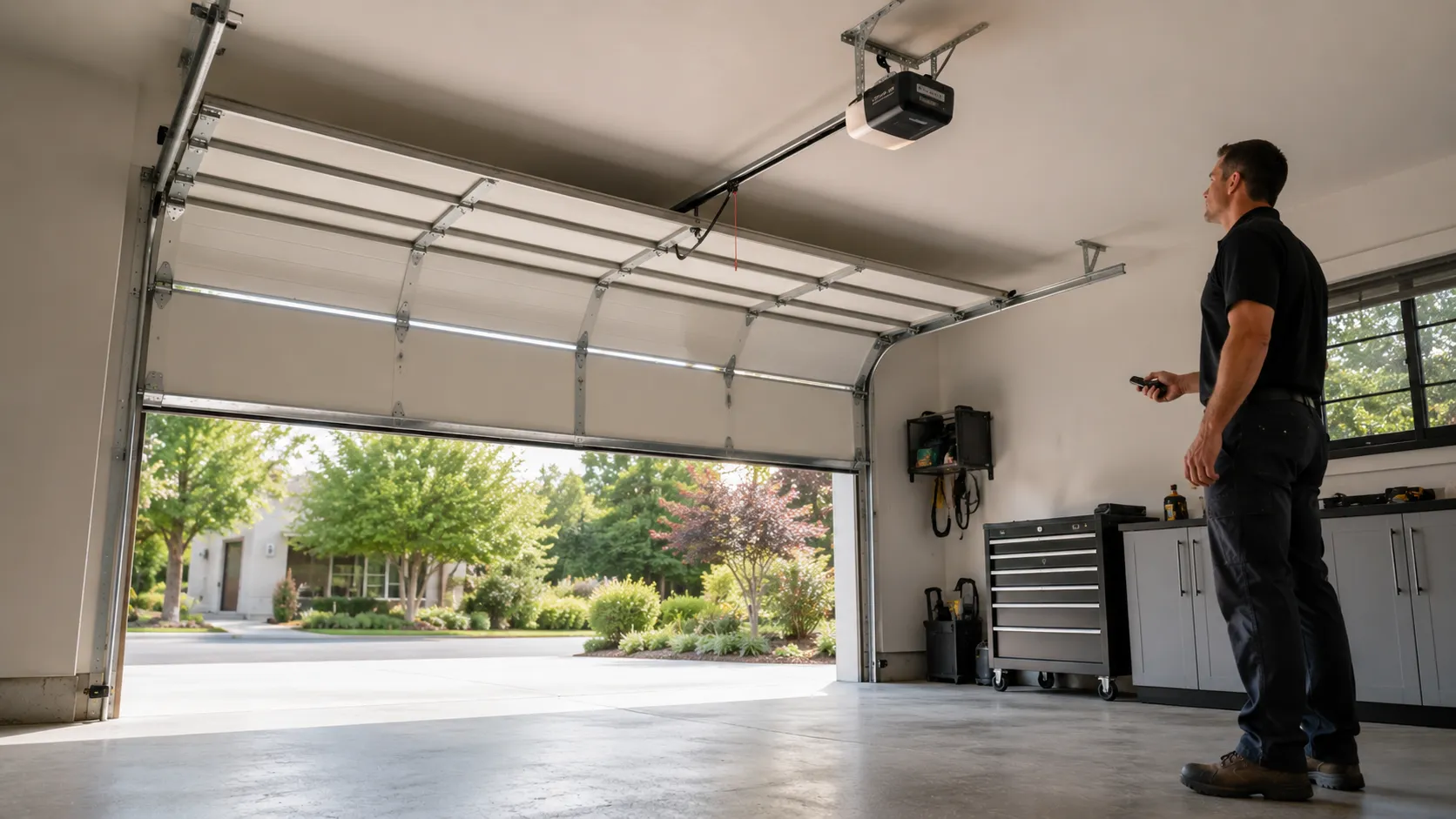
What an opener repair runs depends on what's actually failed, and that's the honest answer before anyone quotes a number. A logic board swap is a different job than a gear-and-sprocket kit, and a burnt-out capacitor is a different job than a stripped drive gear on a chain unit. On the newer housing stock common here - most of Prosper's homes went up between 1985 and 2015, median build year around 2004 - we're usually dealing with the second or third opener a house has had, since builder-grade units from that era were rarely top-tier and don't last forever.
We don't publish a flat price for opener repair because two openers with the same symptom can have completely different root causes, and pricing one without seeing it is a guess dressed up as a quote. What we can tell you: a repair on a board or sensor is almost always cheaper than a motor or gear replacement, and if your opener is original to a 2000s build, you're at the point in its life where repair-versus-replace is a real conversation, not a formality.
We'll look at the unit, tell you straight whether it's worth fixing, and give you an actual number before we touch anything.
What You Are Seeing
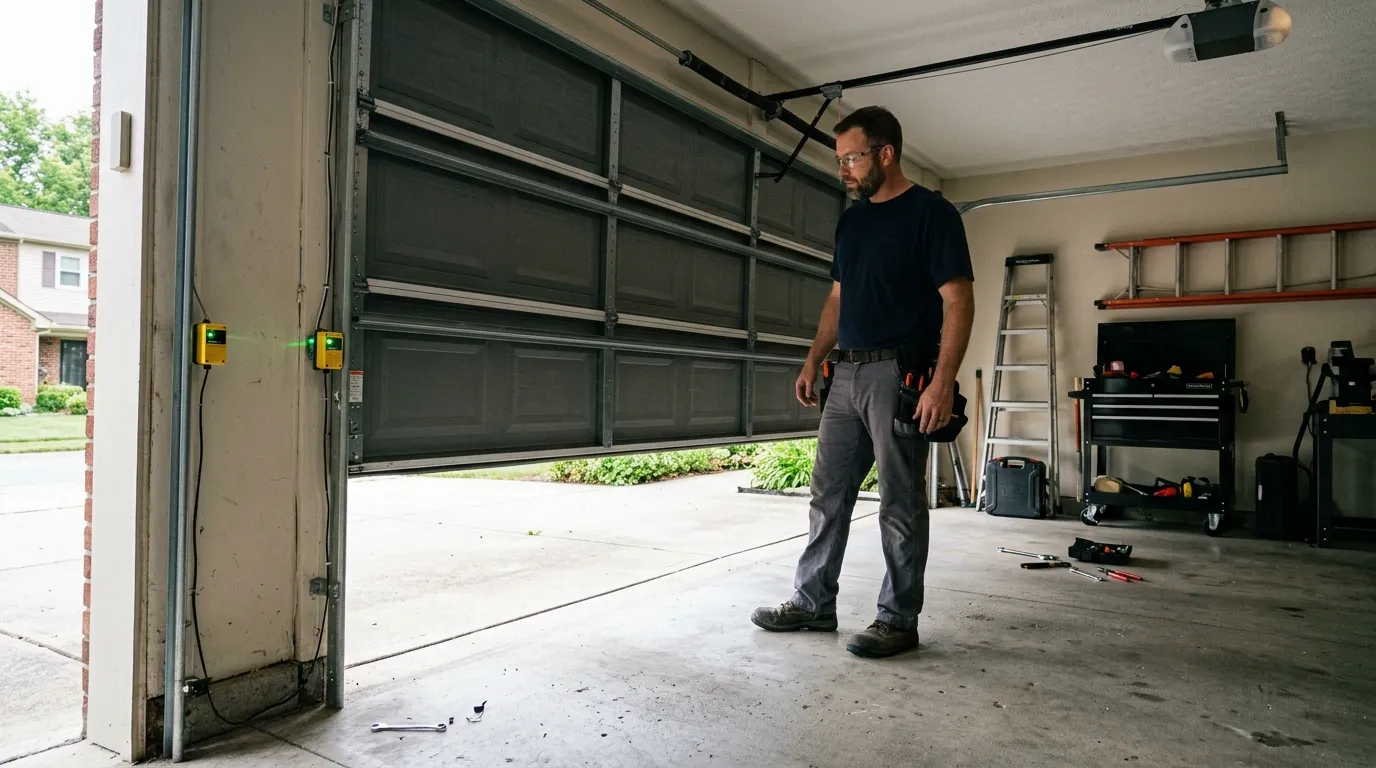
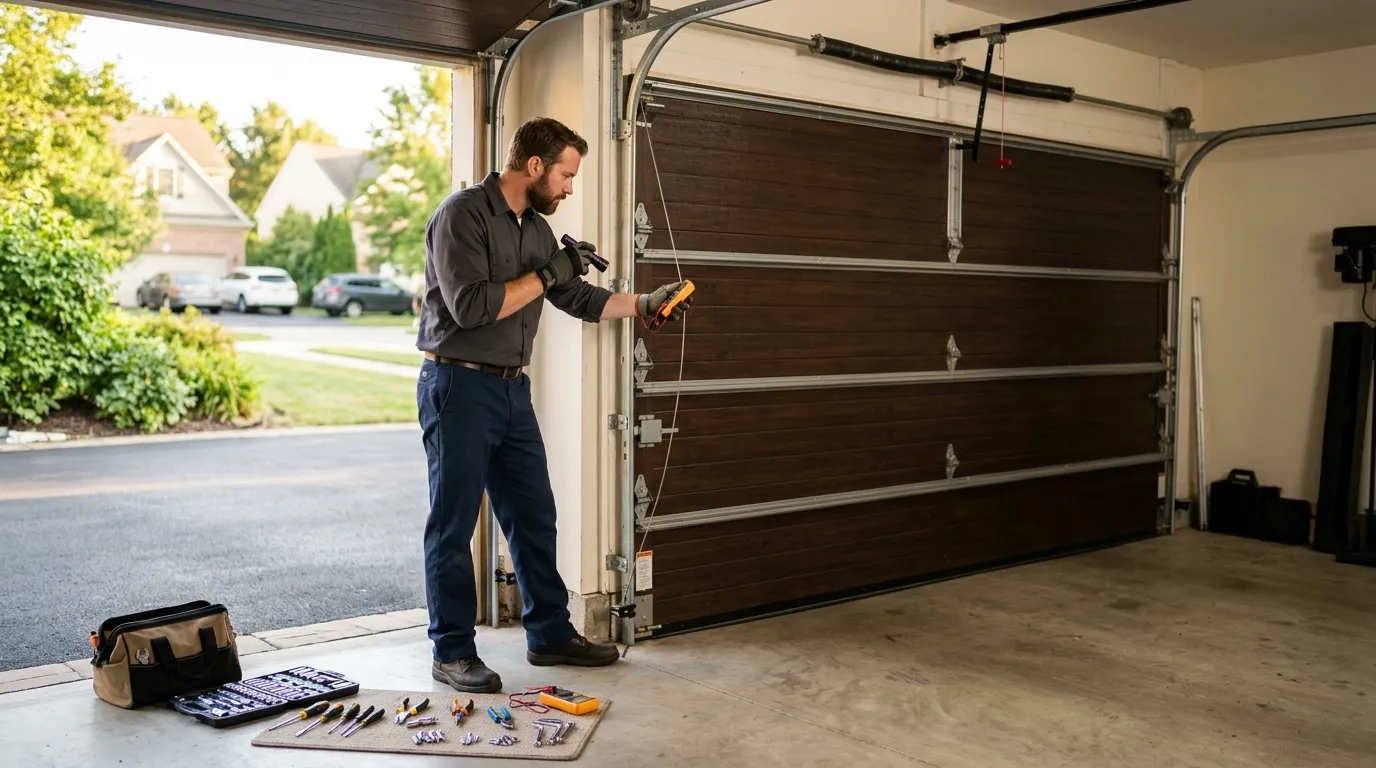
The opener light blinks and the motor hums but the door doesn't move - that's usually a stripped gear or a disconnected carriage, not the motor itself. The door reverses partway up or down for no reason - check the sensors first, but on older builder units it's often a failing logic board misreading the safety circuit. Opener runs but is noticeably louder or slower than it used to be - that's a gear or bearing wearing out, and it tends to get worse fast once it starts.
A dead opener with no light and no sound at all points at power: a tripped breaker, a bad capacitor, or occasionally a board that's simply given out. None of these are damage-your-door emergencies the way a snapped spring is, but a door that won't close because the opener won't cycle is still a house you can't secure, which changes how fast it's worth acting.
Across the newer housing stock in this service area - mostly 2000s construction - the same handful of failure modes show up again and again, because the same generation of builder-grade openers went into a huge number of these houses at roughly the same time.
Why It Happens Here
Prosper's housing didn't get built in waves spread across a century - it went up fast, mostly between 1985 and 2015 with the median right around 2004, and that means the openers installed with those houses are aging out in a tight window rather than staggered over decades. When one opener fails, it's a decent bet the neighbor's unit, installed the same year by the same builder, isn't far behind.
Climate plays a real role too. This area sits in a cold-moderate band, which means real winter cold snaps and real summer heat, not a mild in-between. Openers cycle a garage door that's sealed tight in summer heat and stiff with cold grease in winter, and that swing puts more strain on gears, capacitors, and drive belts than a climate with less range would. Add in that a large share of the roughly 44,072 households in this service area are owner-occupied houses - 34,952 of them - built in that same tight construction window, and you get a service area where opener failure isn't random. It clusters by build year and by how many winters the unit has already been through.