The Cost of This Job
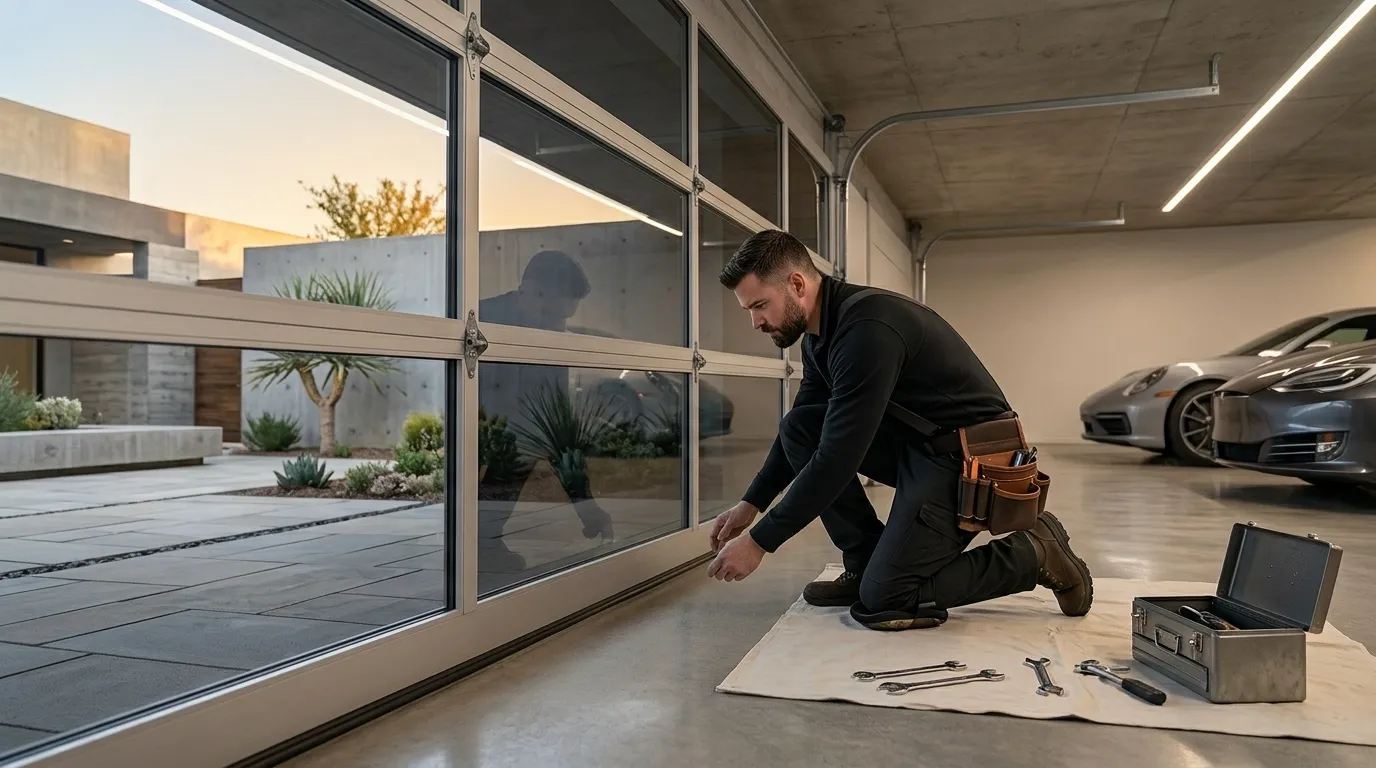
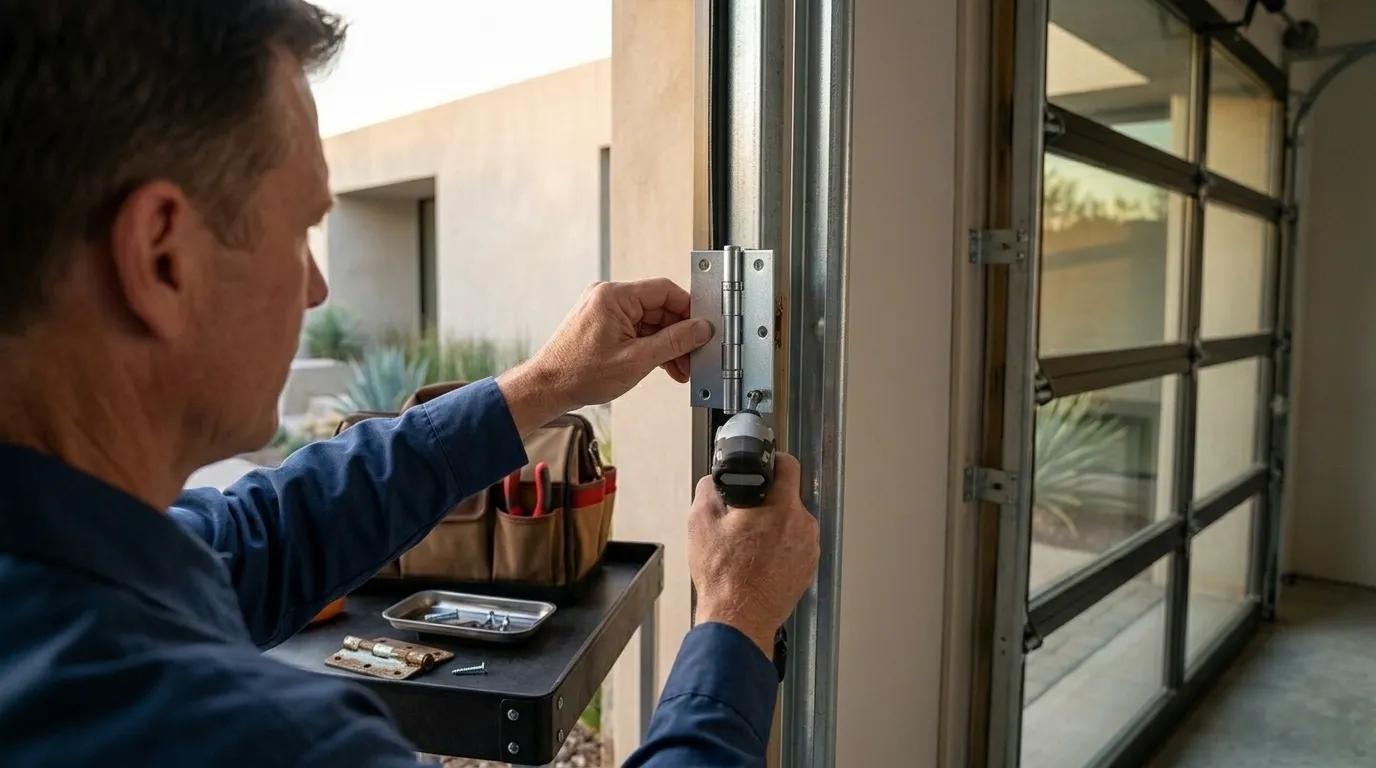
We're not going to hand you a number here, because a spring job isn't one job. A single-car door with one extension spring is a different repair than a double-wide door running two torsion springs on a shared shaft, and the wire gauge that matches your door's weight has to be right or the new spring wears out fast. What drives the bill is spring type (torsion vs. extension), how many springs the door needs, the size of the door, and whether the drums, cables, or bearings went with it when the spring let go - which happens more than owners expect. If you want an actual figure, that's a call and a look at the door, not a guess typed into a search bar. What we can tell you: replacing both springs on a torsion setup, even when only one broke, is usually the right call rather than the cheap one, because springs installed in the same batch wear out close together. A mismatched pair puts uneven strain on the opener and the second spring anyway. Ask for a breakdown that separates spring cost from labor and any hardware that needs replacing - a shop that won't itemize that is one to be careful with.'
What You Are Seeing
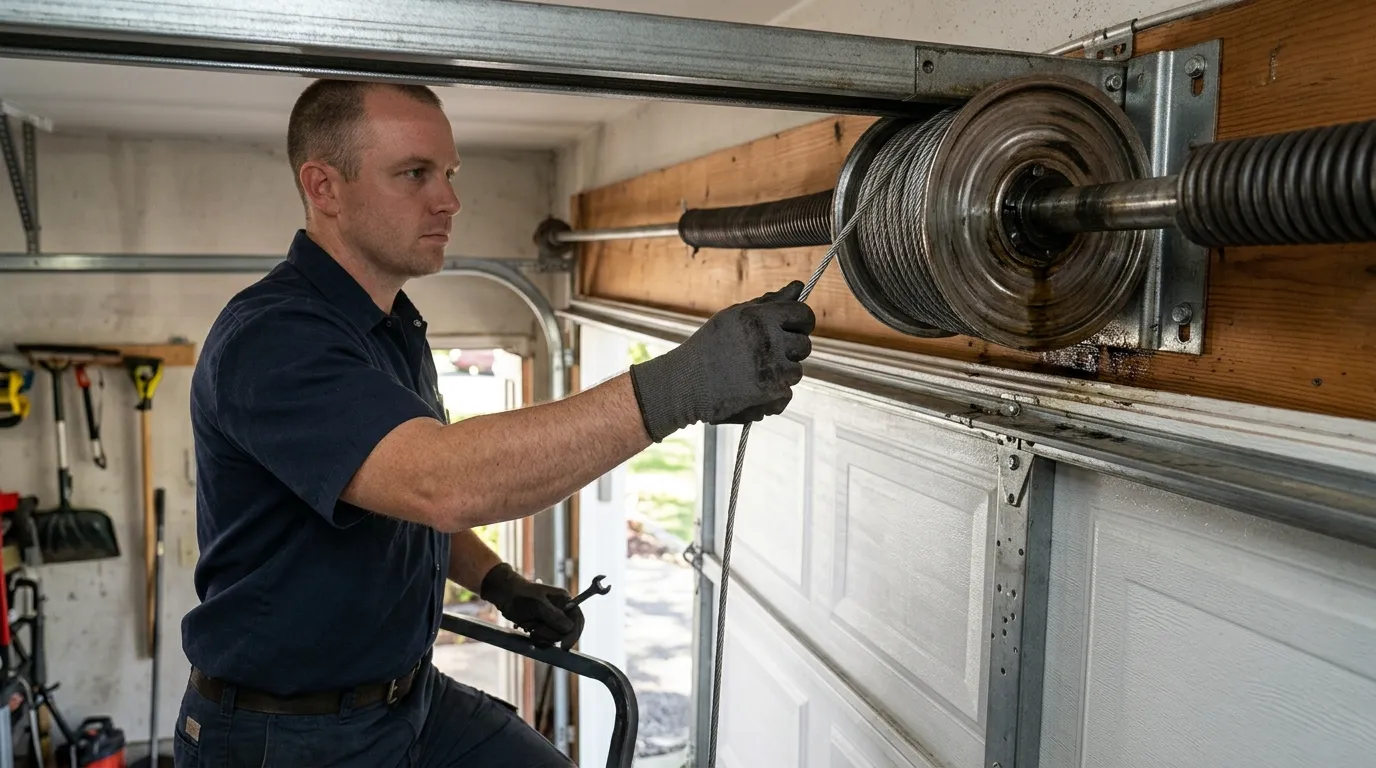
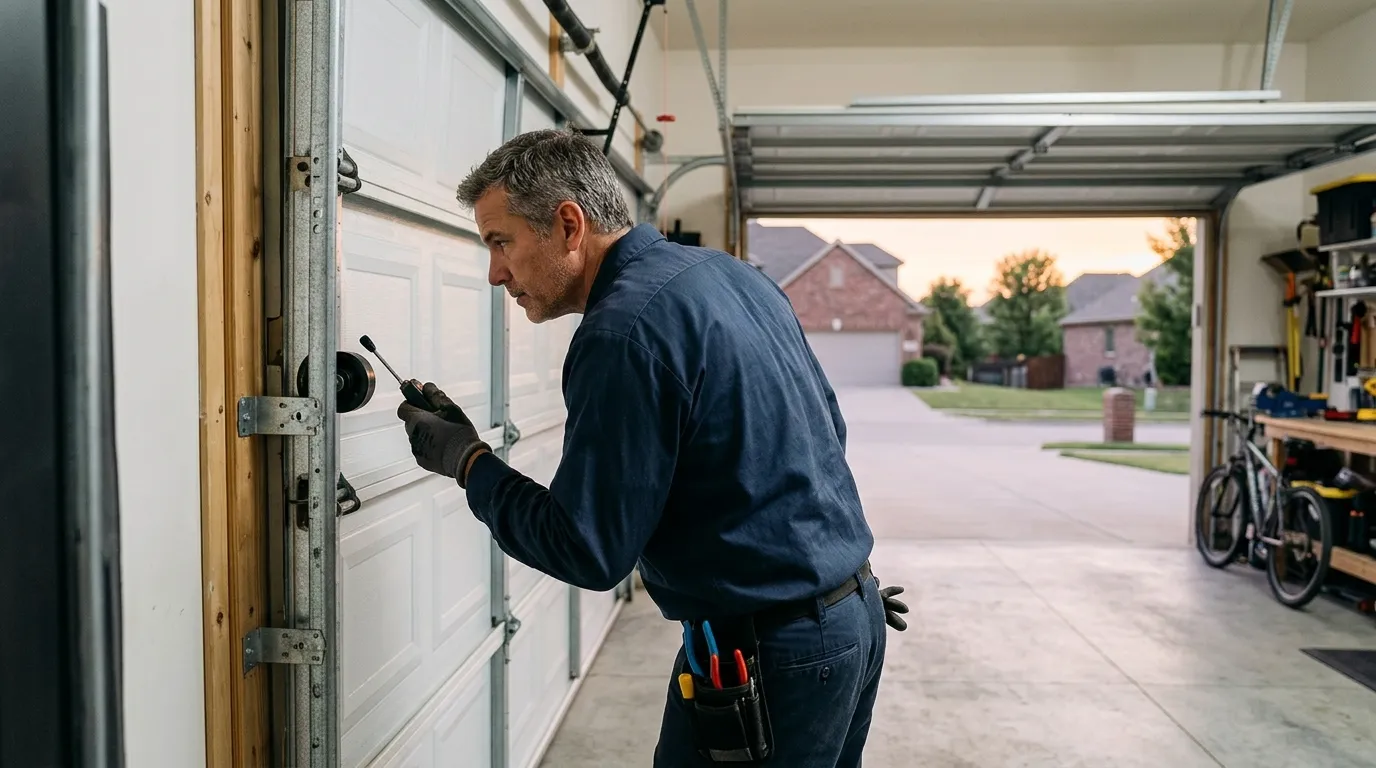
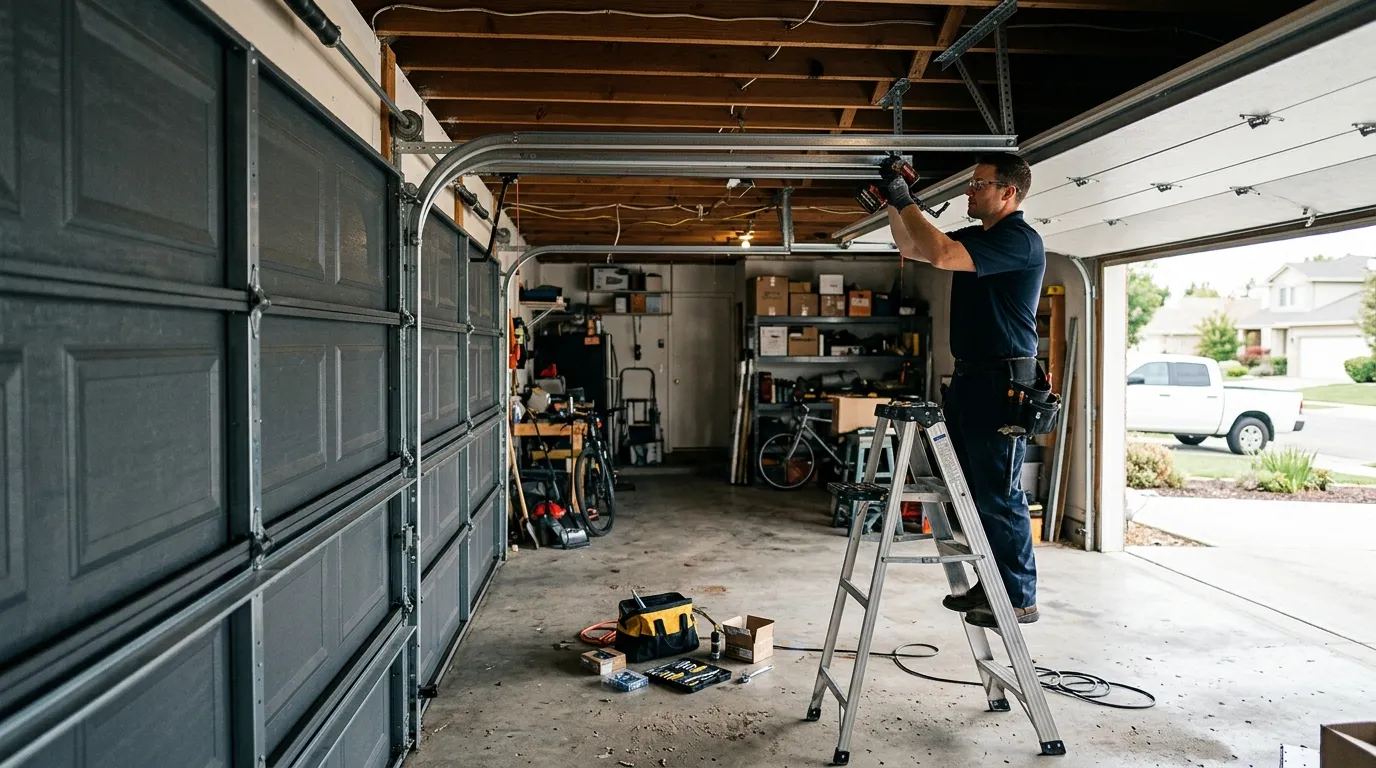
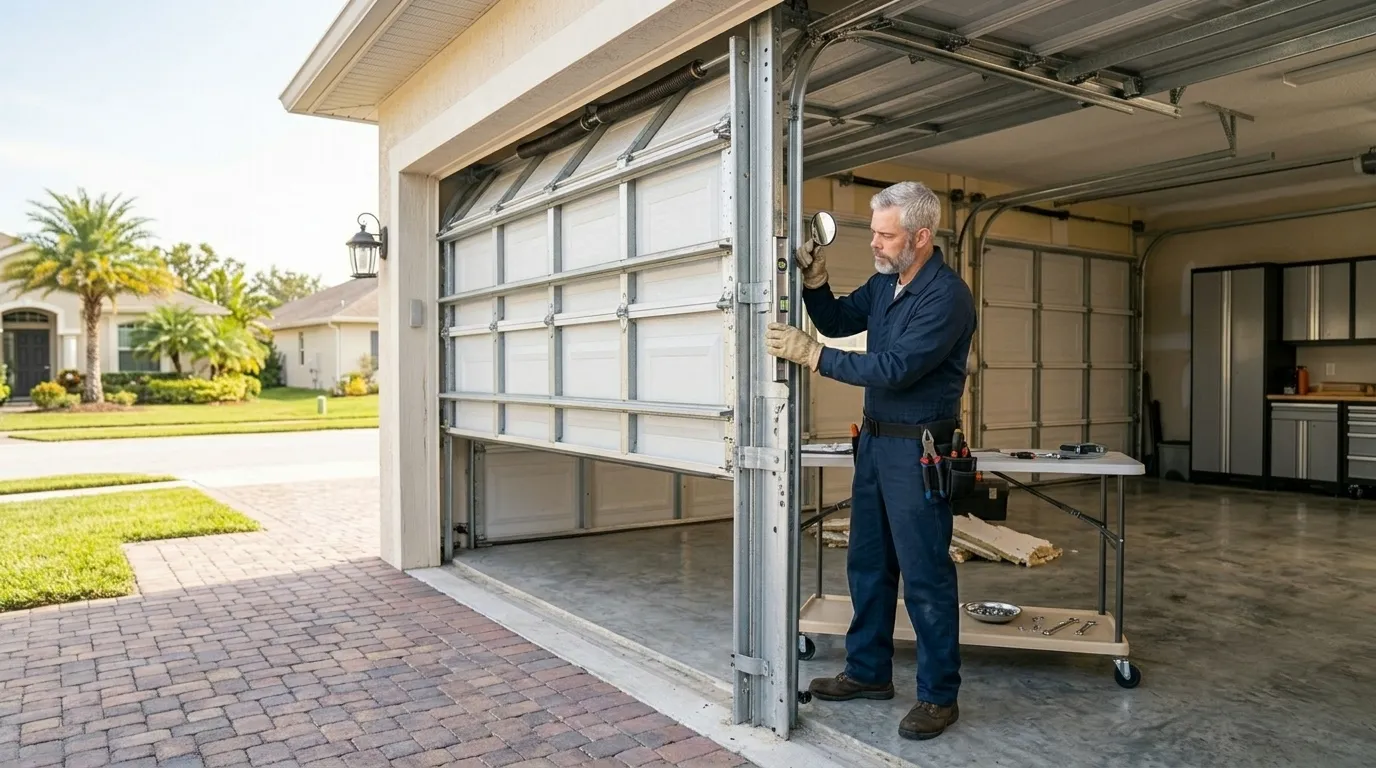
A torsion spring that's broken usually announces itself with a loud bang from the garage, often mistaken for something falling off a shelf, followed by a door that won't lift or that an opener strains against without moving. Look up at the spring above the door - a clean gap in the coil means it's done. Extension springs (the ones running along the horizontal tracks on either side) tend to fail quieter, stretching out or snapping a coil, and the door might still move but feel heavy or lopsided, dropping unevenly on one side. Other signs point the same direction: the door reverses right after you hit the button, it takes noticeably more effort to lift by hand, or the opener's motor sounds like it's working harder than it used to for the same door. None of these mean the opener itself is bad - a strained motor is often just doing a spring's job on top of its own. If the door slams down instead of lowering evenly, stop using it. That's a spring or cable failure, and a door coming down uncontrolled can damage the panel, the track, or whatever's underneath it.
Why It Happens Here
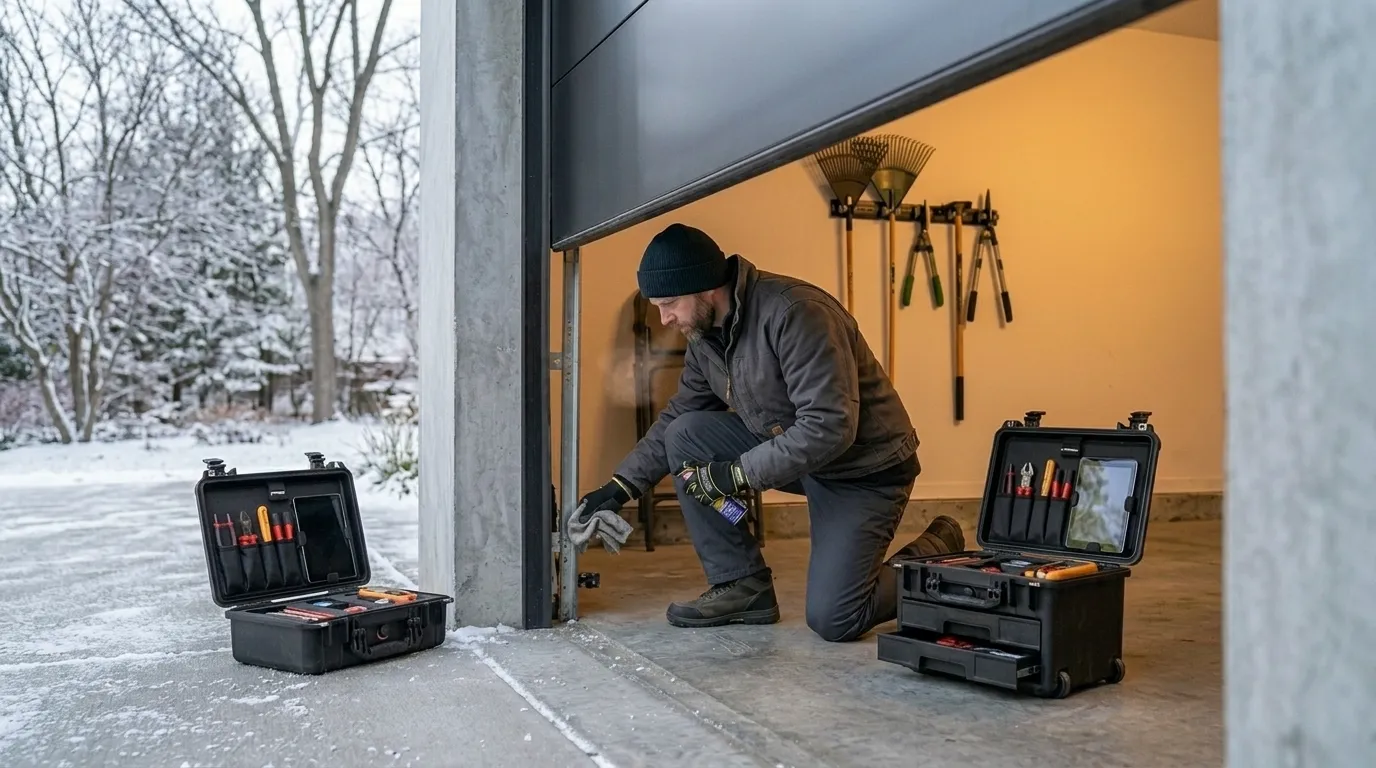
Housing across this service area mostly went up between 1985 and 2015, with the median build year around 2004 - which means a lot of original springs, factory-installed when these subdivisions were framed, are now old enough to be at or past the end of their working life at roughly the same time. Springs don't fail on a calendar; they fail on cycle count and metal fatigue, and a neighborhood built in a tight window tends to see its springs go in a similar window too. Winter matters more than most owners think. This area sits in a cold-moderate climate band, and steel contracts and stiffens in cold weather - a spring already near the end of its cycle life is far more likely to snap on a cold morning than a mild afternoon, right when you're leaning on it hardest to lift a heavy door before work. With a median household income of $110,357 across the roughly 34,952 owner-occupied houses in this service area, most owners we talk to choose to replace both springs on a torsion system rather than patch one side, since a matched pair holds balance and lasts closer to the same length of time.