Parts We Carry
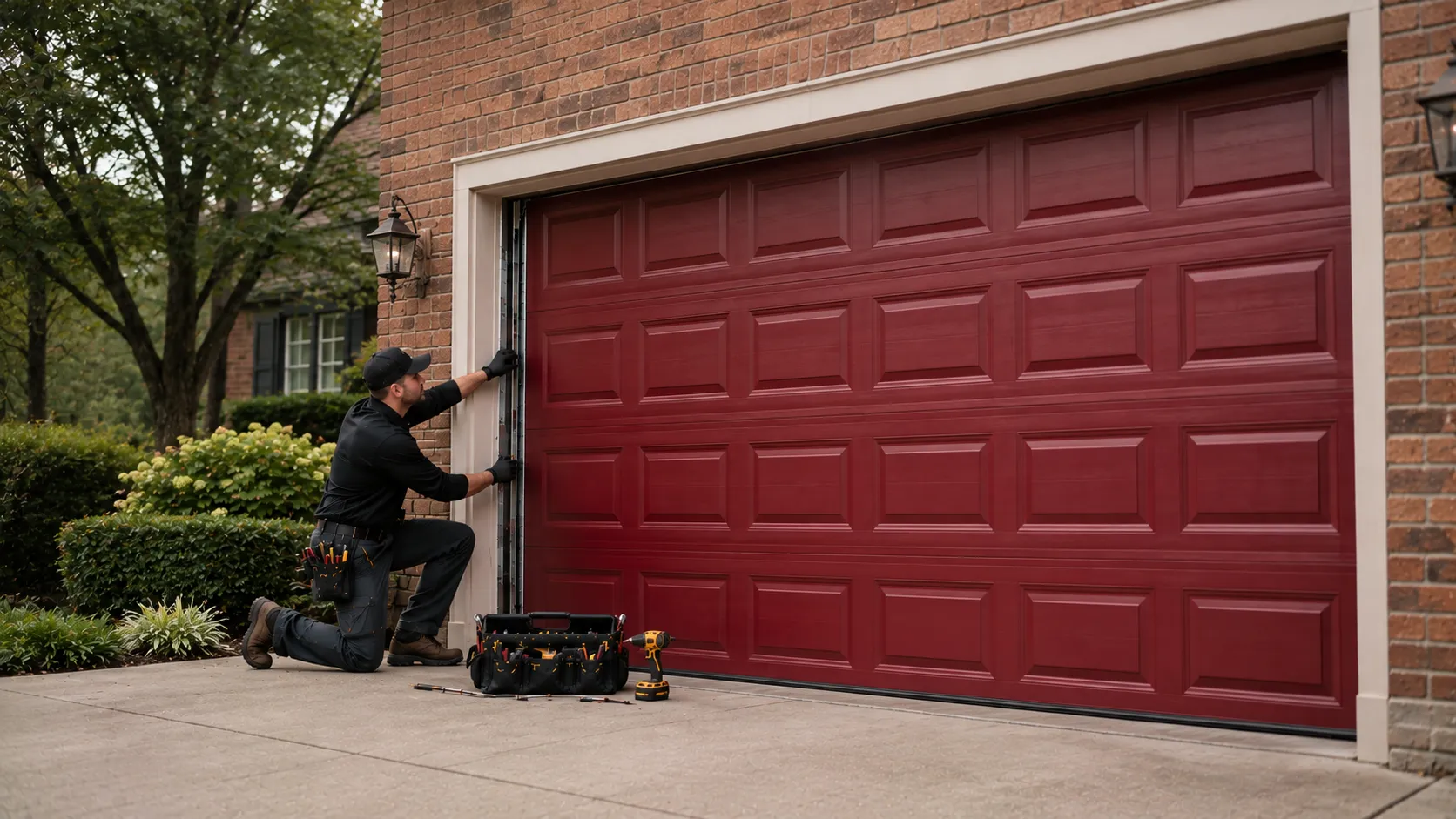
Parker's housing stock centers on a 2005 median build year, and that's the era that decides what's failing under your ceiling right now. Builder-grade chain-drive openers from the mid-2000s used a plastic drive gear and sprocket that were never meant to outlast the house. We carry replacement gear kits sized for those units, along with logic boards, capacitors, and safety-sensor pairs that match the photo-eye systems installed after the federal entrapment rule took hold.
We also stock belt-drive replacement openers for homeowners who are done babysitting a chain-drive unit that's stripped its gear twice already. Remotes and keypads get swapped out too - the rolling-code boards in a lot of these builder openers are long out of production, so once the logic board goes, a full opener swap is usually the honest call rather than hunting down a discontinued part.
We travel out from Prosper for these calls, about 16 miles each way, so we load the truck with the parts that match Parker's build era before we head out rather than guessing on-site.
How We Fix It
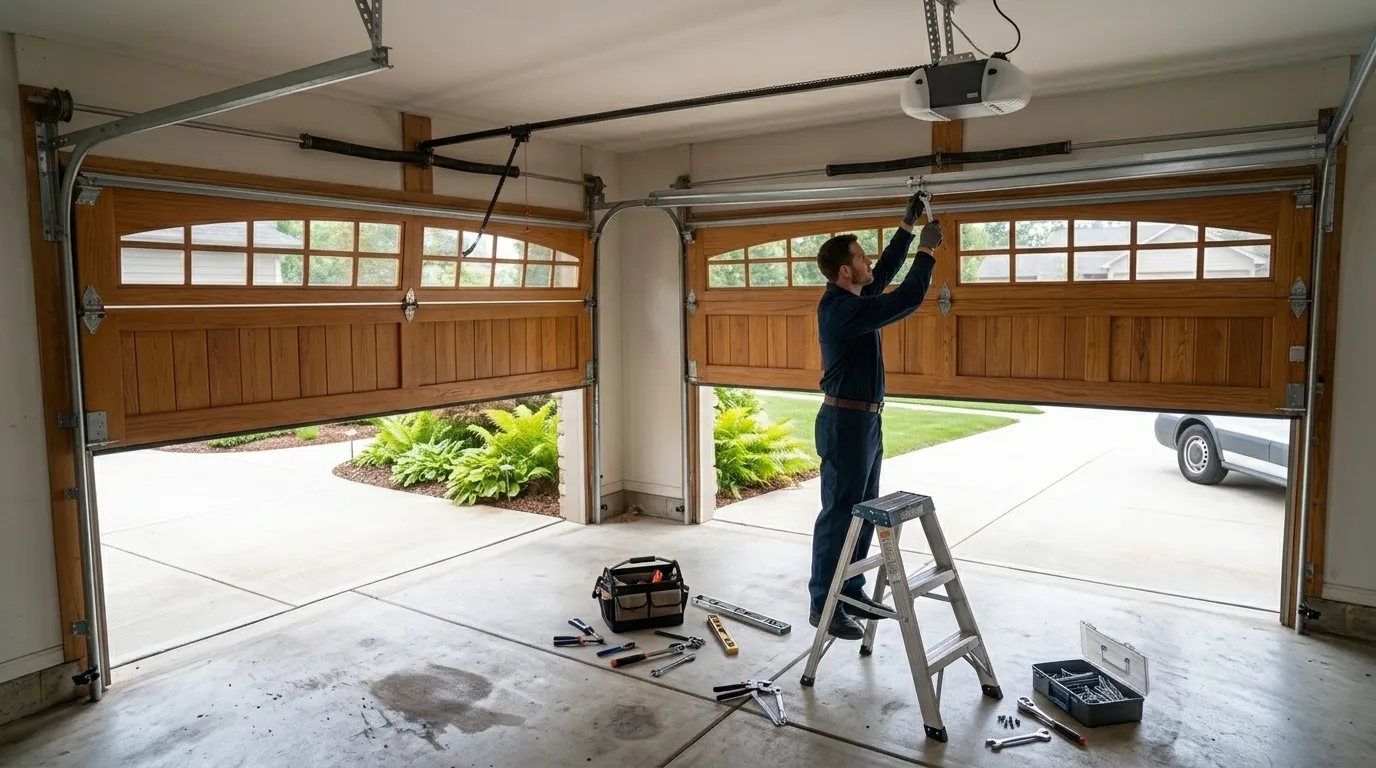
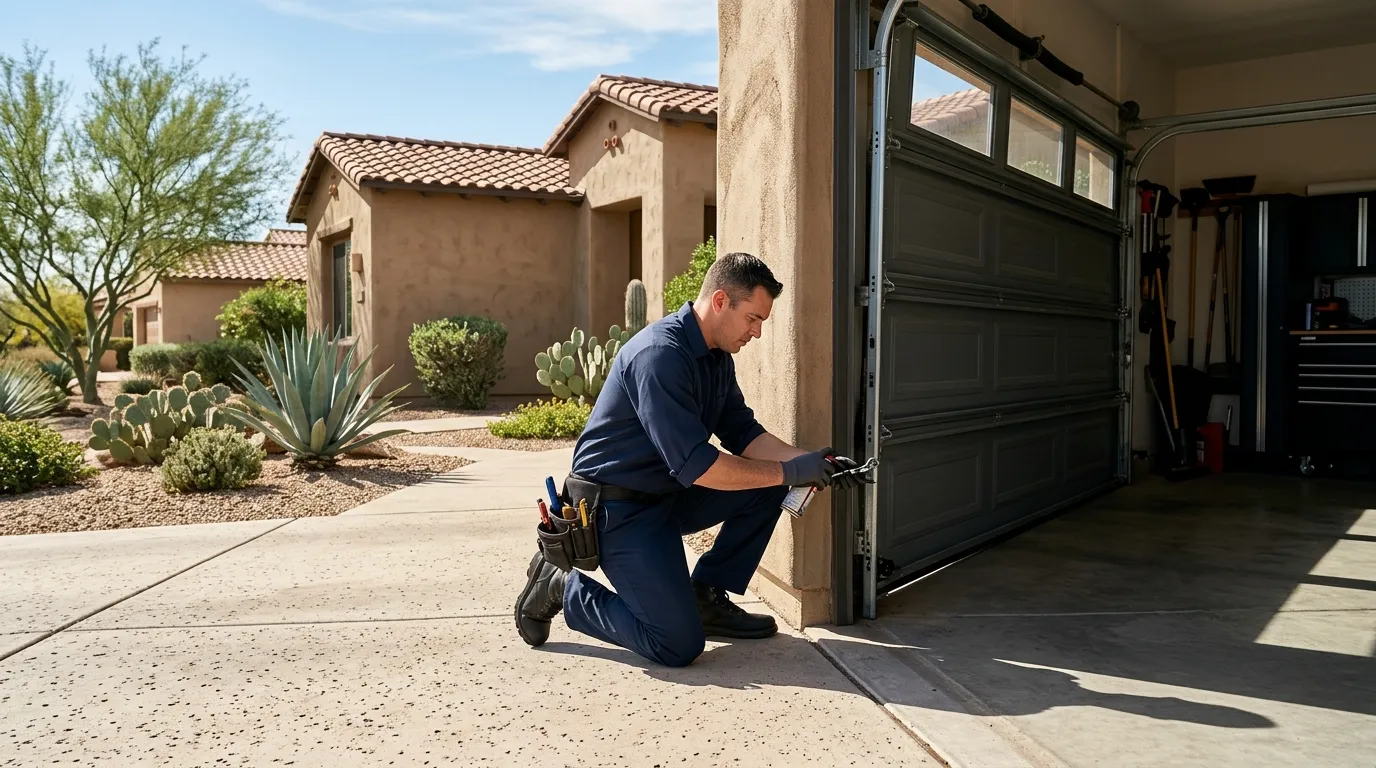
We start by running the opener through its full cycle and listening - a stripped gear sounds different from a failing capacitor, and a misaligned sensor throws a specific blink code on most units from the 2000s era. If it's the gear and sprocket, that's usually a straight swap and the opener runs like new. If the logic board has failed, we check first whether a replacement board still exists for that model before quoting the repair; a lot of builder-grade units from 2005 have boards that are no longer made.
Here's the limitation we're upfront about: when the board's gone and the model's obsolete, we won't spend your money hunting a part that doesn't exist. We'll tell you straight that a new opener costs less than the chase, and we'll install one that matches your existing rail and door weight.
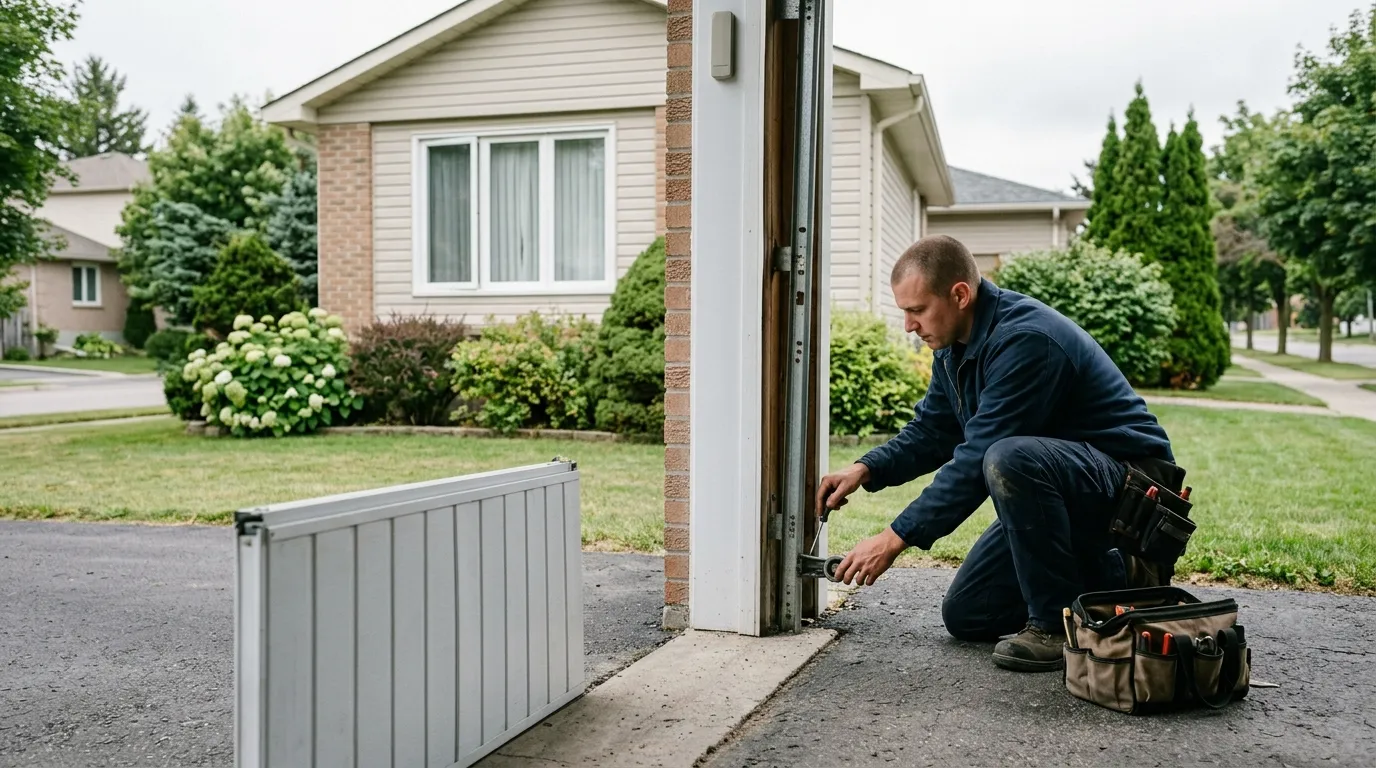
Safety sensors get realigned and tested under load, not just eyeballed - a sensor that looks straight can still be a half-inch off after years of slab settling, and that's enough to make the door refuse to close.
Time on the Job
Most opener calls in Parker run on the same pattern: diagnose first, because guessing at a fix on a 2005-era unit wastes your money if the real problem is a $40 sensor and not a $300 board. A gear-and-sprocket swap on a chain-drive opener is a same-visit repair once we've confirmed the part fits. A full board replacement can go either way - some boards are still stocked, some aren't, and we won't know for certain until we've got the cover off and the model number in hand.
Full opener replacement takes longer than a part swap, mostly because we're also checking the travel limits, force settings, and sensor alignment on the new unit rather than just bolting it to the rail and calling it done. With 1,553 households in Parker and a housing stock this concentrated in one era, we're seeing the same handful of opener models repeatedly - which means less guesswork on parts, but not a shortcut on doing the setup right.