Parts We Carry
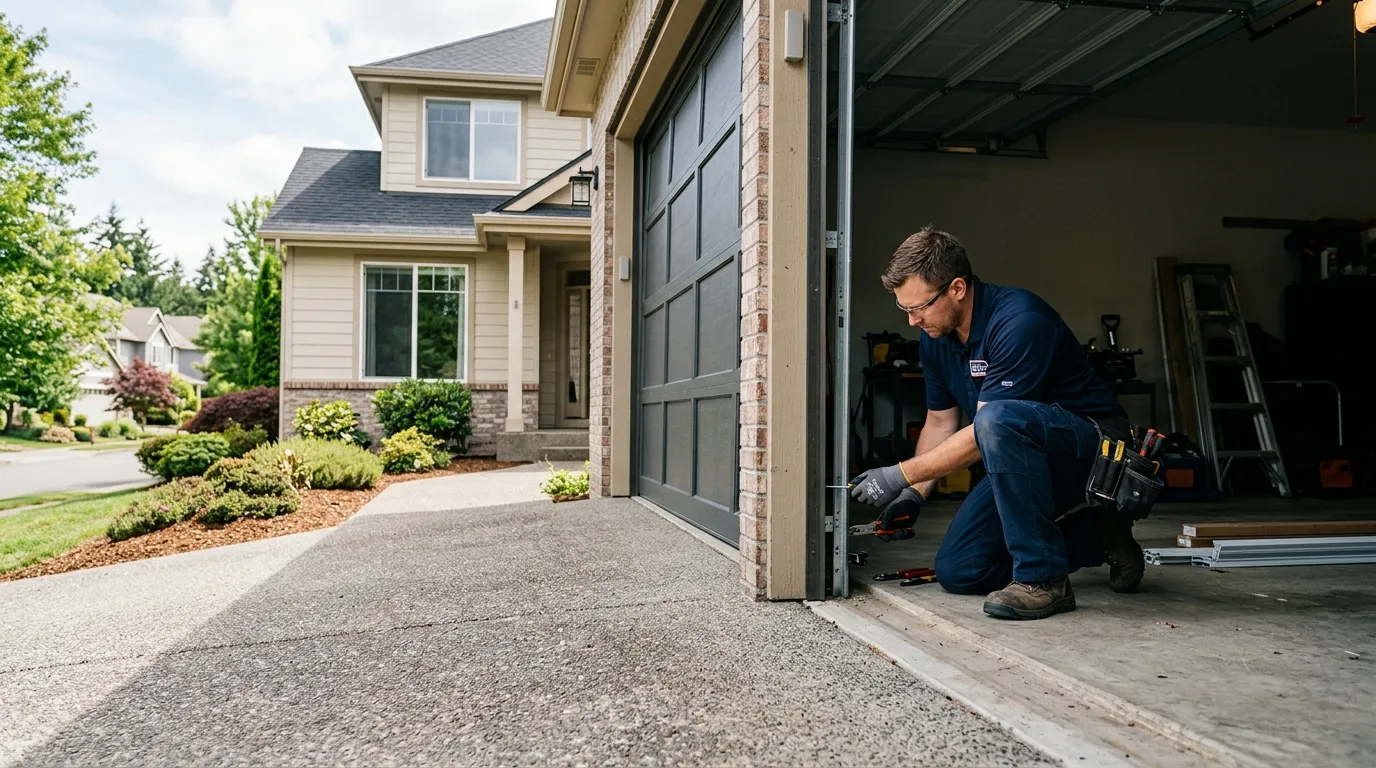
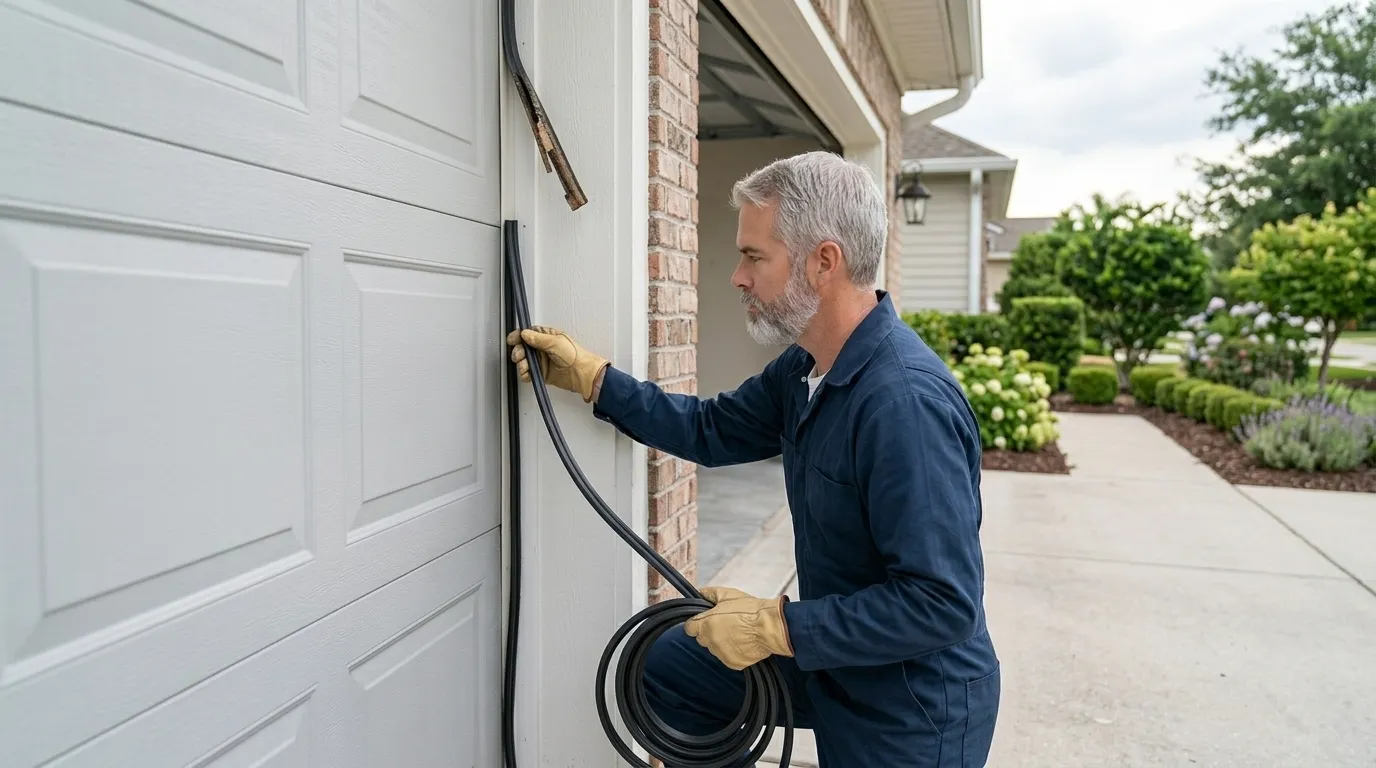
Lucas sits about 16 miles out from our shop in Prosper, which shapes what goes on the truck before we ever pull out of the lot. We're not guessing what's behind your door. Most houses in Lucas went up around 2002, which puts the openers and torsion hardware into the second wave of production-grade parts, not the first. That means standard torsion springs sized for steel sectional doors, chain and belt drive openers from the early 2000s production runs, and galvanized track that's held up fine but is due for roller wear by now.
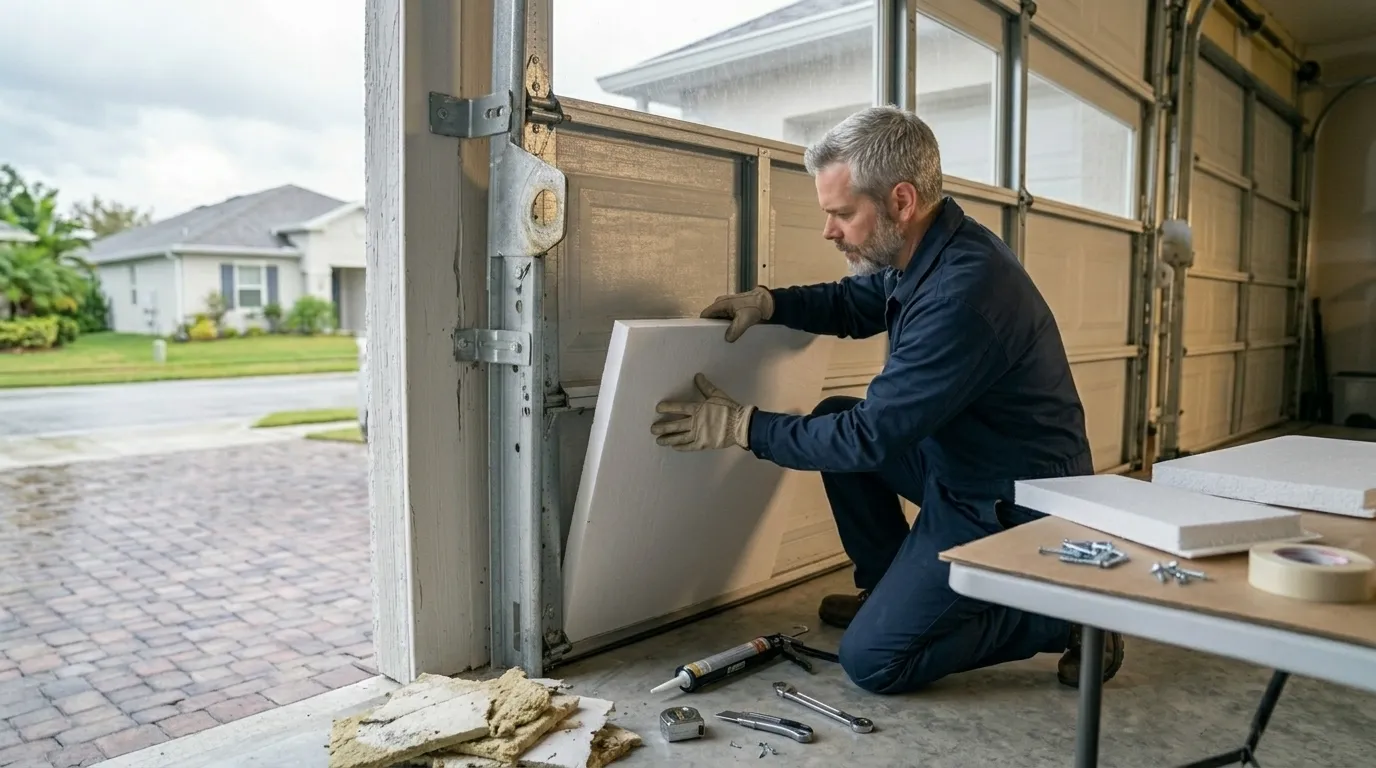
We carry the common torsion spring sizes that match this era of build, plus the standard photo-eye safety sensors and drive gears that fail on openers this age. What we don't stock on the truck is anything for a door older than the mid-1980s or newer than about 2015 - if your house is an outlier for this area, we may need to order a part, and we'll tell you that up front on the call rather than after we've opened the panel.
Since there's no branch location in Lucas itself, every part that goes into your garage came from Prosper on the same truck as the technician.
Time on the Job
We won't quote you a response time for Lucas - we cover it from Prosper, not from a depot down the street, and any number we gave you would be a guess dressed up as a fact. What we can tell you is what happens once the truck arrives: most single-spring jobs on a 2000s-built door run under an hour, a full spring set with new cables runs longer, and anything involving a bent track or a damaged panel takes as long as it takes to do right.
The climate here is the cold-moderate band typical of this part of Texas - not the brutal freeze-thaw cycle you'd see further north, but cold enough on winter mornings that torsion springs under tension lose a little flexibility and are more likely to snap on the first cold pull of the day than in July. That's a real pattern we see across the area, not a Lucas quirk specifically, but it's why winter mornings bring more of these calls than August afternoons do.
We'd rather tell you the honest range than a number that sounds good on a website and falls apart on the actual call.
What You Are Seeing
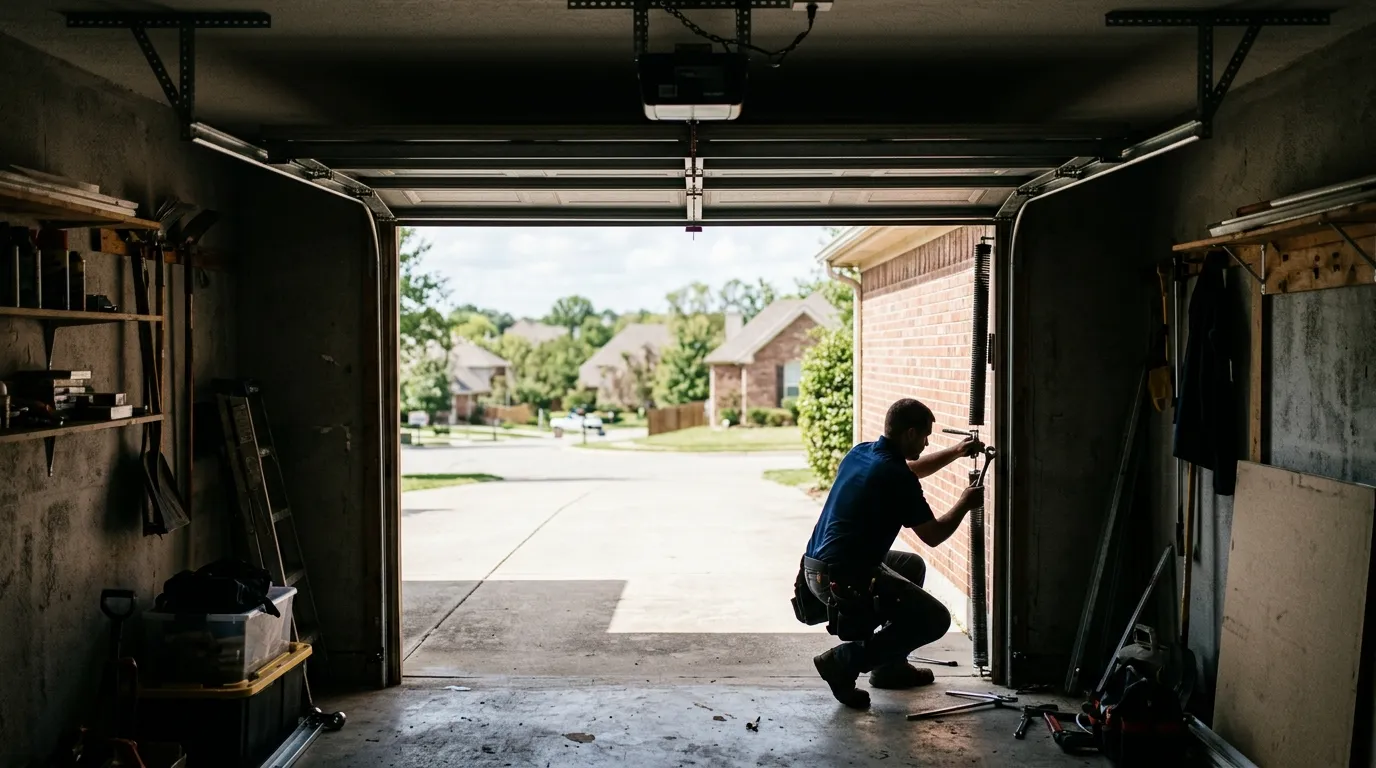
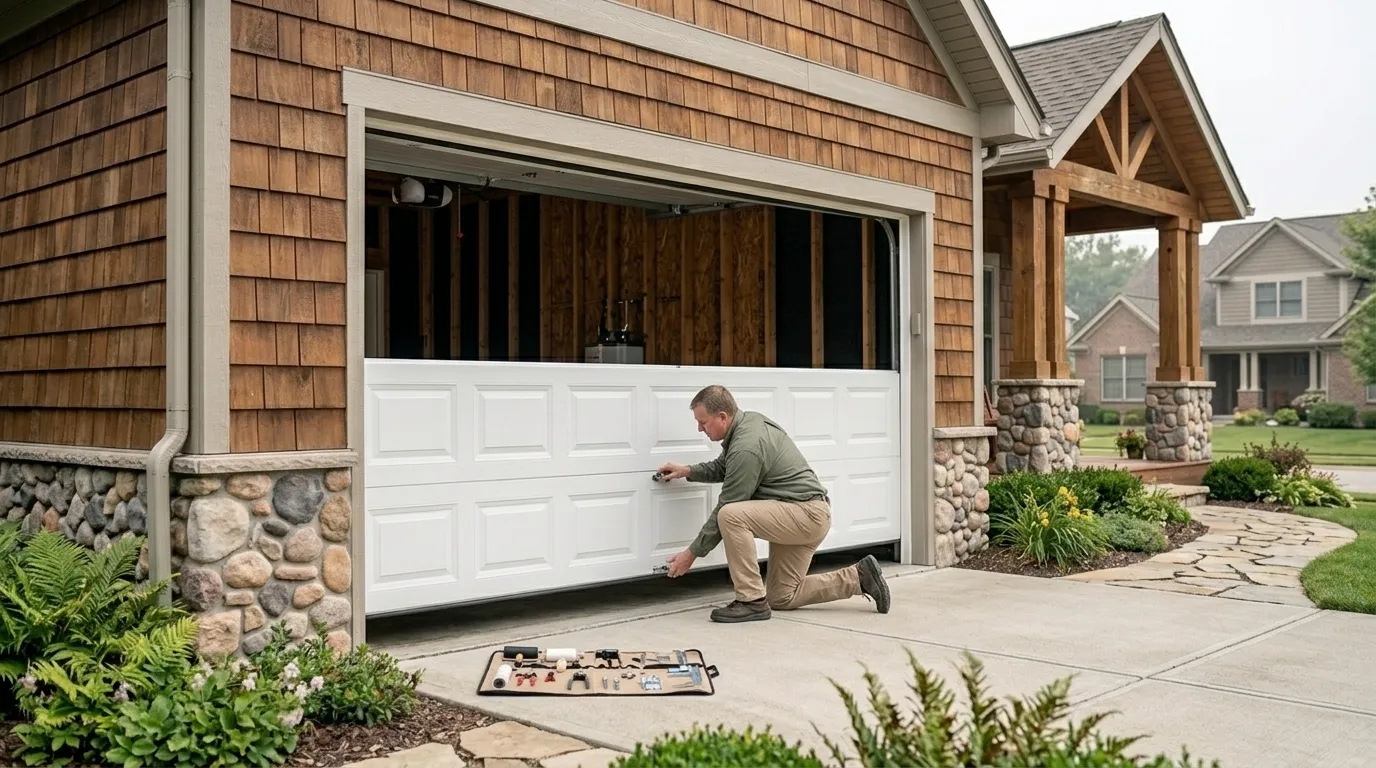
If your garage door won't move and the opener motor is running, that's almost always a broken torsion spring - the spring does the lifting, the opener just controls it, and once the spring's gone the motor can't compensate. Houses in this area built around the early 2000s standard used torsion setups almost exclusively, so this is the most common call we get out of Lucas.
If the door moves but shudders, drags, or comes off track partway, look at the rollers before you assume it's the opener. Nylon rollers on a door this age have usually done fifteen-plus years of cycles and are due to wear out regardless of how well the door was maintained.
A door that opens fine but won't close, or reverses right before it touches the floor, is usually a sensor alignment issue - the photo-eye sensors near the bottom of the track have gotten bumped, dirty, or slightly knocked out of line. That one's often a five-minute fix once someone's looking at it, but it's hard to diagnose over the phone, which is part of why we send a truck instead of talking you through it blind.