Parts We Carry
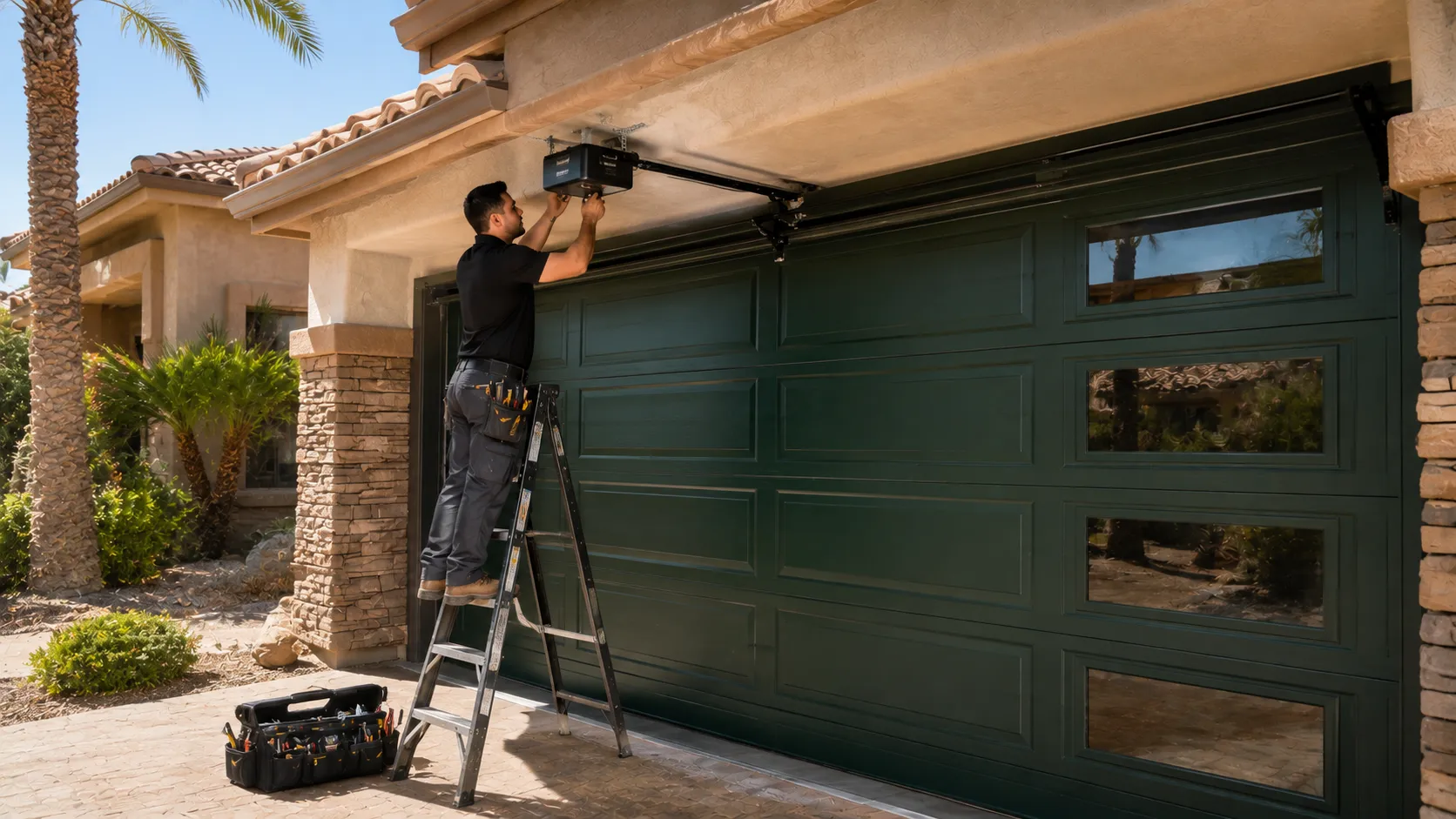
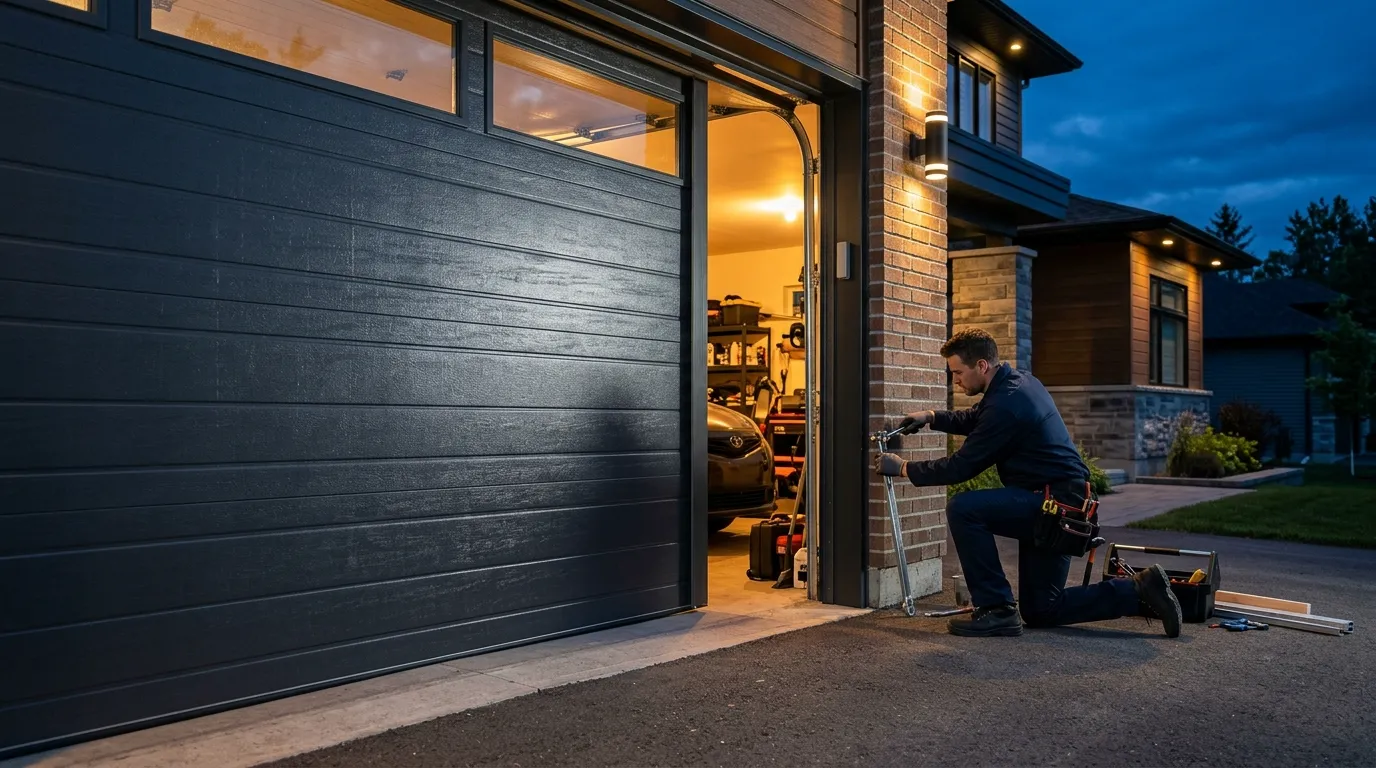
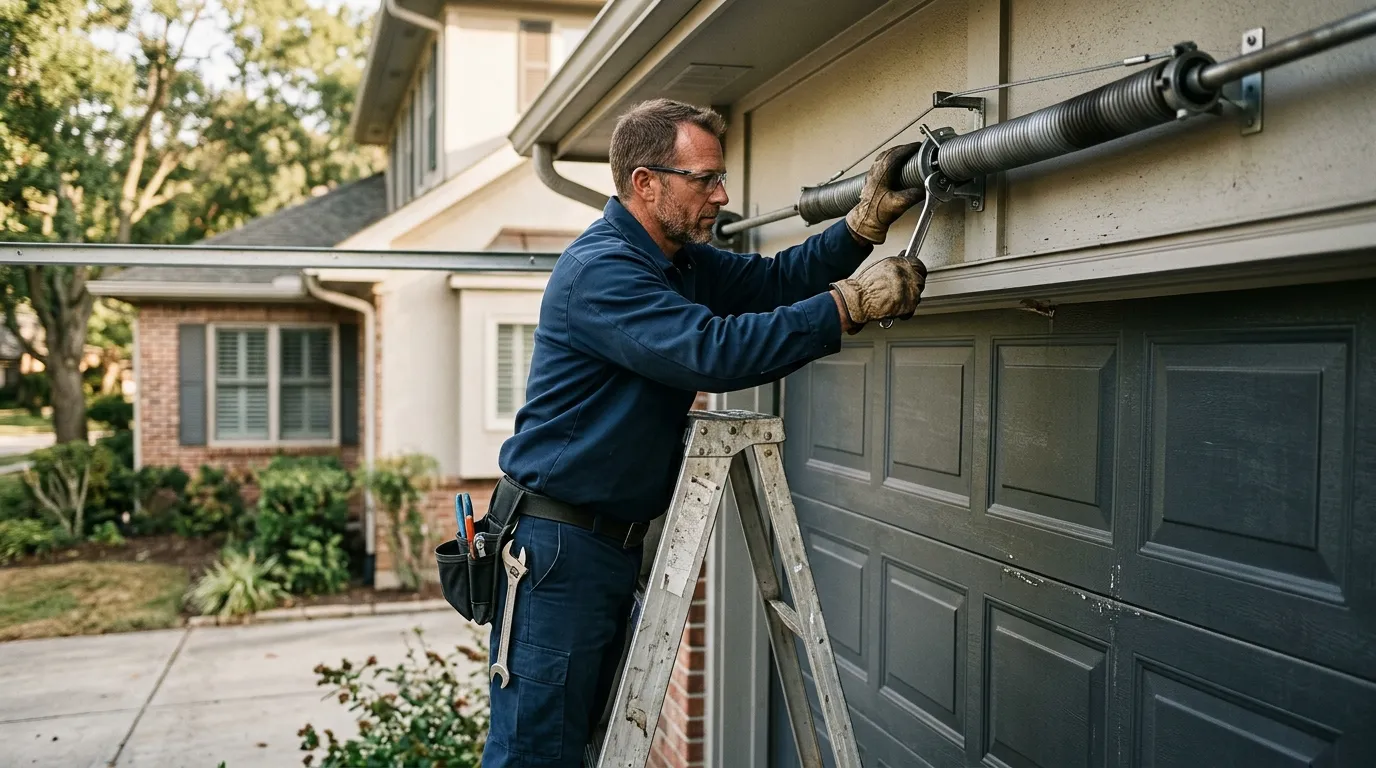
Median household income in Lucas sits at $178,403, and that number matters more than most homeowners think when a panel gets dented or a section cracks. At that income level, a full-door replacement isn't the financial stretch it is in a lot of the towns we cover from Prosper - so when a repair would cost nearly as much as swapping the section, we say so plainly instead of talking you into a patch job. Most Lucas houses went up around 2002, which puts them squarely in the steel roller-door era: factory-primed steel skins over a polystyrene or polyurethane core, usually 24 or 25-gauge, mounted on standard-lift torsion hardware. We stock replacement sections and end caps sized for that generation of door, along with the hinges and rollers that generation typically shipped with. What we don't carry on the truck is anything custom - carriage-style wood overlays or oversized commercial sections need to be special-ordered, and we'll tell you that up front rather than let you wait on a part that isn't coming. For a straight steel-panel swap on a 2000s door, though, the odds are good we're carrying exactly what your door needs before we ever pull up.
Time on the Job
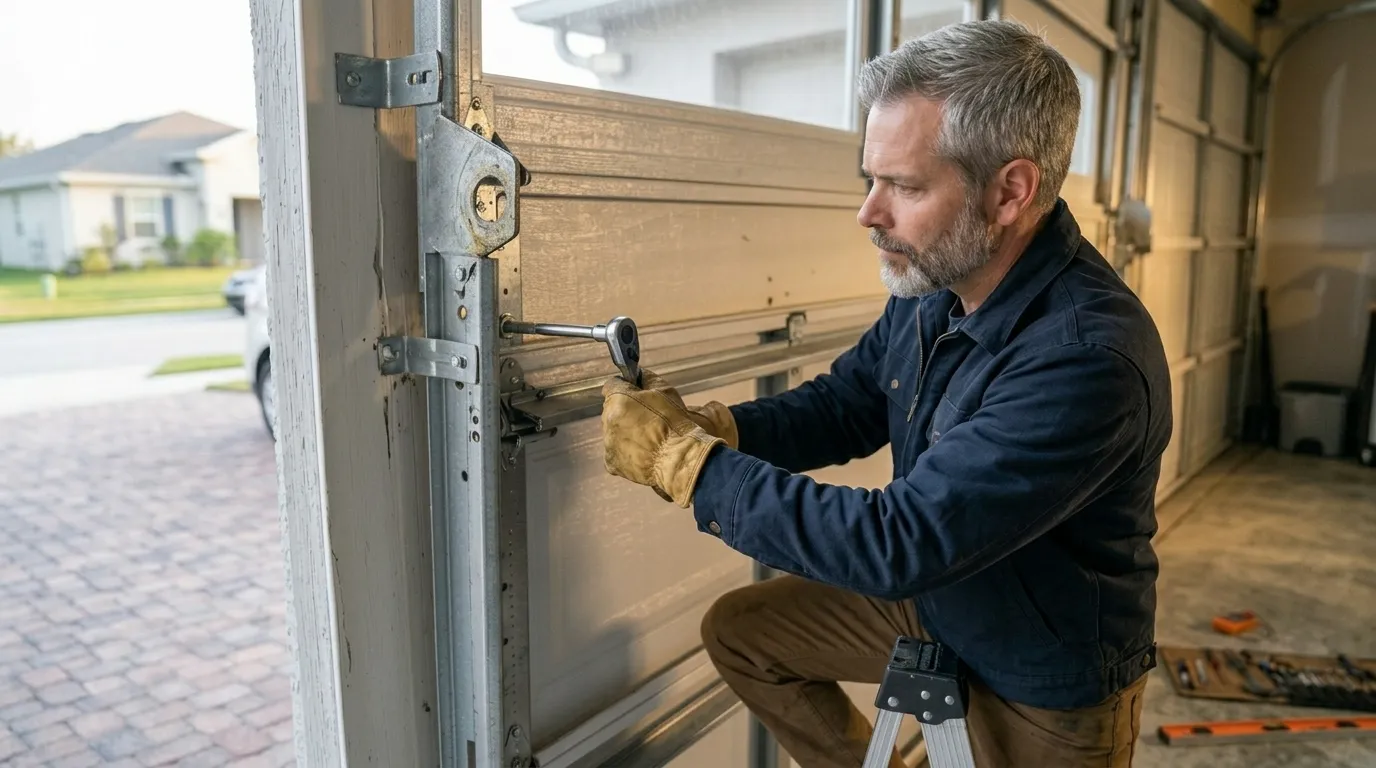
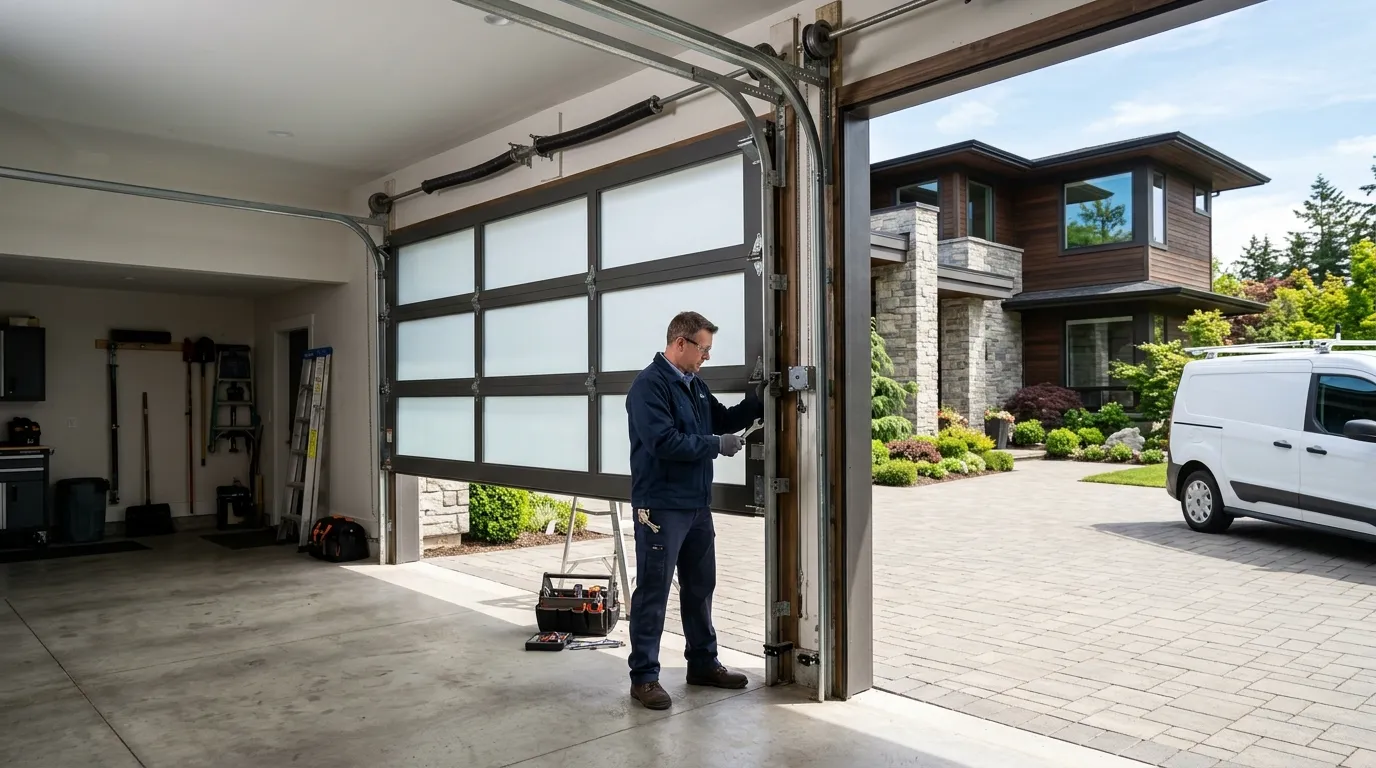
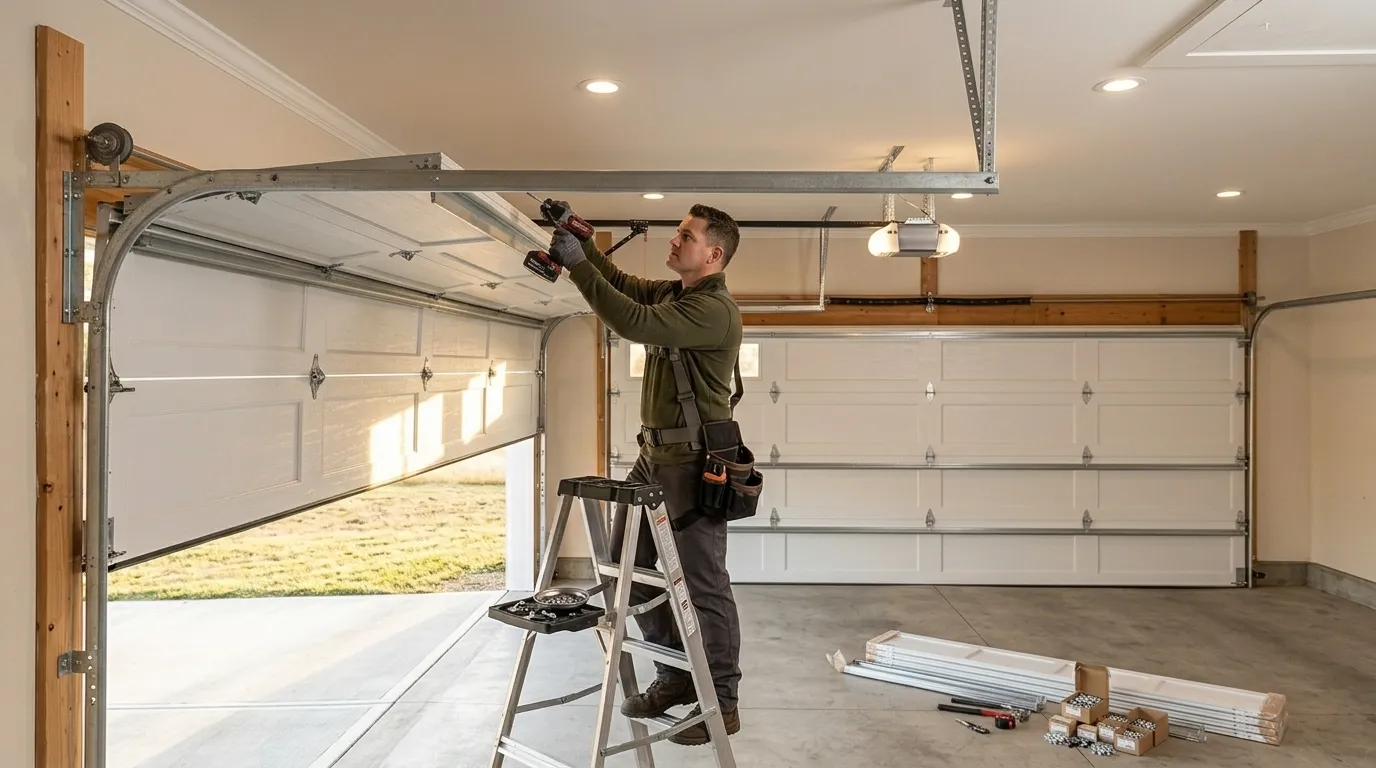
We're not based in Lucas - we cover it from Prosper, about 16 miles out. That drive is part of the job, and it means panel replacement here isn't a same-hour walk-in; it's a scheduled visit, and if the section needs to be special-ordered because it's not a standard 2000s profile, that adds lead time on top of the drive. Once we're on site with the right part in hand, a single-section replacement on a residential door usually runs under two hours, including spring de-tensioning and re-tensioning and a final balance check. Double doors or jobs where more than one section took damage run longer, since each additional section means another set of hinges to pull and reset. We'd rather quote you honestly on timing before we load the truck than have you standing in the driveway wondering why a two-hour job turned into an afternoon.
What You Are Seeing
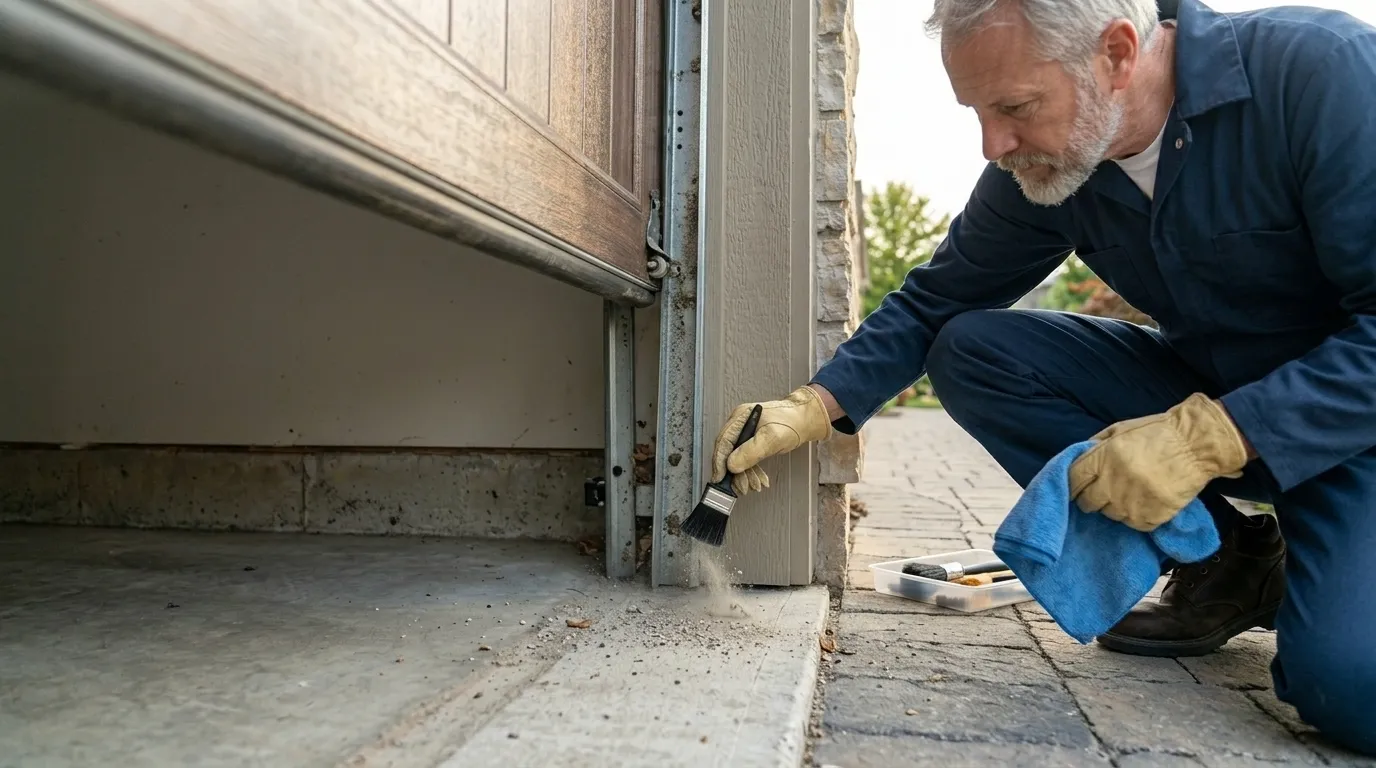
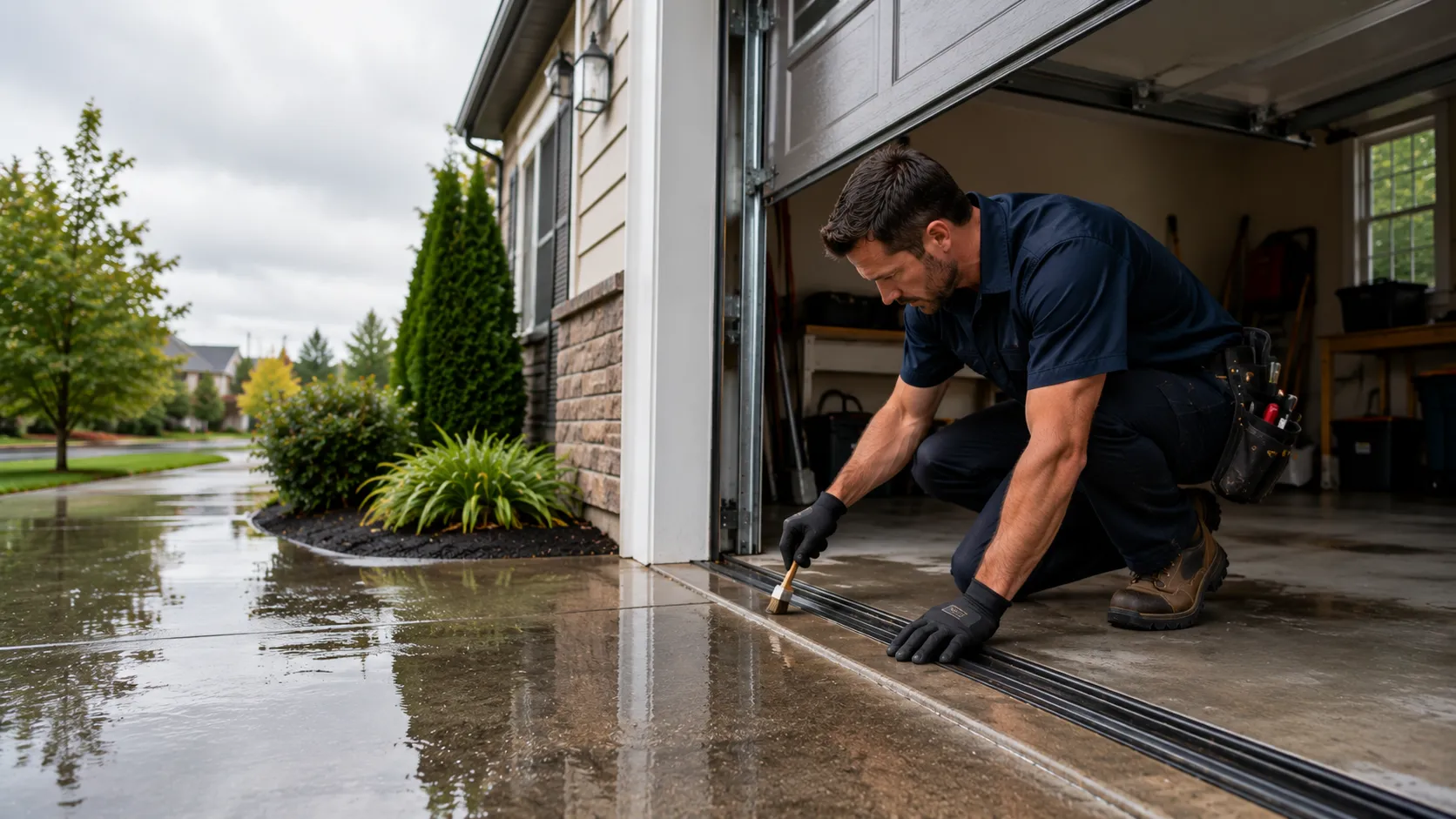
On a 2002-era steel door, panel damage tends to show up as either an impact dent - a car bumper, a bike, a basketball backboard swing gone wrong - or a stress crack along a seam where the foam core has separated from the steel skin after years of expansion and contraction. Lucas sits in a cold-moderate climate band, meaning the freeze-thaw swing here isn't extreme, but it's enough over two decades to work at foam-to-steel bonds that were never perfect from the factory. If you're seeing a bowed or rippled section rather than a clean dent, that's usually the core separating, not just cosmetic damage, and it tends to spread if left alone. A section that's rusting through at the bottom edge is a different problem - moisture wicking up from ground contact - and that one is more about drainage and the door's bottom seal than the panel itself.