Parts We Carry
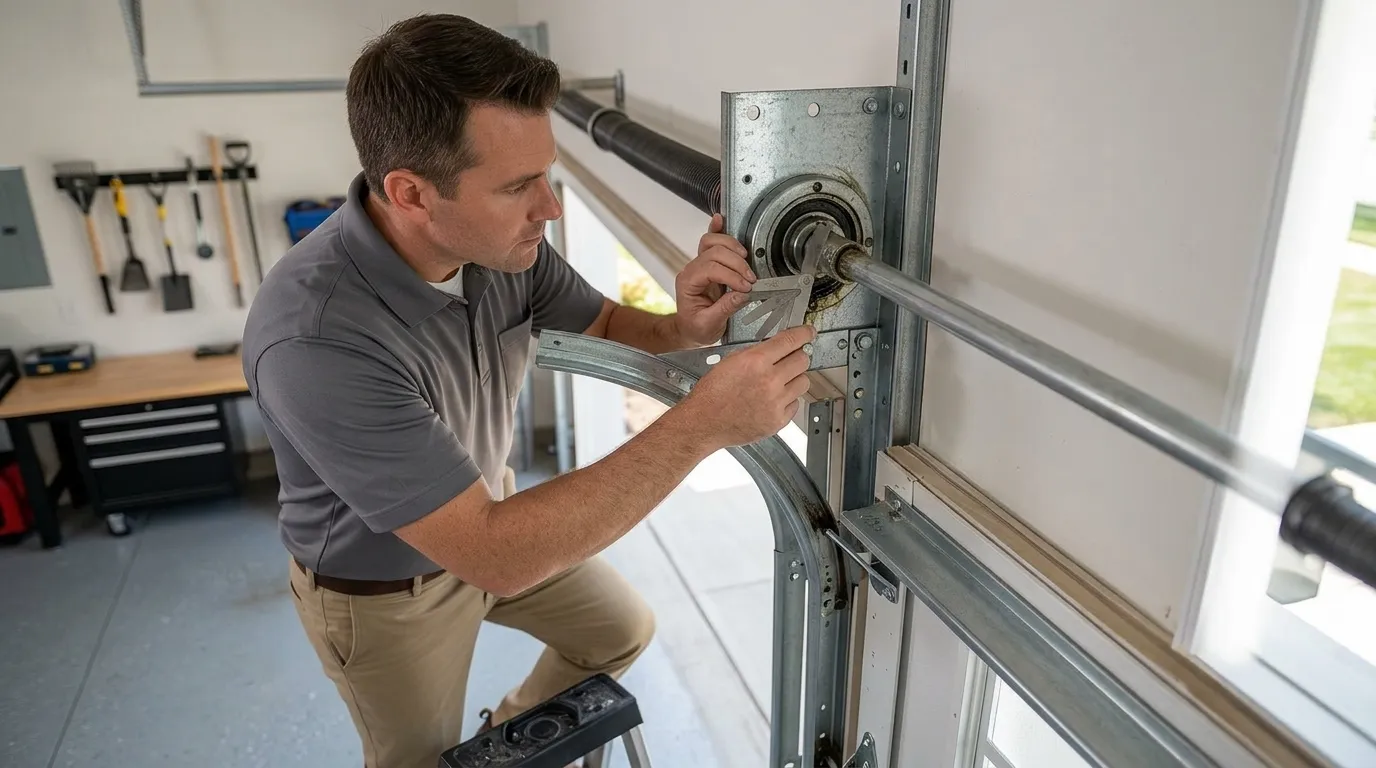
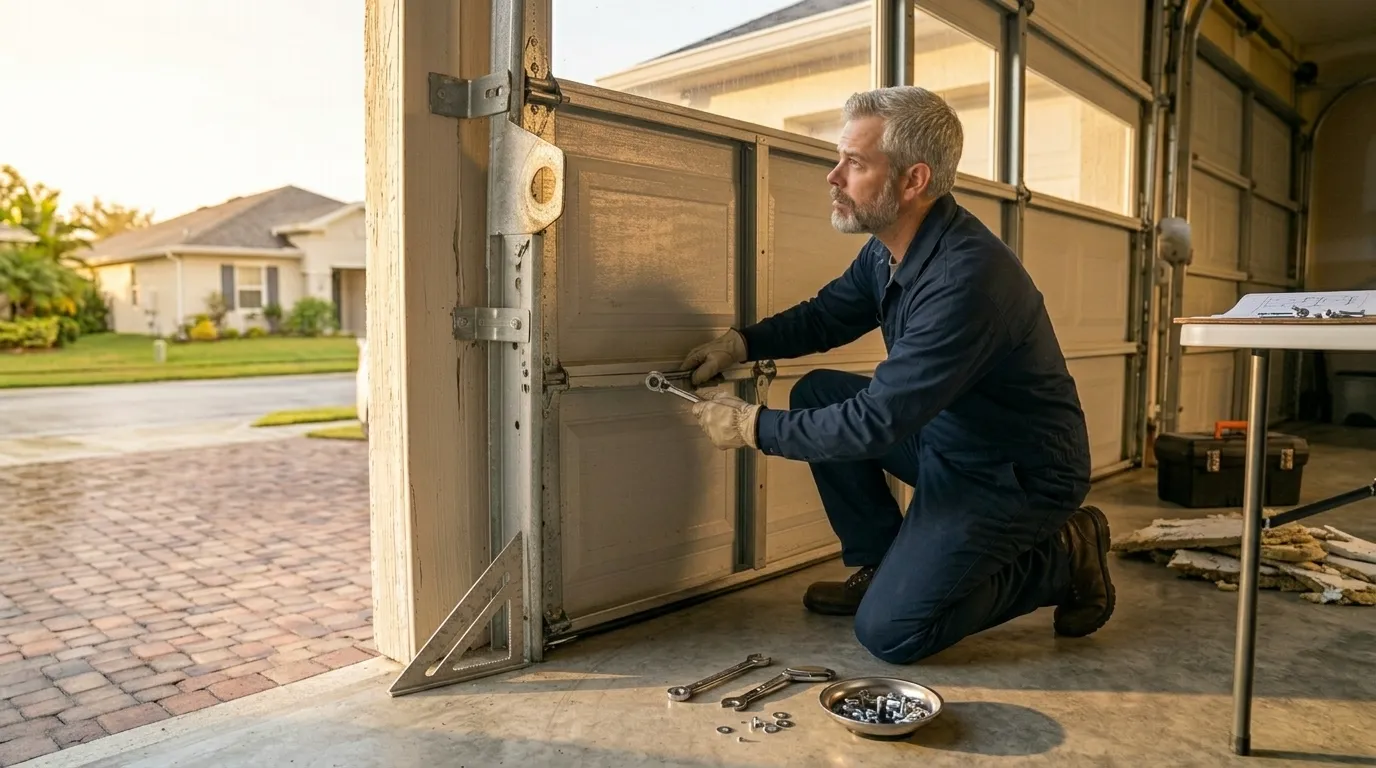
Lucas has about 2,724 households, and most of the neighborhoods went up around 2002 - that's the median build year for the town. That matters for openers because it puts a huge share of the units here right in the window where the first wave of circuit-board openers with rolling-code remotes started failing on capacitors and logic boards, not belts or chains. We stock the boards, receiver units, and safety sensor pairs that match that generation of opener, because that's what we pull off the truck most often out this way. What we don't carry is every obsolete drive unit ever bolted to a header - if your opener is a rare model from a builder-grade install that's been discontinued for years, we'll tell you that up front instead of promising a same-day swap we can't deliver. Sometimes the honest answer is a new opener body on your existing rail, not a repair.
We also carry standard wall consoles, keypads, and the wiring harnesses that connect them, since those go bad on their own timeline separate from the motor unit itself.
Time on the Job
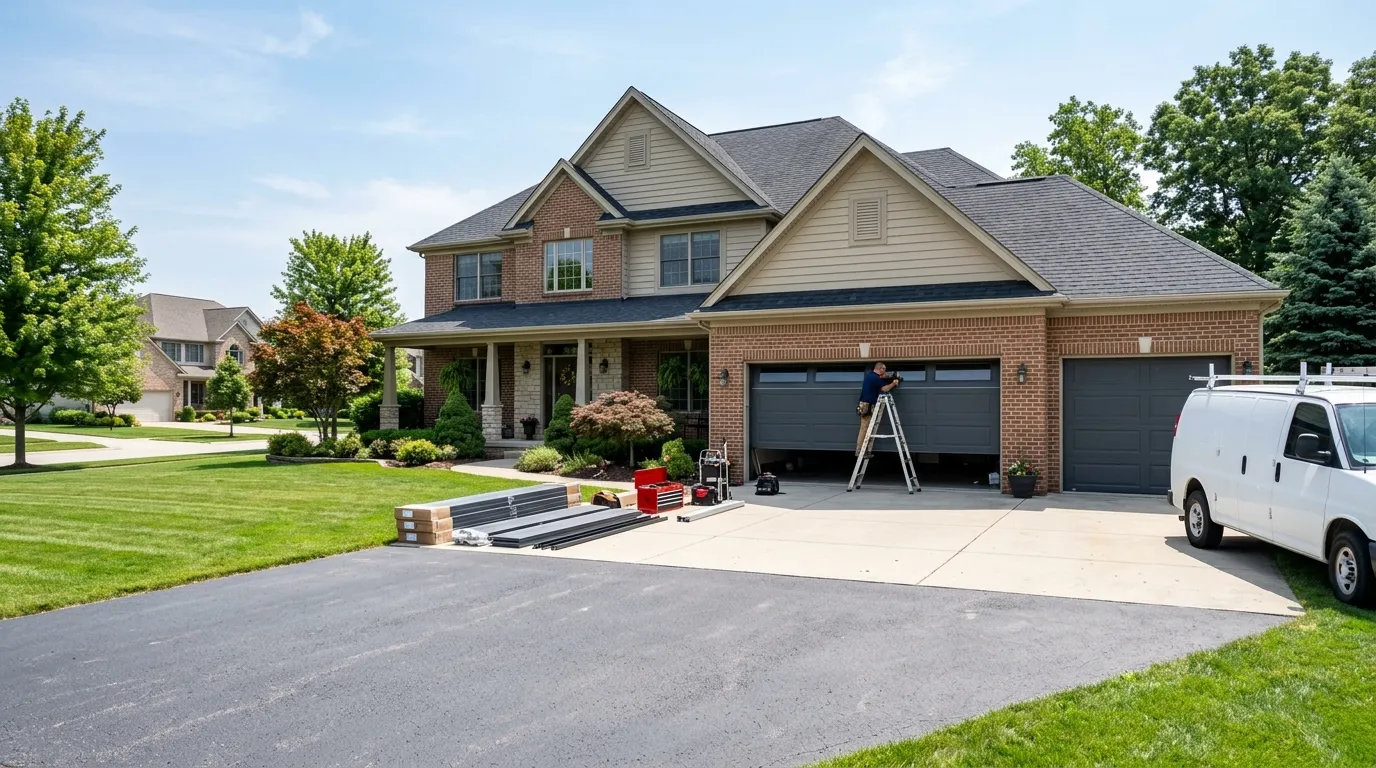
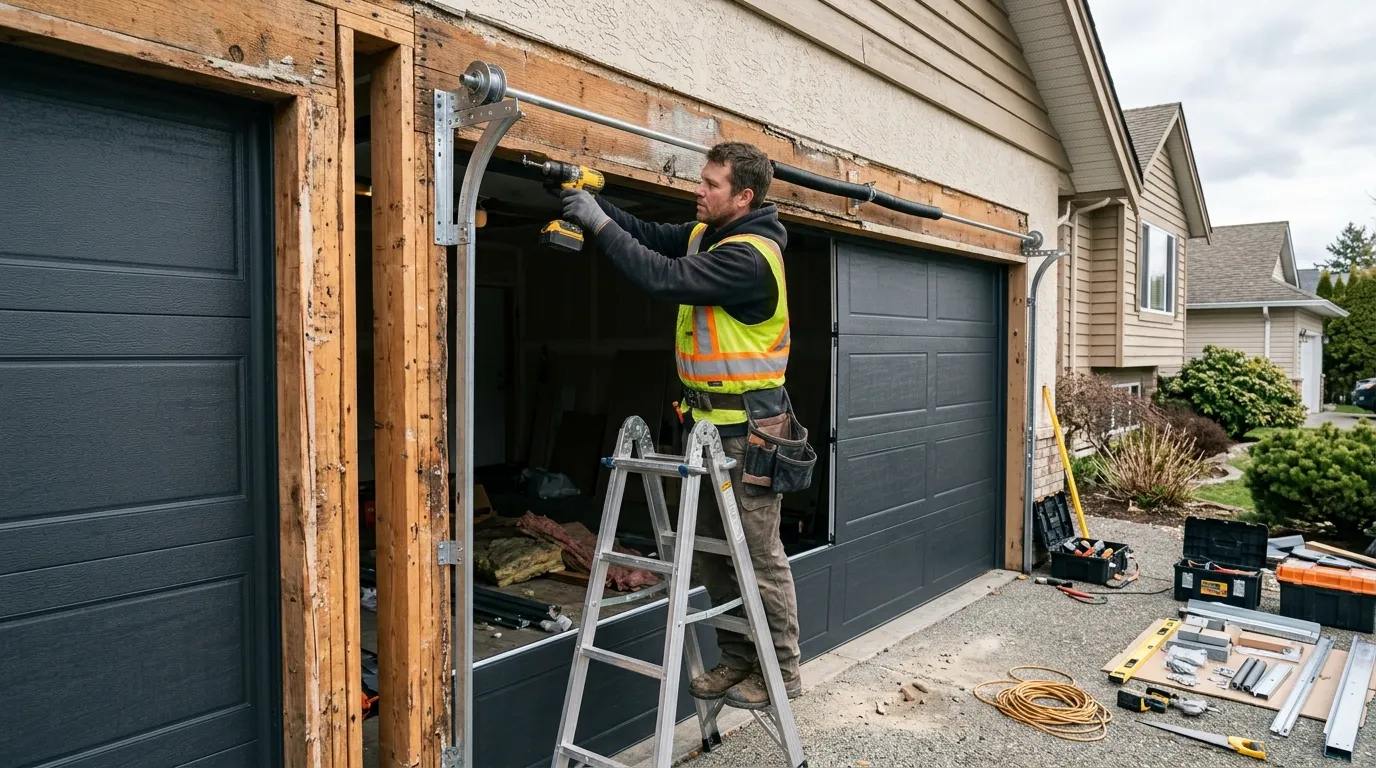
We come out of Prosper, about 16 miles from Lucas, so the drive is part of the job, not an afterthought. Most opener repair calls here run under two hours once we're on site - board swap, sensor realignment, and a function test on the safety reverse. A full opener replacement, rail included, takes longer, closer to half a day if the existing mounting doesn't line up with the new unit's bracket pattern, which happens more often than you'd think on houses built in the early 2000s where header framing varied by builder.
We don't promise a same-day slot for every call - with the distance from Prosper and depending on what's already booked, sometimes the honest window is next-day.
What You Are Seeing
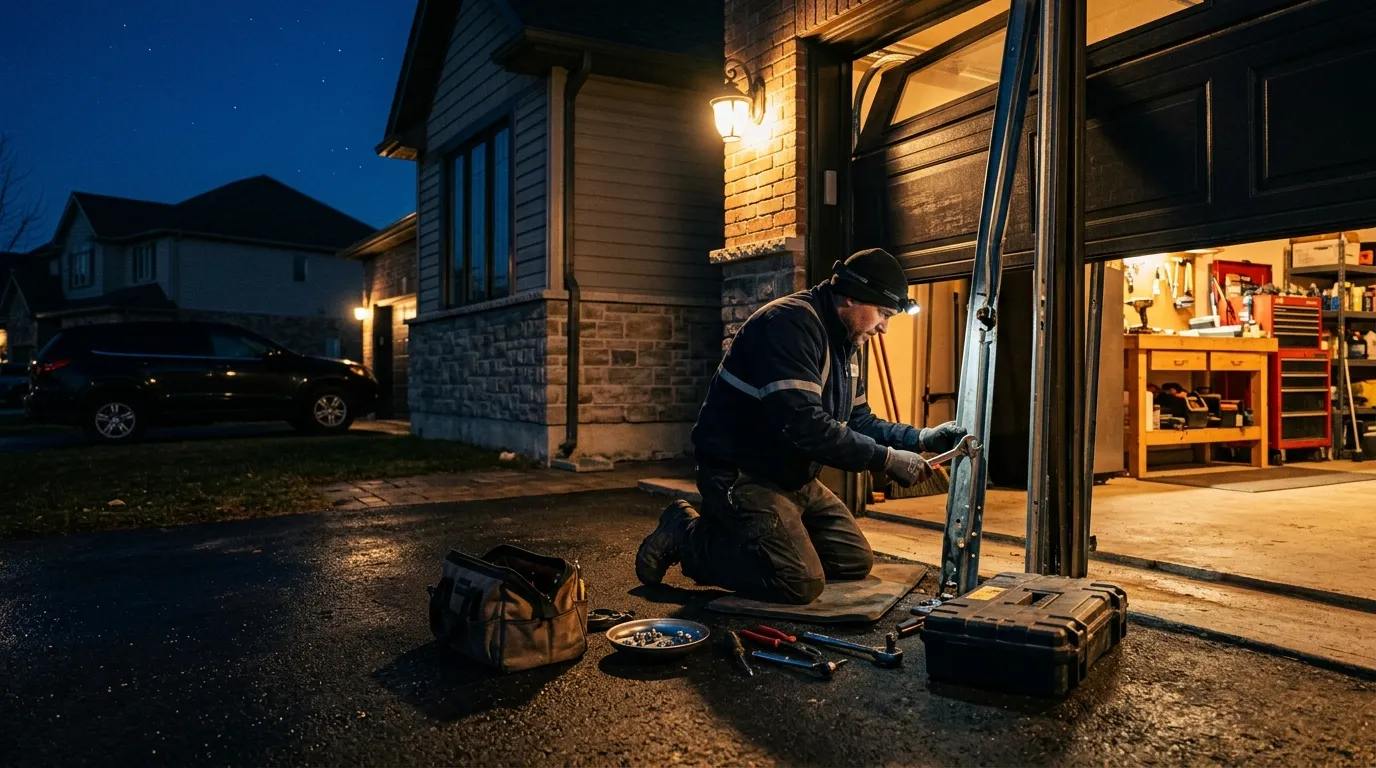
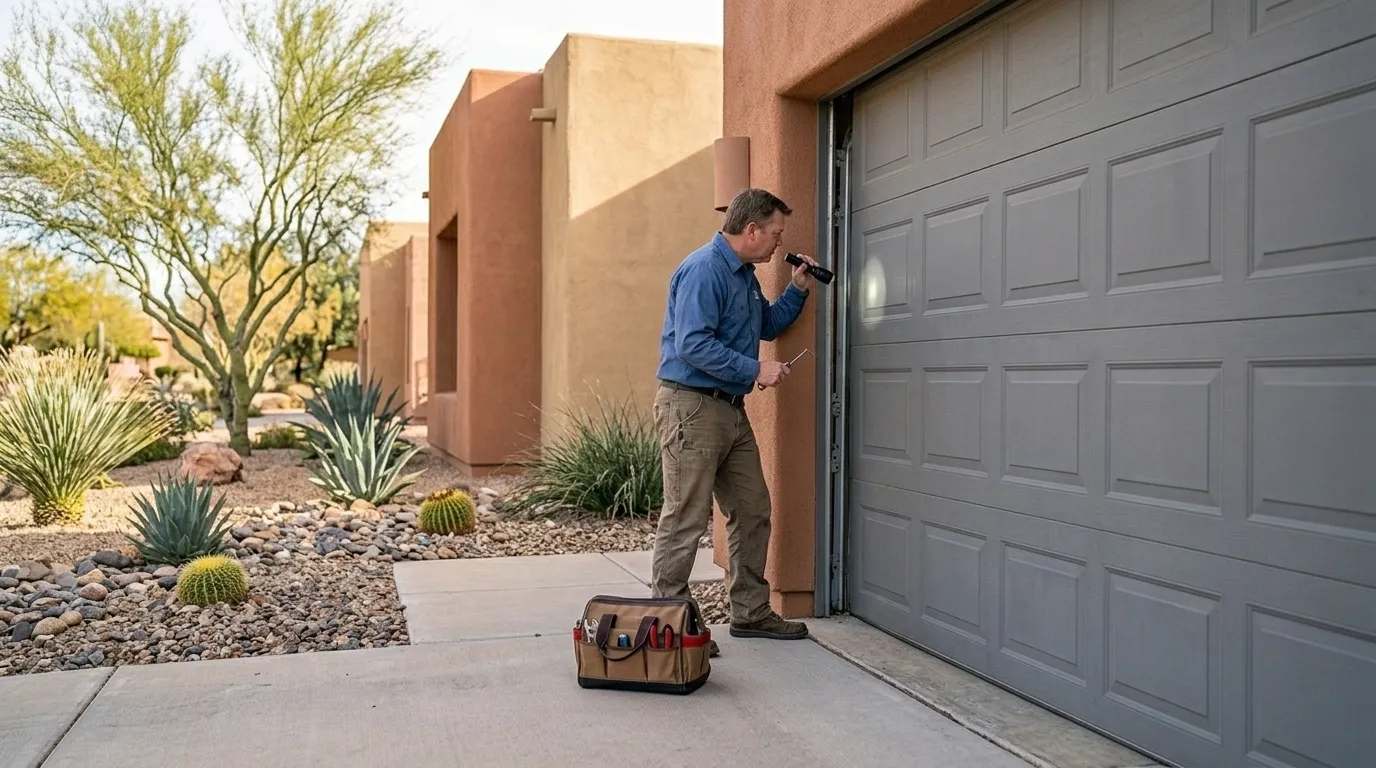
On a house from the Lucas area's typical build era, the most common opener complaint isn't the motor - it's the remote and keypad losing connection intermittently, which points to a receiver board on its way out rather than a dead unit. Close behind that: the door reverses immediately after you hit close, which is almost always the safety sensors, not the opener logic itself, misaligned by a bump from a bike or a trash can.
A true dead-motor opener, where nothing happens at all when you press the button, shows up less often here than in older housing stock, since most of this area's openers are still within the working life you'd expect from a unit installed when the house was built around 2002. When we do see a dead motor, it's usually paired with a burning smell or visible capacitor bulge on the board - that's a replace, not a repair.