Parts We Carry
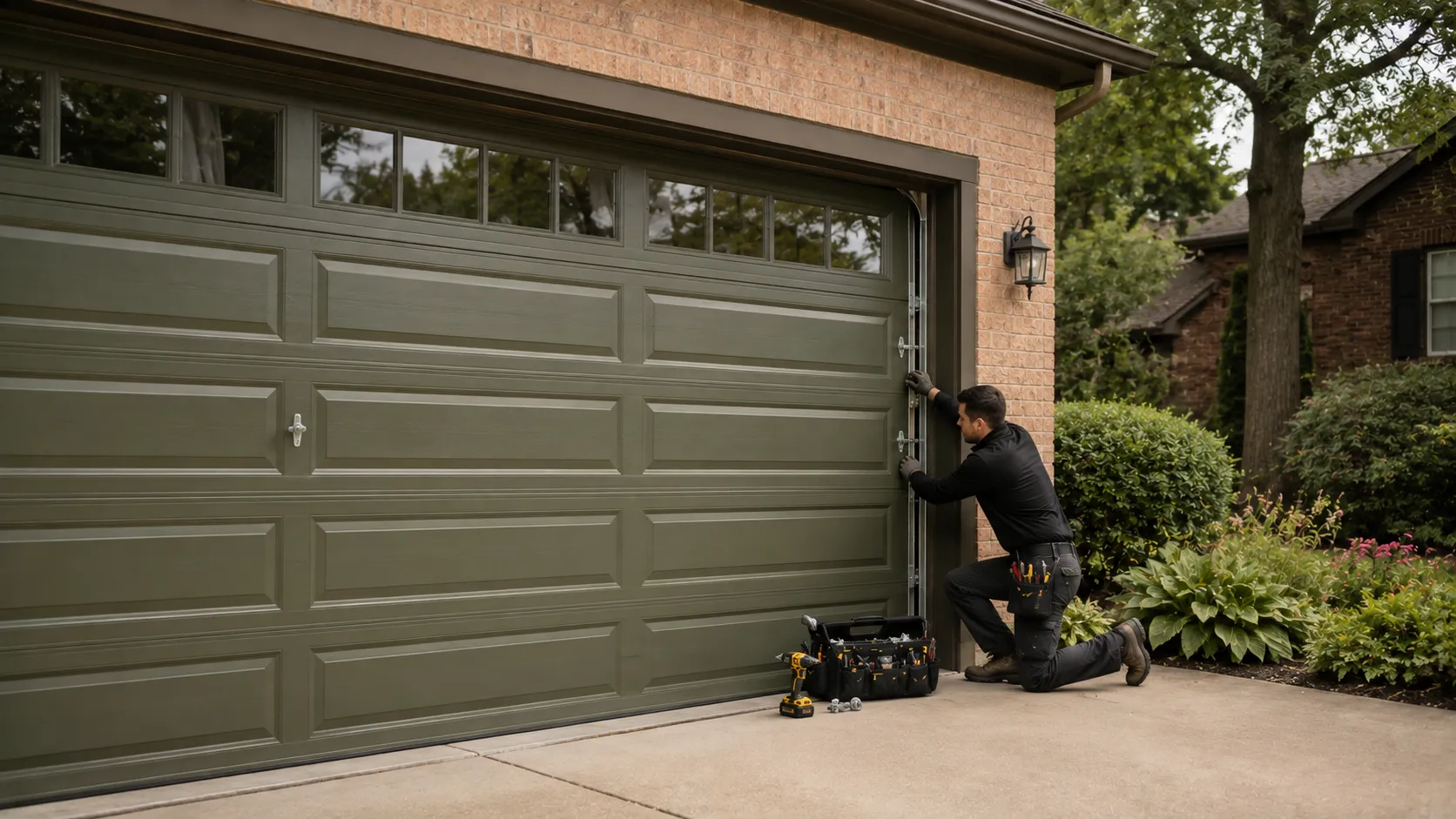
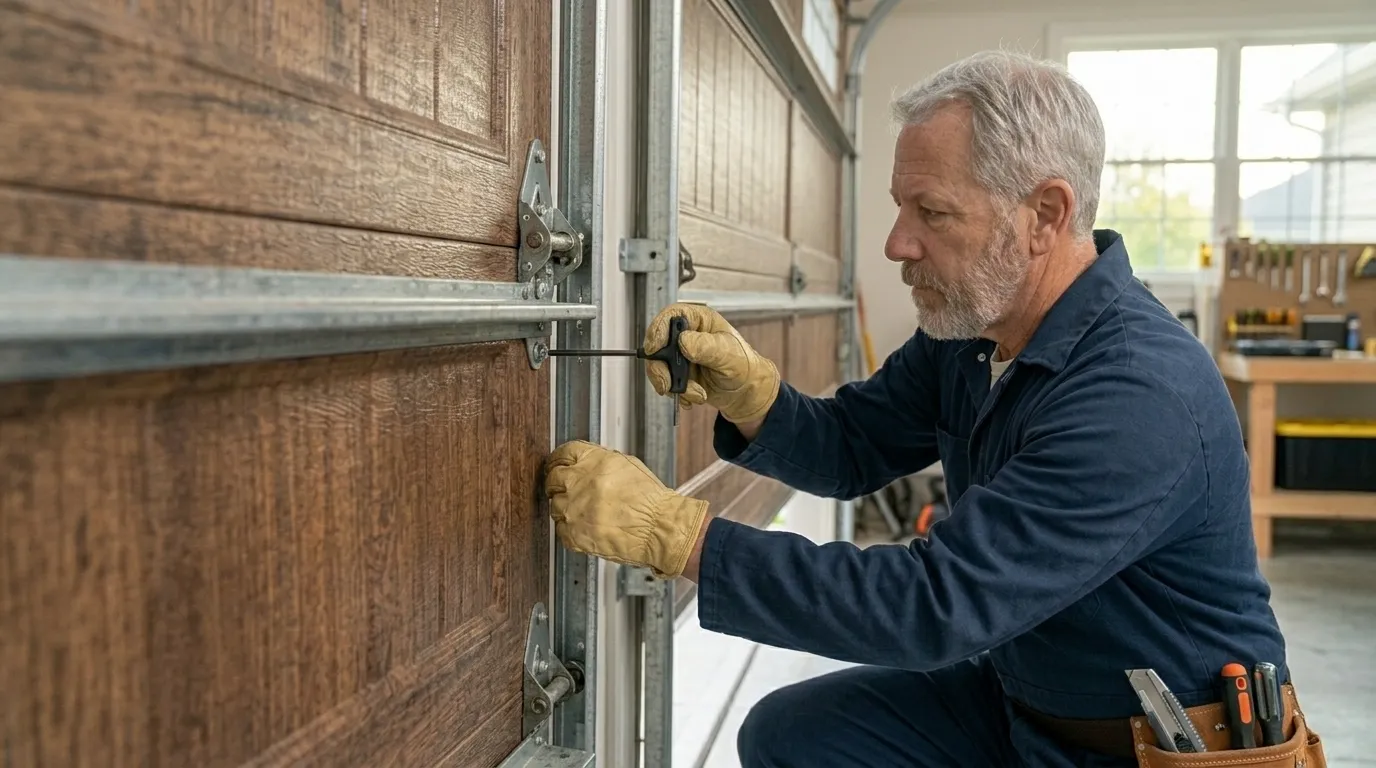
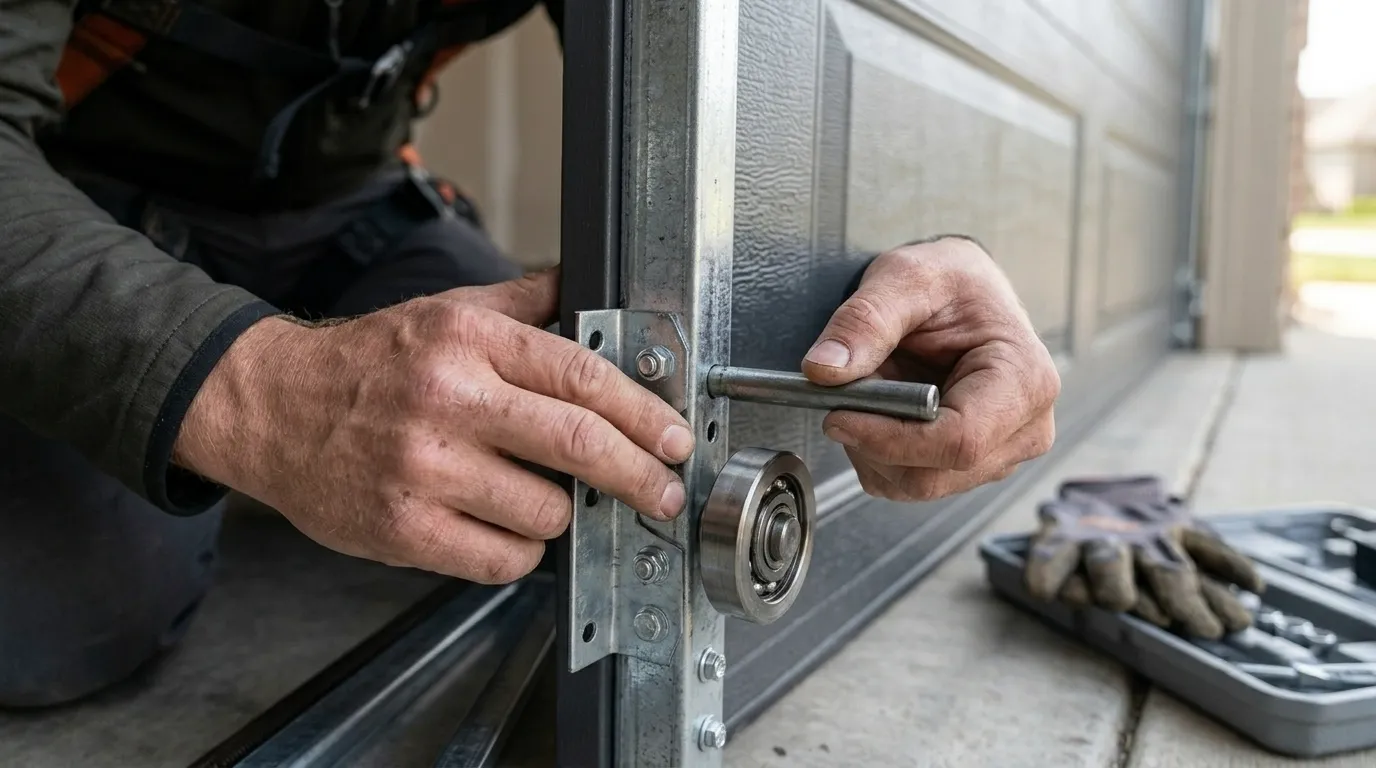
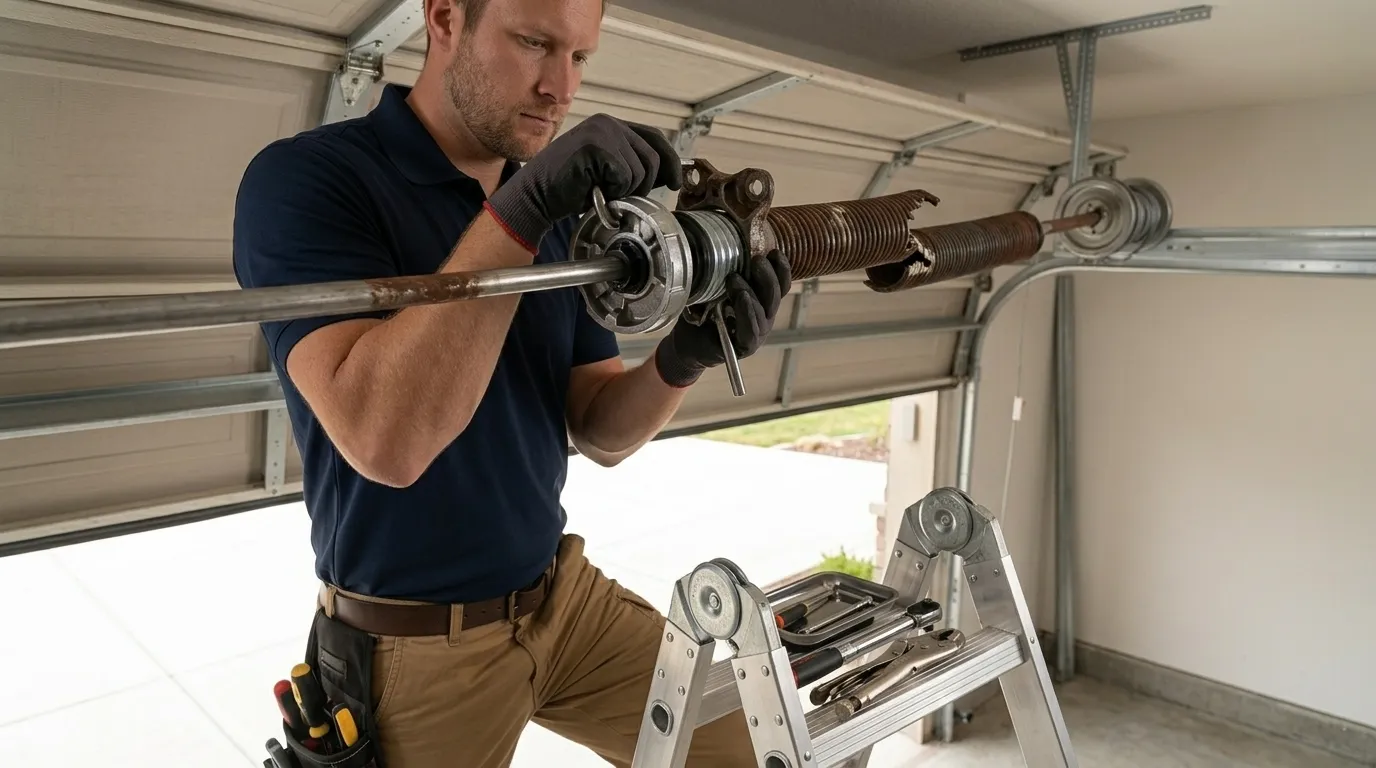
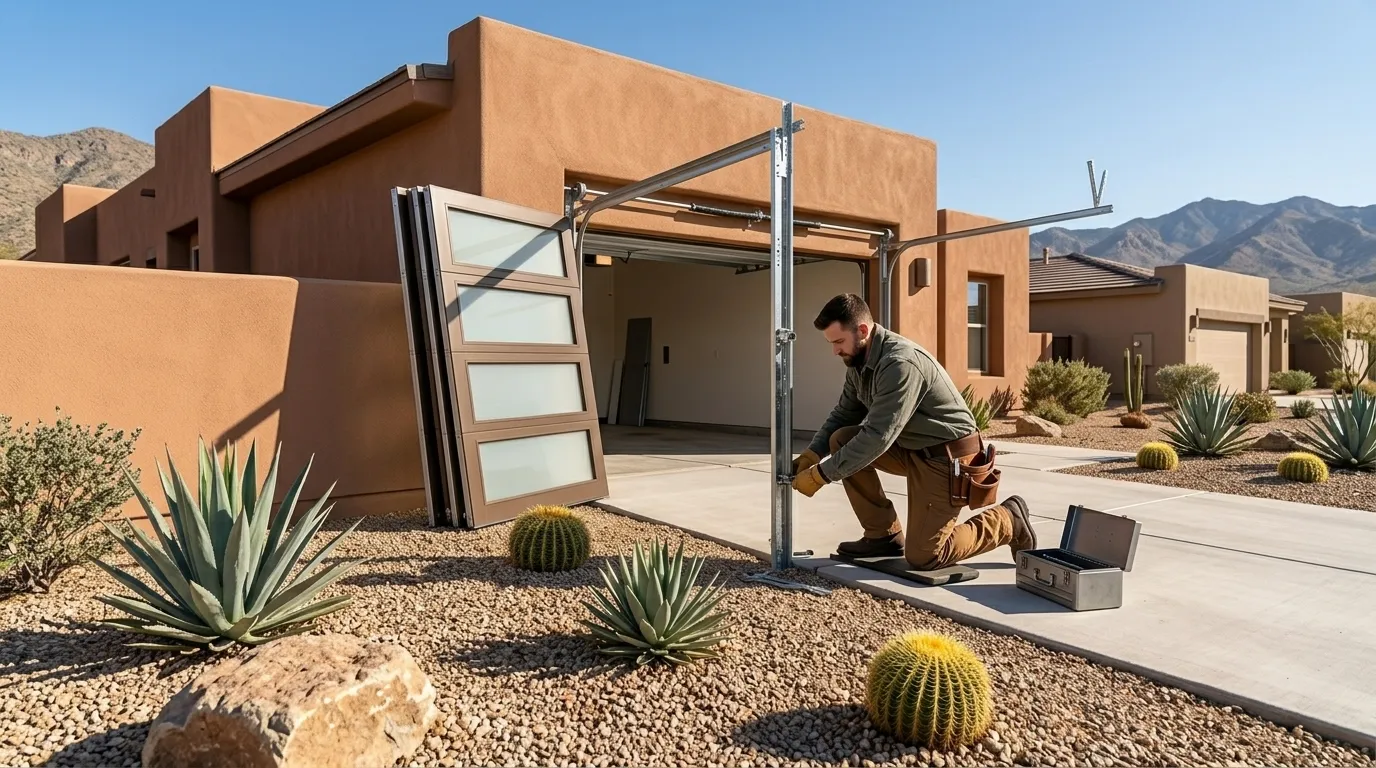
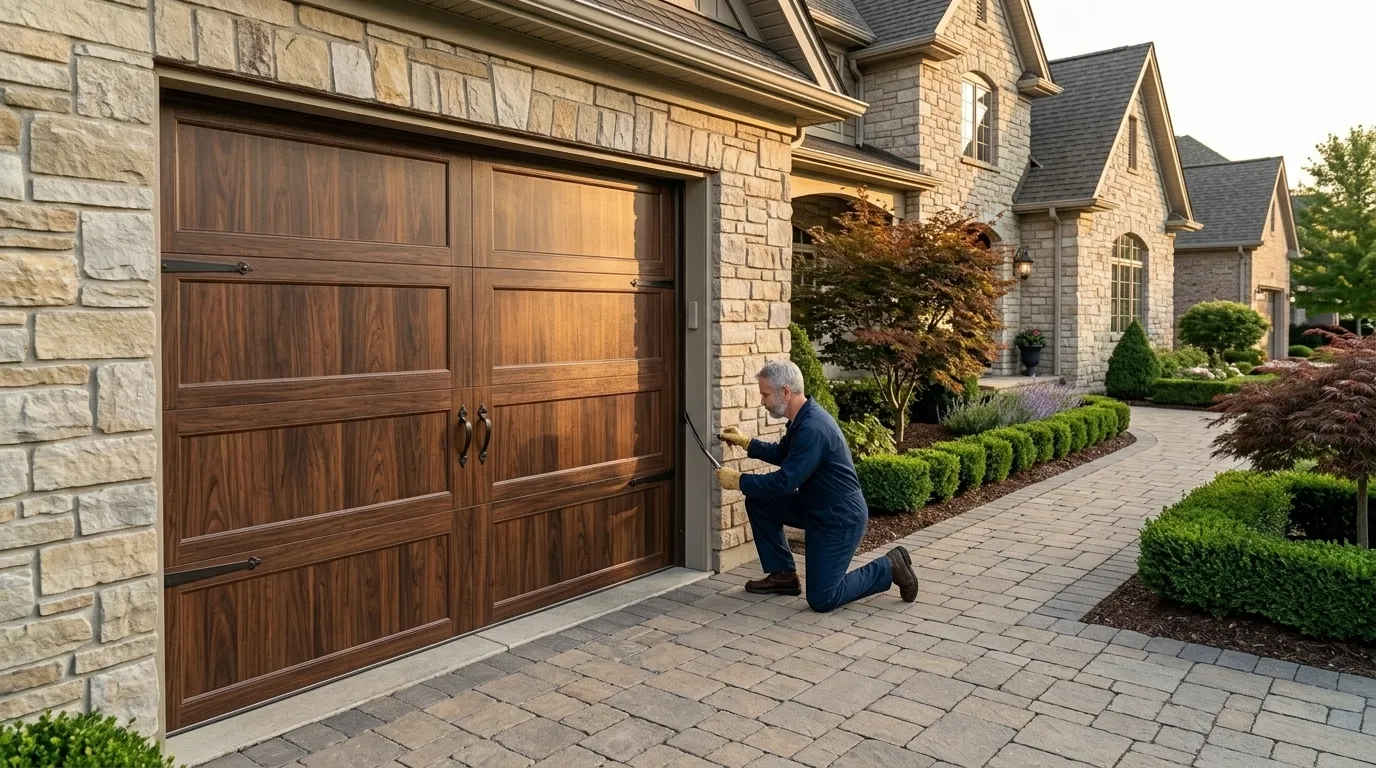
Most houses in Lucas went up around 2002, which puts the original garage door squarely in the builder-grade steel of that decade - a single-layer or light double-layer panel, usually a 16x7 double opening with a single 8x7 or 9x7 for the third bay, hung on torsion springs sized for that era's standard door weight. We stock replacement doors and torsion springs sized to match that stock: standard 2-inch shaft torsion springs, steel roller tracks in the lengths those garages were built for, and steel or insulated composite panels in the widths that fit an early-2000s Lucas opening without cutting down the jamb. With a median household income of $178,403 here, we also carry insulated steel and wood-look composite doors more often than the bare single-layer steel that shipped standard when these houses were framed. We do not stock custom glass-panel or oversized carriage doors on the truck - those get special-ordered, and we'll tell you the lead time up front rather than guess at it.
Time on the Job
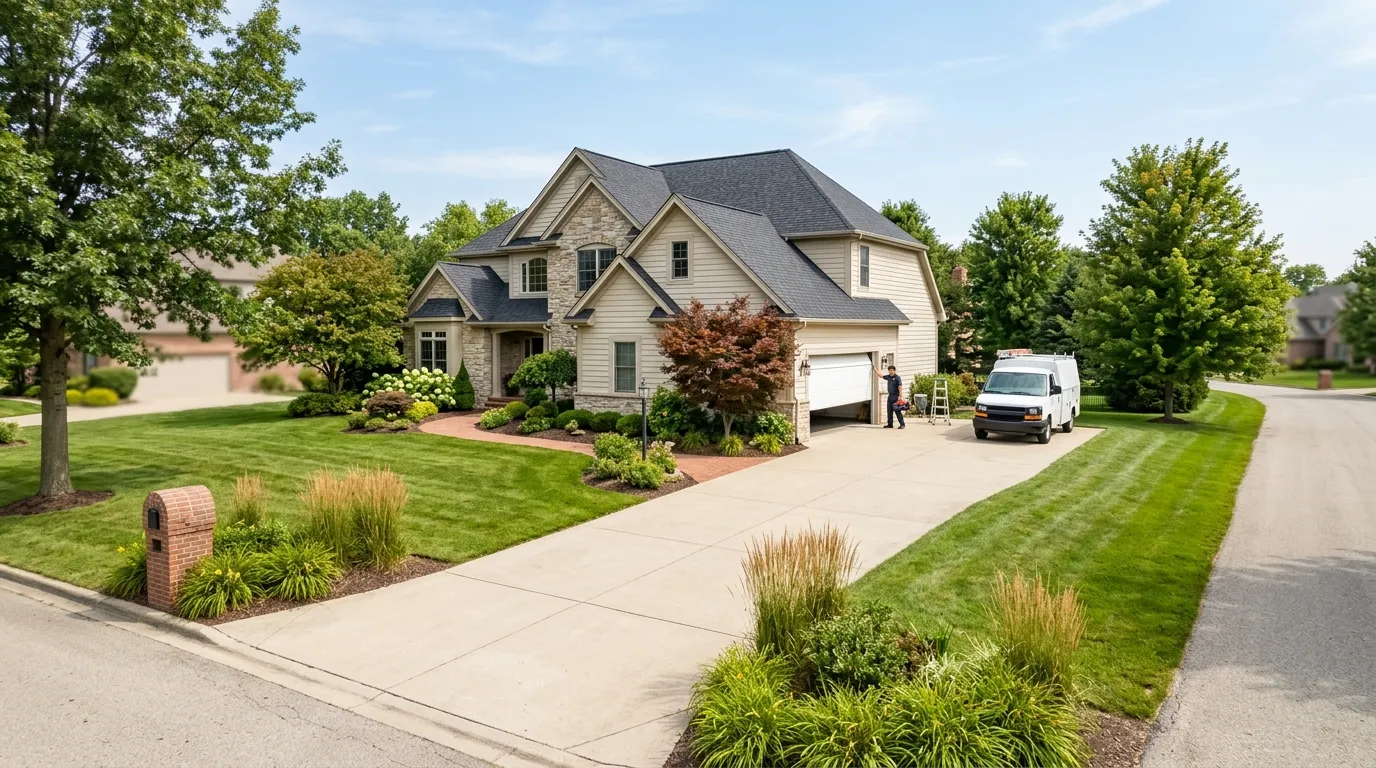
Prosper Garage Door Pros runs this job out of Prosper, about 16 miles from Lucas, and there's no local branch here - every install is a scheduled trip, not a drop-in. A straight single-door swap on a standard 2000s Lucas opening usually runs a few hours once the door and hardware are on the truck; a double door, or a job where we're also swapping the opener, runs longer. We don't quote same-day service for Lucas installs, because the drive and the ordering lead time for anything outside our standard stock both factor into the schedule. Across the roughly 2,724 households in Lucas, most garages share close to the same opening size and hardware era, which helps us plan the truck load accurately once we've confirmed measurements - but we still confirm on-site rather than assume every 2002-built garage matches its neighbor exactly.
What You Are Seeing
If your Lucas garage door is original to the house, you're likely looking at a single-layer steel panel showing its age: faded or chalky paint, a bottom panel that's started to bow, or foam-backed insulation (on the doors that had it) that's compressed and no longer doing much. A door from the early 2000s wasn't built with the insulation ratings homeowners ask for now, and in this climate band - cold winters, real seasonal swings - that gap shows up as a garage that's noticeably colder than the rest of the house. Torsion springs from that era are also nearing or past the cycle count where sudden failure becomes the more likely story than a slow squeak. None of that means the door needs replacing today, but if you're seeing panel rust, a spring that looks stretched or uneven, or a door that's heavier to lift by hand than it used to be, those are the signs that a new install, not another repair, is the better call.