The Cost of This Job
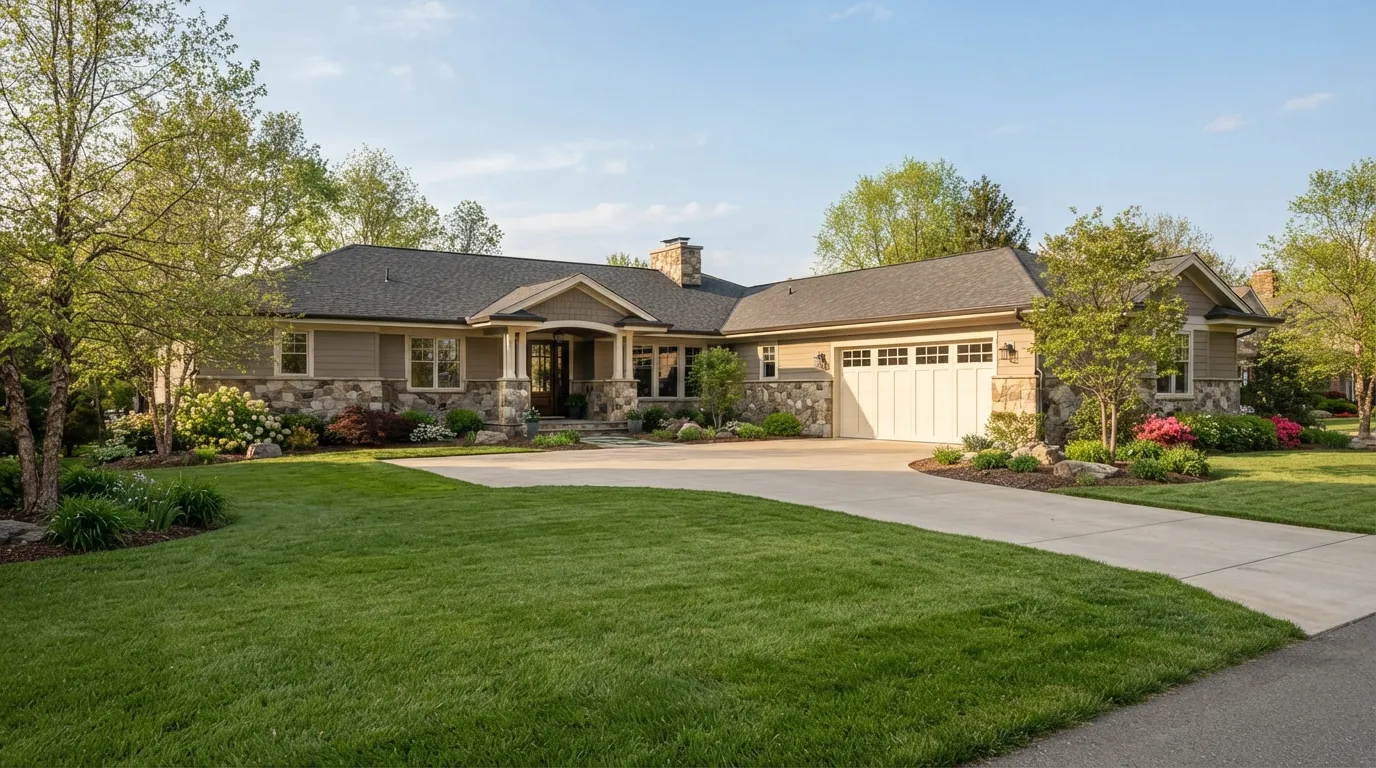
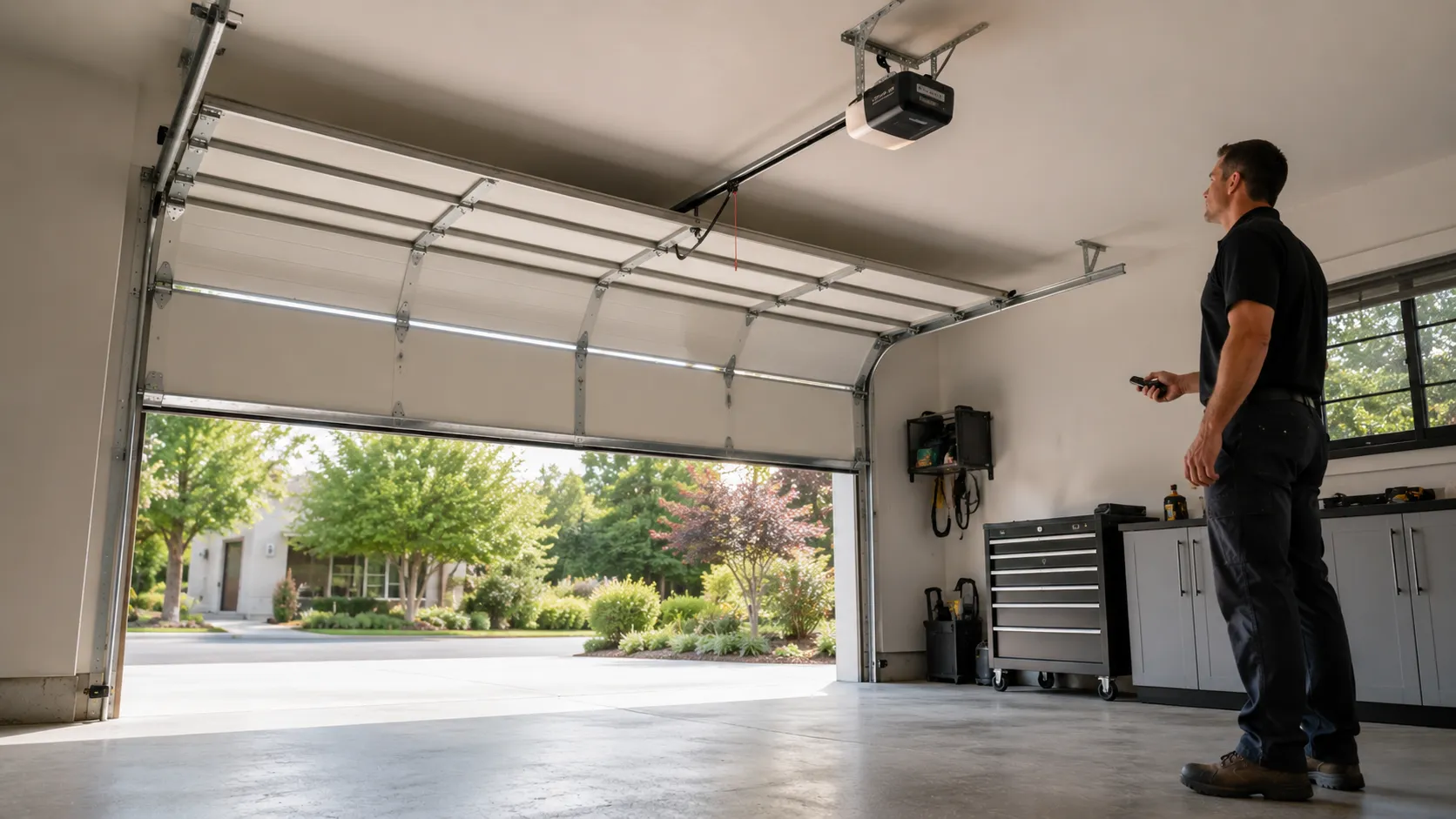
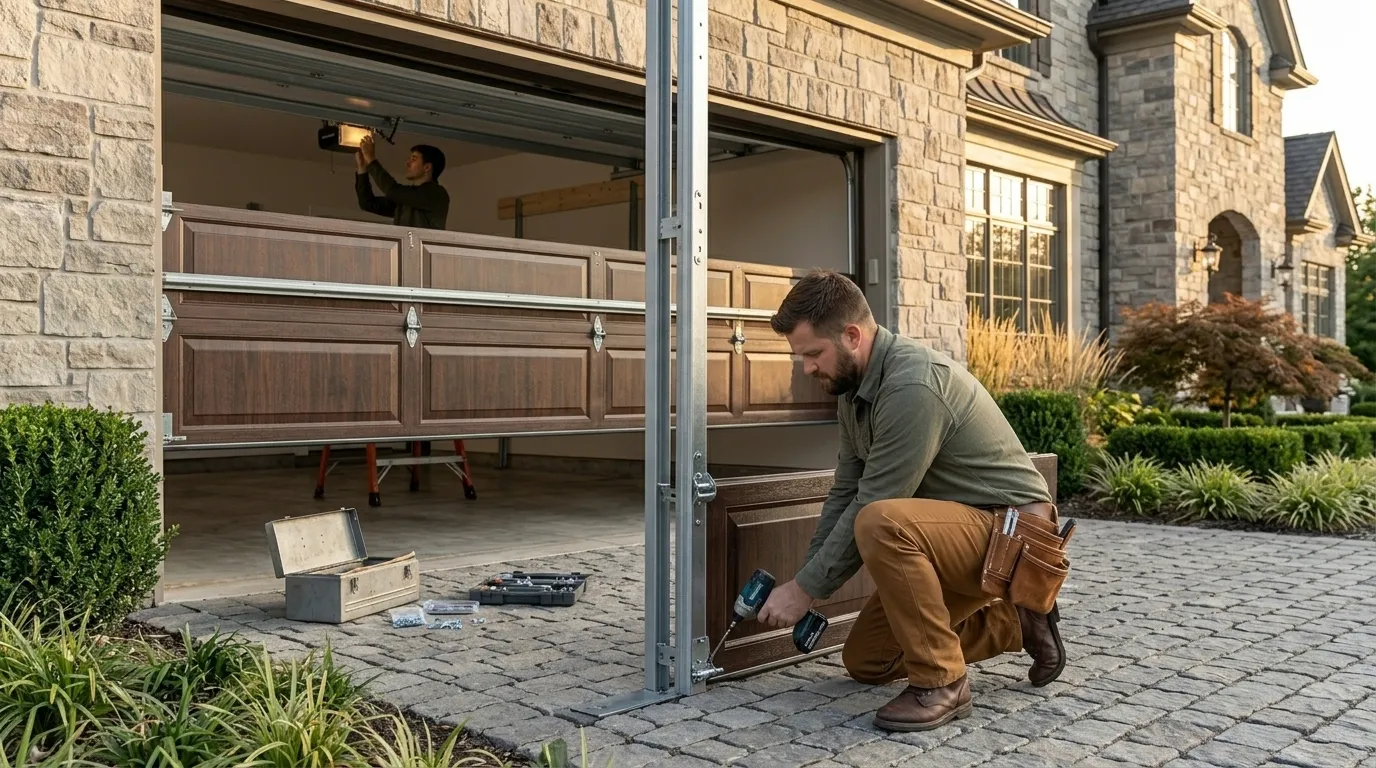
Most Fairview garage doors went up around 2006, which puts them squarely in the era when builders switched from thin single-layer steel to factory-insulated double-layer panels on 16x7 double doors. That extra weight matters for pricing: a torsion spring sized for an insulated door costs more than the lighter spring a 1990s door used, and if the door is a two-spring setup on a double-wide, both usually go around the same time even if only one snapped. Openers from that build year are often the original half-horsepower chain or belt drive units, now old enough that the circuit board or logic panel - not the motor - is the actual failure point, which changes whether we're quoting a repair or telling you the opener is done. We don't quote a number here because we haven't seen your door, your spring wire size, or whether the opener is original. What we can tell you is that Fairview households have the income to lean toward buying the correct heavier-duty spring and hardware once, rather than a cheap match that fails again in two years. That's a call we make on-site, with the door in front of us.
How We Fix It
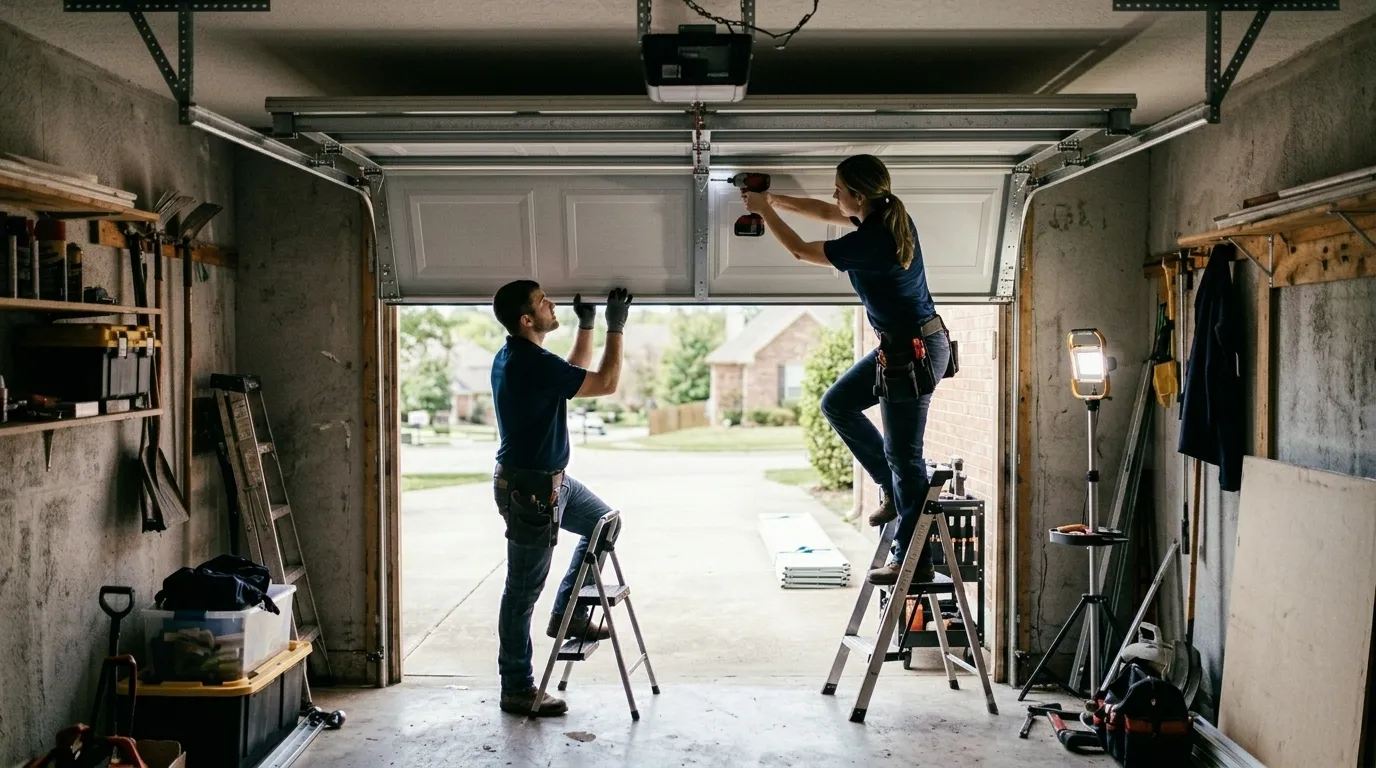
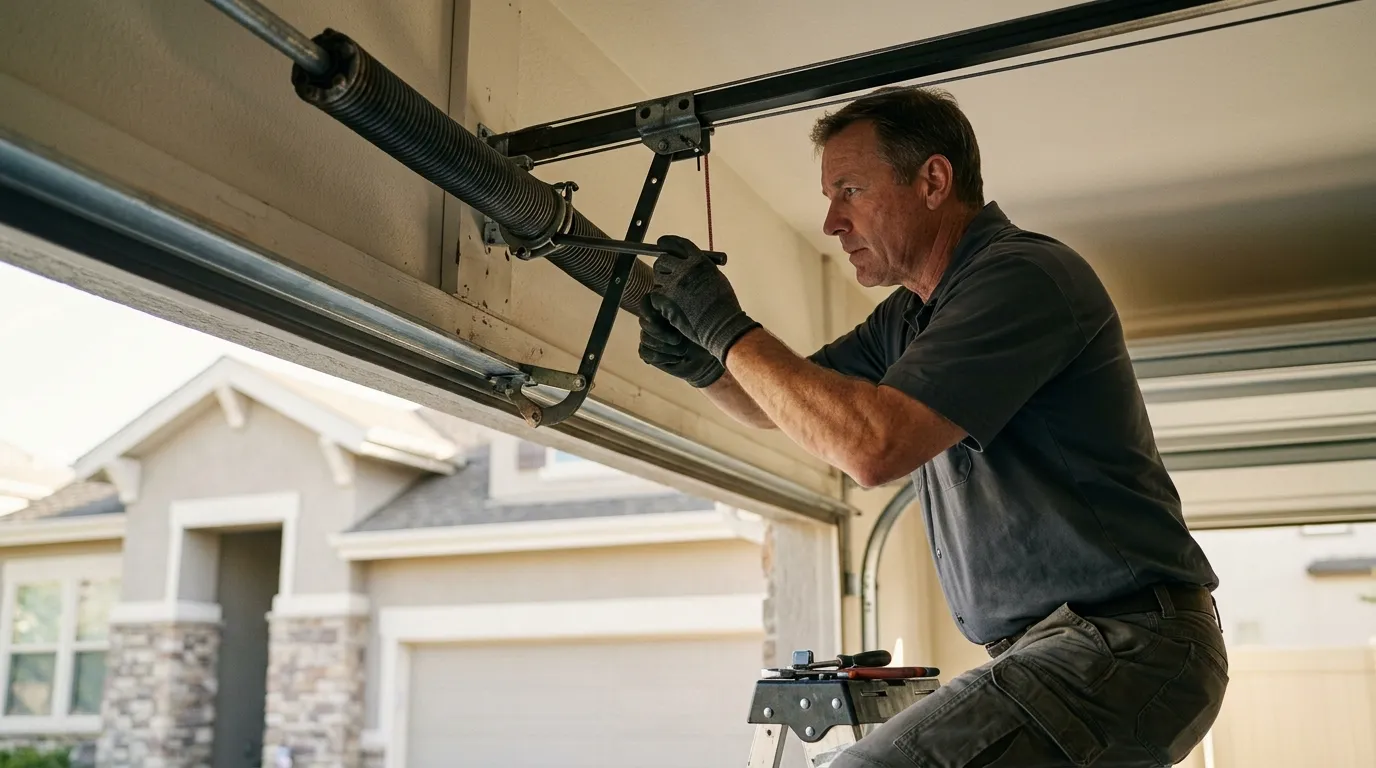
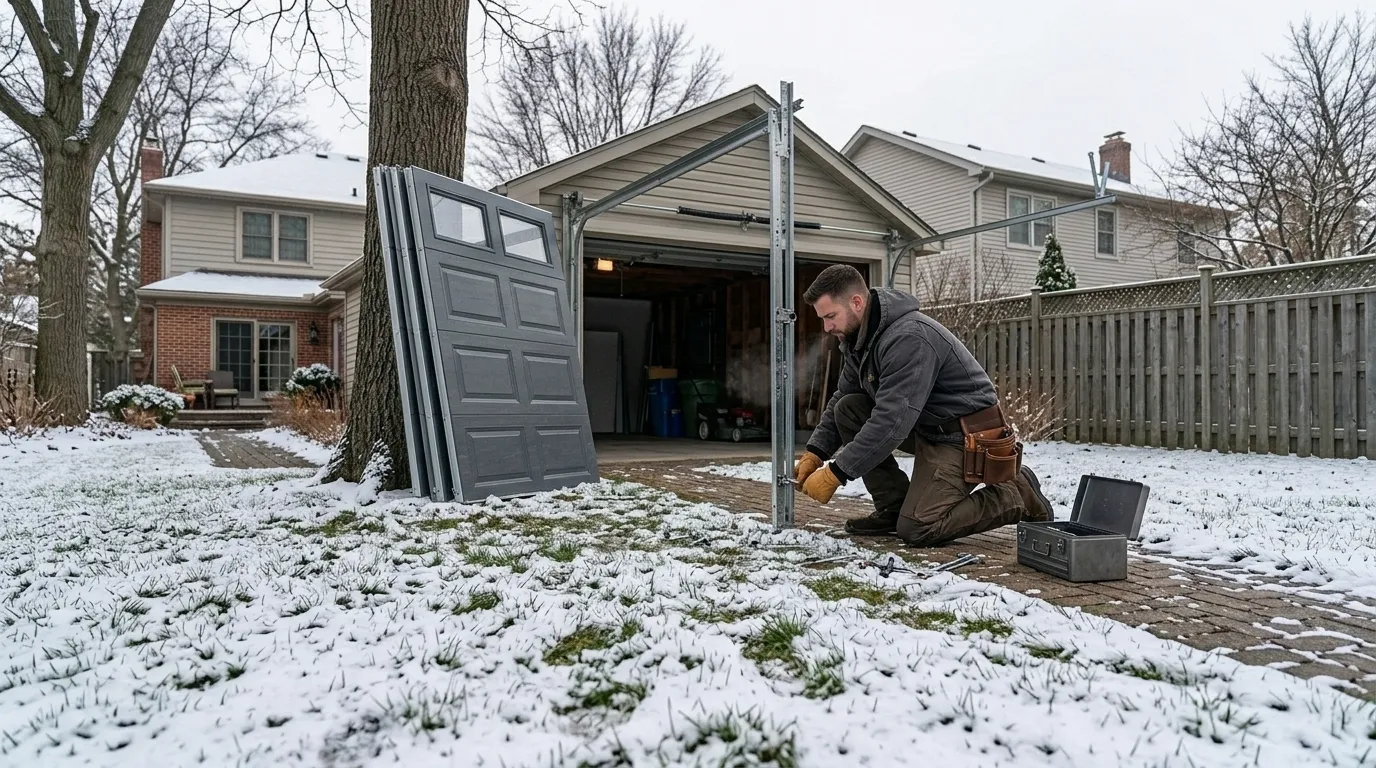
With roughly 4,390 households in Fairview, this pocket of homes is small enough that we're not guessing at what's behind the wall. Doors from this build year are almost always on torsion springs mounted on a center shaft above the door, not the older side-mounted extension springs - that's the good news, because torsion hardware is easier to source and safer to service. If a cable has jumped the drum or a roller has cracked, we replace the part and check the rest of the track for wear caused by the same imbalance. If the spring snapped, we replace it in a matched pair when the door is a double, set the correct tension for an insulated panel's weight, and test the balance by hand before we touch the opener again. One limitation: if the door itself has warped or the panels have delaminated from moisture over the years, no spring or cable fix solves that - at that point we tell you it's a door replacement conversation, not a repair.
What You Are Seeing
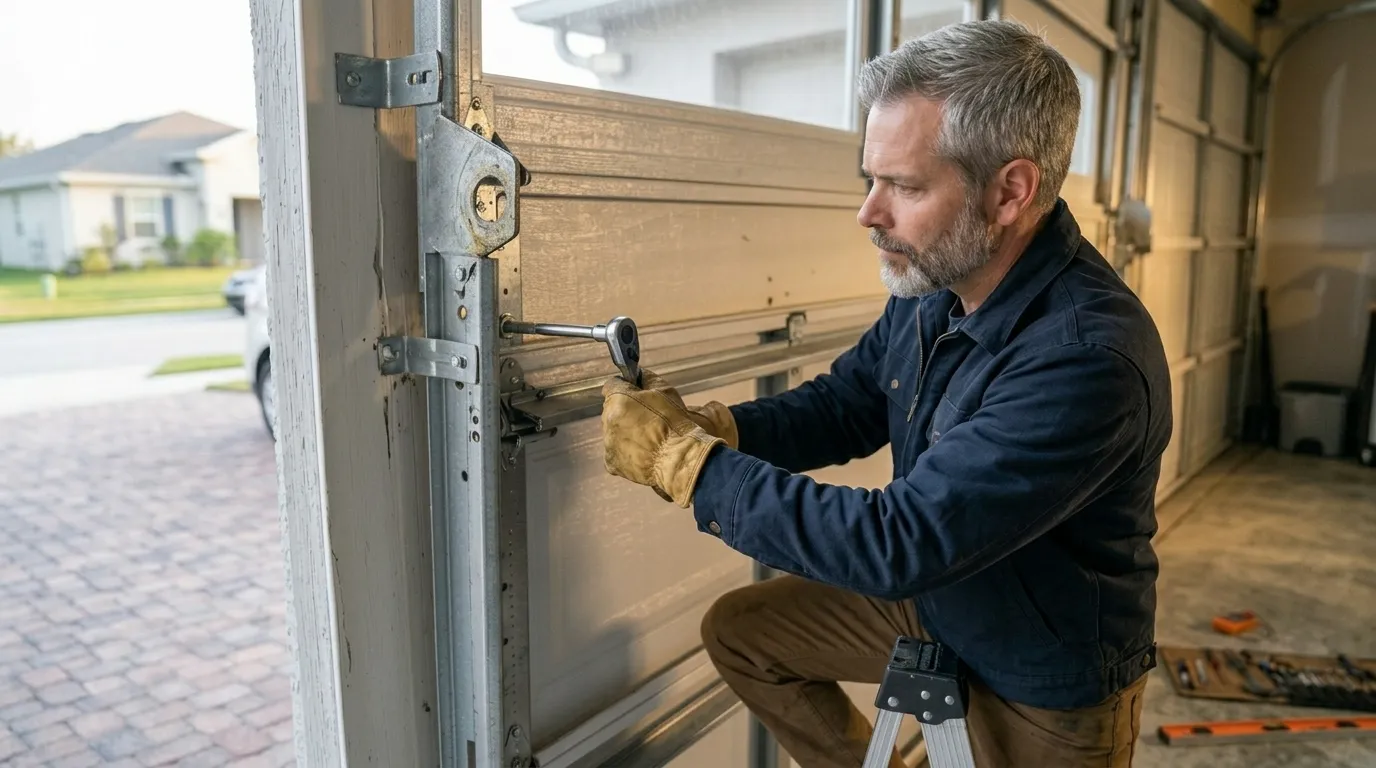
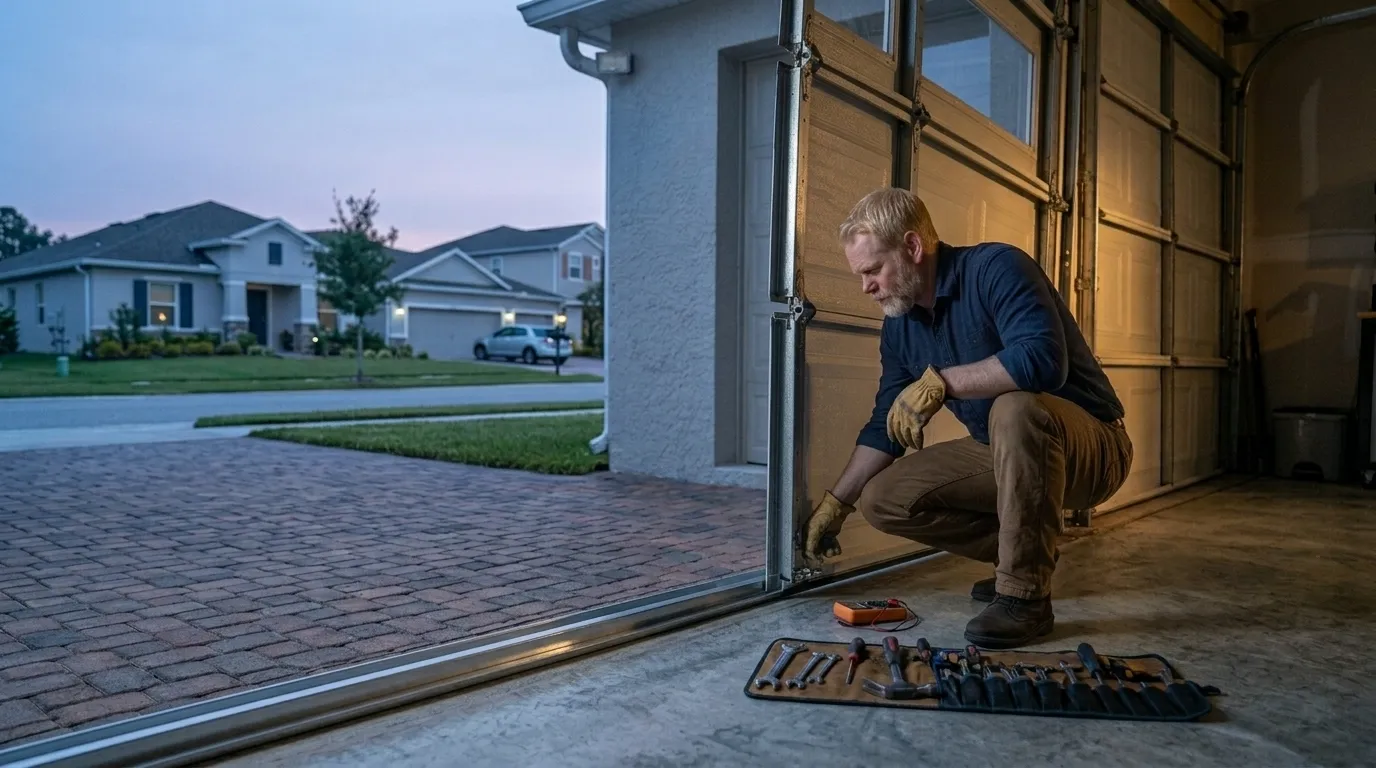
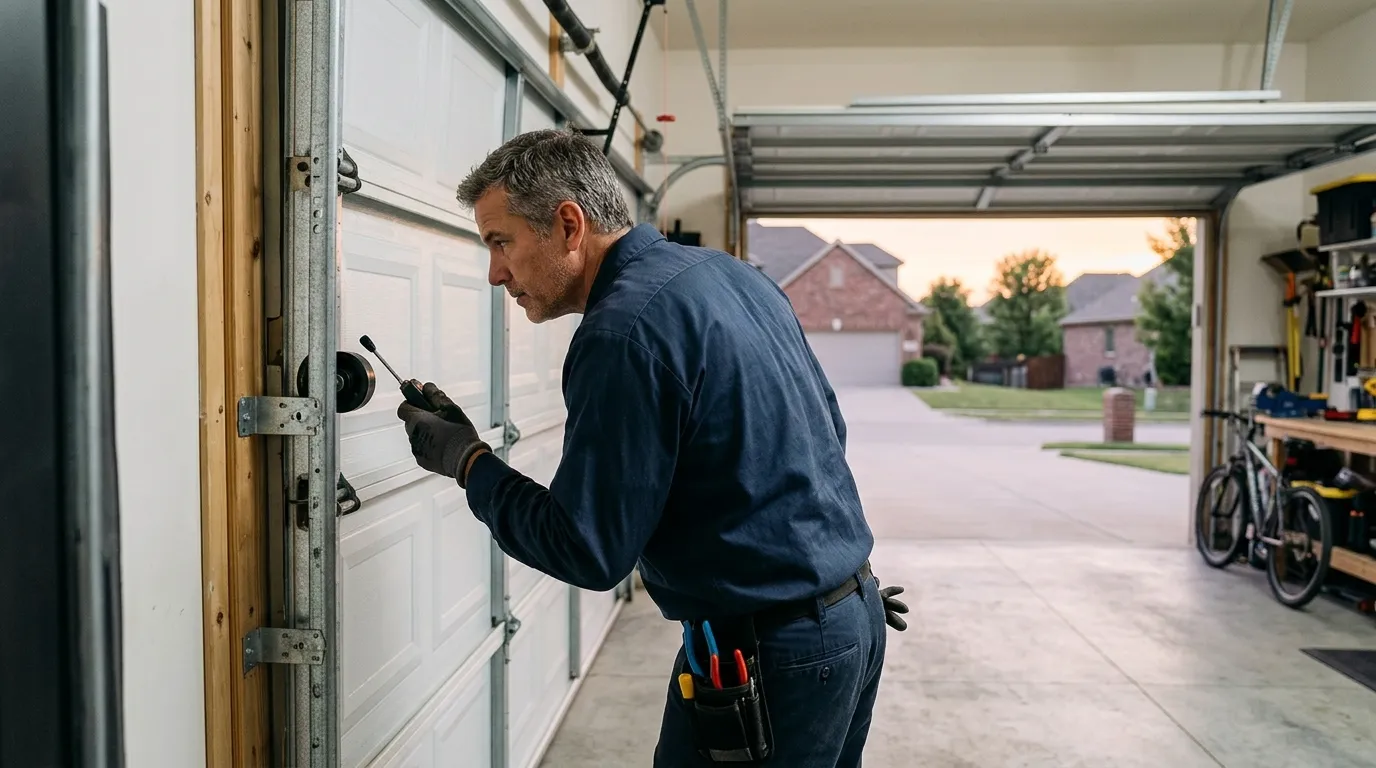
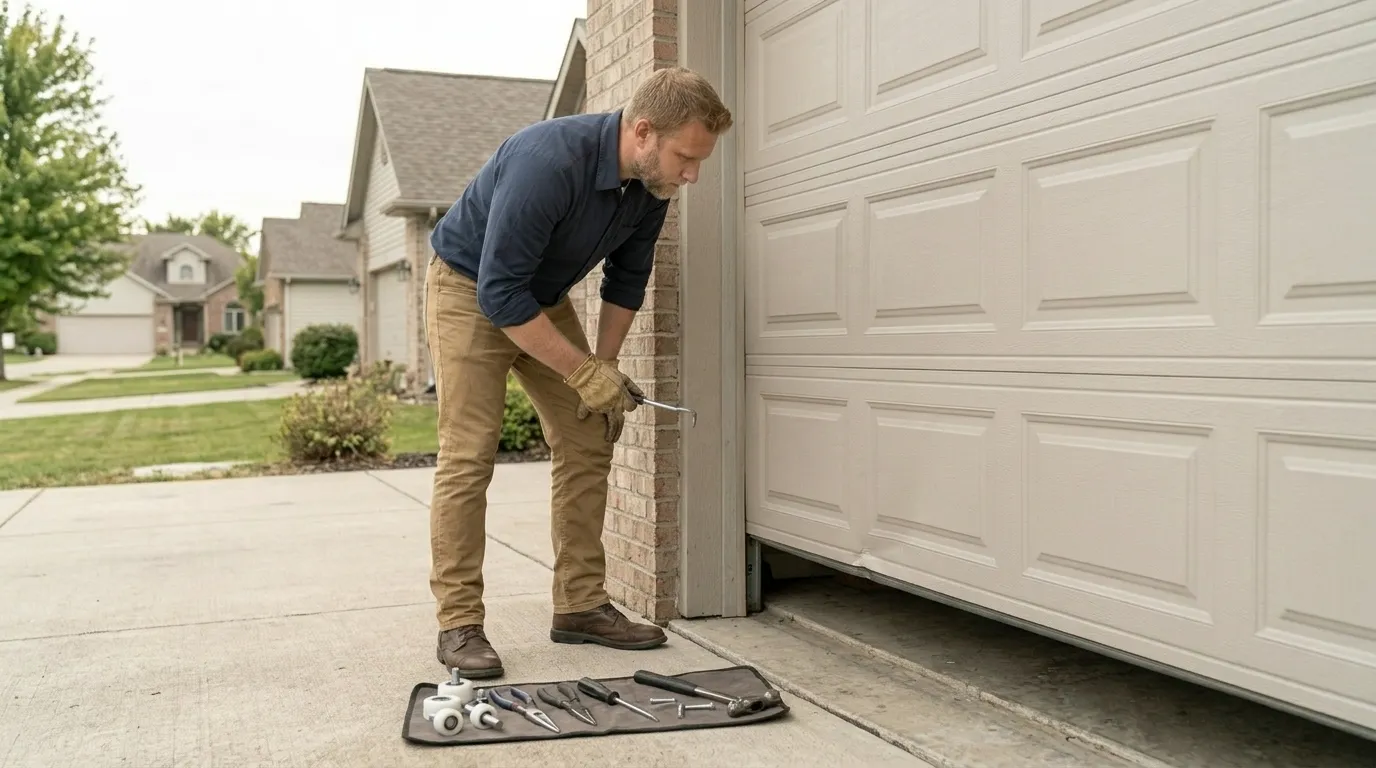
A door that won't budge, or drops when you try to lift it, usually means a torsion spring gave out - common on doors built around 2006 once the spring hits the end of its cycle life under the heavier insulated panel load. A door that opens partway and reverses is often the opener's safety sensors misaligned or a logic board losing track of position, more likely on an opener that's original to the house. If the door runs off one side of the track or you hear a bang followed by the door sagging, that's usually a cable off the drum, and it's not safe to keep opening it by hand or with the opener until it's fixed. With this area's cold winter swings, cold-stiffened lubricant on rollers and hinges can also make an otherwise fine door feel like it's failing - sometimes the fix is that simple, and we'll say so rather than sell you a part you don't need.