The Cost of This Job
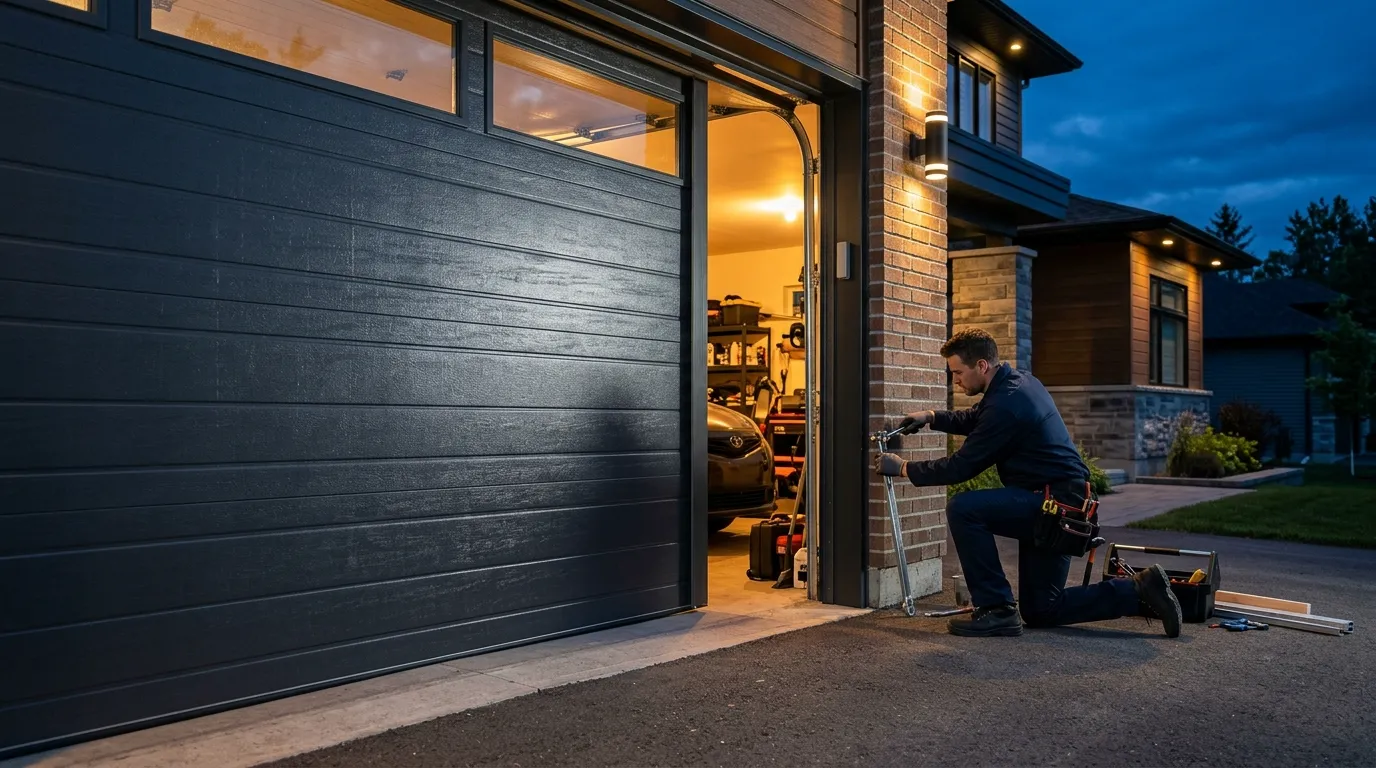
Most of what we see in Fairview is an opener that's been running since the house was built. With a median build year of 2006, a lot of these units are pushing 15 to 20 years old, which is right around when the logic board, the drive gear, or the safety sensors start going. That changes what the job costs. A gear-and-sprocket kit or a new circuit board on an aging unit runs less than swapping the whole opener, and if the motor still pulls strong, we'd rather fix the part that failed than sell you a new box. We don't quote a number here because it depends on what's actually broken and what brand you've got mounted to the ceiling - that's a conversation once we're looking at it. Fairview's median household income sits at $107,308, close to the wider area's $110,357, and most owners here want the repair that makes sense, not the upsell. If the motor's seized or the board's fried past the point of a $40 part fixing it, we'll tell you straight that replacement is the better spend. We're not going to pad a repair bill on a 15-year-old unit that's better off retired.
How We Fix It
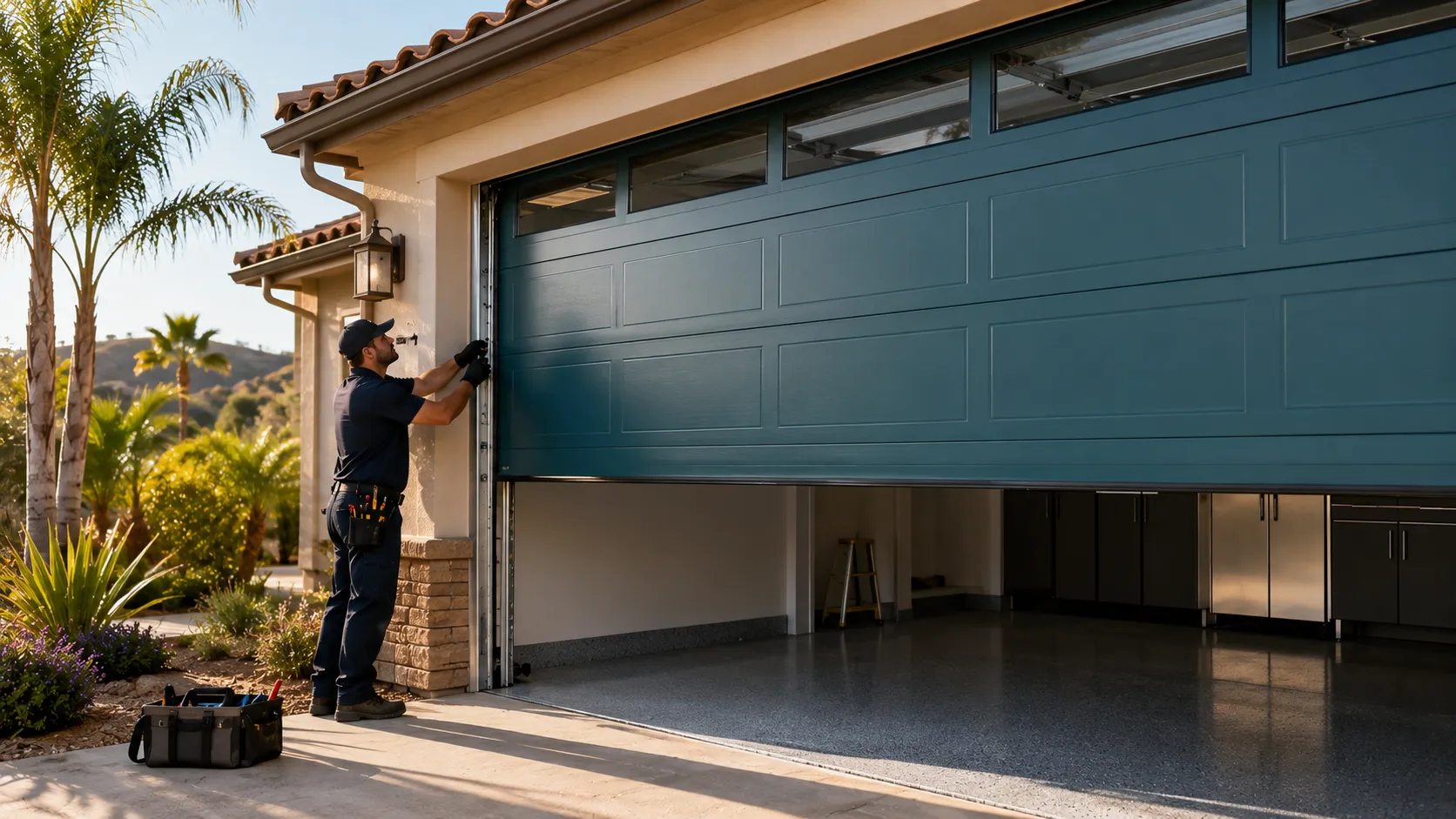
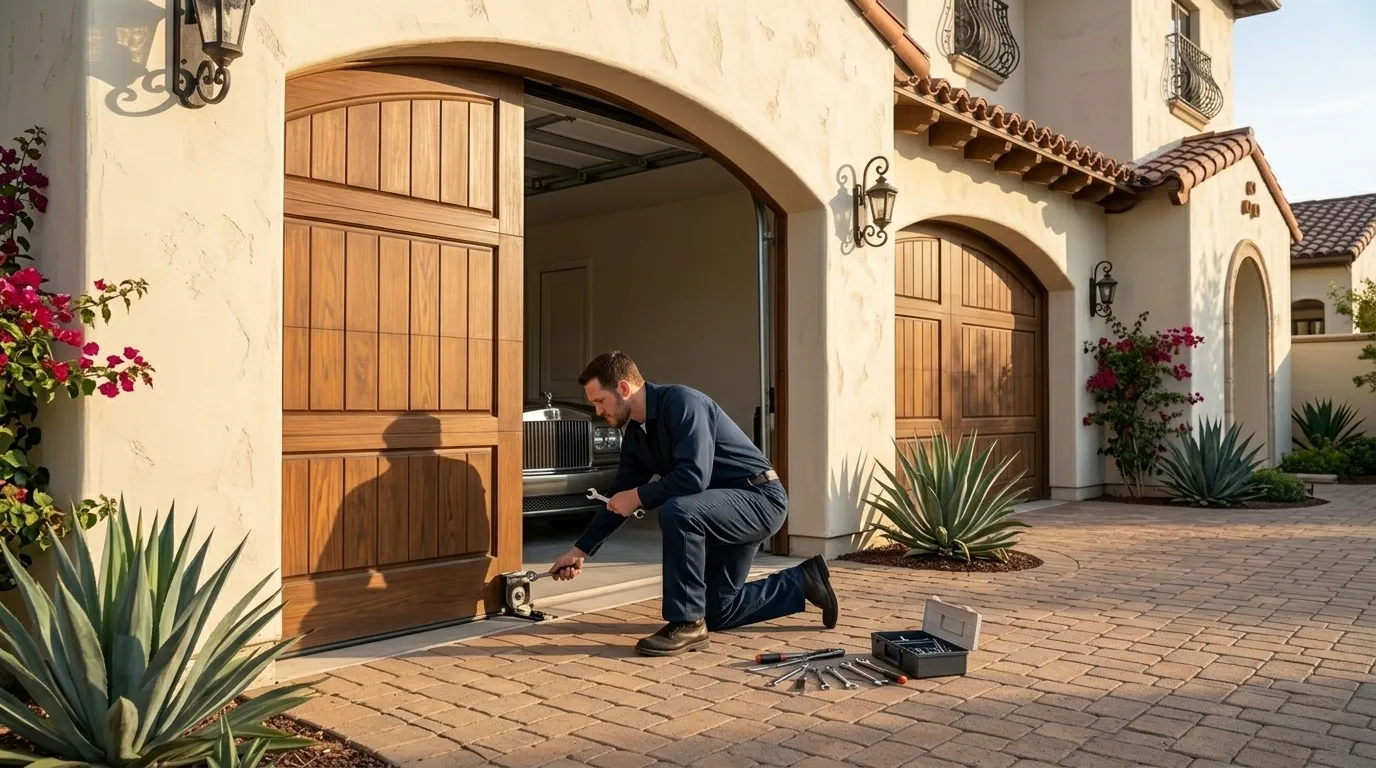
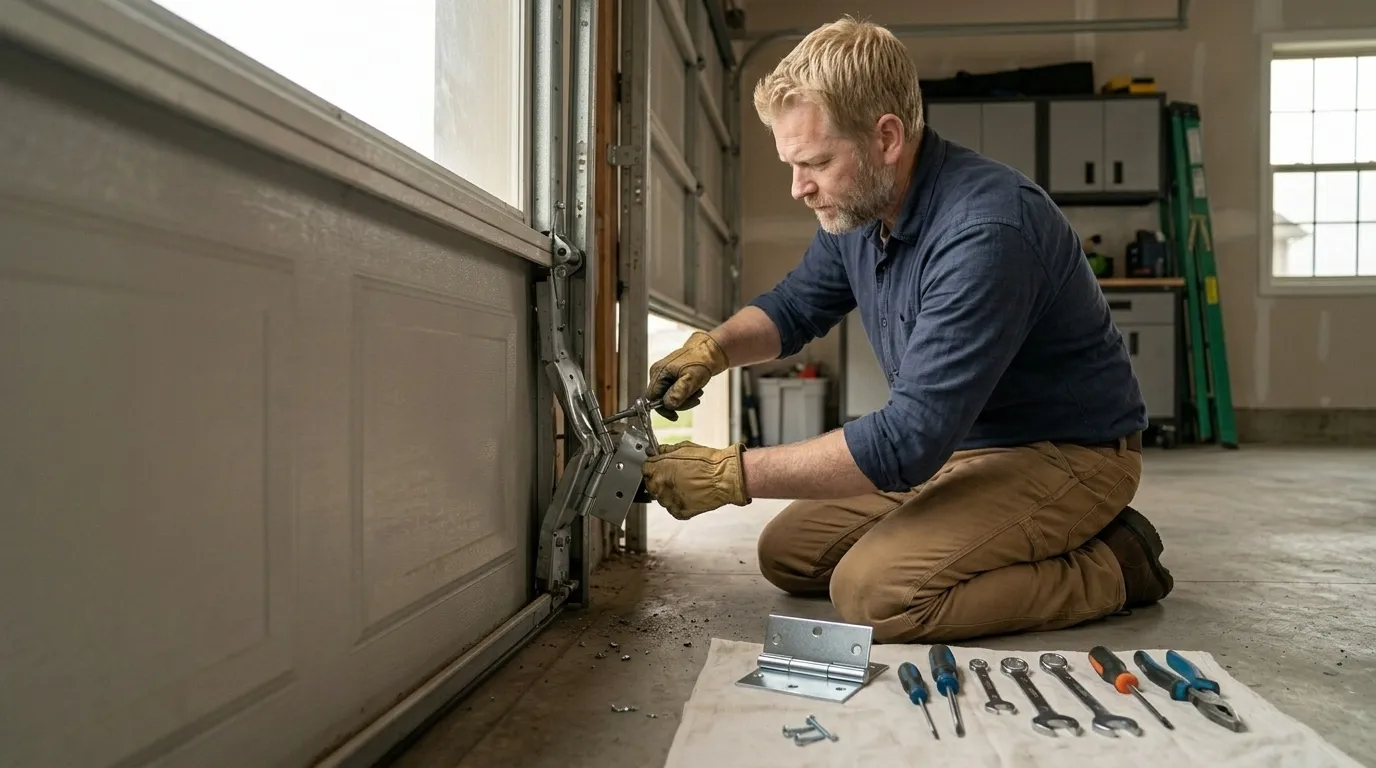
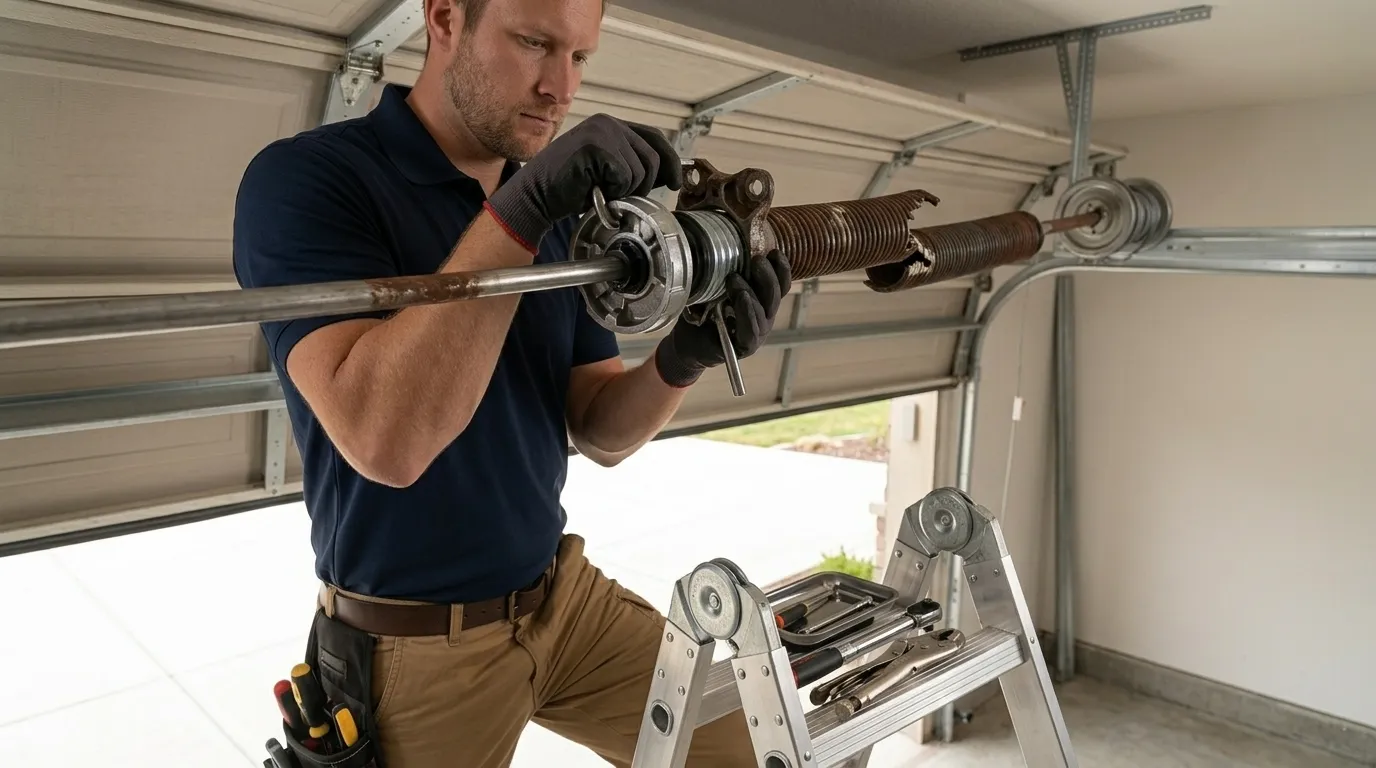
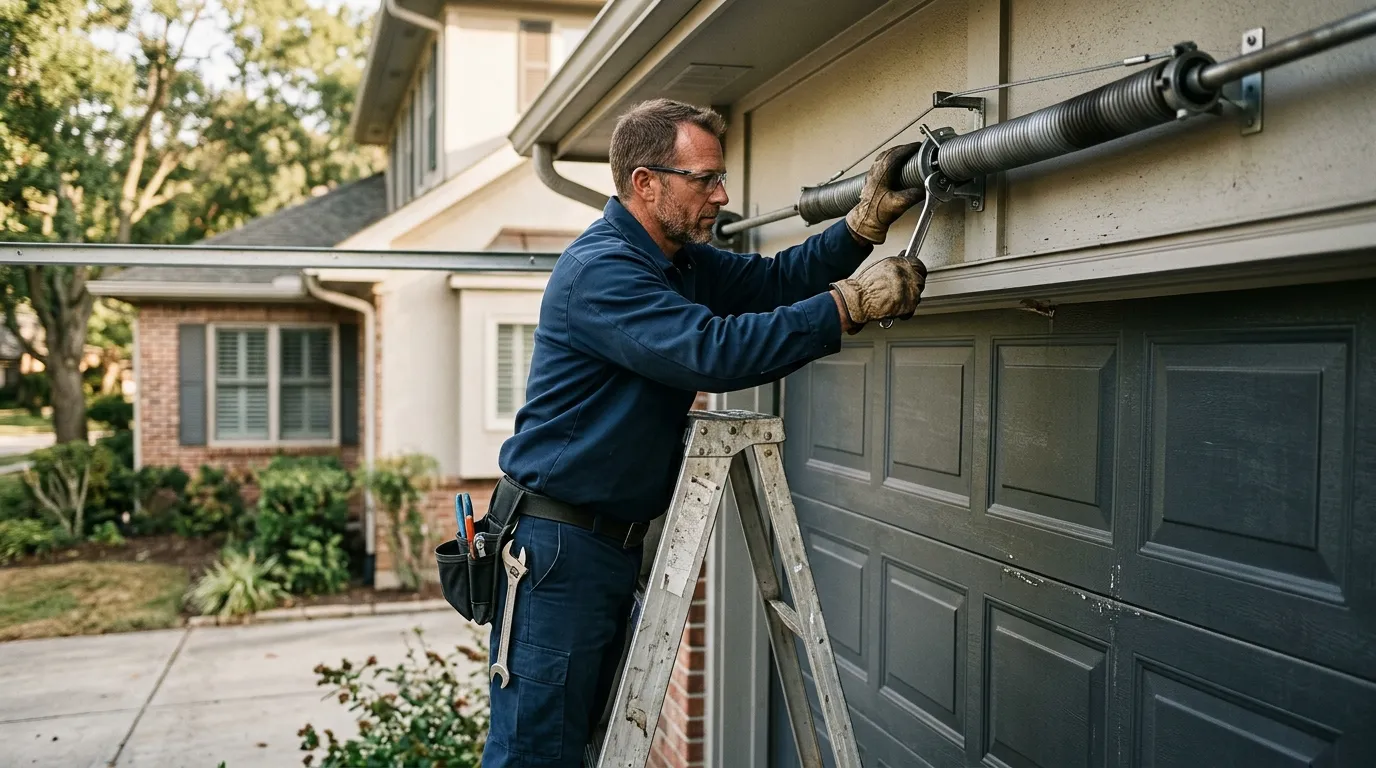
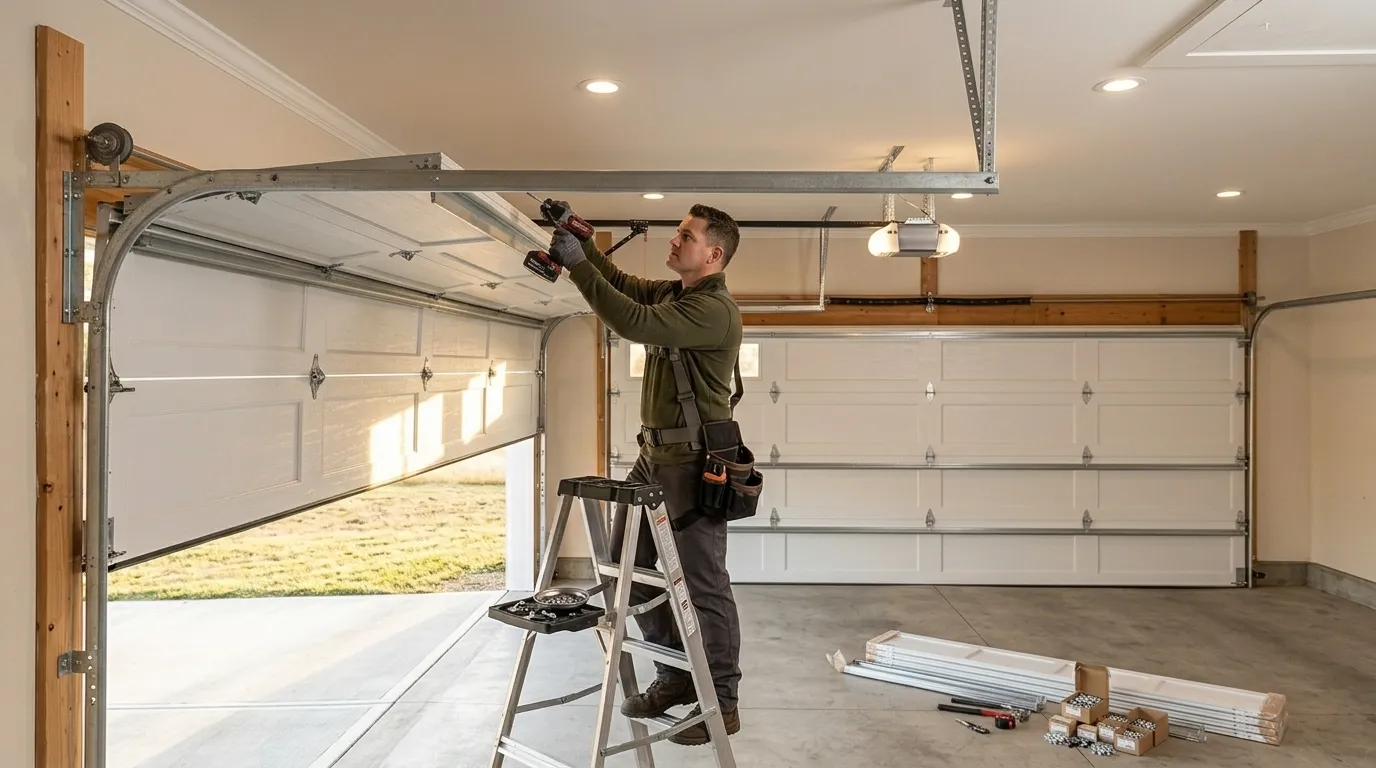
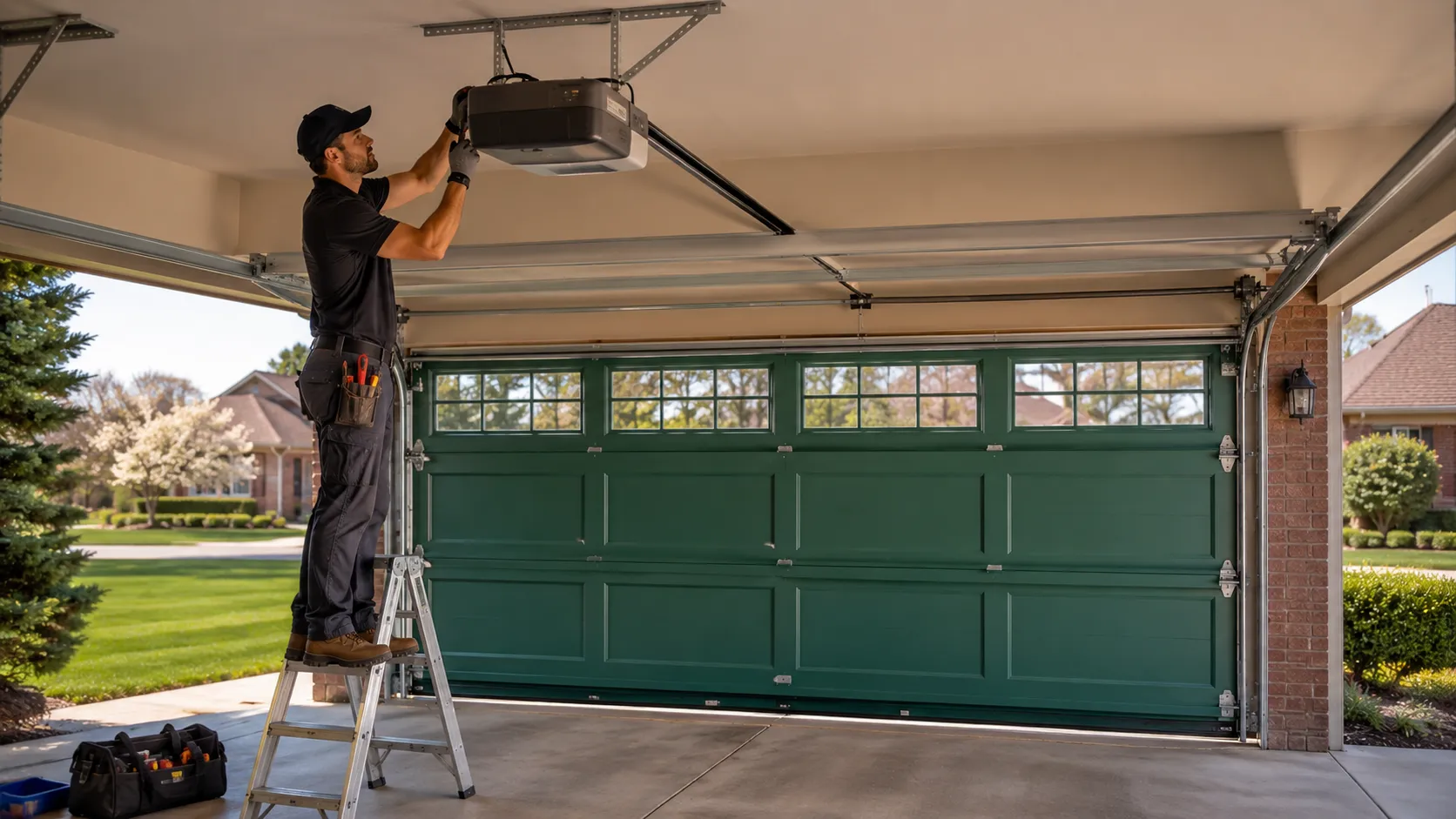
We start at the wall control and work back: power to the unit, then the logic board, then the motor and drive mechanism, then the sensors at the base of the track. In this climate band - cold winters, not the deep freezes further north but enough to matter - we check the sensor eyes and the wiring first, because condensation and temperature swings loosen those connections faster than people expect, and a door that won't close is often just a dirty or misaligned sensor, not a dead opener. If it's mechanical - stripped gear, worn drive chain, a belt that's jumped its track - we replace that part on the bench of the truck and reset the travel limits before we leave. Boards get swapped, not repaired; there's no fixing a fried circuit board in the field. What we don't do is guess. If the unit's original to the house and parts for that model are discontinued, we say so and lay out the replacement option instead of chasing a part that doesn't exist anymore.
What You Are Seeing
The opener that won't respond to the remote but works from the wall button is almost always a dead remote battery or a receiver that's lost its programming - cheap fix. A door that reverses halfway down is the safety sensors, misaligned or dirty, more common than people think in a house with a decade-plus-old opener. Grinding or a door that opens slower than it used to points to the drive gear wearing down, a known failure point once a chain-drive unit passes the ten-year mark, which puts a lot of Fairview's 2006-era units right in that window now. A humming motor that doesn't move the door at all usually means a stripped gear or a capacitor that's given out. None of these need a new opener on their own - most are a part swap, not a replacement.