The Cost of This Job
What a job runs in Fairview isn't the same math as a job in an older part of the service area, and that's worth saying up front. The median home here was built in 2006, which puts Fairview at the newer end of the 1985-2015 window that covers this whole area. Newer builds mean less structural surprise: fewer warped jambs, fewer doors that were hung slightly off from the start. What drives cost here is usually hardware wear, not hardware mismatch. A torsion spring rated for a mid-2000s door is a stock size, not a special order, so parts aren't the bottleneck they'd be on an older house. Fairview also sits a notch below the area's overall median household income - $107,308 against a service-area figure of $110,357 - which doesn't change what a repair costs but does shape which jobs get done as repairs and which get done as replacements. We won't quote a number here without seeing the door; we will tell you plainly when a $200 fix is smarter than a $180 patch that fails again in a year.
How We Fix It
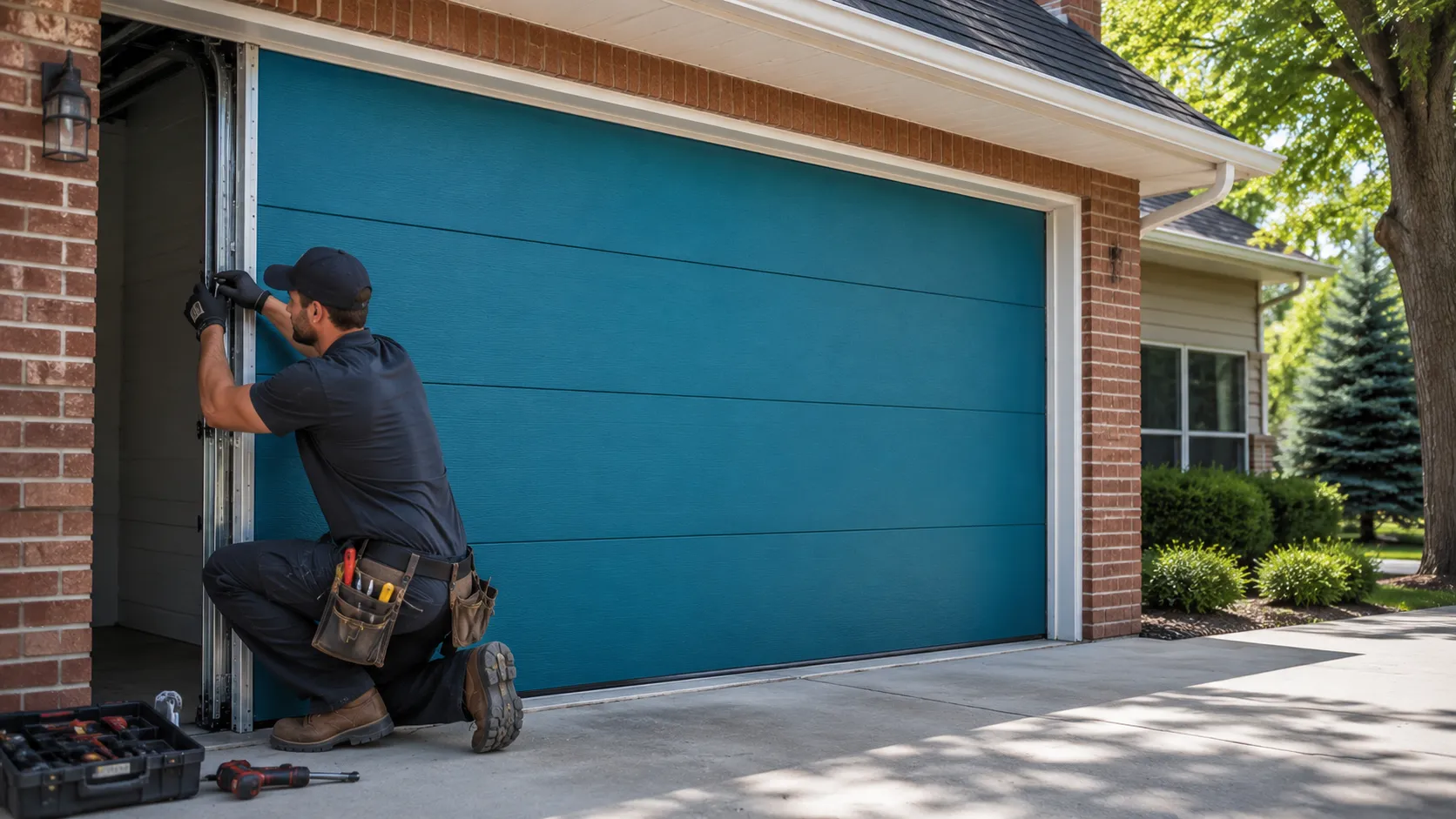
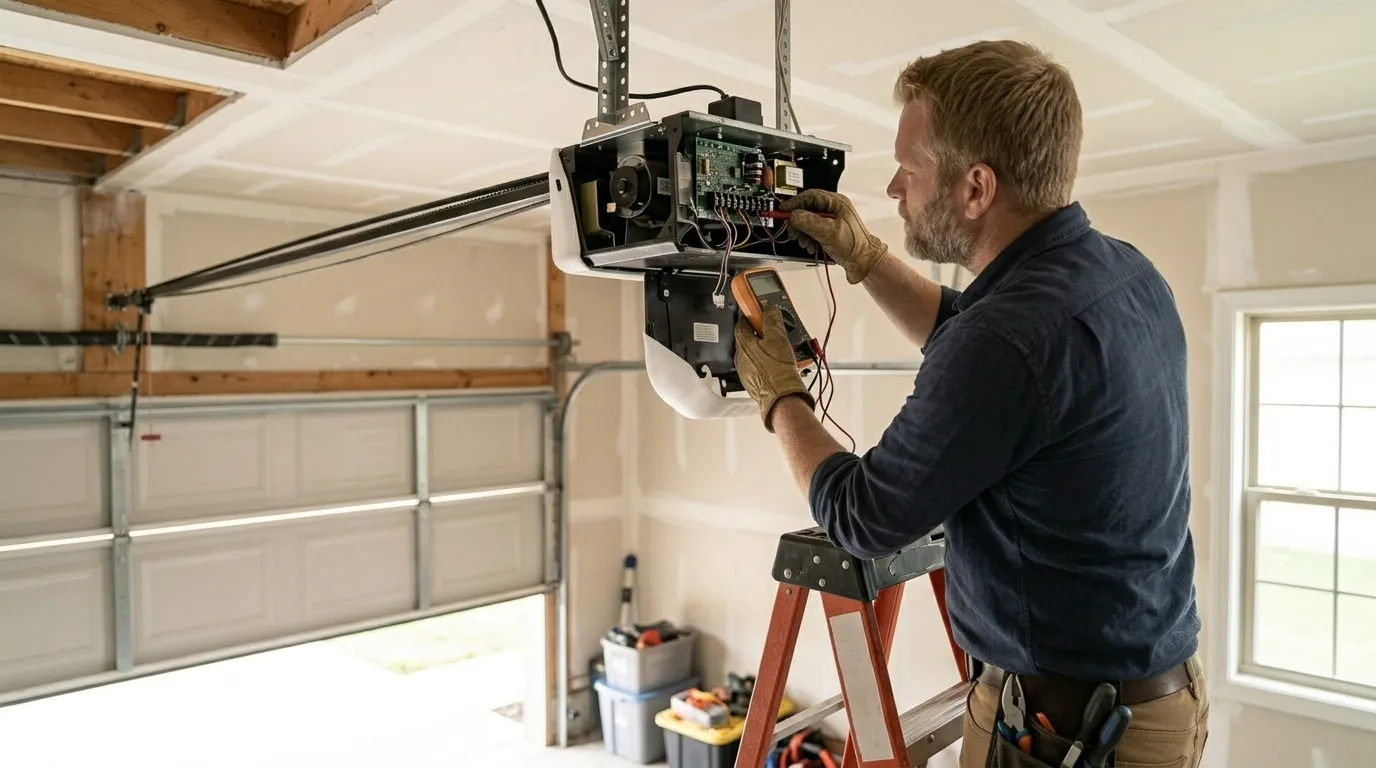
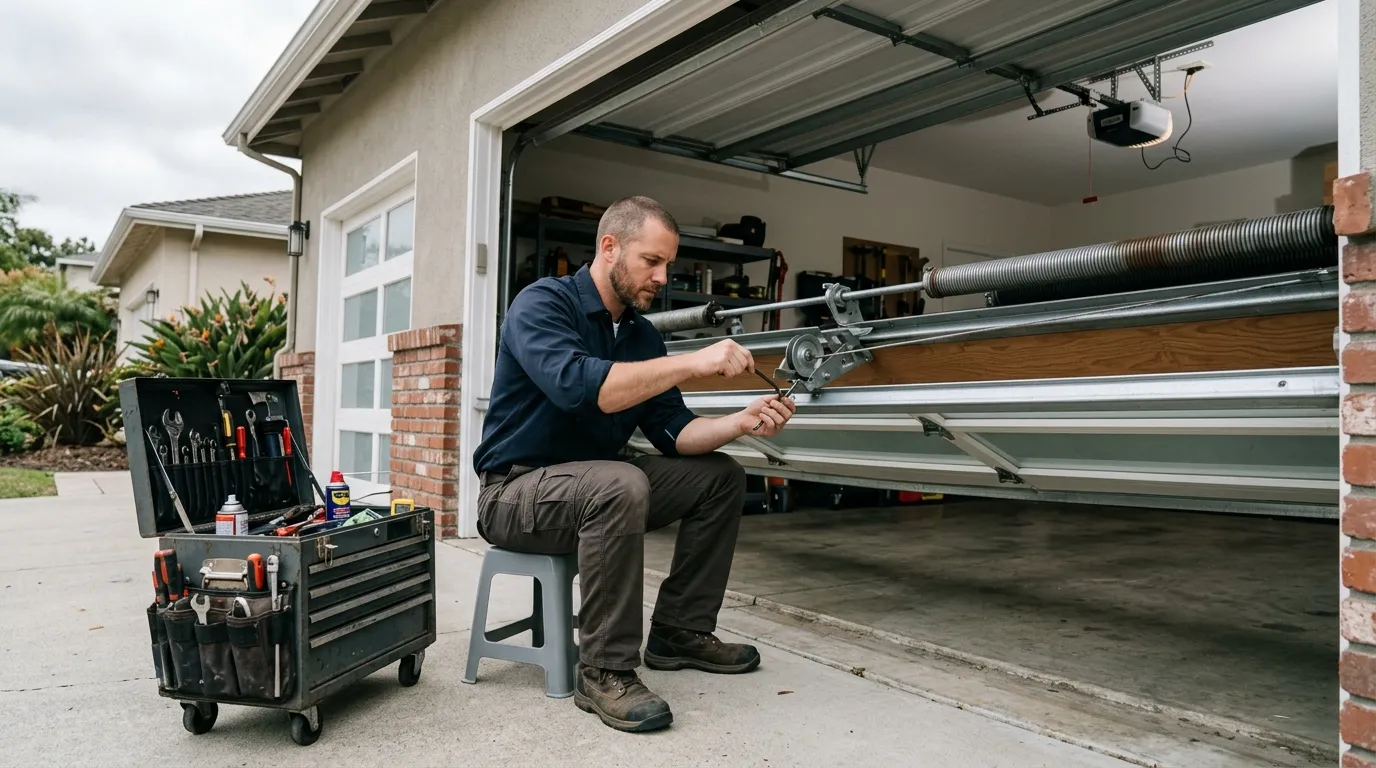
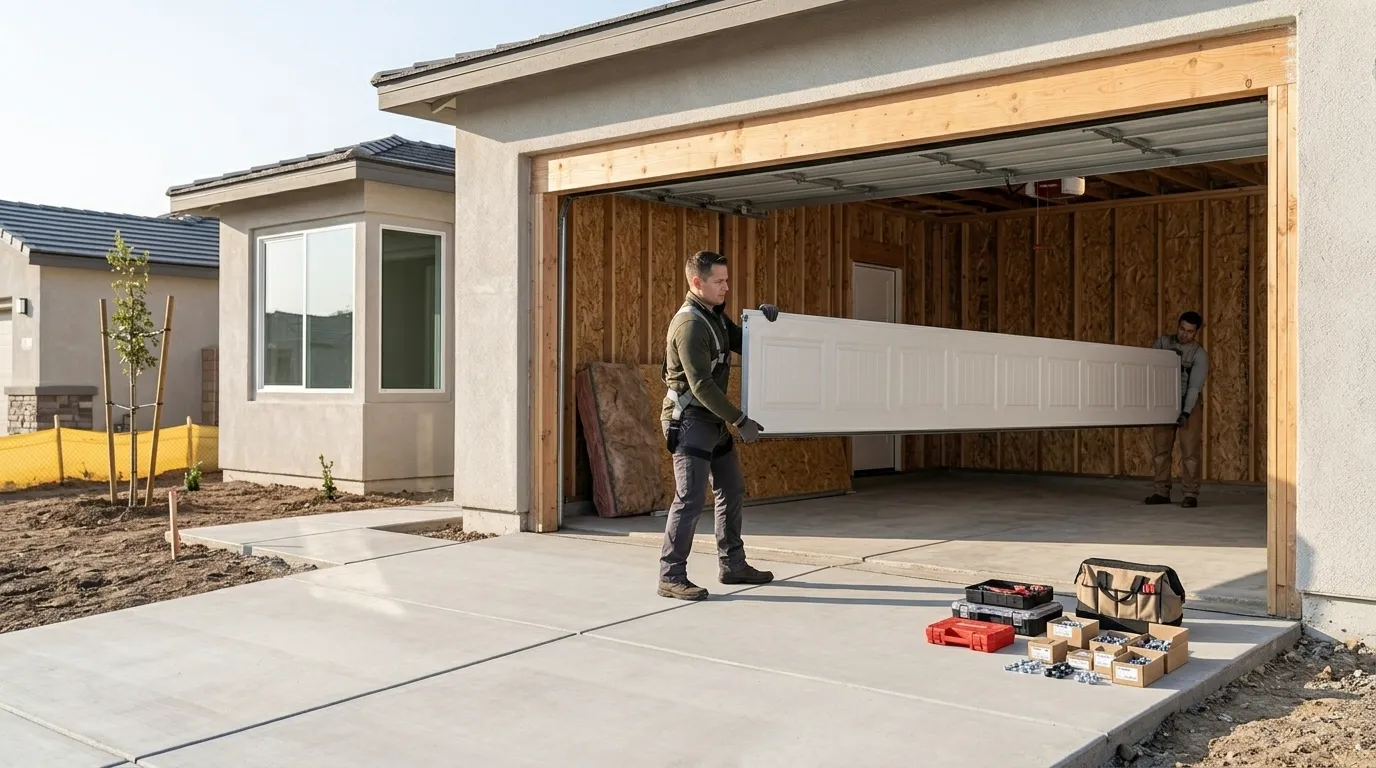
Because Fairview's housing stock centers on 2006, most of what we open up is factory torsion spring systems on steel sectional doors, paired with openers that are old enough now to be showing their age but young enough that replacement parts still exist. We're not prying open ancient extension-spring drums or improvising brackets for a door style nobody made after 1990 - that's a different job, in a different part of the area. What we do see, and what a 2006-era door doesn't hide well, is spring fatigue from repeated cold-to-warm cycling. The area sits in a moderate cold climate band, and steel torsion springs lose tension faster with that kind of swing than they do in a flat, mild climate. Our fix on a Fairview call is usually a like-for-like torsion spring replacement matched to the original door weight and drum size, a track alignment check, and a look at the opener's force settings, which drift over years of temperature change and start putting extra strain on the spring that's already working overtime.
What You Are Seeing
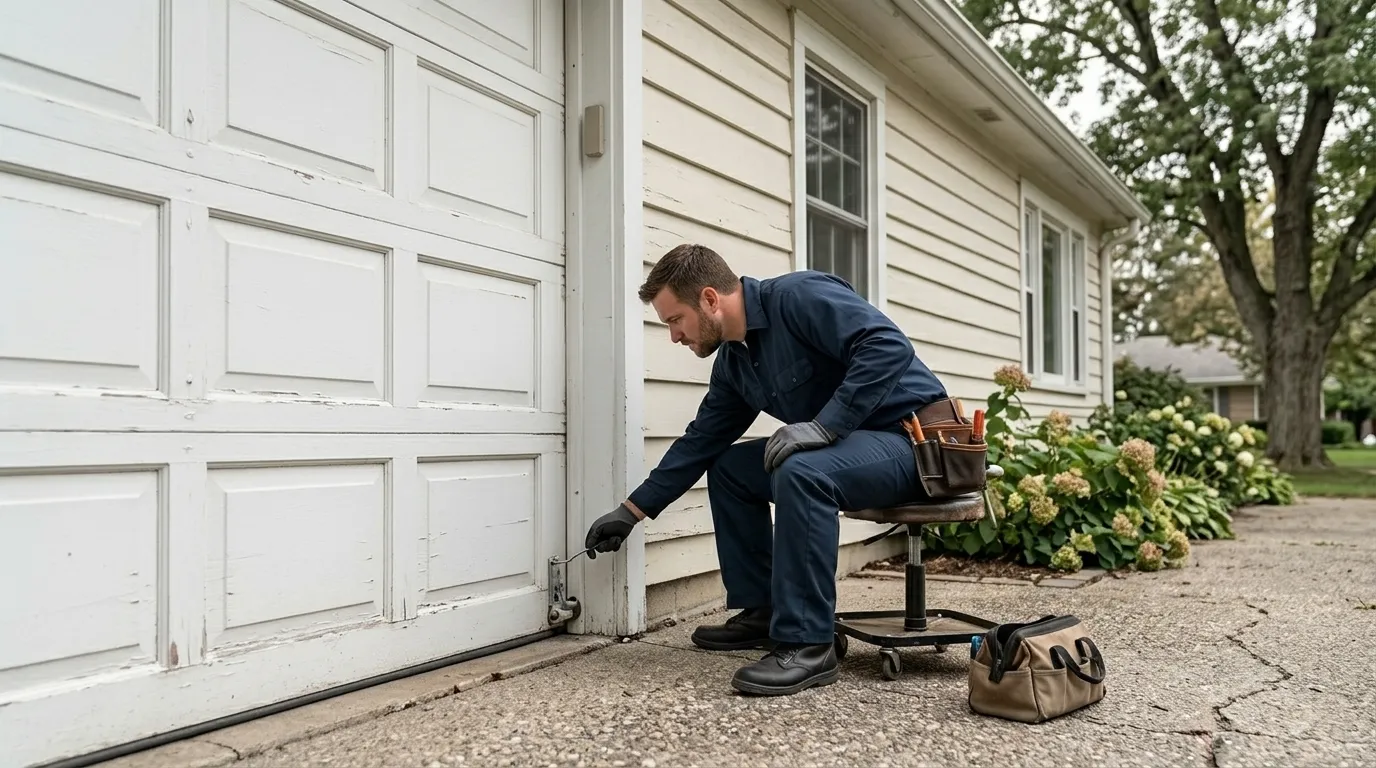
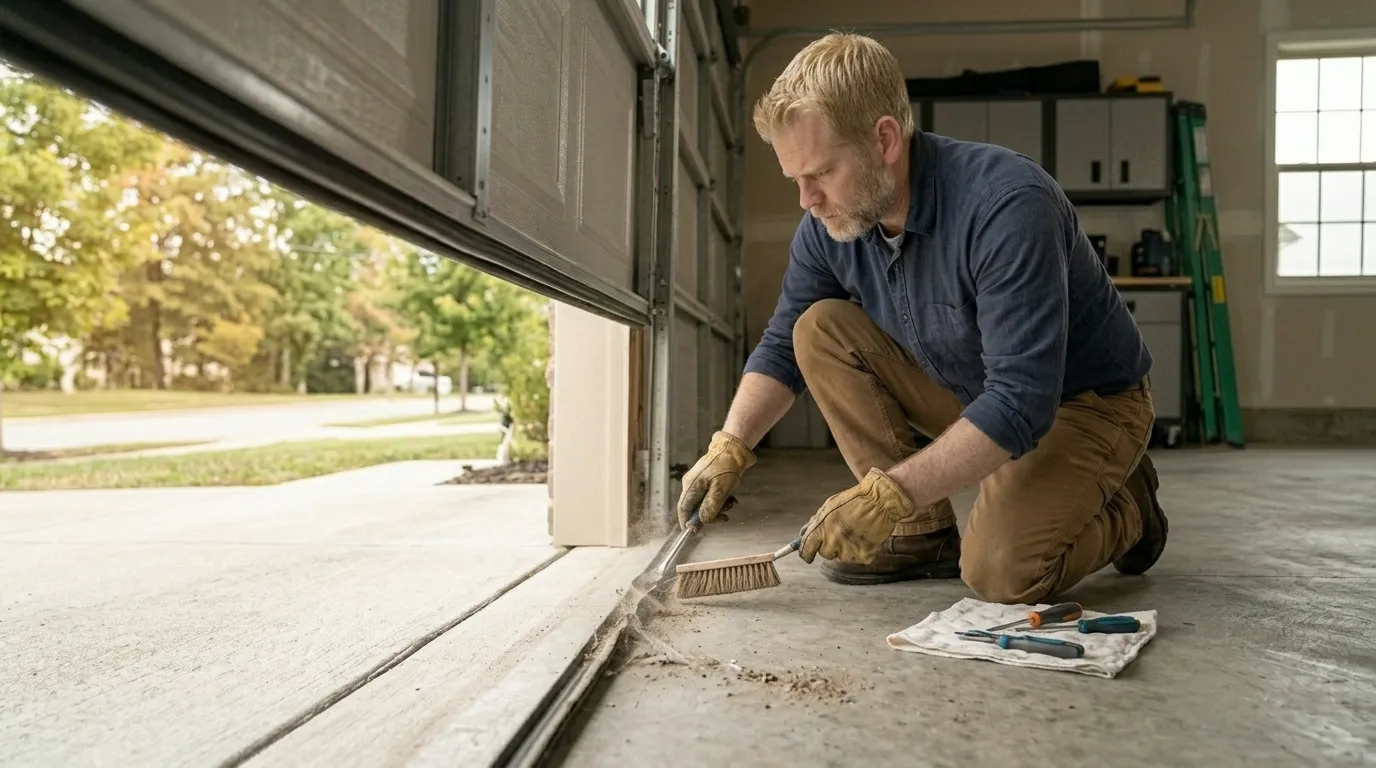
If your garage door in Fairview is groaning, slamming the last foot of travel, or the opener is straining and reversing before it closes, that's a spring losing tension - common on a house built around 2006, since that's about the age where the original spring starts to give out under this area's cold-to-warm cycling. If the door is heavy to lift by hand with the opener disconnected, same story: worn spring, not a bad opener. A door that judders on one side but not the other usually points to a bent track or a roller that's finally quit, which shows up more in houses with the original builder-grade rollers still in place. What we don't see much of in Fairview is the rot and warped-panel damage you get on much older wood doors elsewhere in the area - these houses are simply too new for that particular problem.