The Cost of This Job
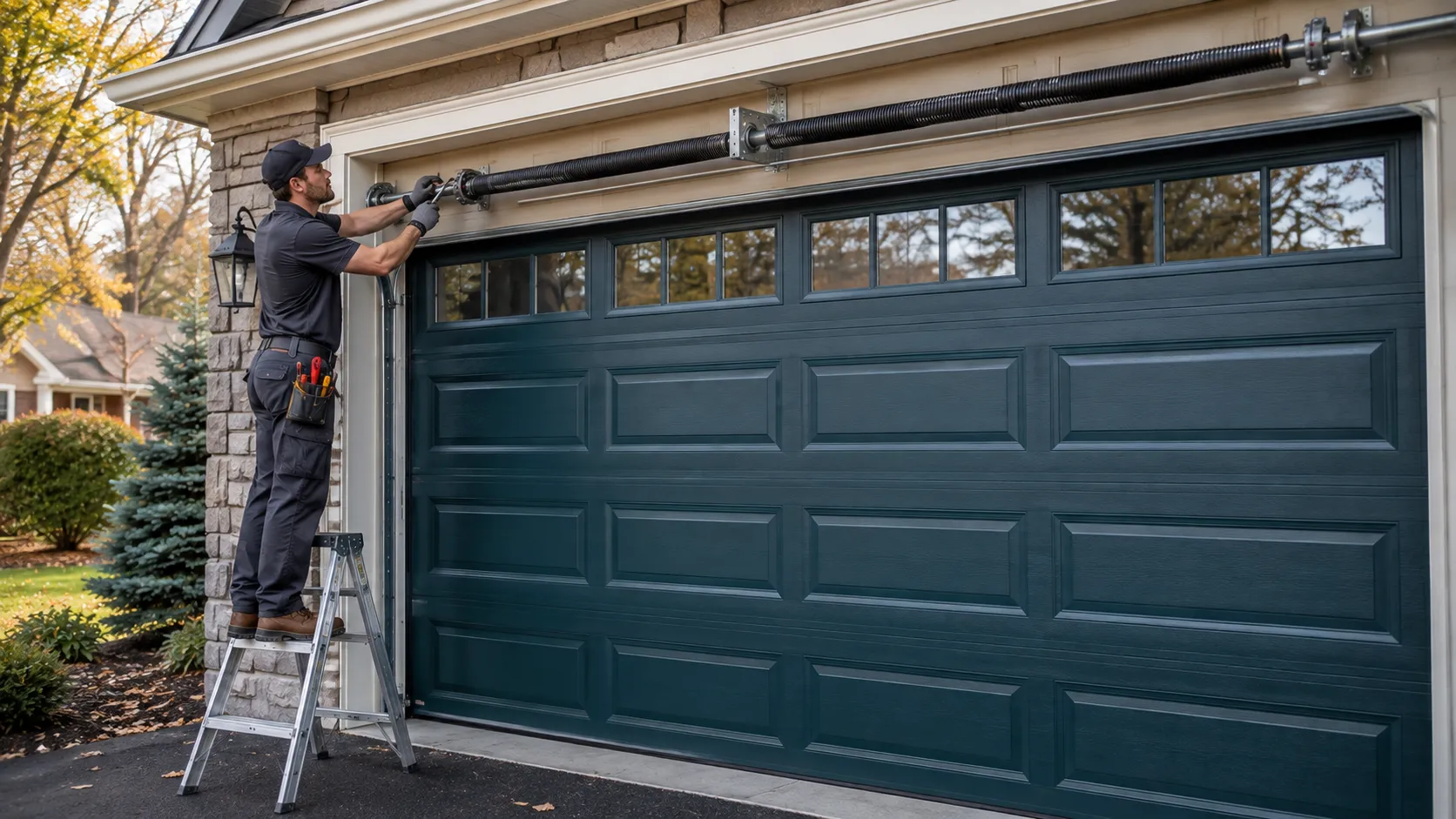
Fairview is a smaller town, around 4,390 households, which means fewer garage doors overall but a fairly consistent build era behind them. Most of the housing here went up around 2006, well inside the broader area's 1985-2015 build window, so what we run into is almost always a two-spring torsion system on a double door rather than the older single-spring setups you'd find in a town with an older housing stock. That consistency actually keeps the job simpler to price - we're not guessing at what's behind the panel. A broken torsion spring on a double door built in this era usually means a standard-wind-count replacement, not a hunt for an obsolete part. What changes the number is spring size relative to door weight, and whether one spring failed or both are near the end of their cycle count and should go together. We don't sell a single spring replacement on a matched pair if the other side is close behind it - we'll tell you that up front, even if it means a bigger invoice than you were expecting. Median household income in this part of the service area runs a bit above six figures, and most jobs here are priced closer to what that build era calls for: standard torsion hardware, not the cheaper stamped-steel brackets older doors sometimes carry.
How We Fix It
On a torsion system, we clamp the shaft, wind down the broken spring under control, and pull both springs if the second one is close to worn out - which on a house built around 2006 usually means somewhere in the range of 10,000 to 15,000 cycles already logged if the door sees regular daily use. We check the drums, the bearing plates, and the cable condition while the shaft is unloaded, because that's the only time it's safe to look at those parts closely. If the winding cones or shaft show wear from the original install, we'll point it out rather than just bolt new springs onto tired hardware. We size the new springs to the door's actual weight, not just to what was there before - insulated double doors from this build era often run heavier than the springs originally installed for them handled well over a decade of cycles. One thing we won't do: we won't quote a repair over the phone sight-unseen and call it final. Spring sizing without seeing the door and its hardware is a guess, and a wrong-sized spring either won't lift the door safely or will blow out again inside a year.
What You Are Seeing
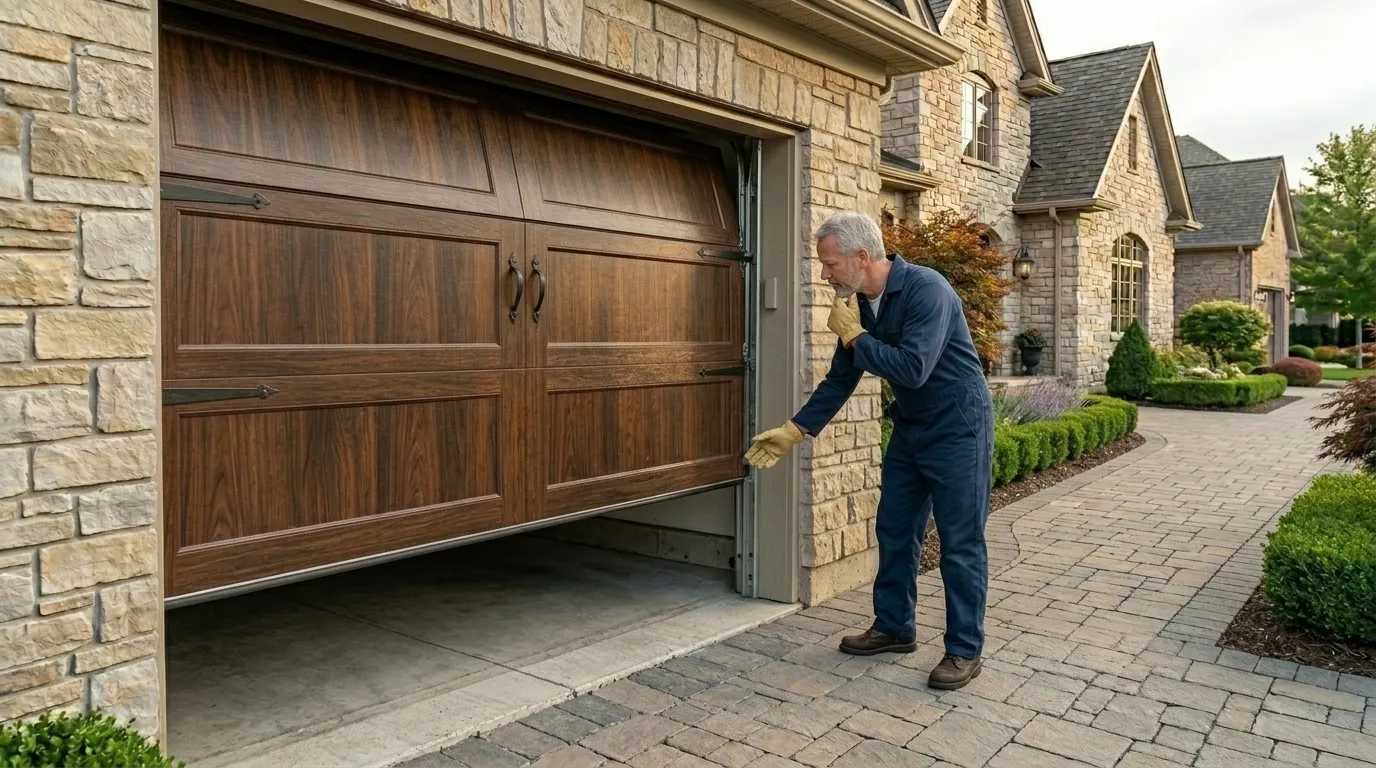
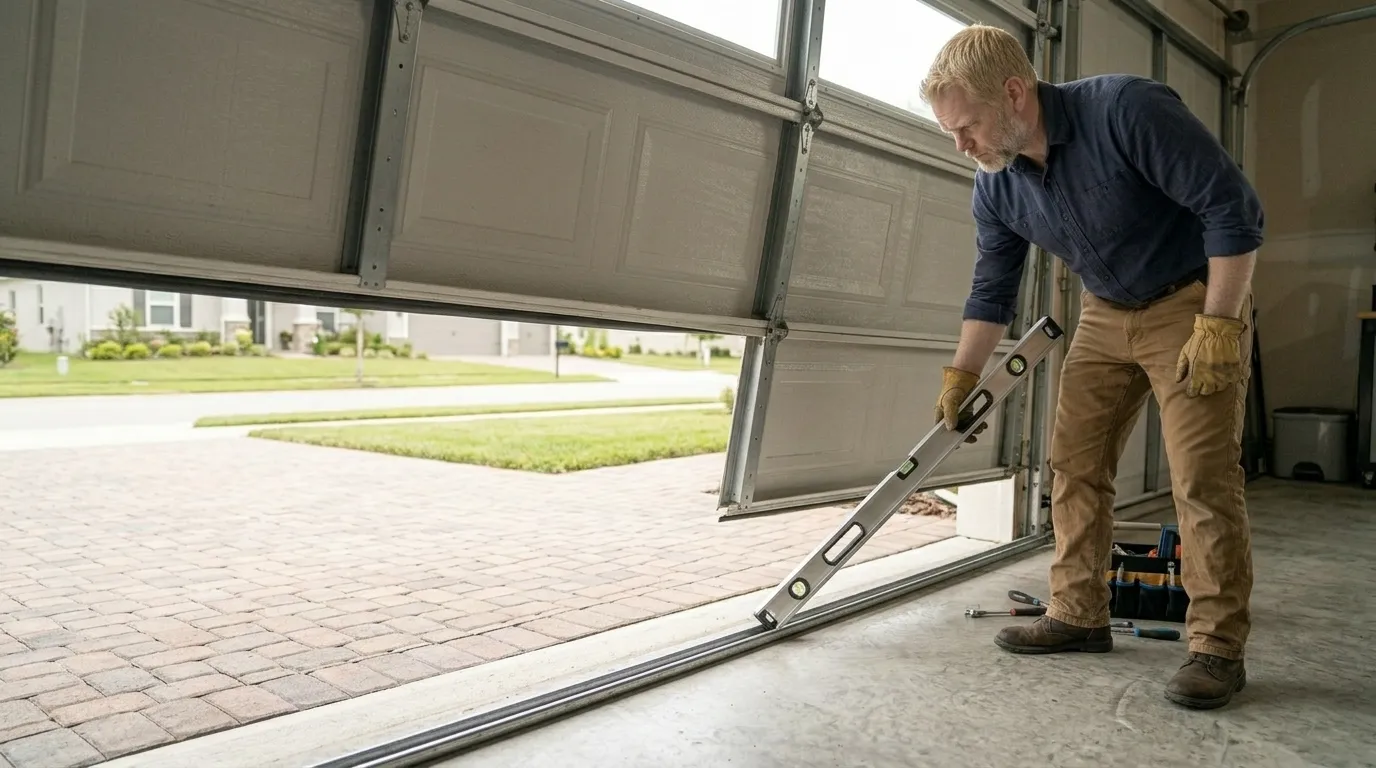
If your door won't budge, or it opens a few inches and stops, or the opener strains and reverses itself, that's a broken torsion spring, not an opener problem - the opener is doing its job trying to lift a door that's now too heavy for it to handle alone. A loud bang from the garage, usually mid-morning or overnight when temperatures shift, is often the spring itself failing under tension. On the double-door torsion setups common in Fairview's newer housing stock, you'll also sometimes see one side of the door hang lower than the other, which usually means one spring let go while its pair is still holding. Don't disconnect the opener and try to muscle the door up by hand - a loaded or partially loaded spring under a jammed door is the single most dangerous thing in a home garage, and it's not a DIY fix regardless of how straightforward the parts look.