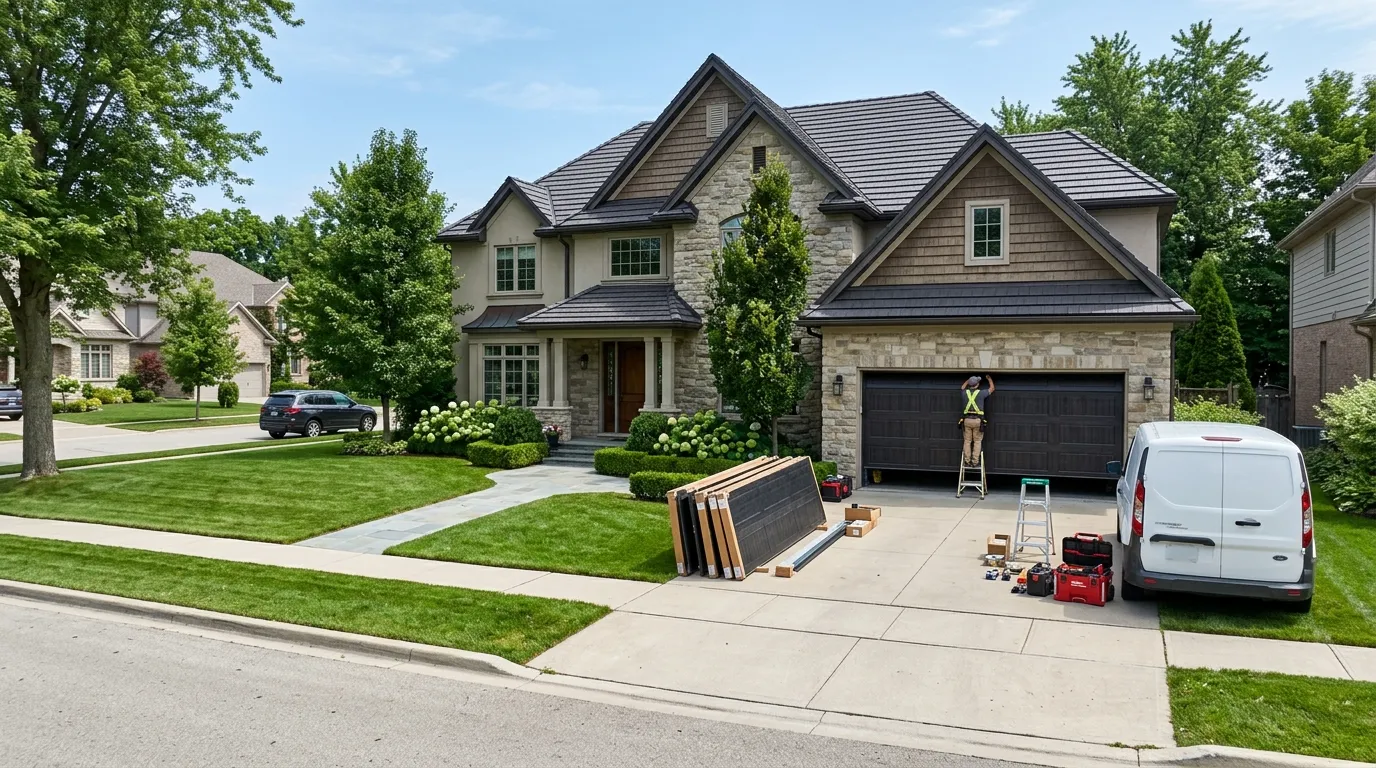
The Cost of This Job
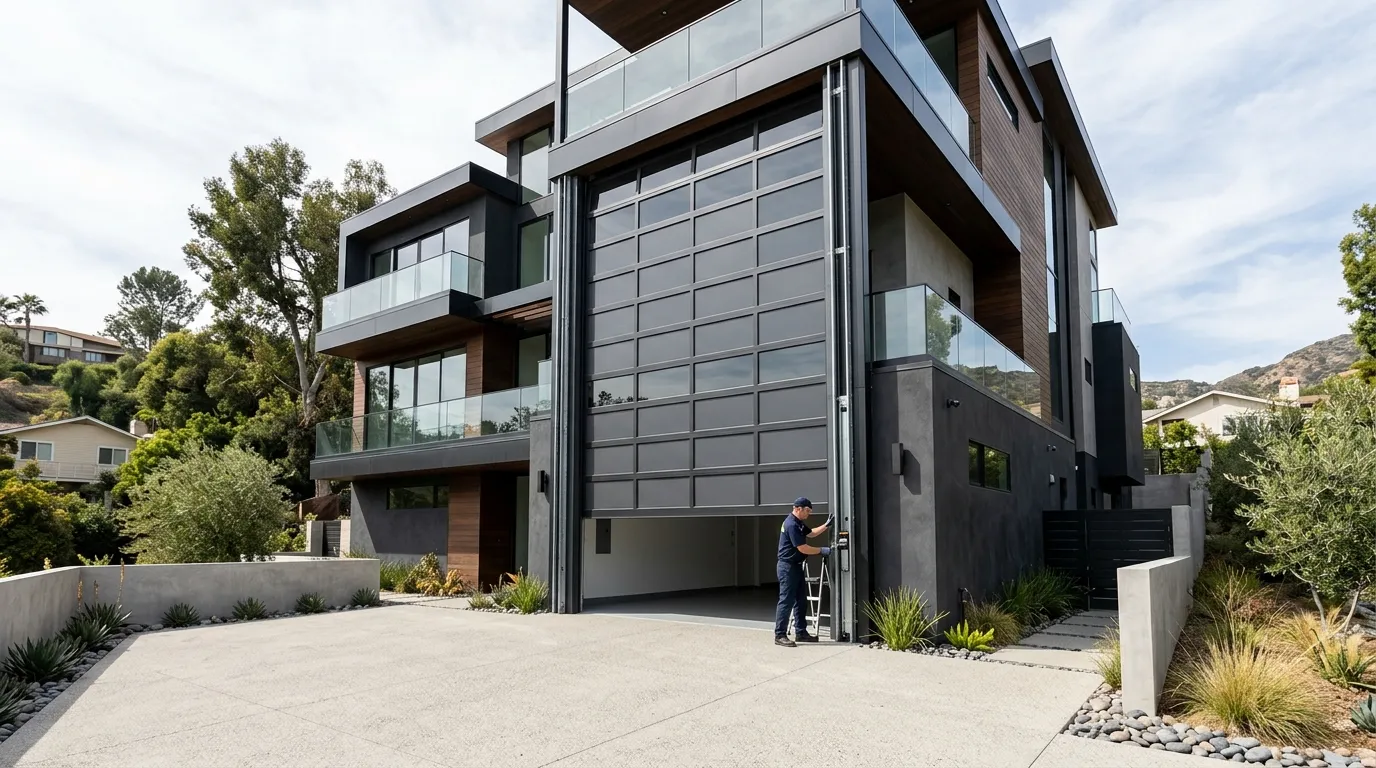
Fairview's median household income sits at $107,308, close to the $110,357 average across the wider service area but still its own number, and it matters because it sets where the repair-or-replace line falls. On a house built around 2006 - which is close to the norm for this area - a torsion spring, a bent track, or a bad opener board is almost always a repair job, not a replacement job. The door itself is young. The steel is straight, the track is factory-square, and the opener is usually a chain or belt drive still inside its expected service life. Where the math flips is when the springs, the bottom bracket, and the opener logic board all fail in the same visit on a door that's already 18-20 years old - at that point parts cost starts to close in on half the price of a new door and section, and replacement earns its keep. We don't push replacement on a door that just needs a spring. We also don't patch a door that's cheaper to swap out. Given the income band here, most Fairview jobs land on the repair side of that line, and we'll tell you plainly which side yours is on before we start.
How We Fix It
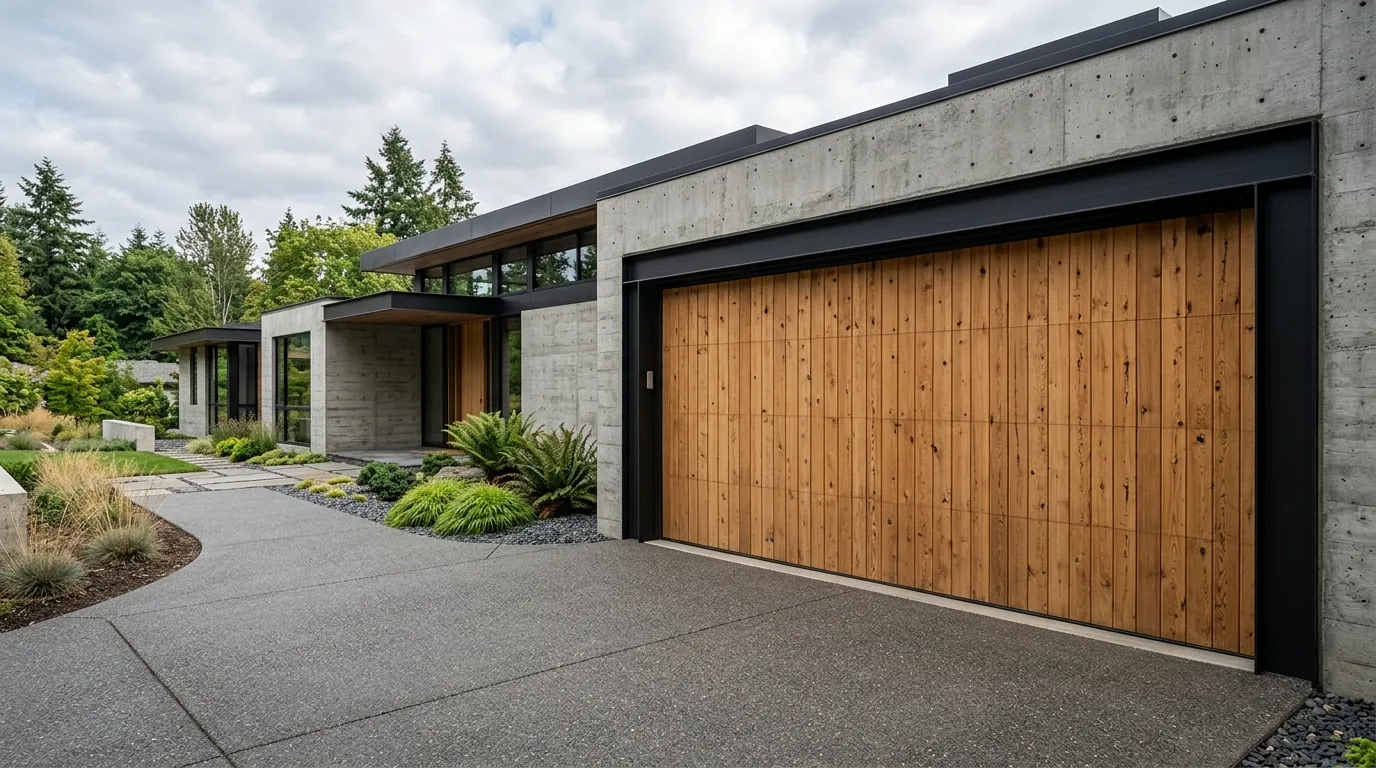
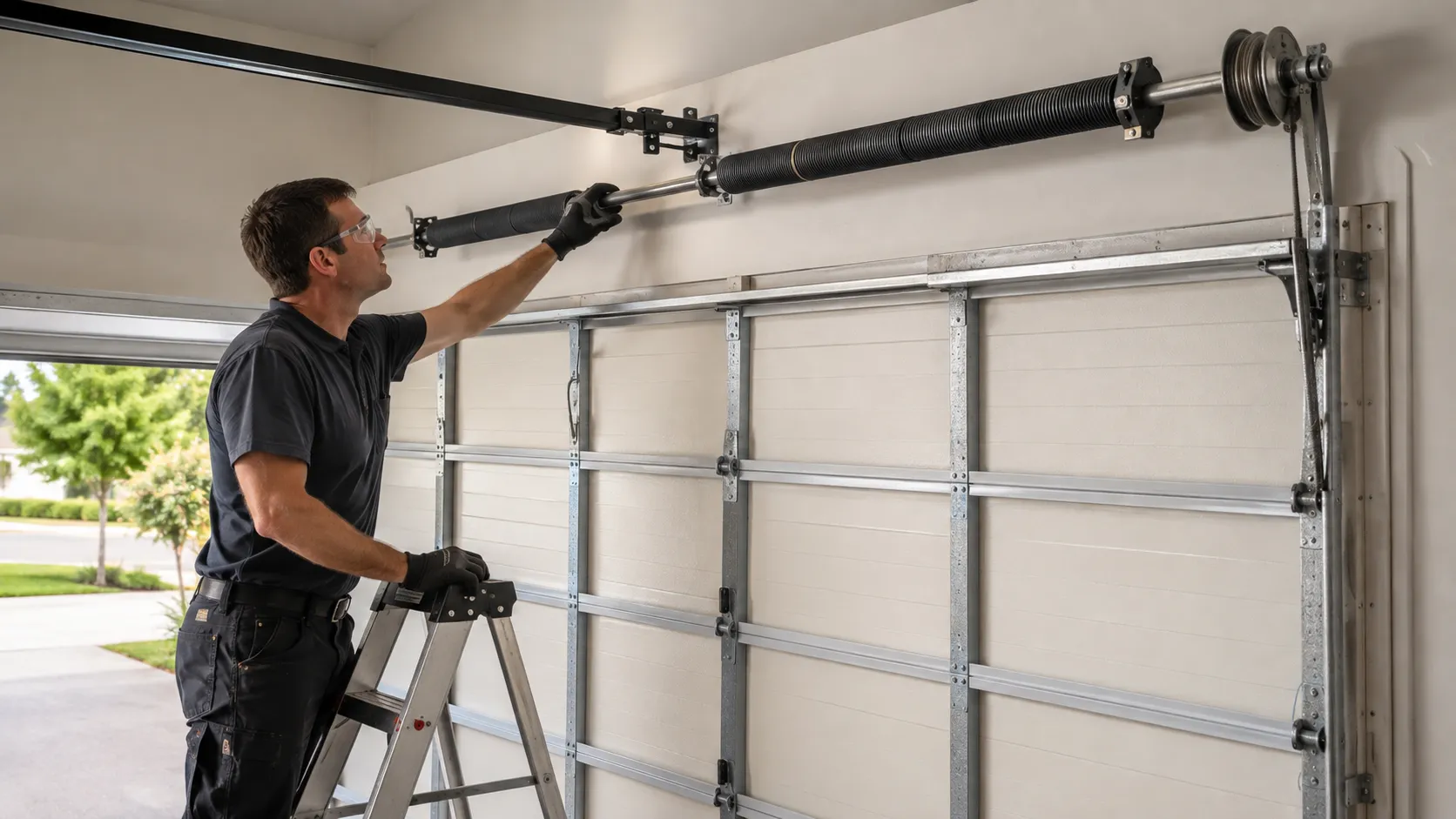
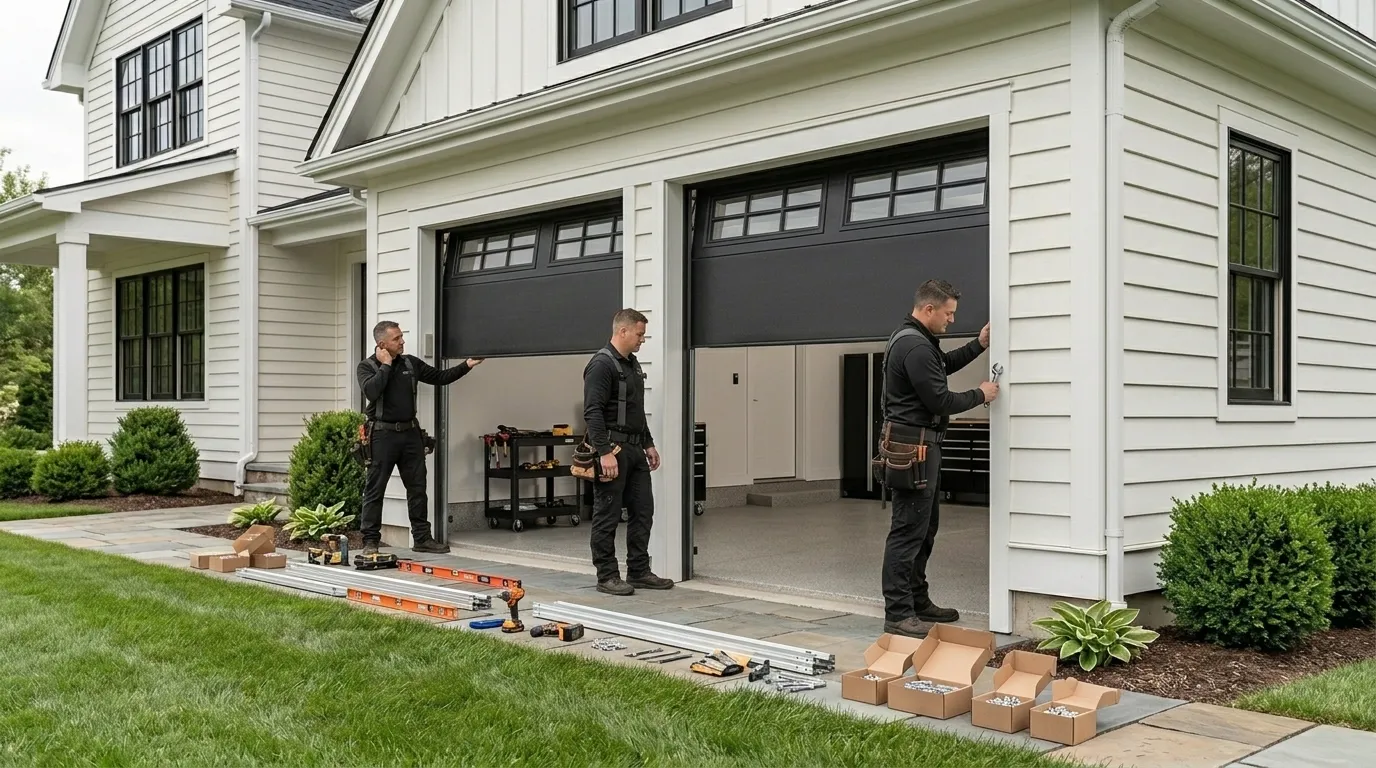
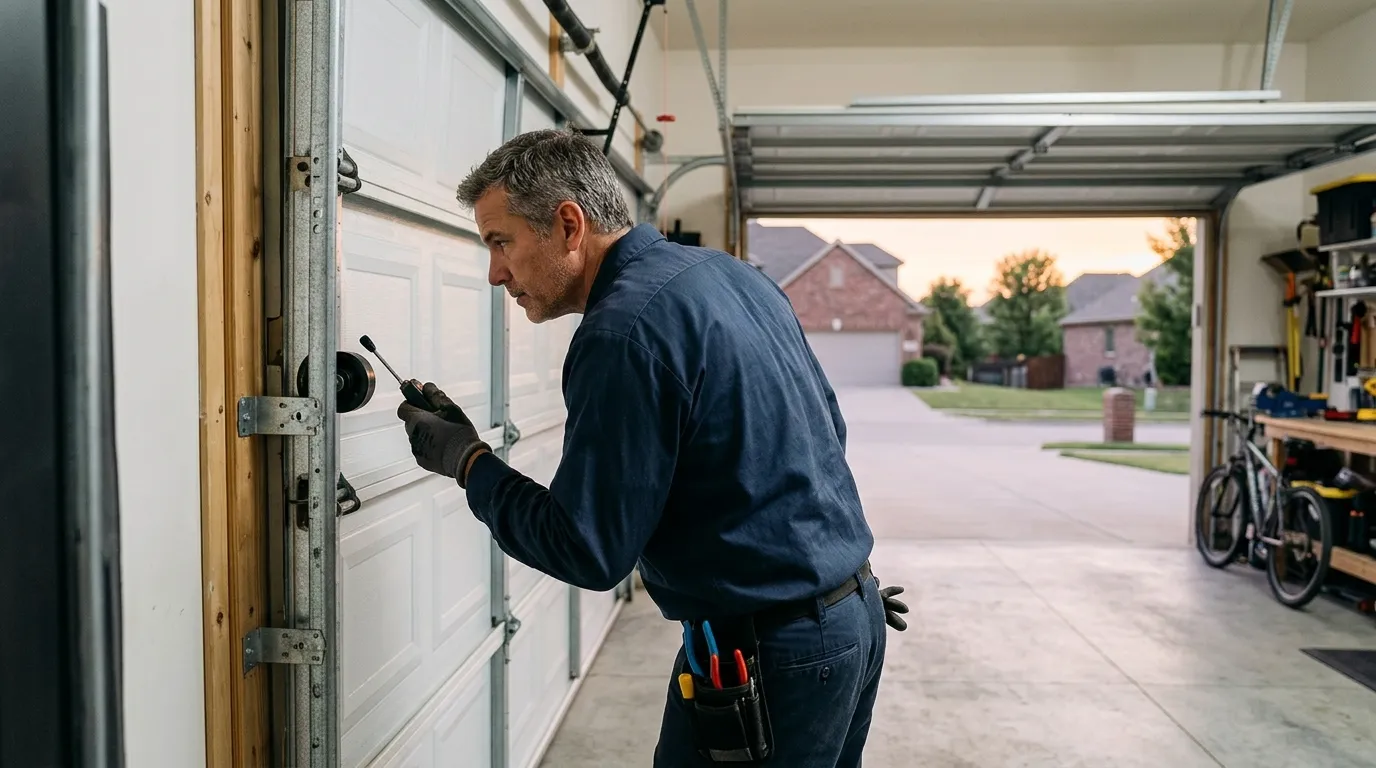
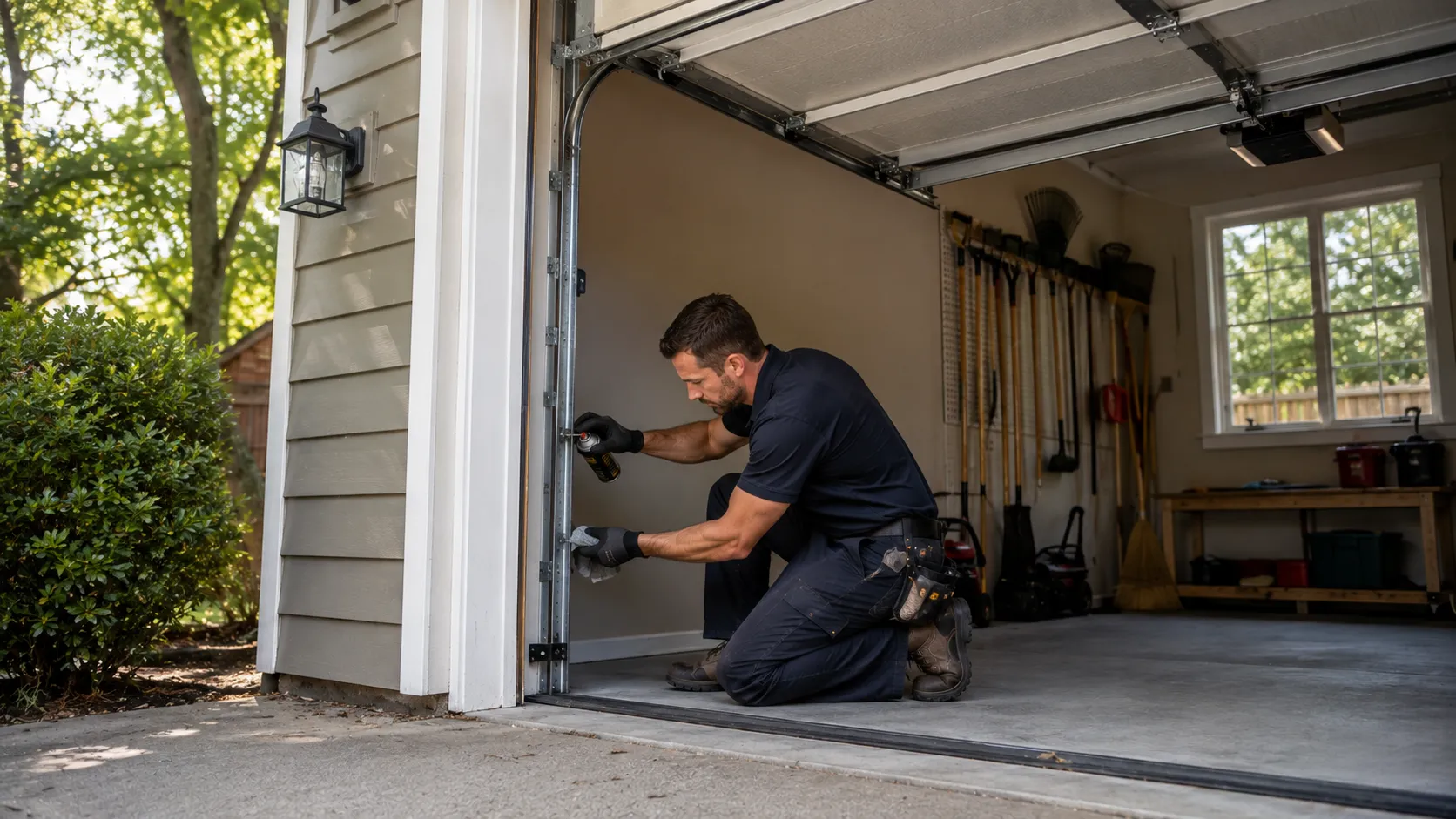
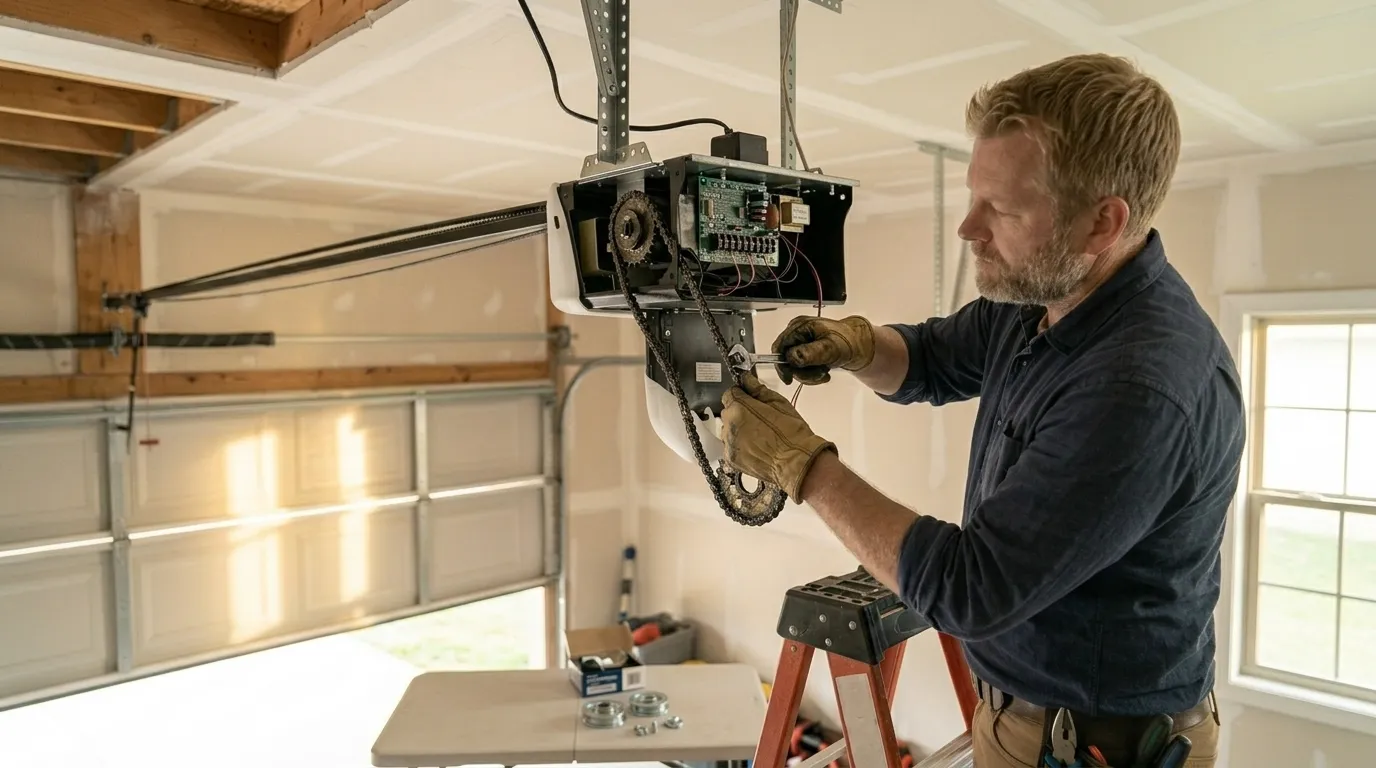
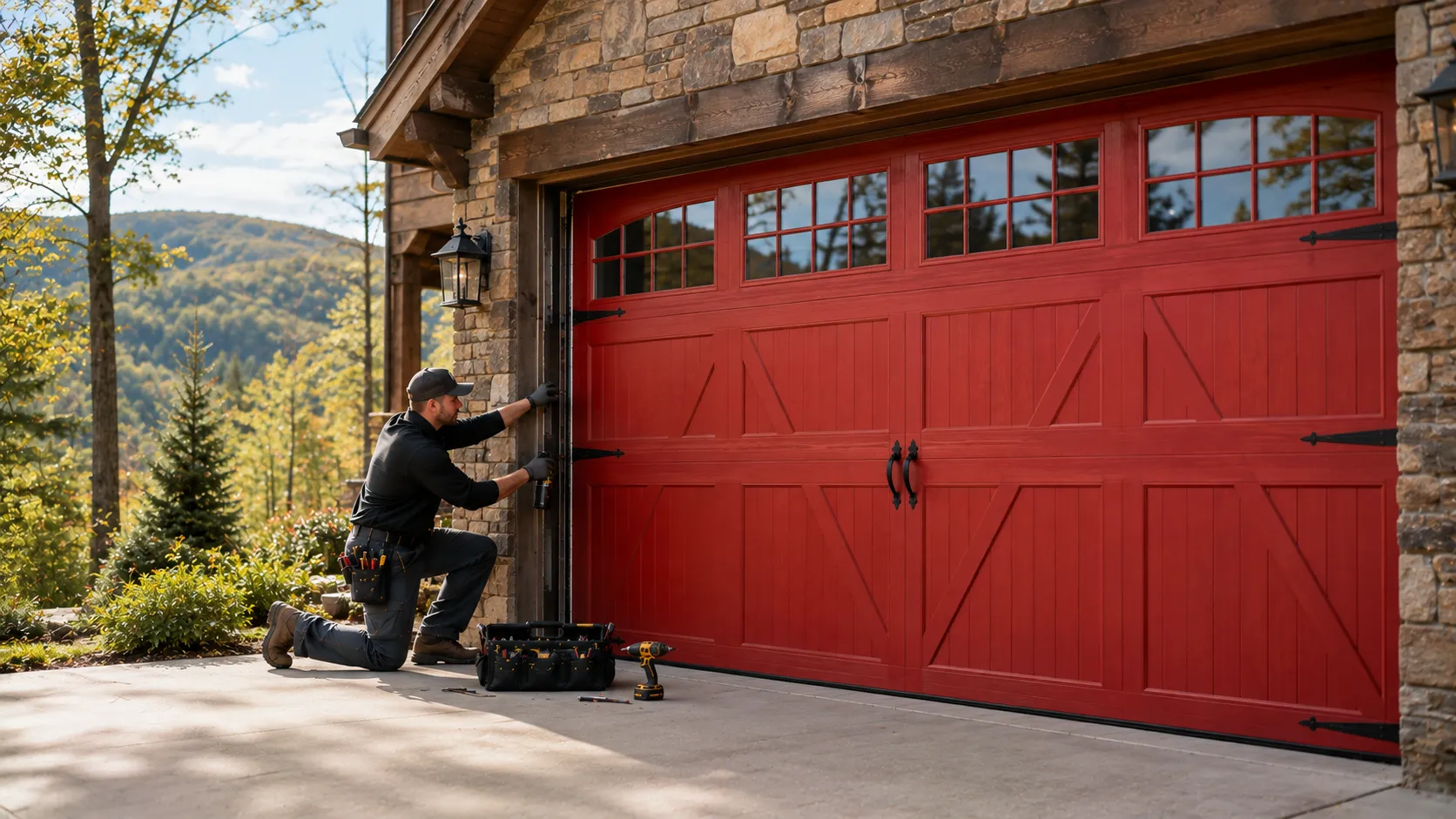
Houses in this area cluster tightly in the 2000s build era, and that consistency actually makes the repair straightforward. Doors from this period are almost all lift-type sectional doors on standard torsion spring setups mounted overhead, with steel or aluminum tracks bolted to a wood jamb that hasn't had 40 years to shift or rot. That means we're not fighting old side-mount hardware, hand-wound extension springs, or a jamb that's settled out of square - the kind of thing you find on much older housing stock. We check spring balance first, since a door that won't hold position mid-lift is almost always a spring problem, not a motor problem. From there it's rollers, cable condition at the drum, and the opener's force and travel settings. On a newer build like this, the fix is usually contained to one or two of those parts rather than a full system overhaul. We replace what's actually broken and leave the rest, and we'll show you the worn part before it goes in the truck.
What You Are Seeing
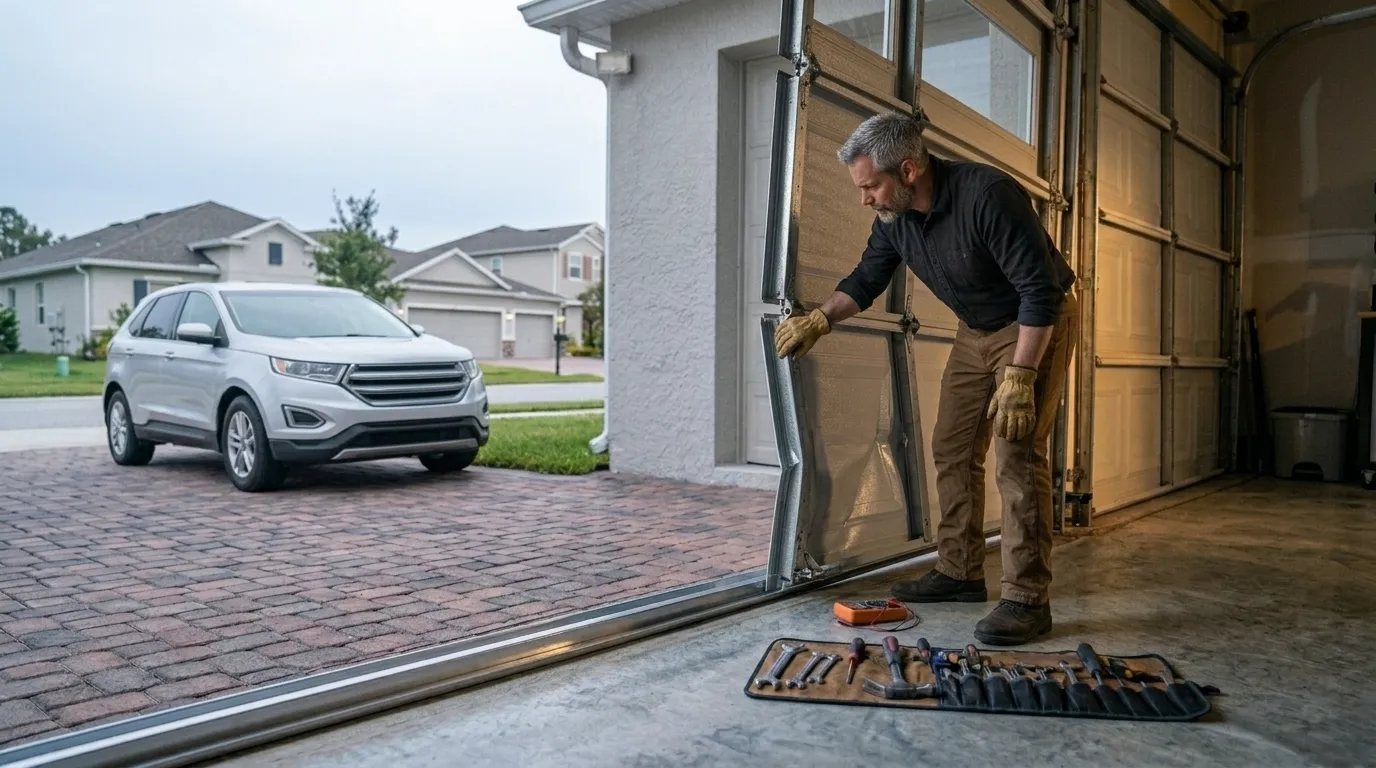
The region sits in a cold-moderate climate band, and on a door built in the mid-2000s the failure pattern that shows up is temperature-driven, not age-driven. Cold mornings stiffen torsion spring steel and thicken old lubricant, so a door that lifts fine at 2pm can bind, groan, or stall halfway up at 7am. That's not a sign the door is failing outright - it's usually a spring that needs re-tensioning or a track that needs a real lube job, not the silicone-spray kind. Watch for a door that reverses on its own partway up, a loud bang followed by the door refusing to move at all (classic broken spring), or a cable that's started to fray visibly at the bottom bracket. On this era of build we don't see much rust-through or rotted jamb wood, which is the more common problem on older housing stock elsewhere in the region. If your opener strains and clicks but the door barely moves, don't keep hitting the button - that's the motor fighting a mechanical problem, and it burns out the opener trying to solve a spring issue.