Where This Job Goes Sideways
Melissa's housing stock centers on 2015, newer than the 2004 median across the rest of this service area, which means the original torsion springs on these doors are only now reaching the age where they let go without warning. A torsion spring is good for something like 10,000 cycles, roughly 7 to 10 years of normal use, and a house built in 2015 is sitting right at that mark in 2024 and 2025. That's the call we get most from this suburb: a spring that's never been touched since the builder installed it, snapping on a cold morning when the door's asked to do the most work.
Because Melissa has about 5,333 households, a fraction of the 44,072 across the wider service area, this is a young, still-filling-in suburb where most garages have never had a second spring replacement. You don't have decades of prior repairs layered on top of each other here. What you have is one original install per house, aging out roughly on schedule, all around the same window. That's a different failure pattern than we see in older pockets nearby, and it's why we don't treat every call the same way.
How We Fix It
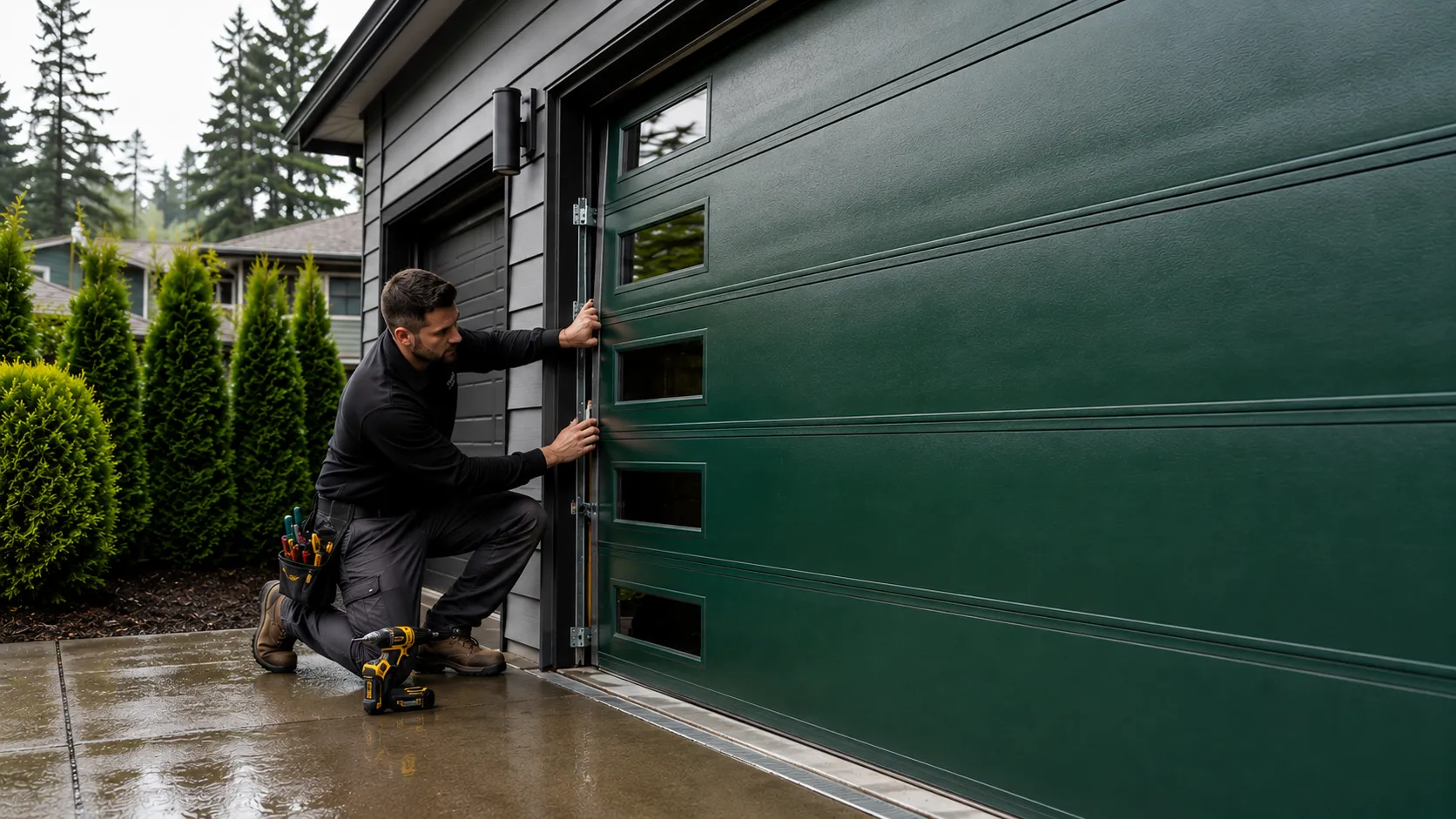
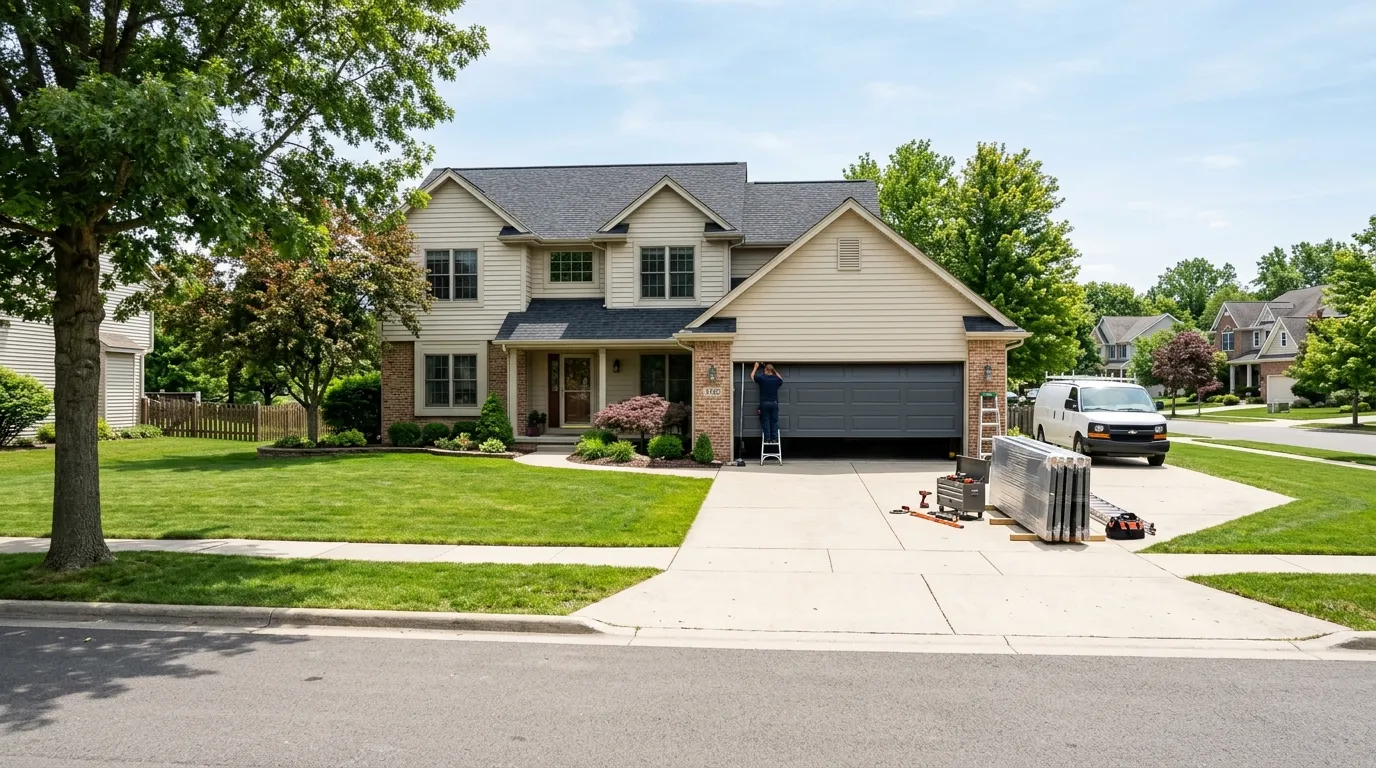
First thing on site: figure out if it's the spring, the cable, the opener, or the track, because those four faults look similar from the driveway but need completely different work. A broken torsion spring means winding down the tension safely, pulling the old spring, and setting a matched replacement - not something to do yourself with the door still loaded.
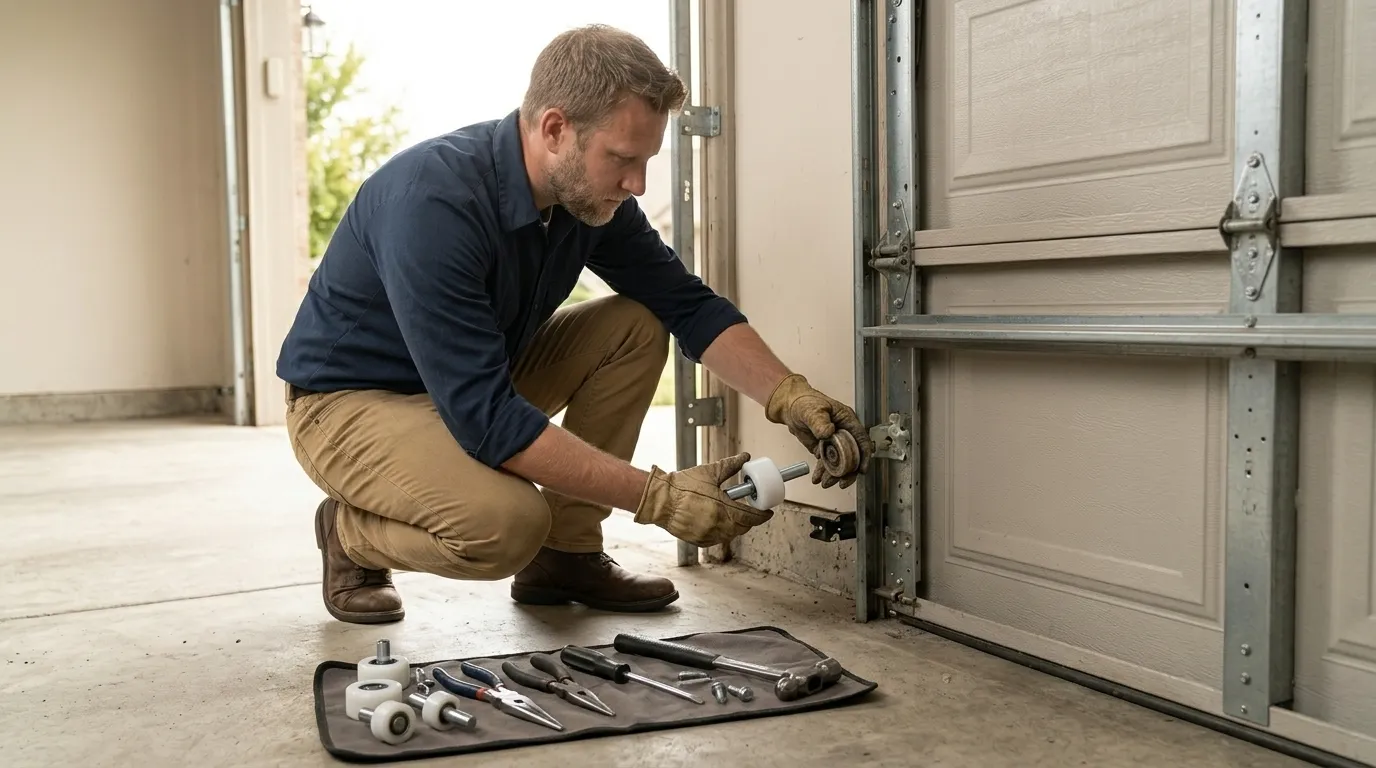
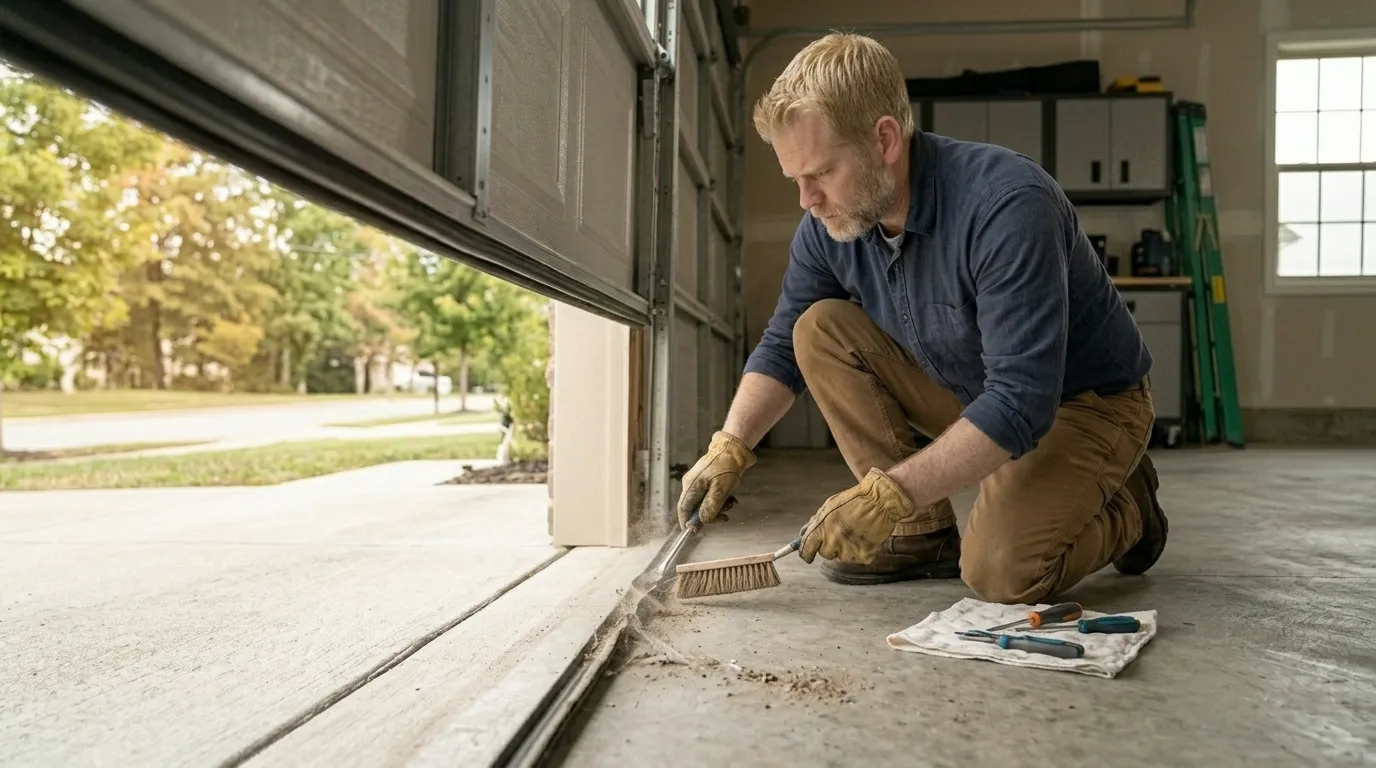
If it's the opener, we check the logic board, the drive belt, and the safety sensors before we touch anything mechanical, since a bad sensor can mimic a dead motor. Track and roller issues usually mean the door's come off alignment, which we reset and test through a full open-close cycle before we call it done. On a 2015-built house, the hardware underneath is usually still original, so we're often replacing a part for the first time rather than patching a patch.
What You Are Seeing
The door won't budge and the opener light blinks or the motor hums without lifting - that's almost always a broken spring taking the load off the opener's small motor, which was never built to lift the door alone. A door that's noisy but still moves, especially a grinding or popping sound near the top, points to a roller or bearing plate starting to go, not yet a full failure.
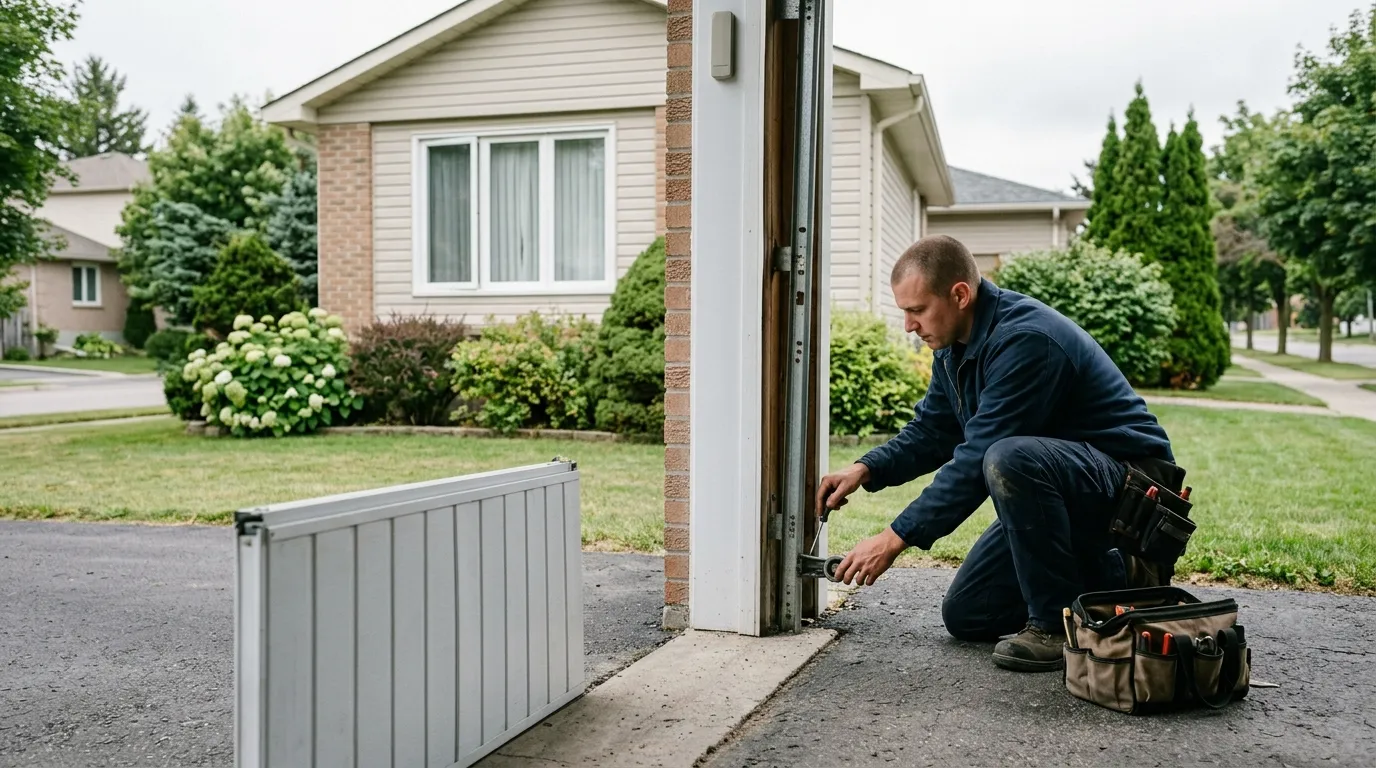
If the door's crooked in the frame, hanging lower on one side, one cable has likely slipped or snapped while the other's still holding. That's urgent - the door can drop the rest of the way without warning. Because Melissa's homes date mostly to 2015, we're rarely pulling apart doors with rusted-through end bearing plates the way we do in the older pockets of this area; what we see instead is fatigue on parts that simply haven't been swapped yet.