Where This Job Goes Sideways
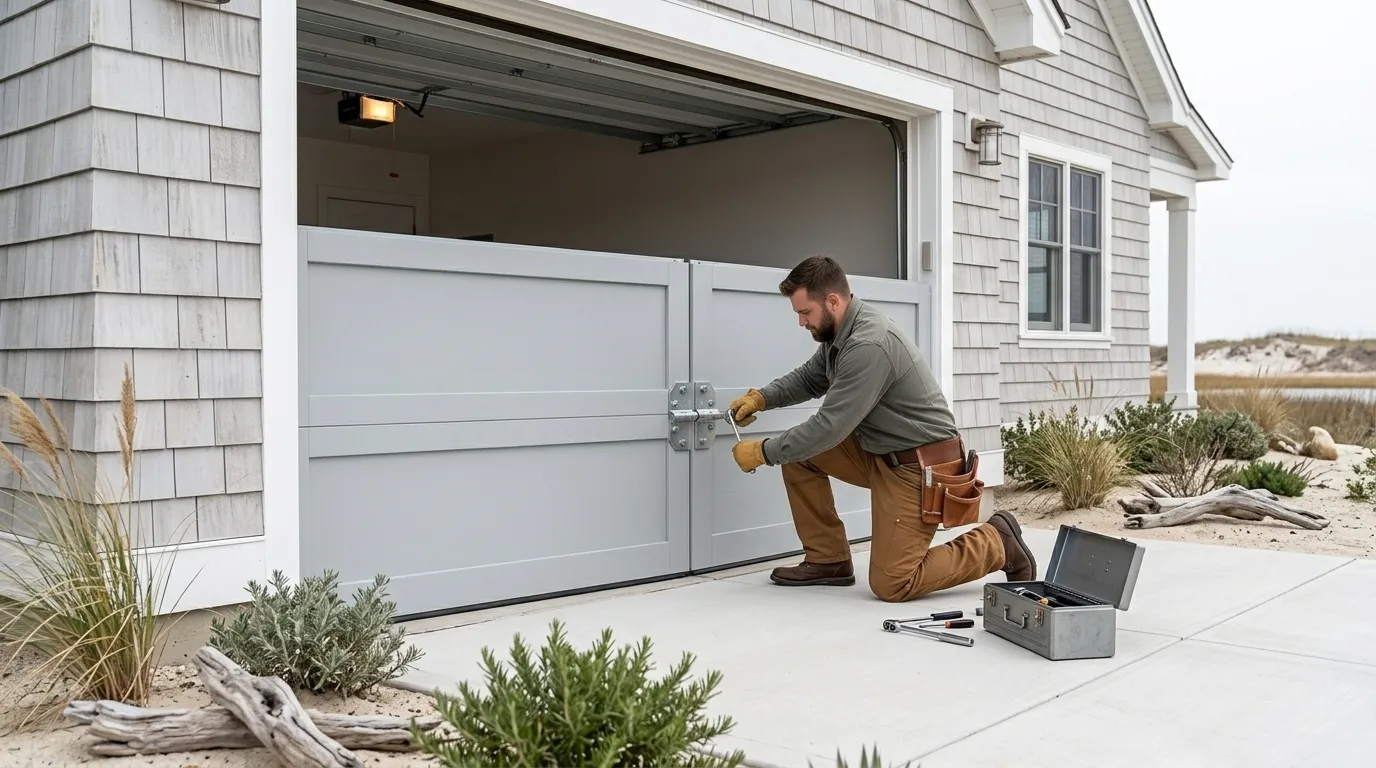
Melissa's median home was built around 2015, which puts it a good decade newer than the typical house across the rest of our service area, where the build years run from 1985 to 2015. That gap matters more than people think. A 2004-built house often has an older opener, a lighter-gauge track, and hardware that's been swapped or patched at least once. A 2015 house usually still has its original builder-grade door and opener - which sounds like an easy install until you realize builder-grade doors were specced to the lowest price point that met code, not to actually hold up. When we quote a new install in Melissa, we're usually replacing a door that's only 10 years old but was never a good door to begin with, on an opener that's borderline for a heavier upgrade. The mistake is assuming a newer house means a simpler swap. Sometimes it means the opposite: the track spacing and header clearance were built around a cheap door, and a better door needs bracket work the original installer skipped.
How We Fix It
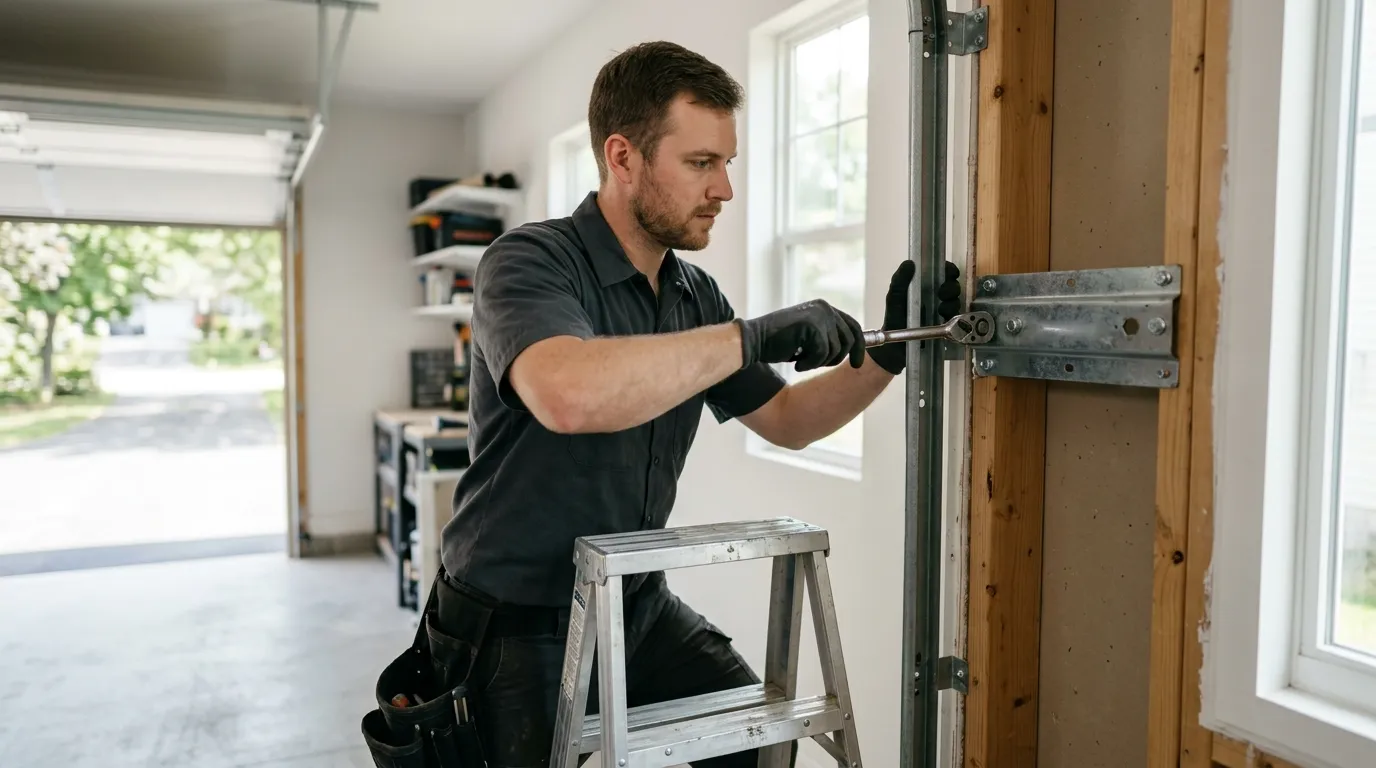
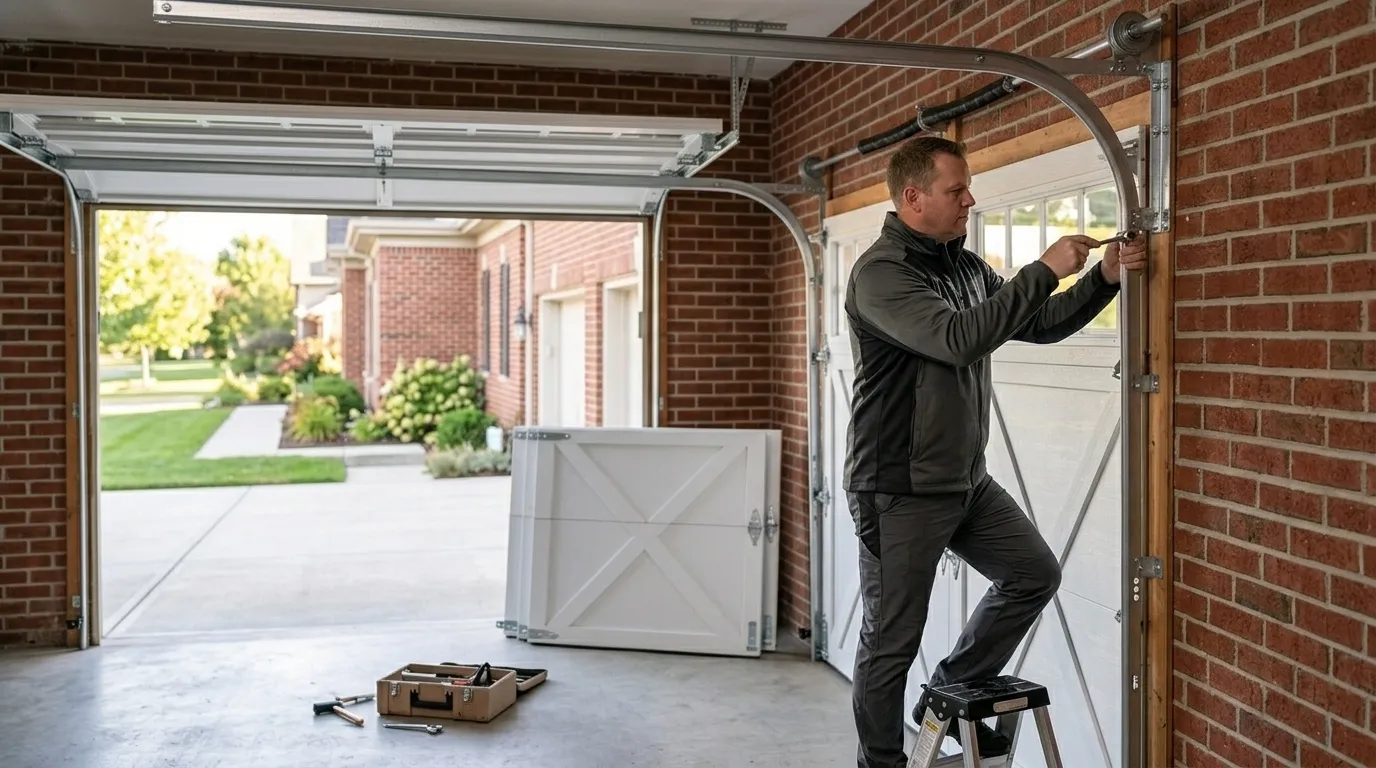
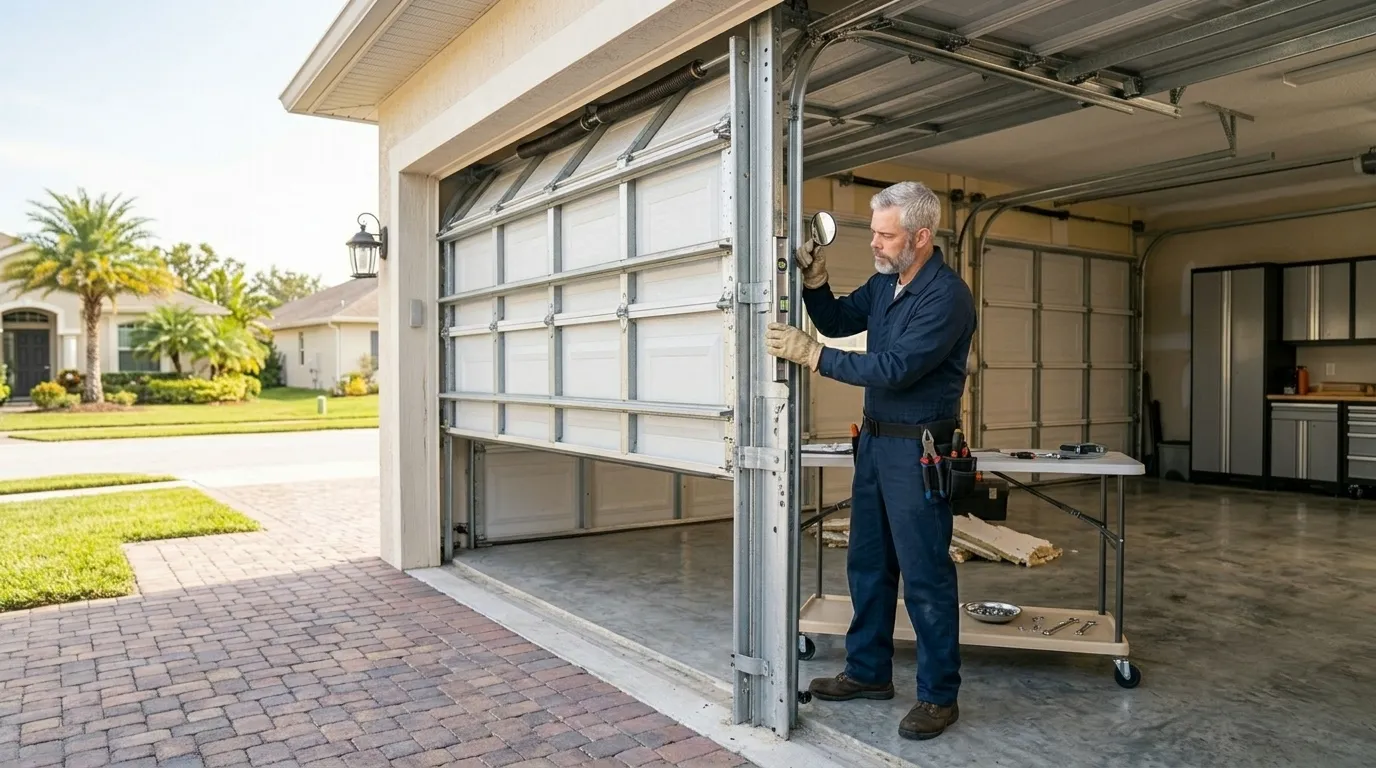
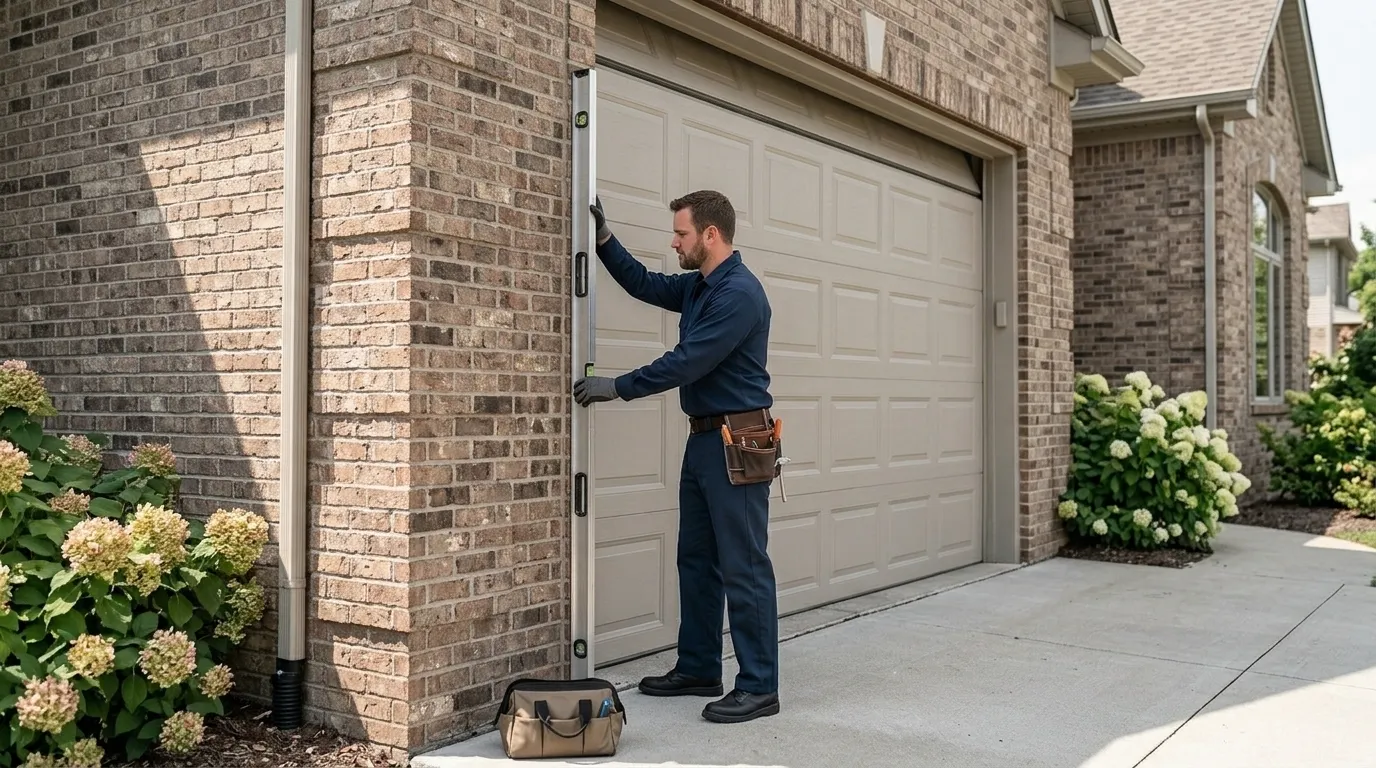
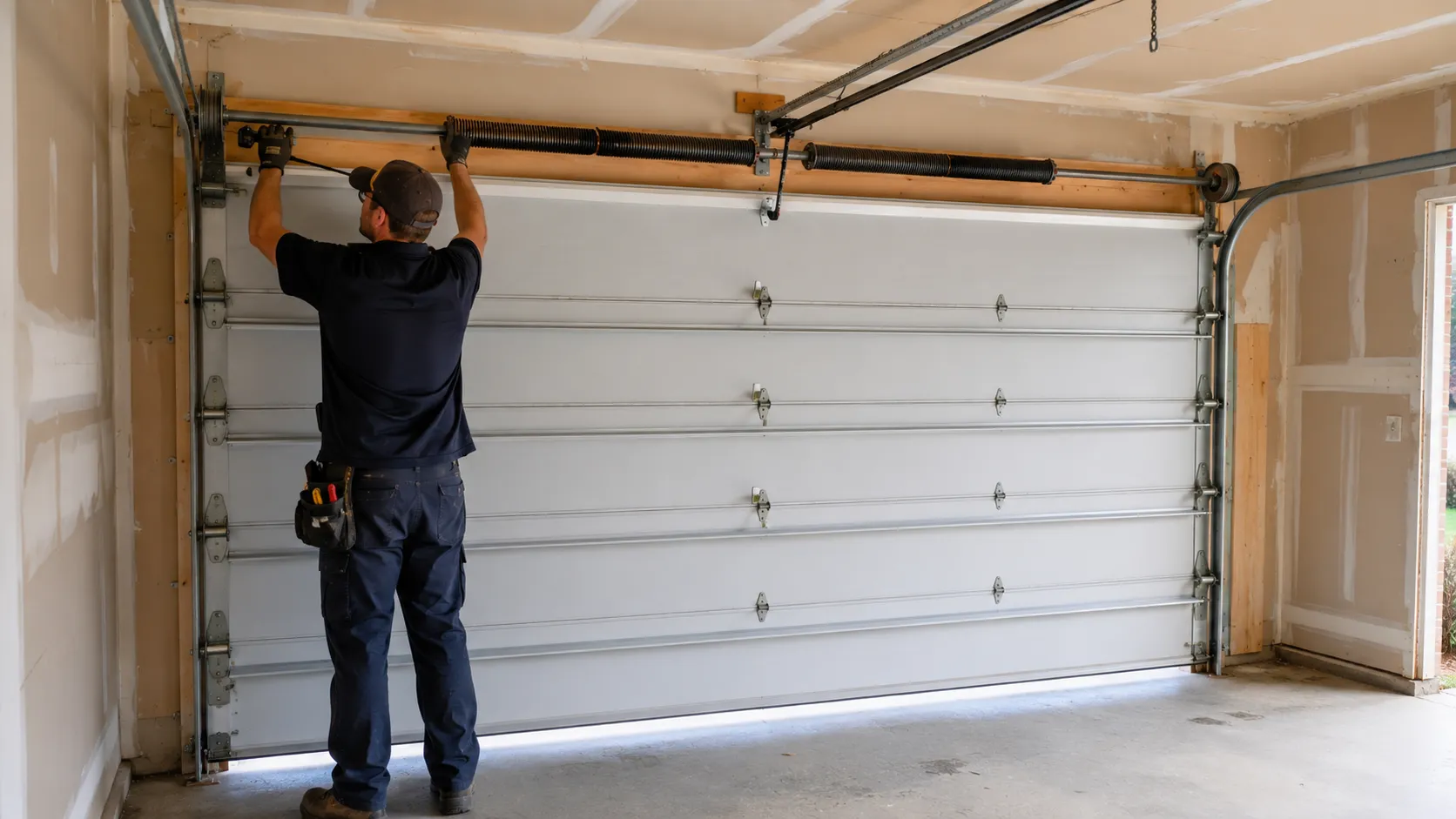
On a house built around 2015, the header and jamb are usually square and true, so the install itself is often faster than on older stock - less shimming, fewer surprises behind the trim. What we spend more time on is the opener. Builder-grade openers installed a decade ago are frequently underpowered for anything heavier than the original door, so if you're upgrading to an insulated steel or a heavier panel, we check the opener's lift capacity before we hang the new door, not after. We set spring tension to the actual door weight, not a factory chart, and we test balance by hand before the opener ever takes the load. That's the same regardless of town, but on newer Melissa builds it's usually a faster job start to finish because the framing hasn't shifted the way it does on 20-year-old houses.
What You Are Seeing
If your door is loud, heavy to lift by hand, or the opener strains and reverses on the way down, that's usually the original builder door telling you it was never insulated or balanced well to begin with - common on houses from Melissa's main construction wave. Cold-snap mornings can make it worse; the panel material contracts and the seal at the bottom gaps, which isn't a defect so much as what a light steel door does in a moderate cold climate. If the door is newer but already sagging at the bottom corners, that's a hardware or track alignment issue, not something a new door alone fixes - worth mentioning before you spend money on a replacement you don't need.