Where This Job Goes Sideways
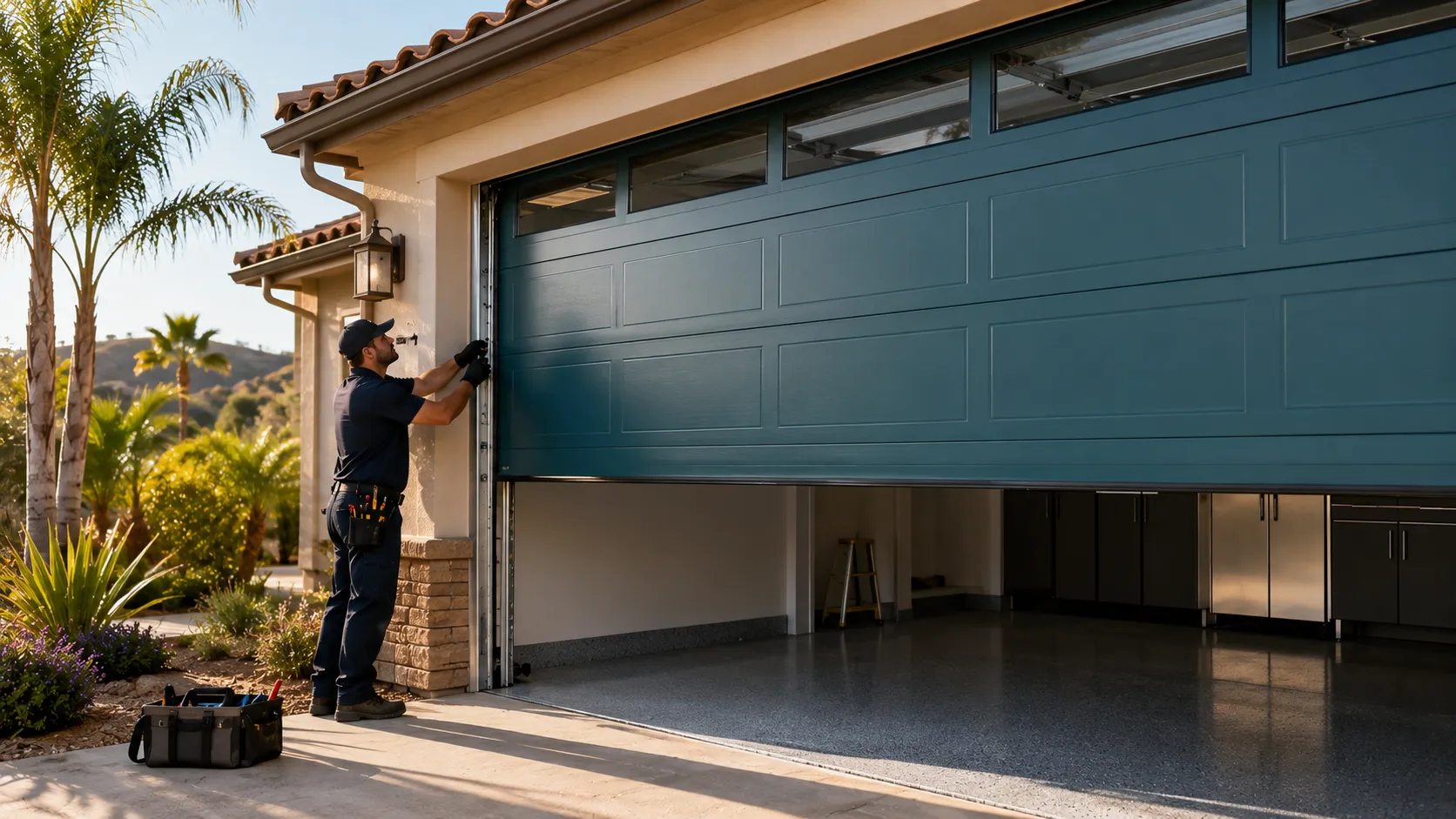
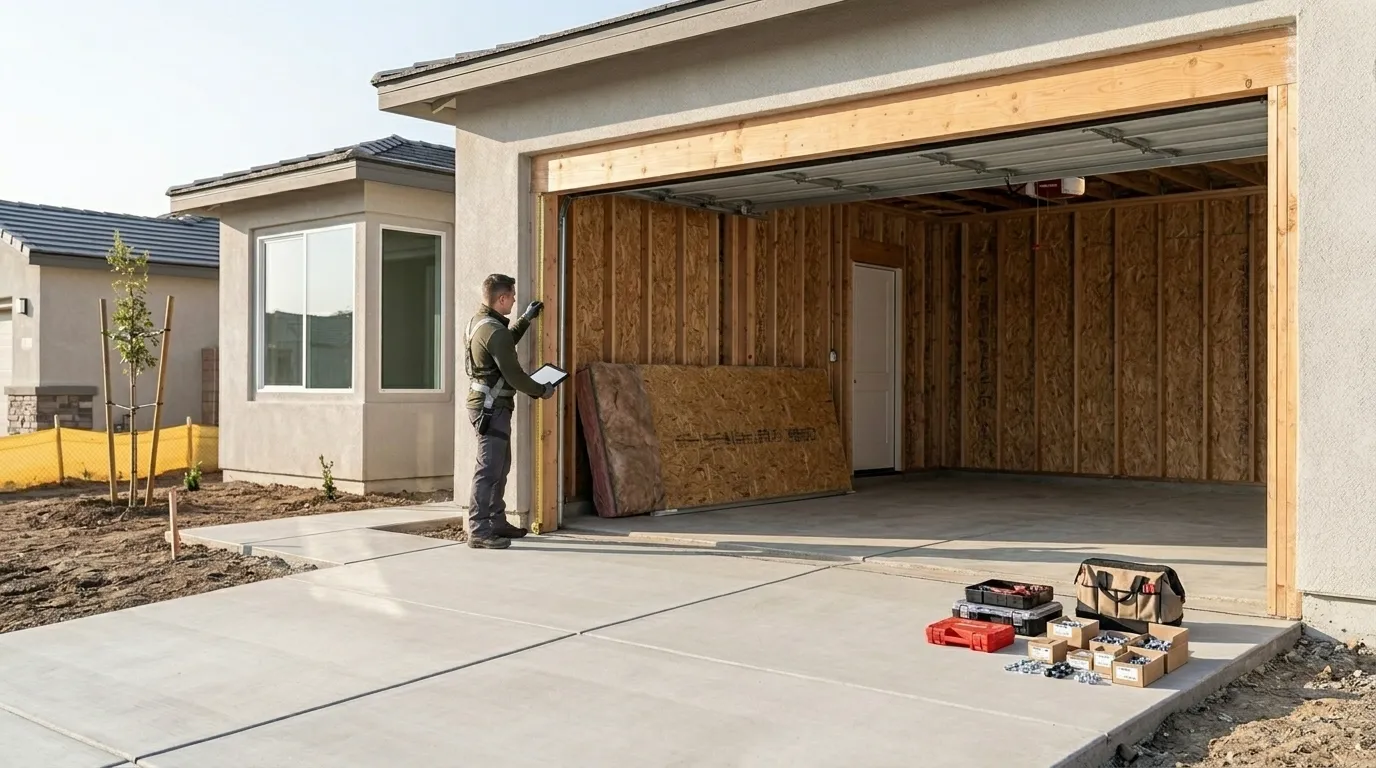
Melissa sits 15 miles from our shop in Prosper, which is a straight run down the highway with no reason to run long unless a part has to be tracked down mid-job. That drive matters less for how fast we show up and more for how we load the truck before we leave - if a job here calls for a spring size we don't already carry, we'd rather know that from the phone call than find out standing in the driveway. Most of Melissa was built around 2015, which is newer than a lot of the towns we cover from Prosper, so the springs, drums, and openers in this town run a narrower band of sizes than what we see in the older pockets of the service area. That's good news for us and for you: less guessing, less special-order waiting. Where it goes sideways is when someone in a newer Melissa house assumes their door is too new to have a spring problem. New construction doesn't mean the spring was rated right for the door weight, or that the installer torqued the winding cones to spec. We've seen springs go bad on doors under ten years old just as often as ones under thirty, just for different reasons - usually a mismatch between the spring and an insulated door heavier than the builder-grade original.
How We Fix It
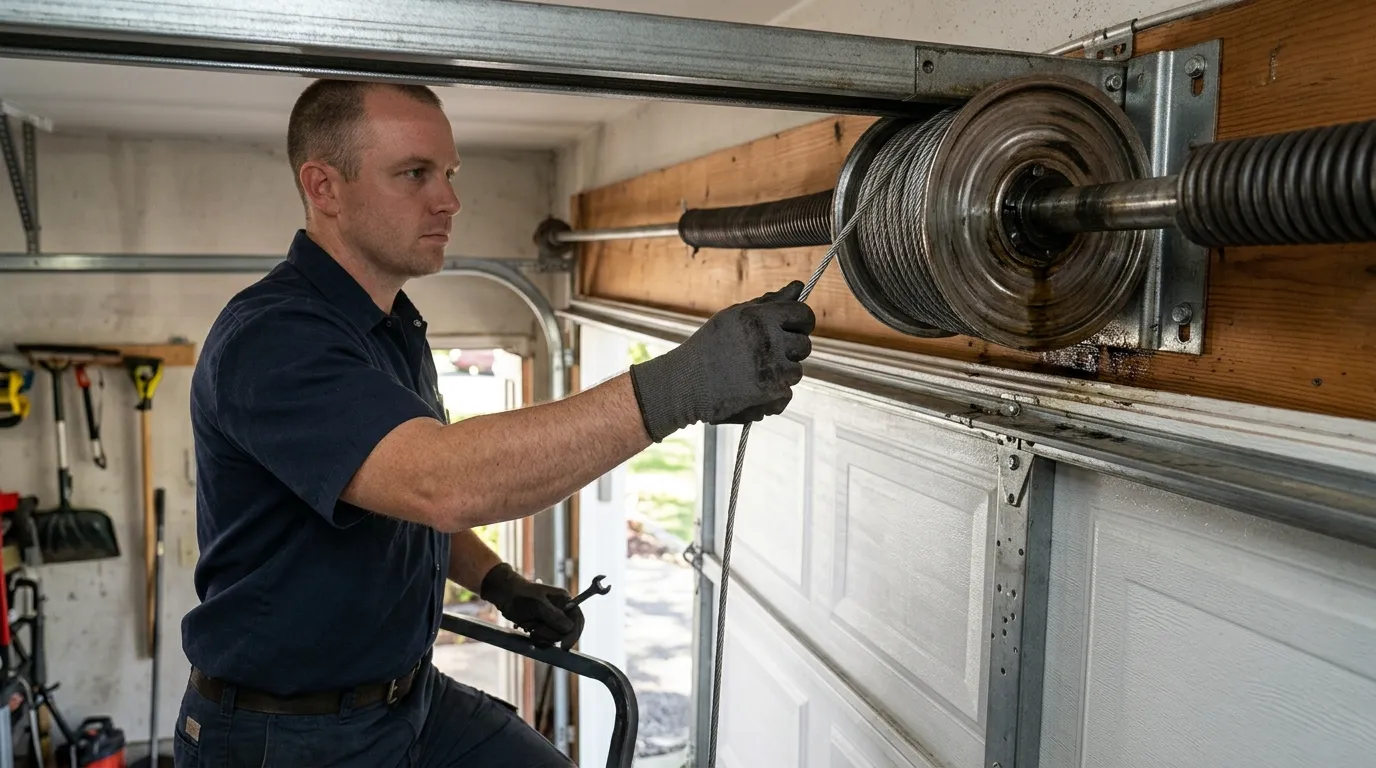
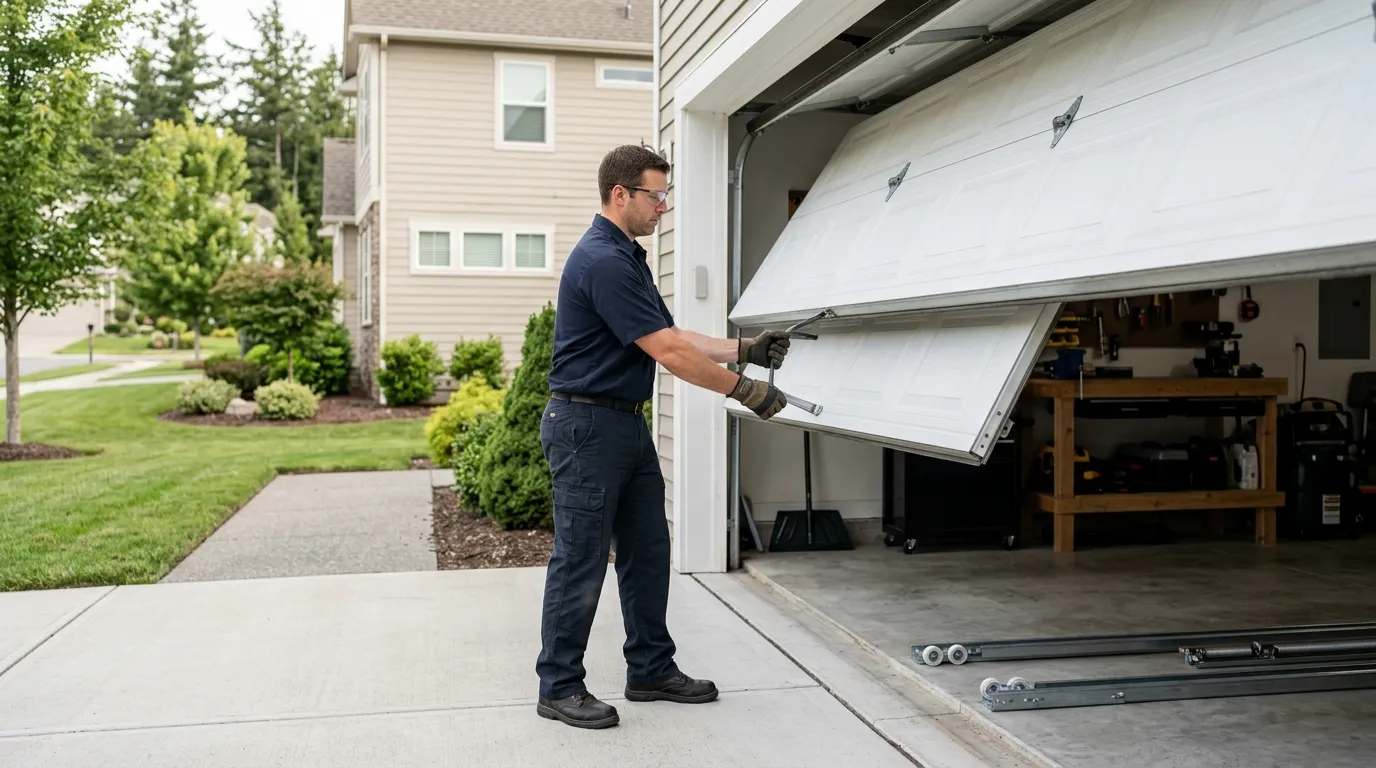
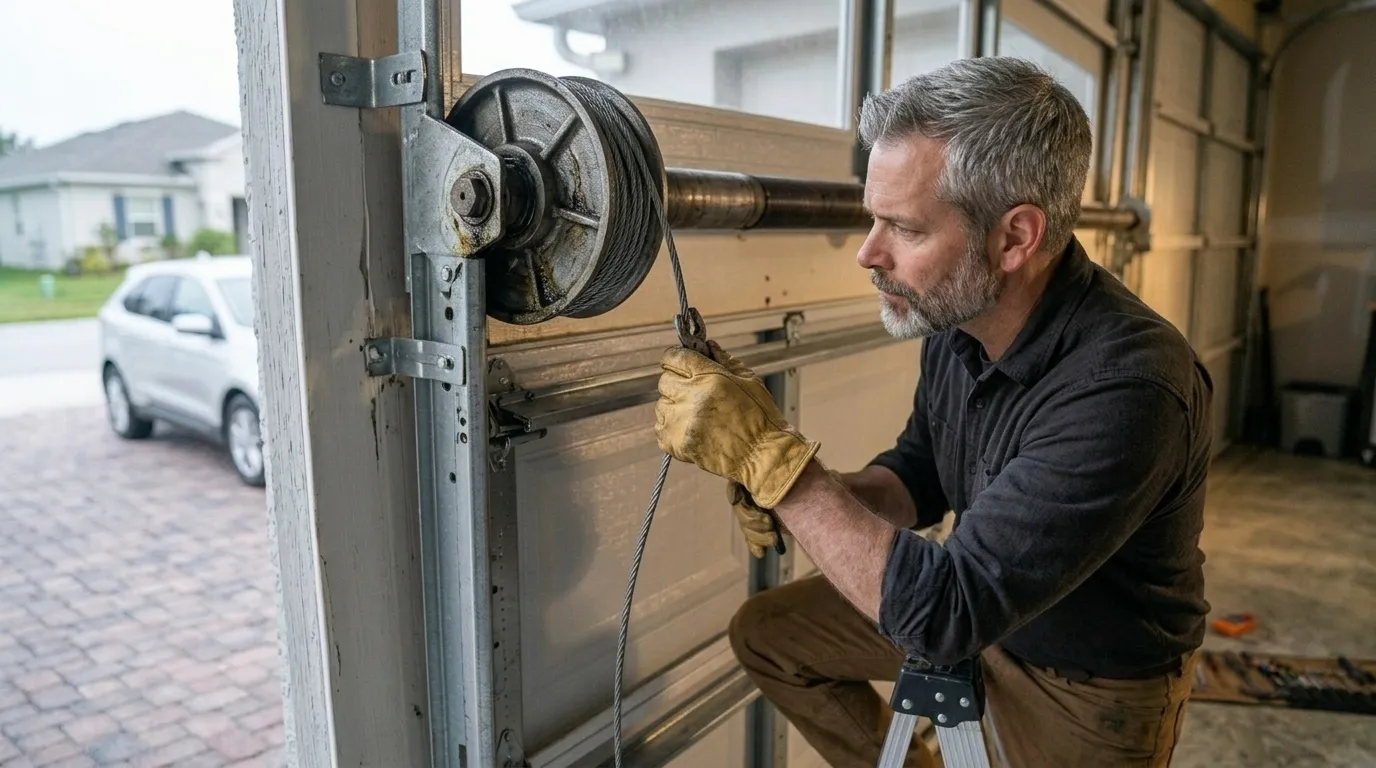
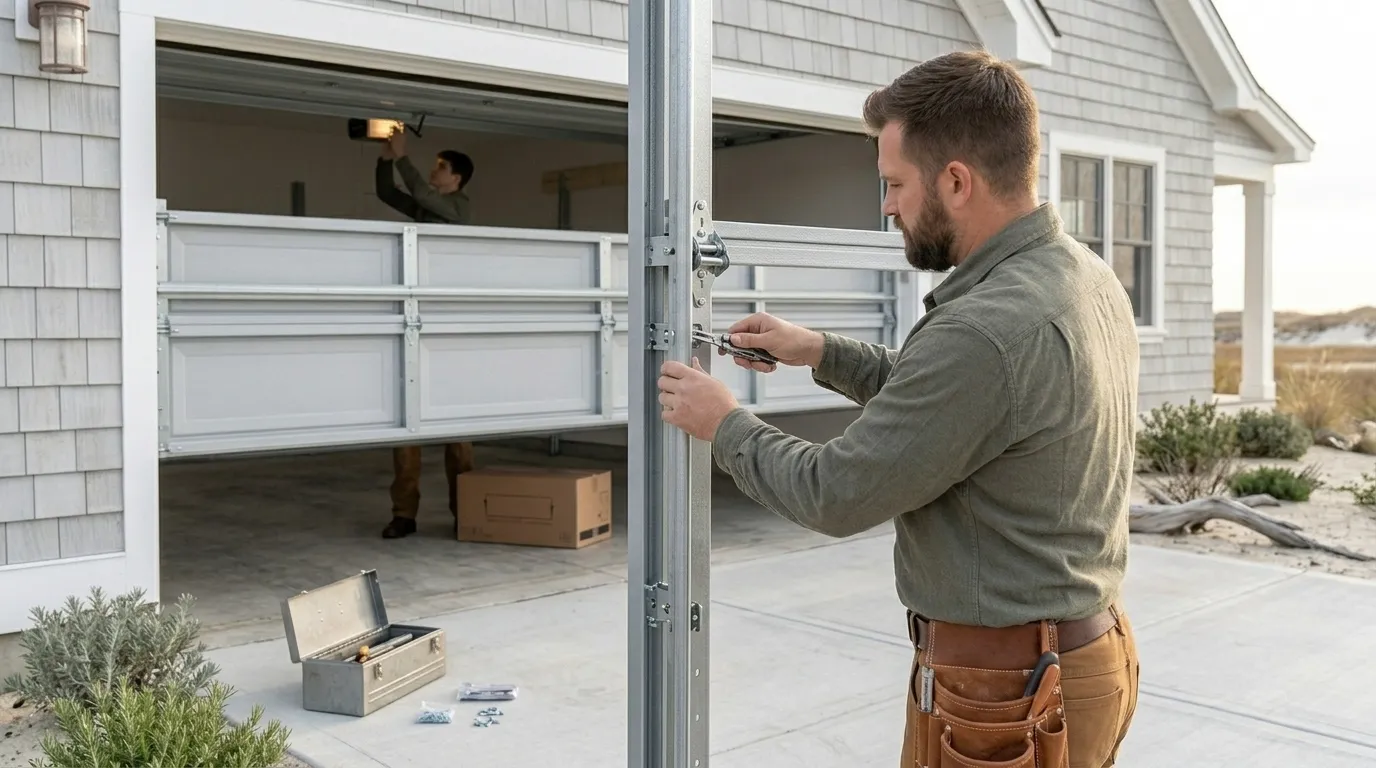
A broken torsion spring gets unwound, pulled off the shaft, and replaced with a matched pair rated to the actual weight of your door - not just whatever was on it before, since builder-installed springs are sometimes undersized to begin with. We check the bearing plates and center bracket while the door is unloaded, because a worn bearing is what usually takes the new spring down early if it's ignored. Cables get inspected too; a spring failure often frays a cable at the same time, and replacing one without the other is a callback waiting to happen. Cold-weather flexing is a real factor in this climate band, so we look at how the winding cones are set and whether the door balances evenly top to bottom before we call the job done. Balance testing at the end is not optional on our end - a door that closes but drifts open on its own, or slams the last foot of travel, still has a spring problem even after the broken one is replaced.
What You Are Seeing
The door won't budge, or it takes real effort to lift by hand with the opener disconnected - that's the classic broken spring. Sometimes it's a loud bang from the garage, usually when nobody's home, and by the time you check, the door just sits there heavy. On newer Melissa builds, we more often see a spring that's simply undersized for an upgraded insulated door than one that's just worn out from age, since most of this stock hasn't had thirty years to wear anything down. A door that opens fine but reverses on its own partway through, or one where the opener strains and clicks without moving the door, points the same direction. If you see a gap in the coil or the spring hanging loose on one side of the shaft, don't try to force the door - that's stored energy that hasn't gone anywhere.