Where This Job Goes Sideways
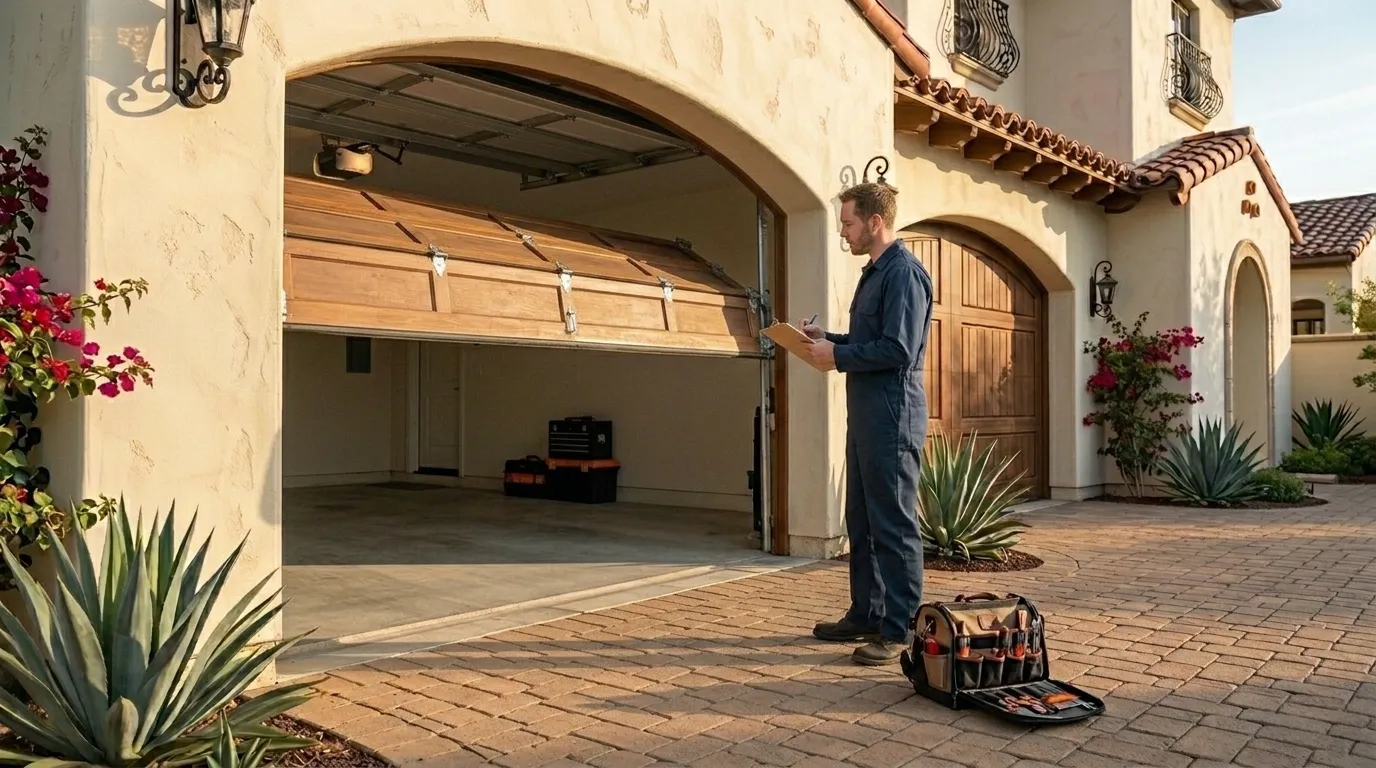
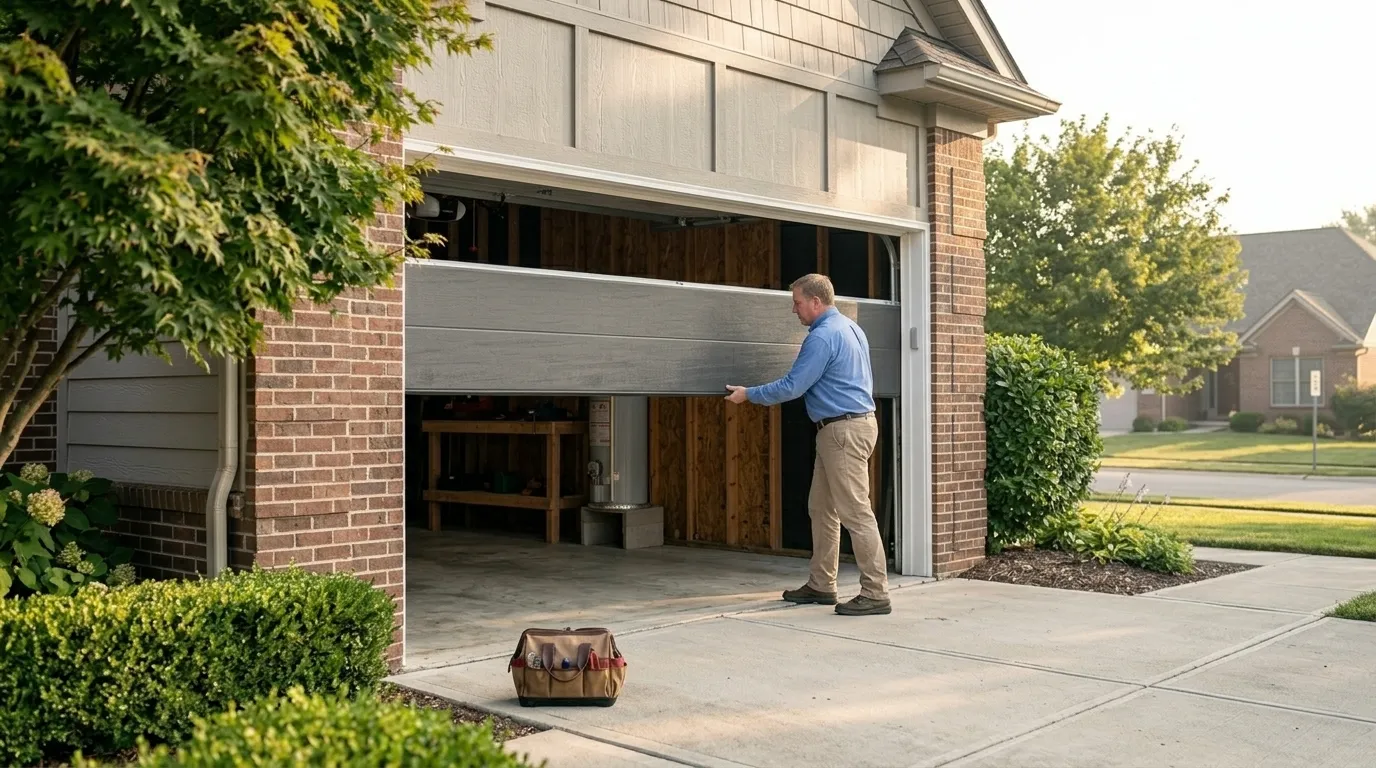
Melissa is a small town by household count - just over 5,300 homes - which means the garage door work here doesn't look like the volume calls we run in older, denser suburbs. Most of what we see is tied to a specific build era. Melissa's housing stock skews newer than a lot of the towns we cover from Prosper, with plenty of homes built well into the 2010s, right up against 2015. That matters because newer construction usually means factory-installed openers with rolling codes, steel doors with foam-filled panels, and torsion springs sized for heavier insulated sections. The failures that show up first aren't the same ones you'd chase on a 1990s door. We're driving 15 miles out from Prosper to get here, so we're not a local shop with a storefront in town - we're a crew that knows this stretch of the service area and shows up with the right parts already loaded, because we planned for what a 2015-vintage door actually needs, not what an older one does.
How We Fix It
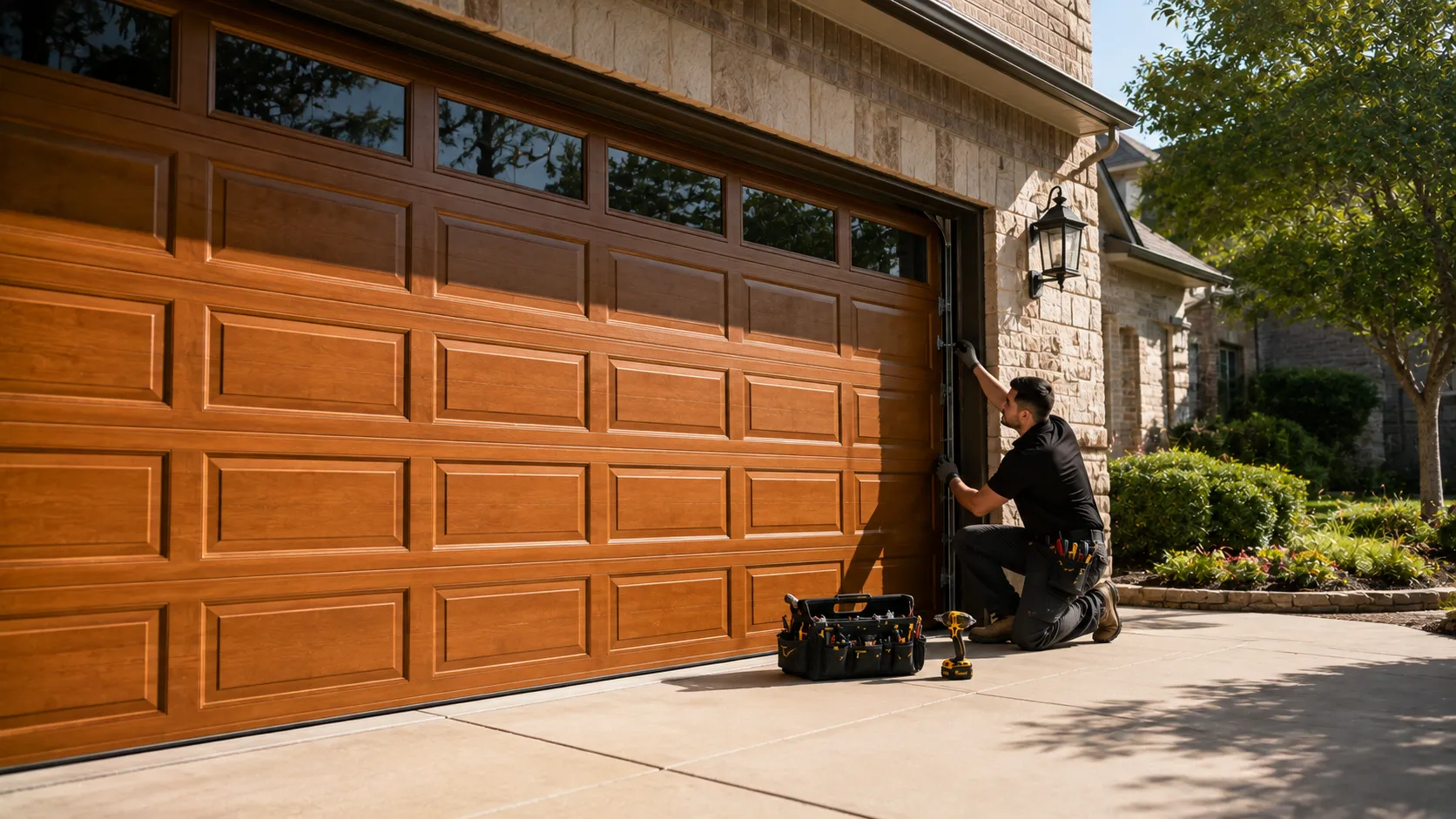
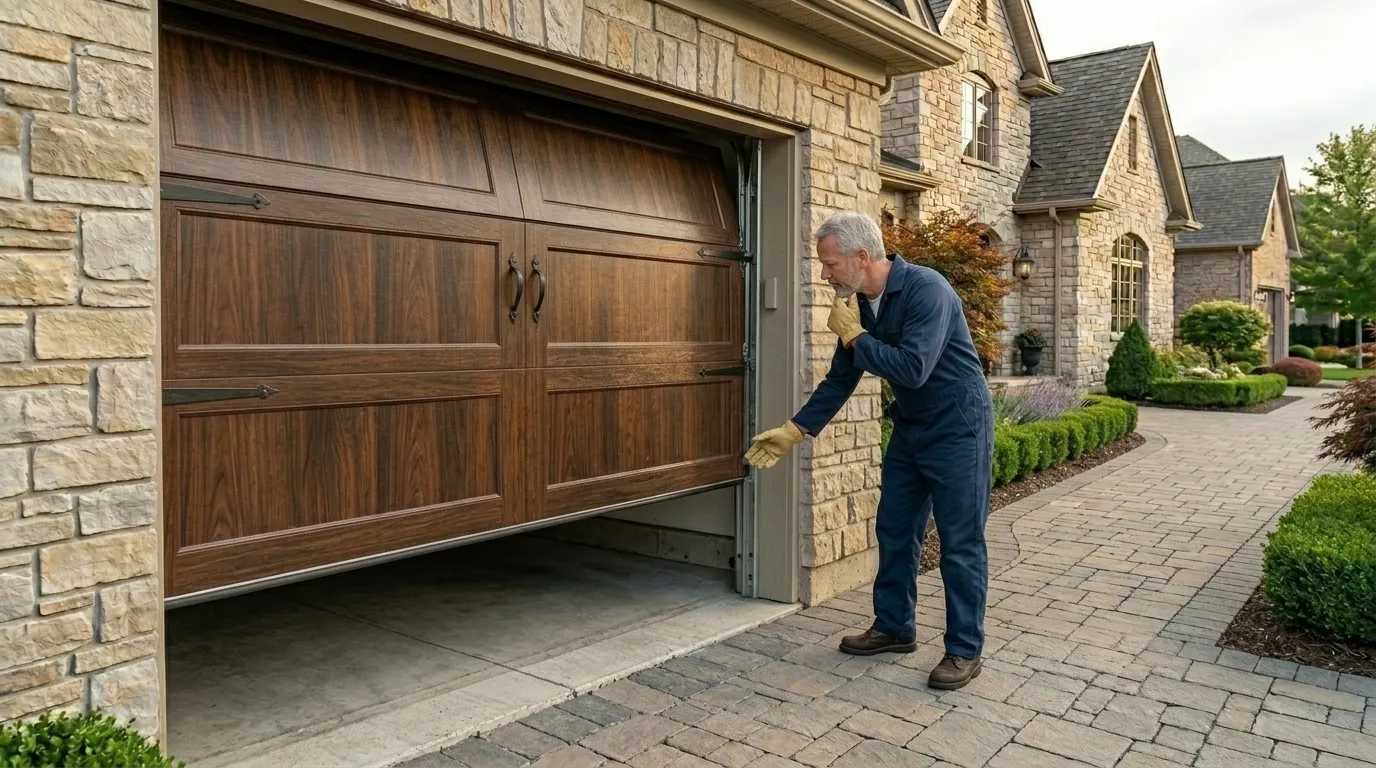
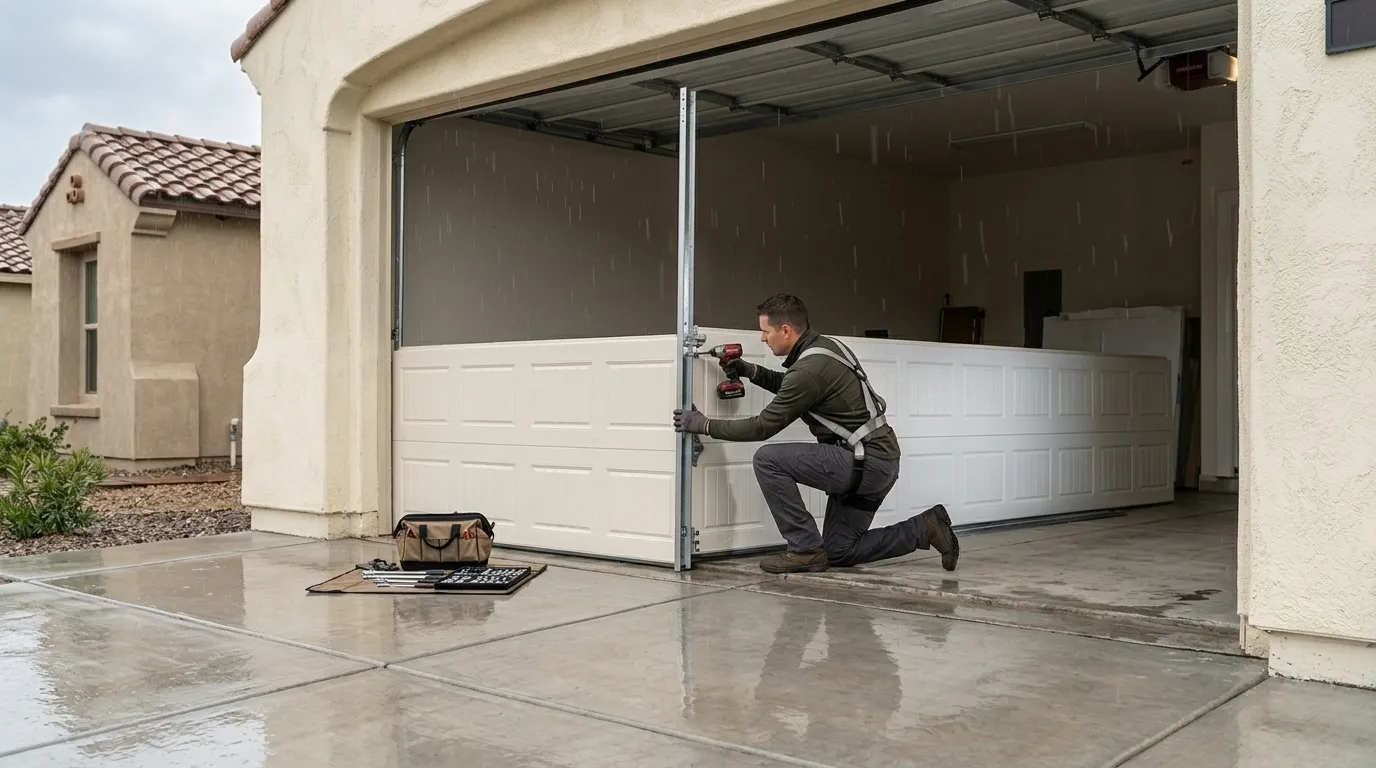
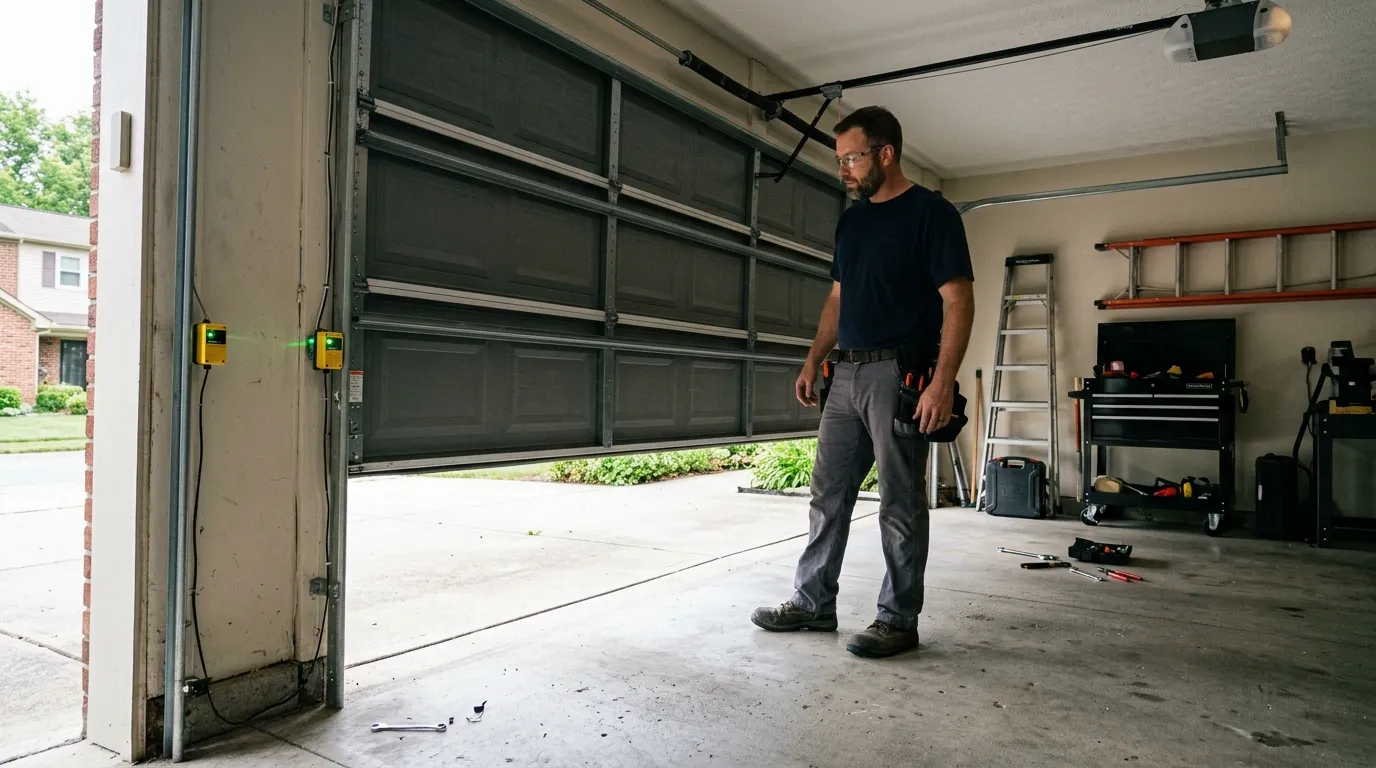
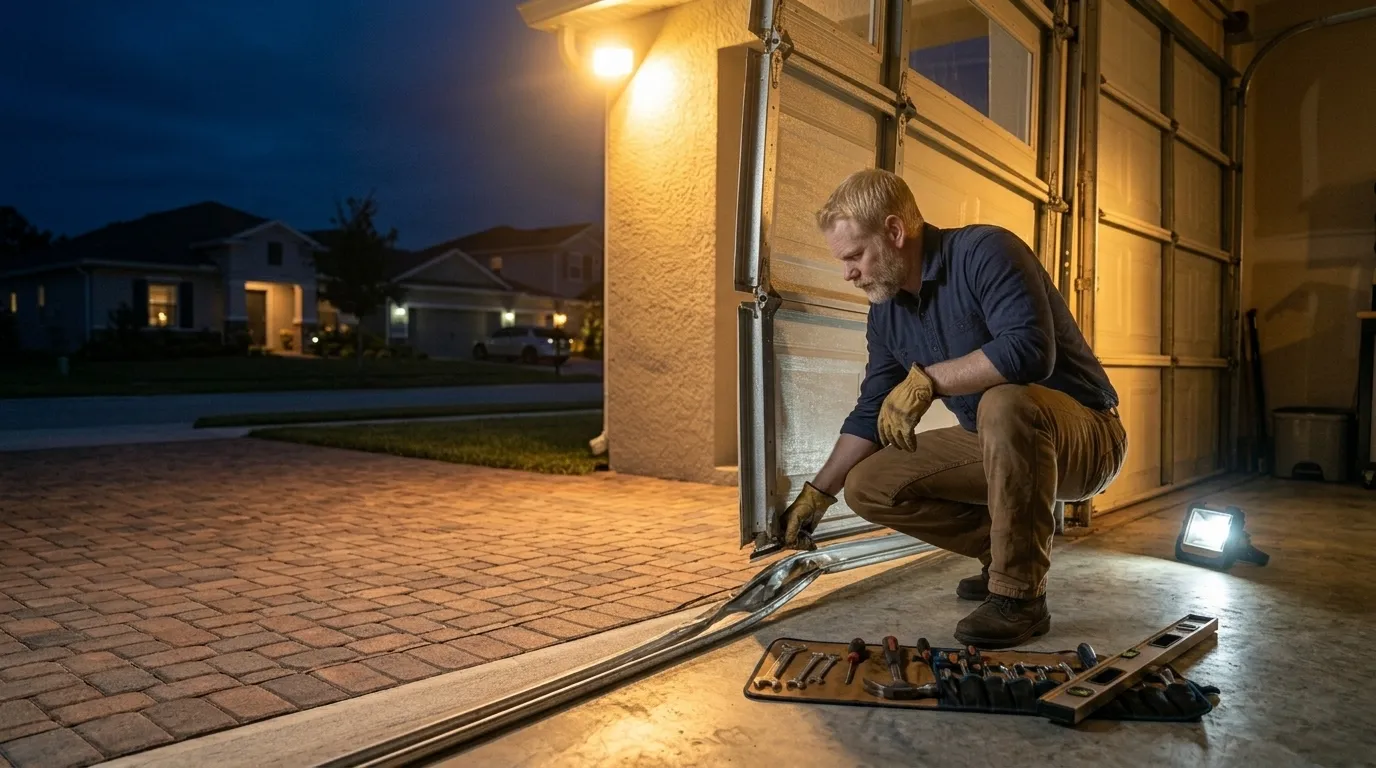
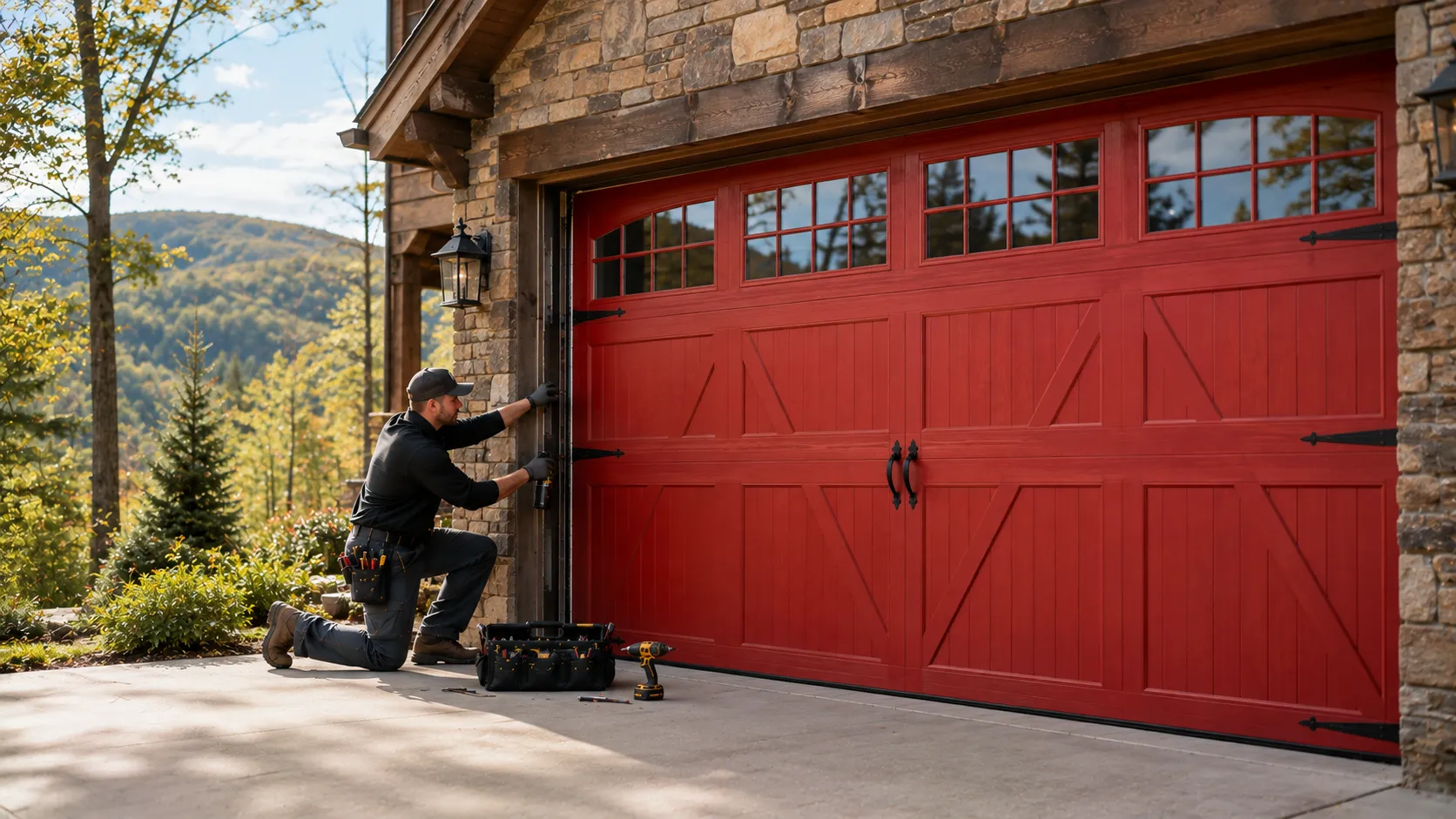
On a door this age, the first thing we check is spring tension against the actual door weight, because insulated steel panels in newer construction run heavier than the doors installed a decade or two earlier, and a spring sized for the old standard will wear out fast or snap under load. Next is the opener - recent builds mean a decent chance of a belt-drive unit with a rolling-code receiver, so a bad remote pairing or a drifting limit switch shows up more than a burnt-out chain gear. We test travel limits, check the photo-eye alignment (a two-minute fix that gets blamed on the opener more than it should), and torque the track brackets, since newer framing sometimes flexes slightly different than older stud spacing. We don't guess at spring size - we measure the door and calculate it on site, every time.
What You Are Seeing
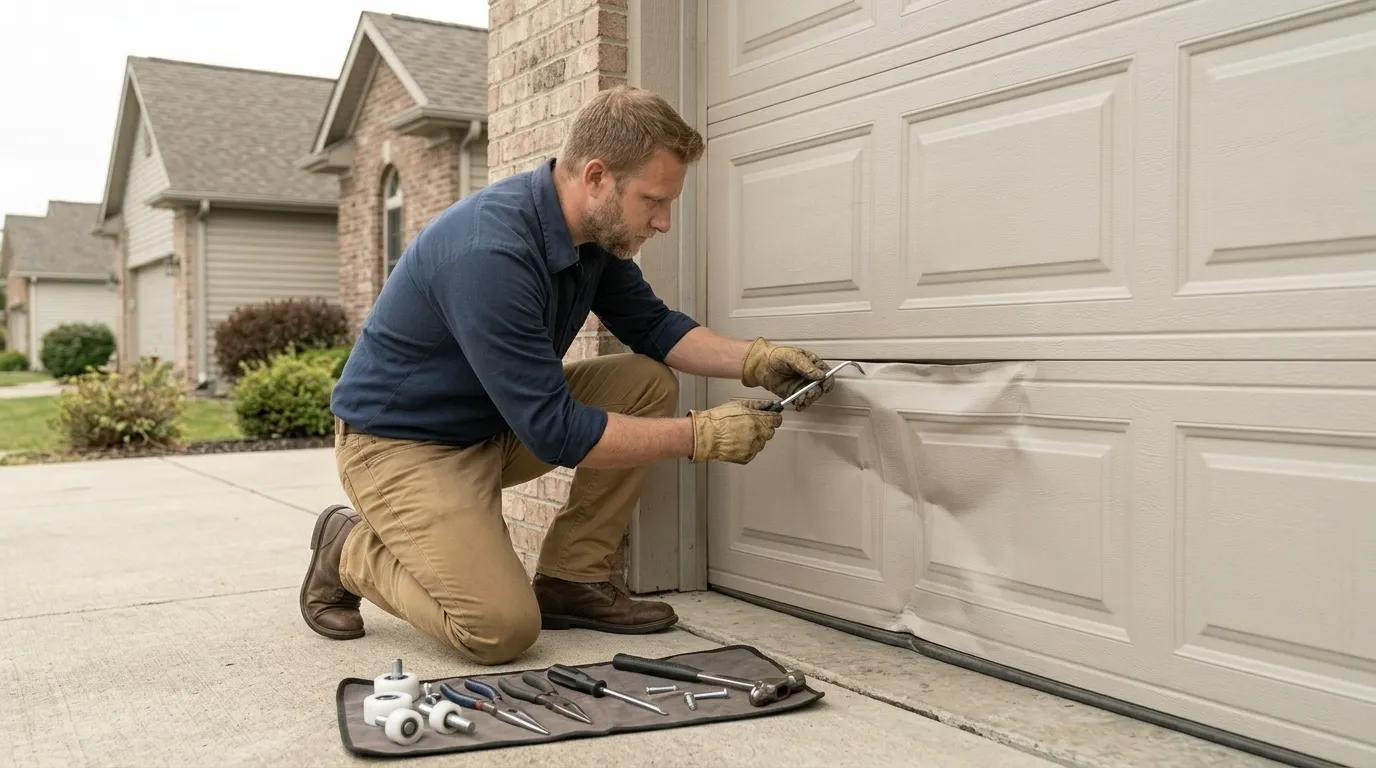
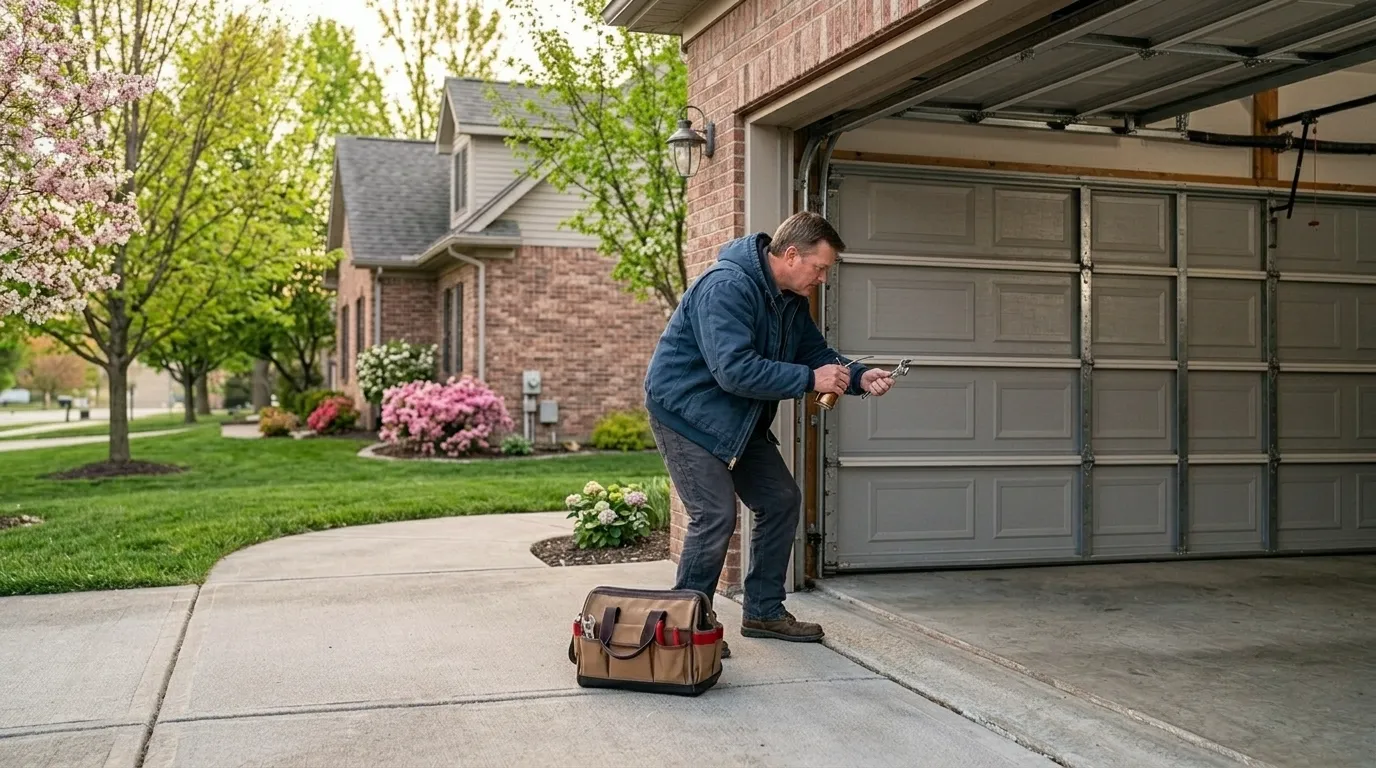
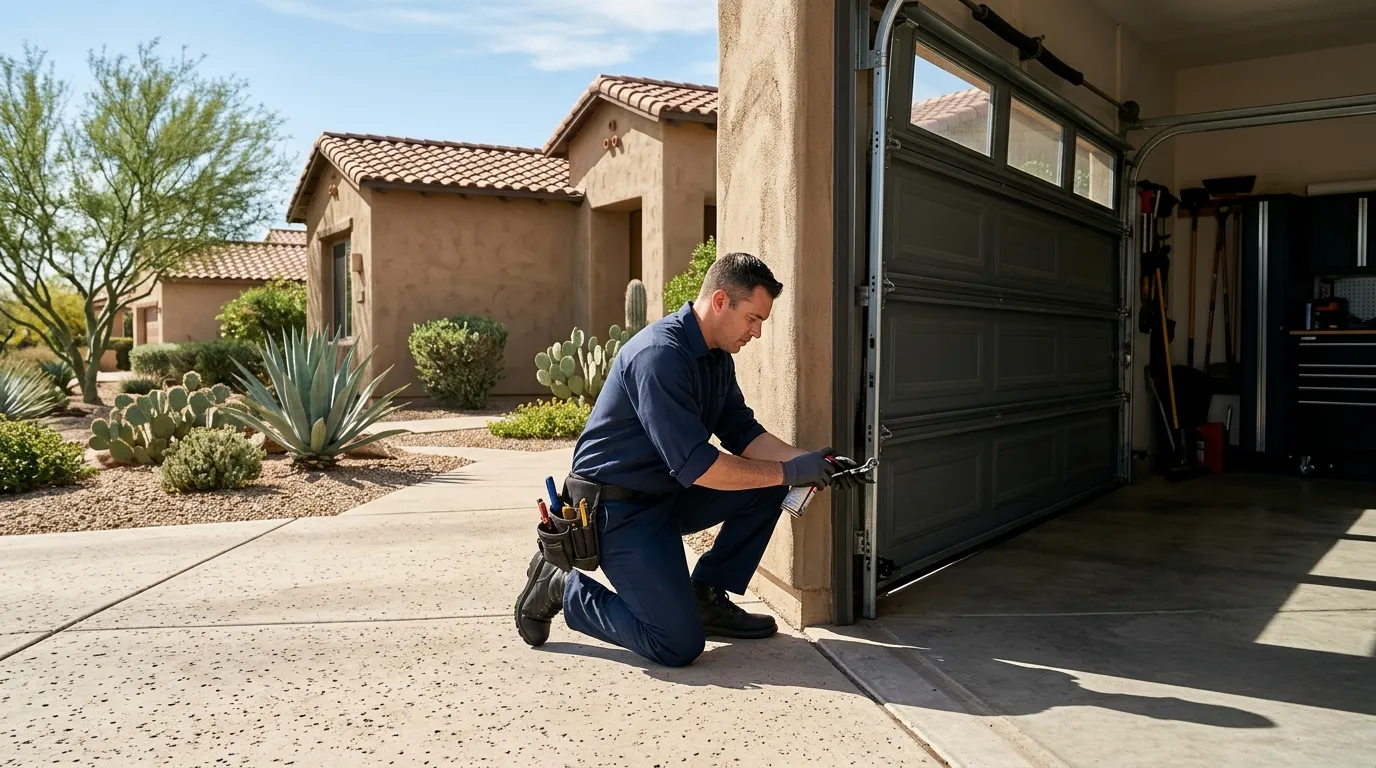
The households we quote for repair work in Melissa run a higher income bracket than a lot of the surrounding service area - this pocket sits well above the broader area's median household income - and that tends to mean homeowners who bought quality doors to start with and want them fixed properly rather than patched. What that translates to on the job: fewer total door replacements, more targeted spring, cable, and opener-board repairs. Cold-weather stiffening in the hardware is still a factor here, same as the rest of North Texas, since winter temperature swings affect grease viscosity in rollers and tracks regardless of how new the door is. What you're likely calling about is a door that won't open smoothly on a cold morning, a spring that let go with a bang, or an opener that stopped responding to the remote after months of working fine.