What Is Going On
Prosper's housing stock is young by garage door standards. Most of it went up between 1985 and 2015, with the median build year landing around 2004, and that holds true across the 21 named areas that make up this stretch of the county. That means most openers on the block are chain or belt drive units from the 2000s, wired into the same circuit as the house lighting or a dedicated outlet, not the older screw-drive units you'd find in a much older neighborhood.
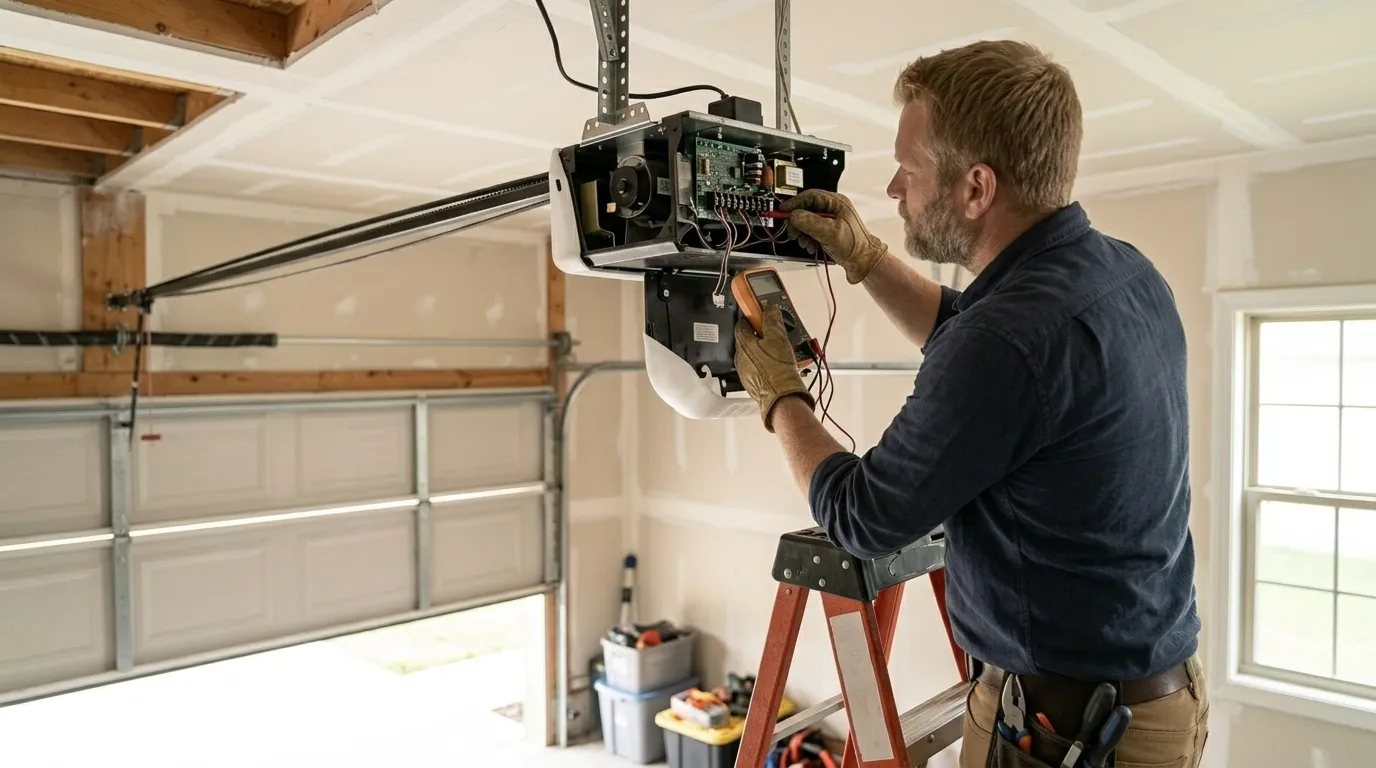
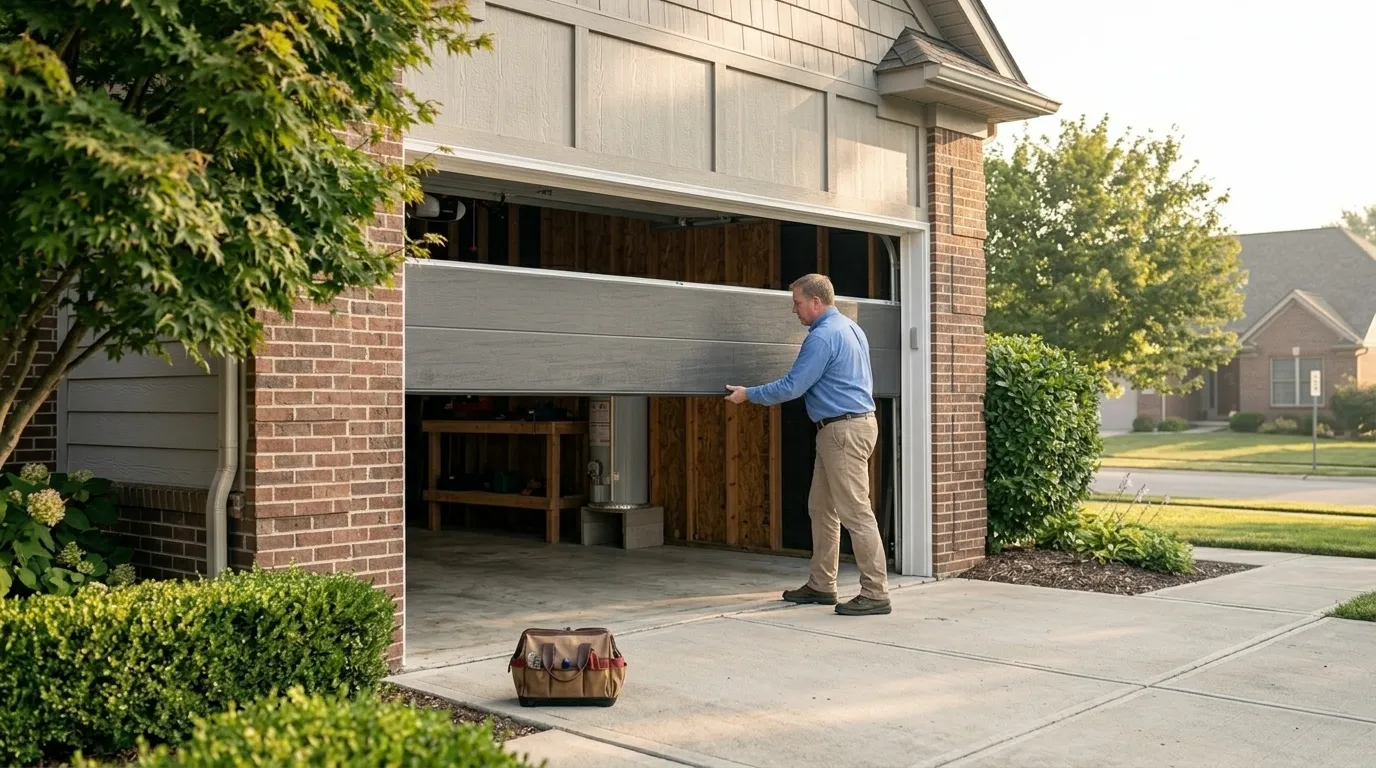
When the power cuts, the opener stops mid-cycle wherever it happens to be. If a door was halfway up when the lights went, it stays there until power returns or you release the trolley by hand. That's not a malfunction - it's just what happens when a motor loses current. The bigger issue is what the outage does to the opener's logic board and battery backup, if the unit has one. Boards from this era generally handle a clean outage fine. What they don't always handle well is a flickering brownout, where power drops and returns several times in a short span. That kind of cycling can trip a board's safety reversal sensor or, less often, damage the board itself.
What to Check
After a power cut, walk the door through one full open-close cycle by hand or with the wall button before you assume it's fine. Watch for the door reversing partway for no reason - that's usually a sensor knocked out of alignment, not a wiring problem. Check that the opener light comes on and stays on for its normal cycle; a light that flickers or won't stay lit points to a board that took a harder hit than the door itself.
If the opener has a battery backup, listen for it - most beep or show a light when running on battery instead of house power. If you hear that sound during a normal outage and the door still won't move, the battery itself may be past its useful life, which is a separate issue from the outage. I won't guess at a fix for a board that's actually failed; that's a call, not a checklist item, and pulling the cover to poke at a circuit board yourself is more likely to cost you a new opener than save one.
How Local Conditions Play In
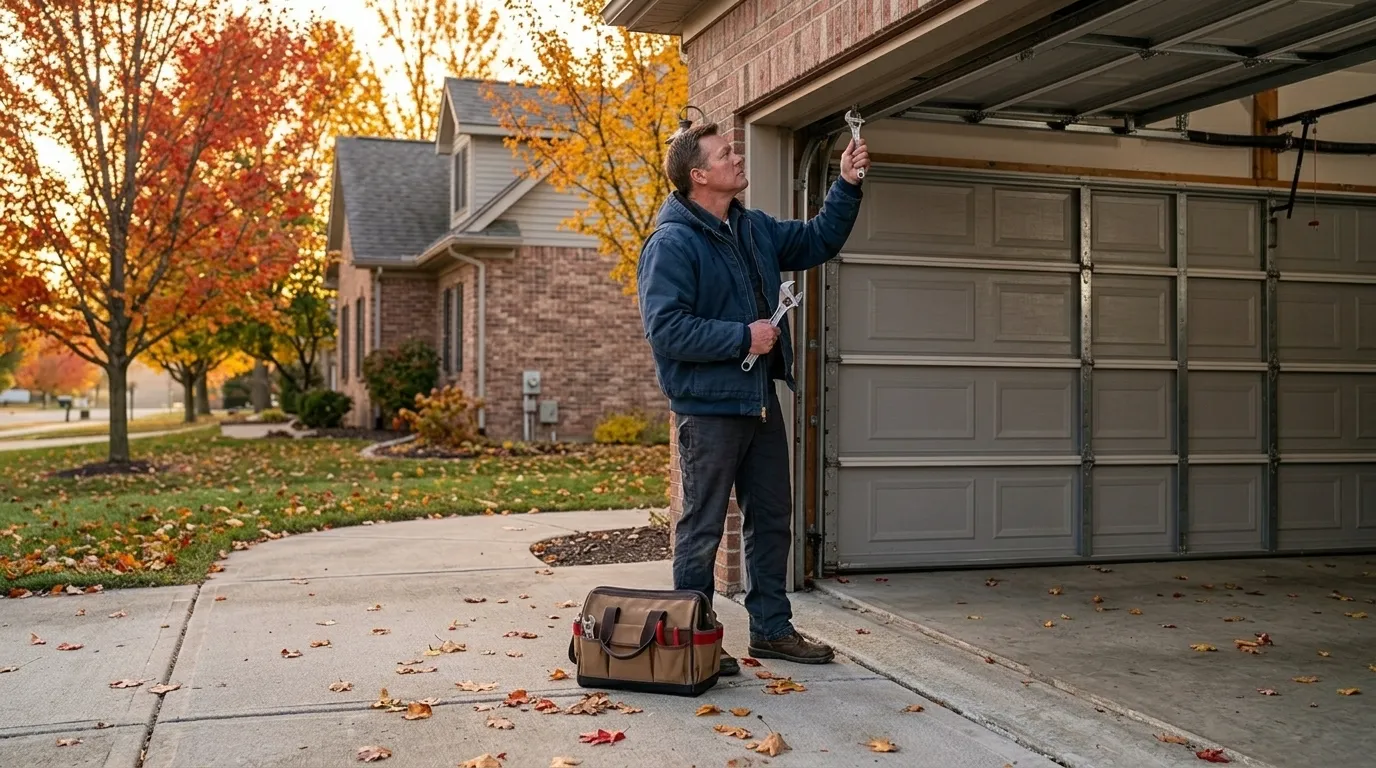
Prosper sits in a cold-moderate climate band, which matters here because most outages tied to weather come with cold fronts moving through, not summer storms alone. A cold front dropping temperatures fast can also strain the local grid enough to cause the short, repeated power blips that are harder on opener boards than one clean outage. If your opener has acted strange more than once after a front came through, that pattern is worth mentioning to whoever looks at it - it points at the board, not the door itself.
Because most homes here share a build era, a lot of neighbors are running the same generation of opener hardware, which means the same failure patterns show up house to house after a bad stretch of weather. That's useful to know: if your opener misbehaves after an outage, you're not dealing with something unique to your house, you're dealing with what that decade of opener boards does under a rough power event.