What the Housing Means for Your Door
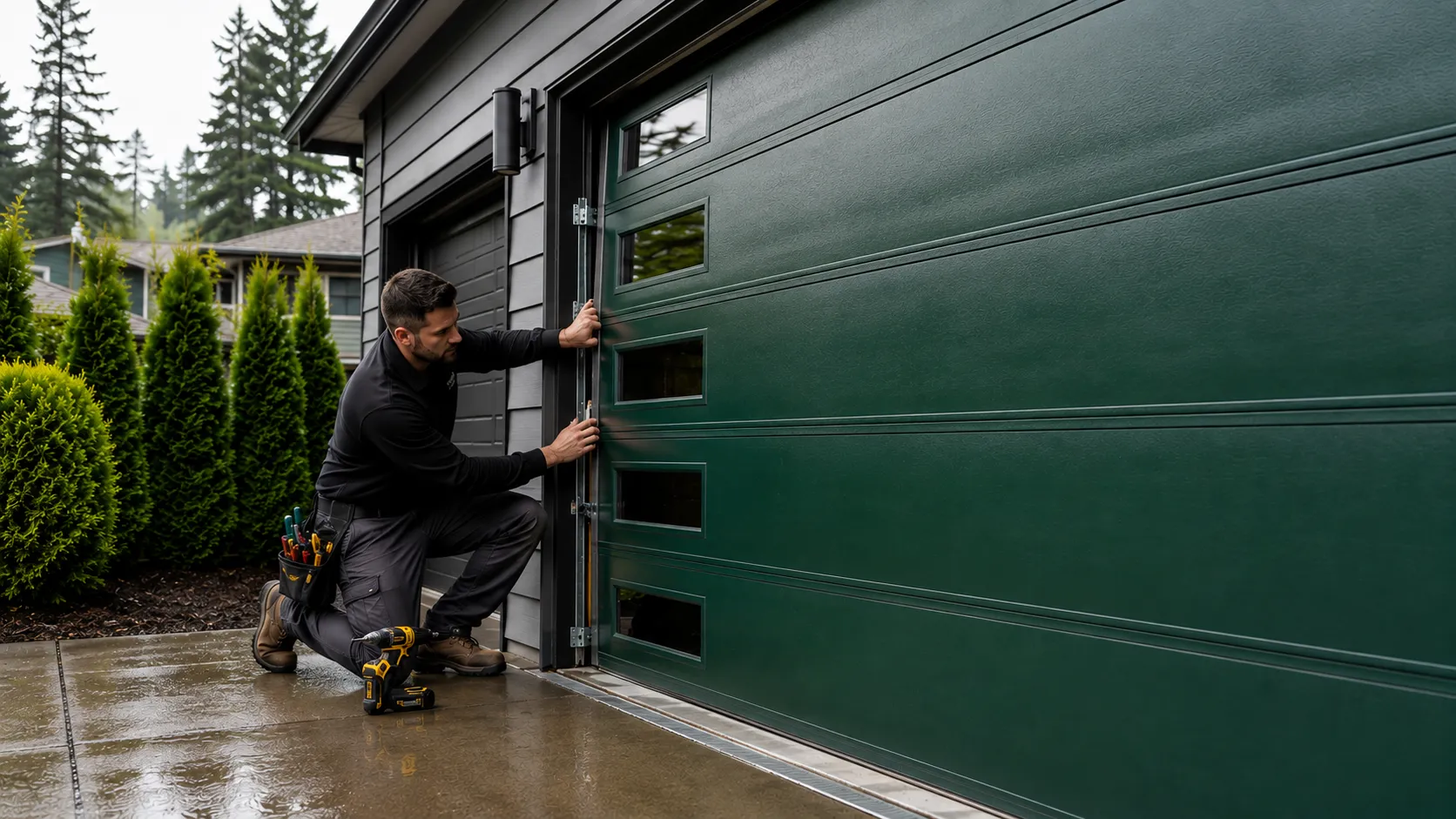
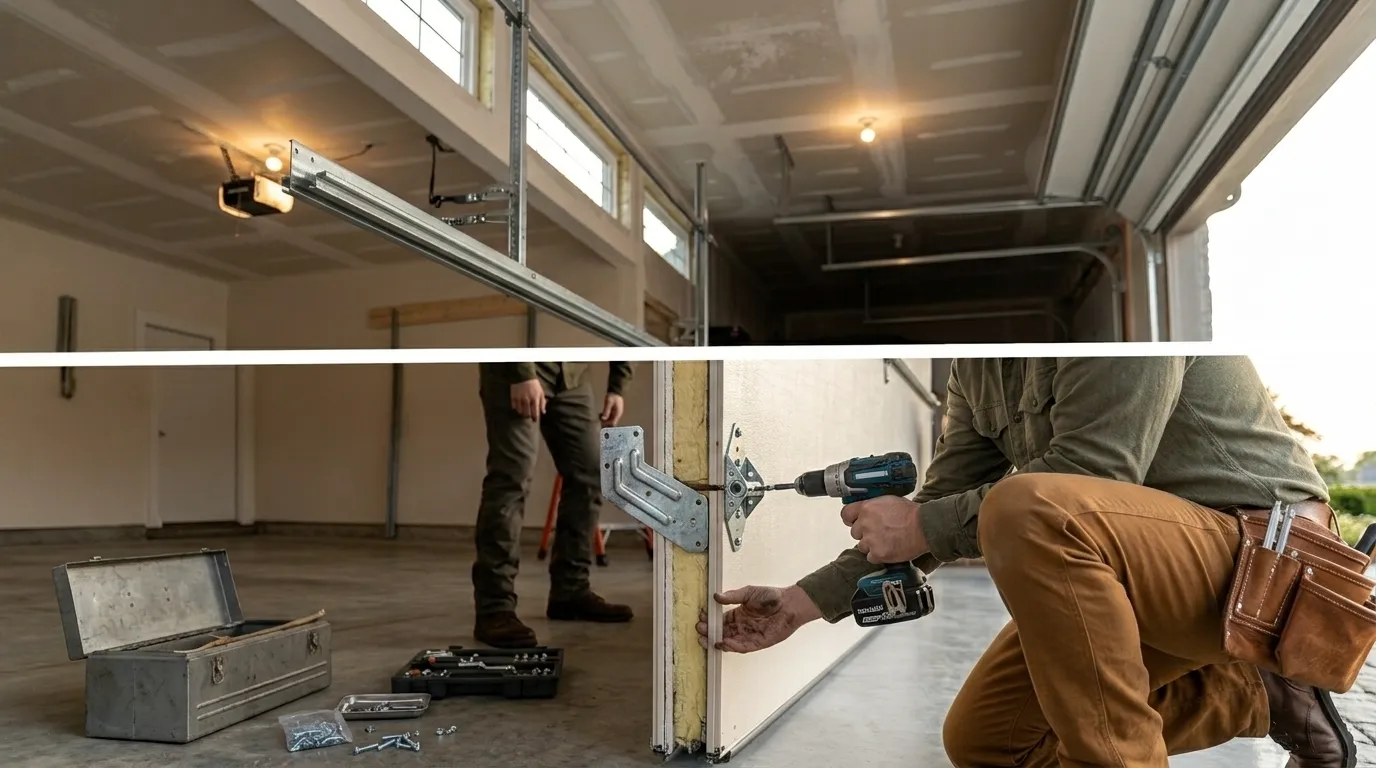
New Hope's housing sits at a median build year of 1985, which puts it well ahead of the broader service area, where the typical home wasn't built until 2004. That twenty-year gap matters more than it sounds like it should. A door and opener installed in the mid-1980s is running hardware two full design generations behind what you'd find in a 2004 build - different spring winding cones, different track gauge, often a lighter-duty opener rail that wasn't built for today's heavier insulated panels.
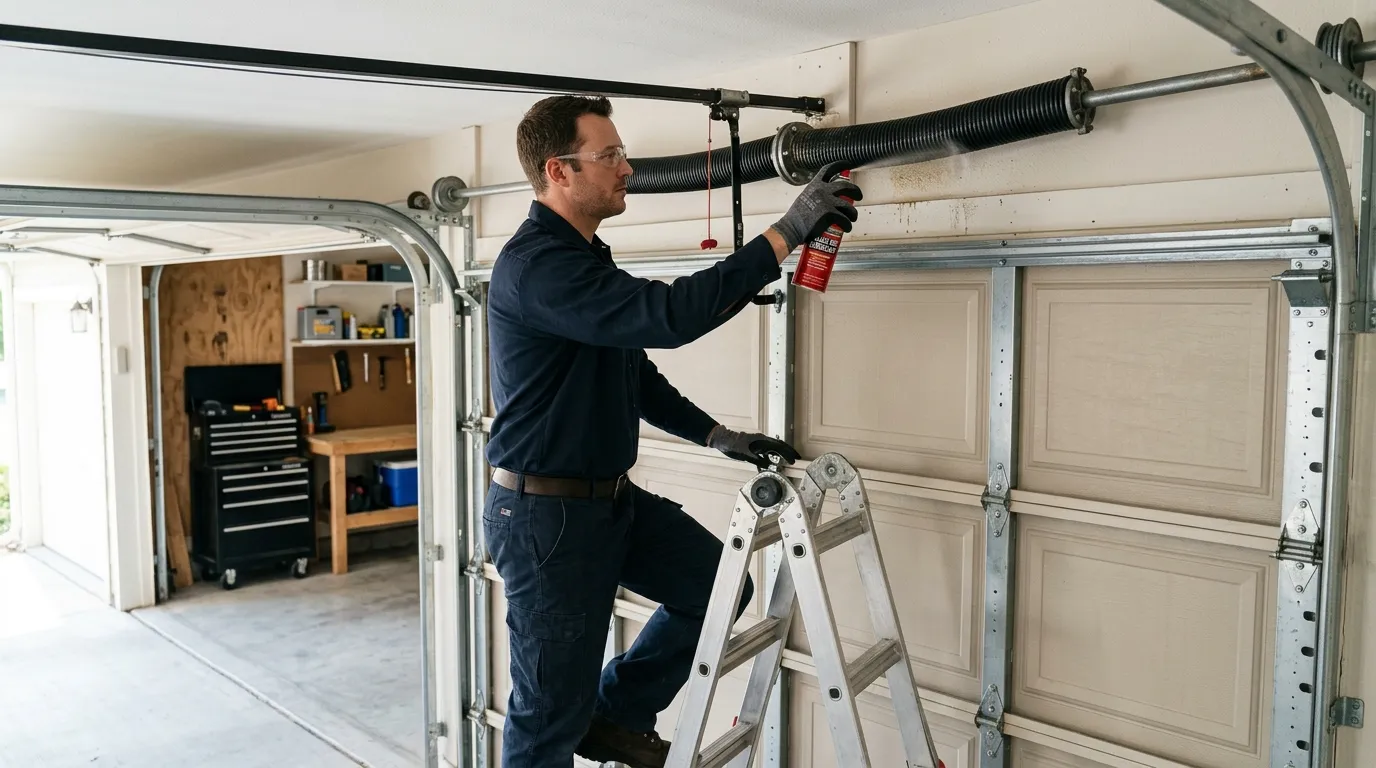
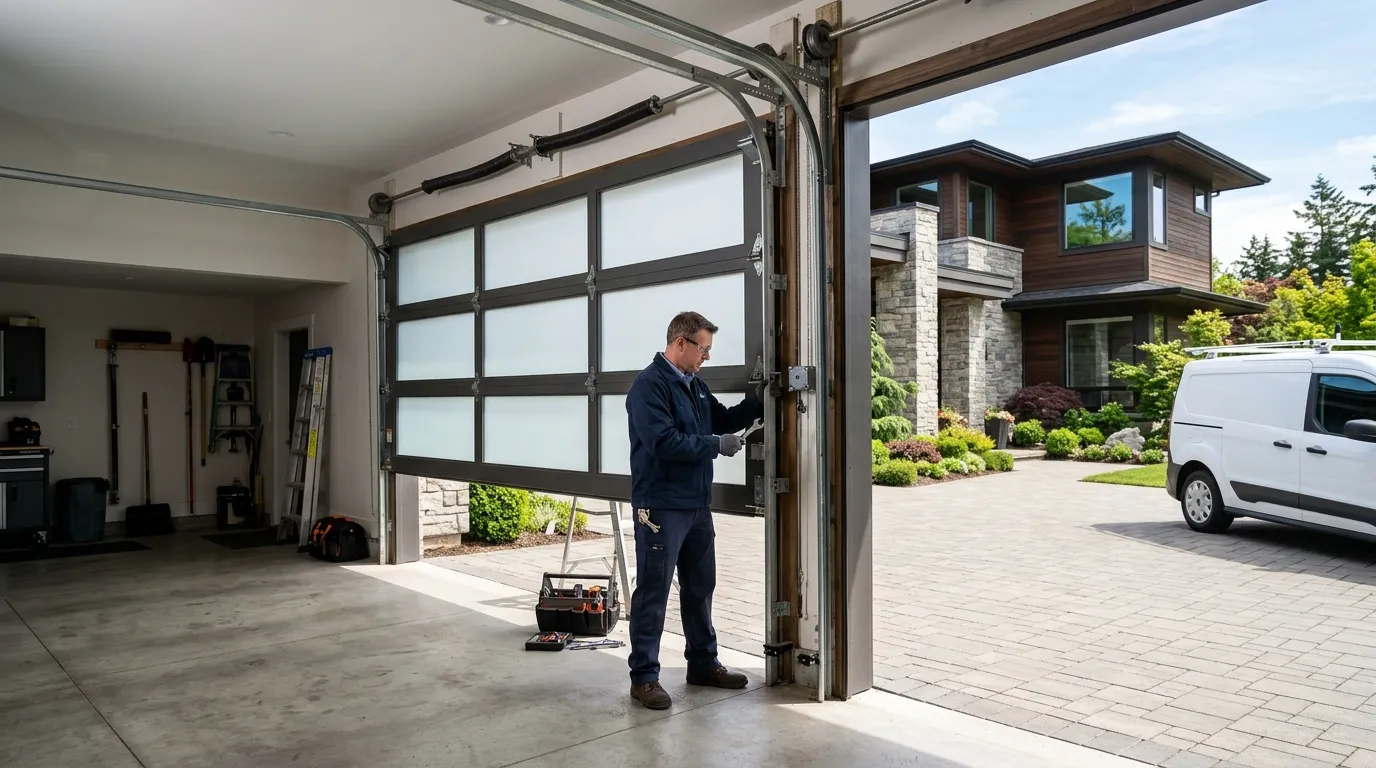
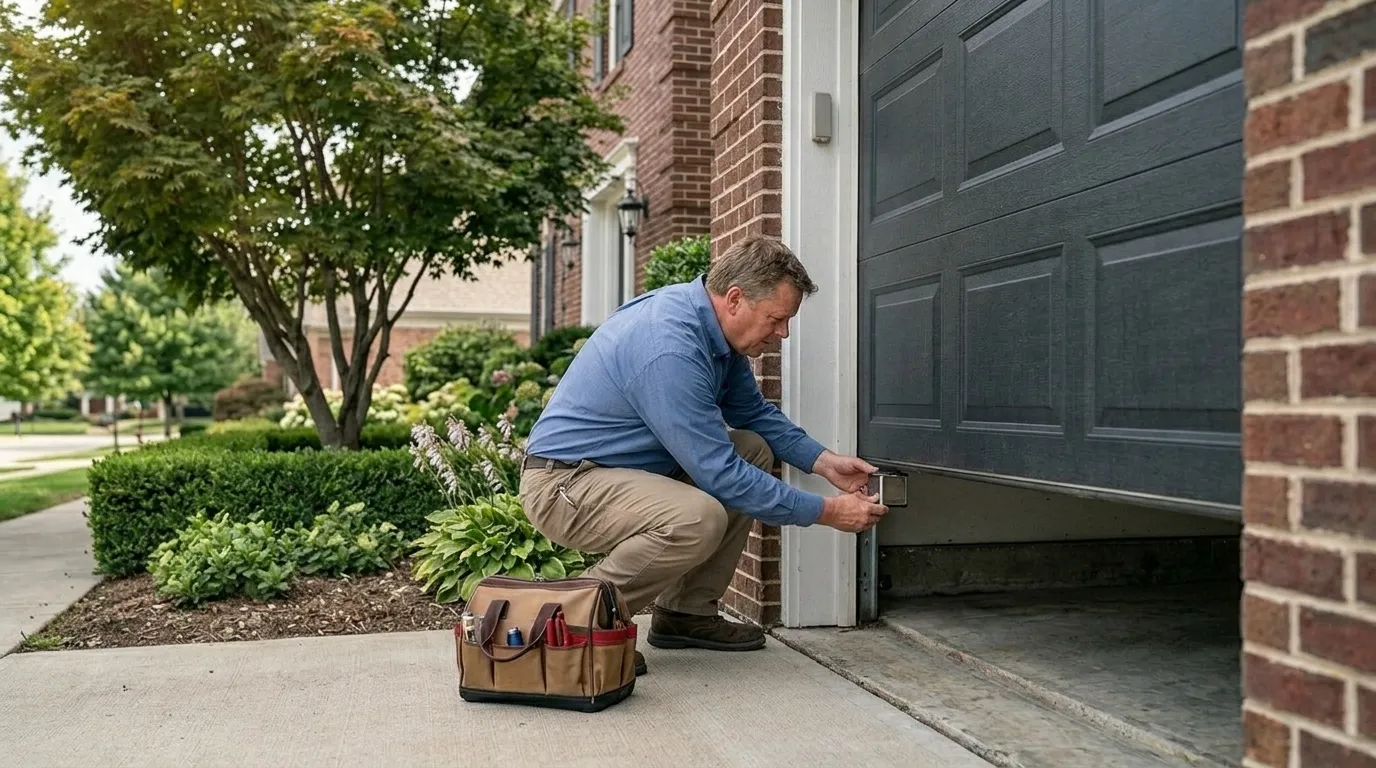
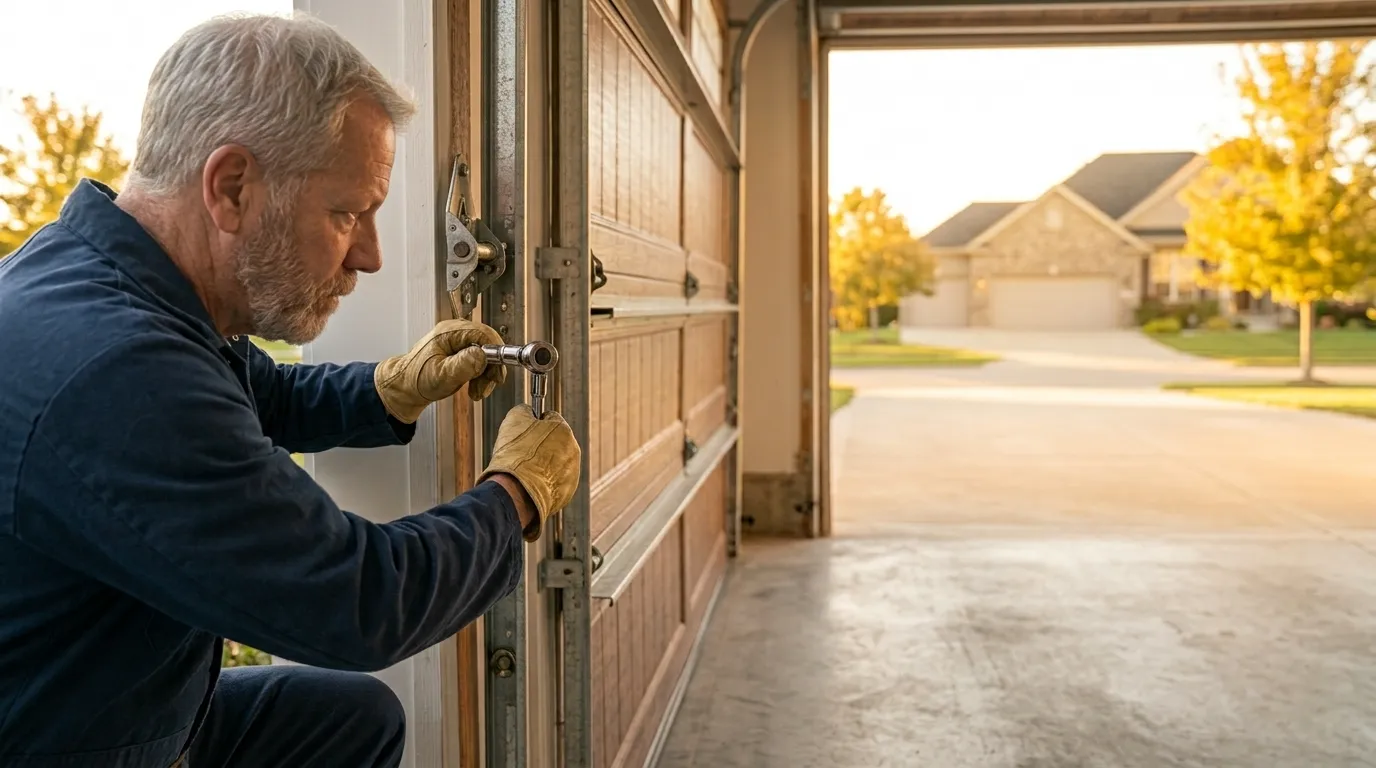
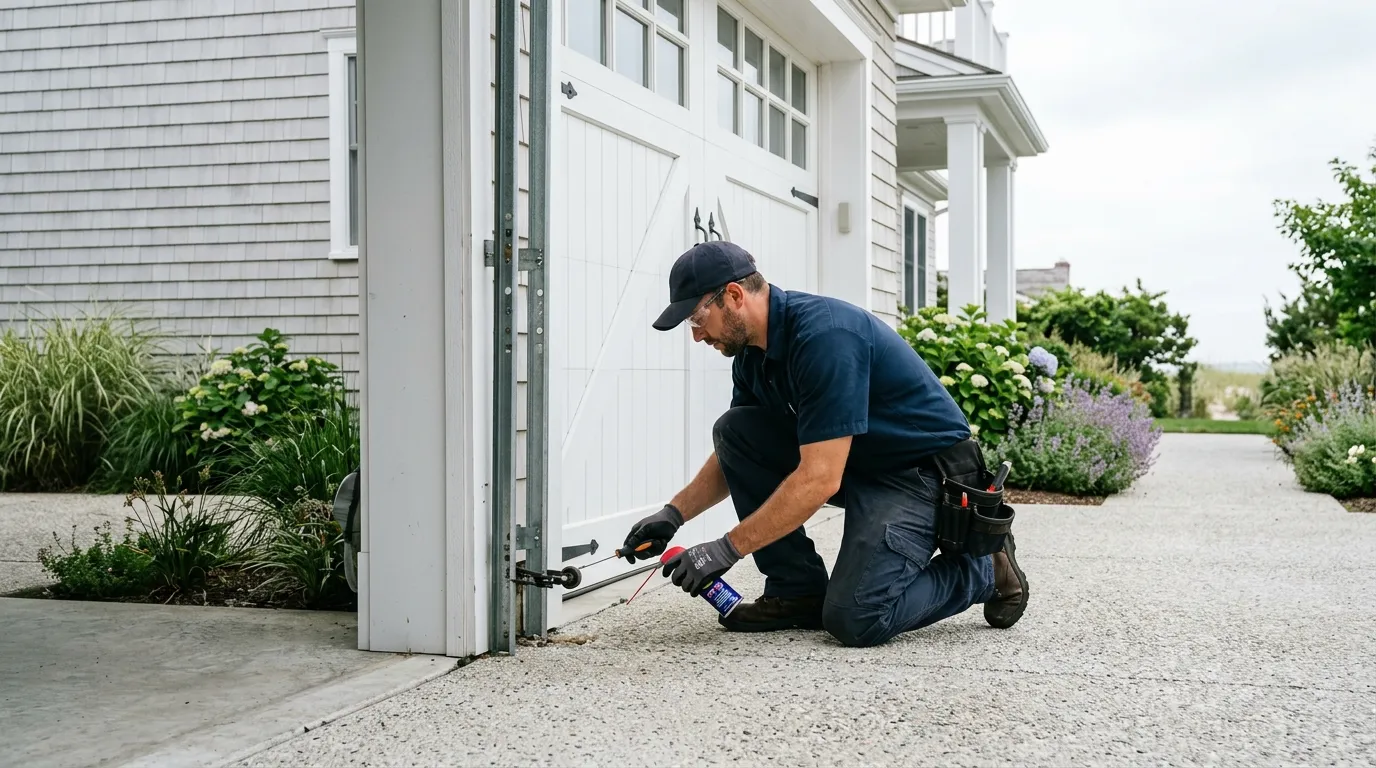
We see two things a lot in homes from this era: torsion springs original to the house that have simply outlived their wind cycles, and openers with drive systems that are getting hard to source parts for. Neither is an emergency by itself, but both tend to fail without much warning. If your door has never had the spring or opener replaced and the house dates to the mid-80s, you're due, not overdue yet, but close.
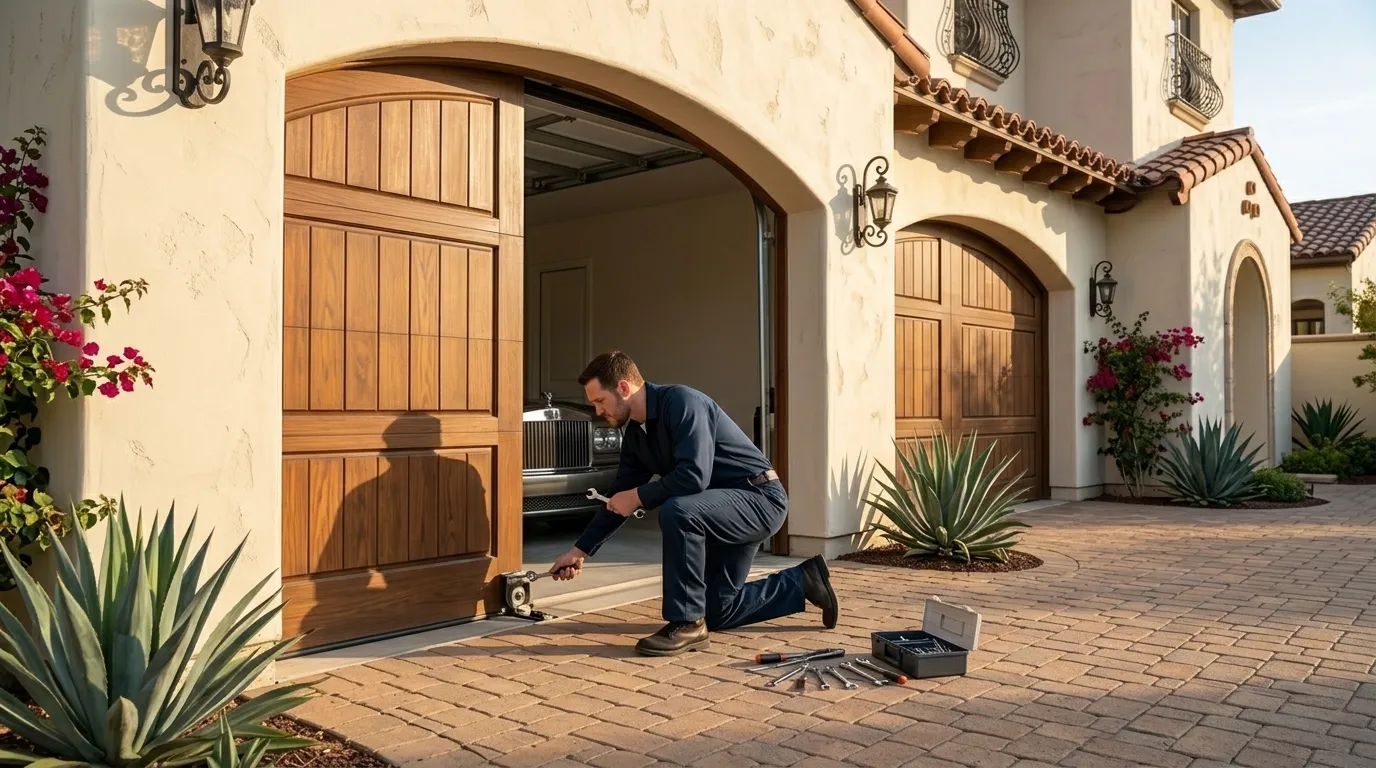
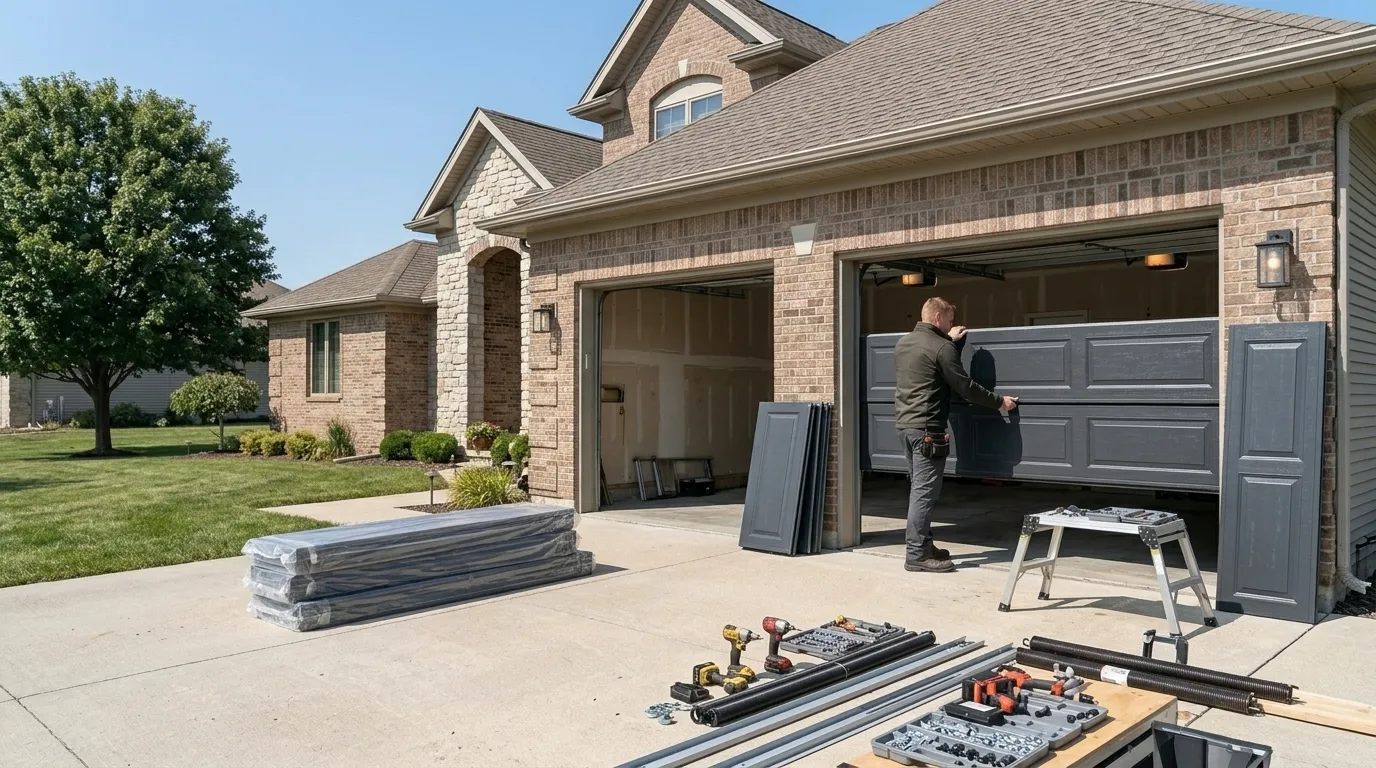
We're not going to tell you every door here needs replacing - plenty of these openers still run fine with a tune-up and a new set of springs sized to the door's actual weight. But we size for the house you have, not a generic double-car door, because the doors in this pocket were often built lighter than what's standard now.
Where We Stop
New Hope sits among a cluster of small communities we cover out of Prosper, including Paloma Creek, Cross Roads, Aubrey, and Oak Point, each a little closer or farther depending on the road. We don't cover ground past what we can reasonably service same-week, and we're not going to claim coverage in places we haven't listed. If you're just outside New Hope proper, ask - the answer is usually yes, but we'd rather tell you plainly than guess.
The Houses Here
With 298 households in New Hope, this isn't a subdivision built out by a single developer in one push - it reads more like a small, established community where houses went up over time. Median household income here runs $65,625, noticeably below the $110,357 median across our wider service area. That gap shapes how we quote work: we lean toward repairing what can be repaired rather than defaulting to full replacement, and we'll say plainly when a spring swap or roller replacement gets you another decade instead of pushing a new door you don't need yet.
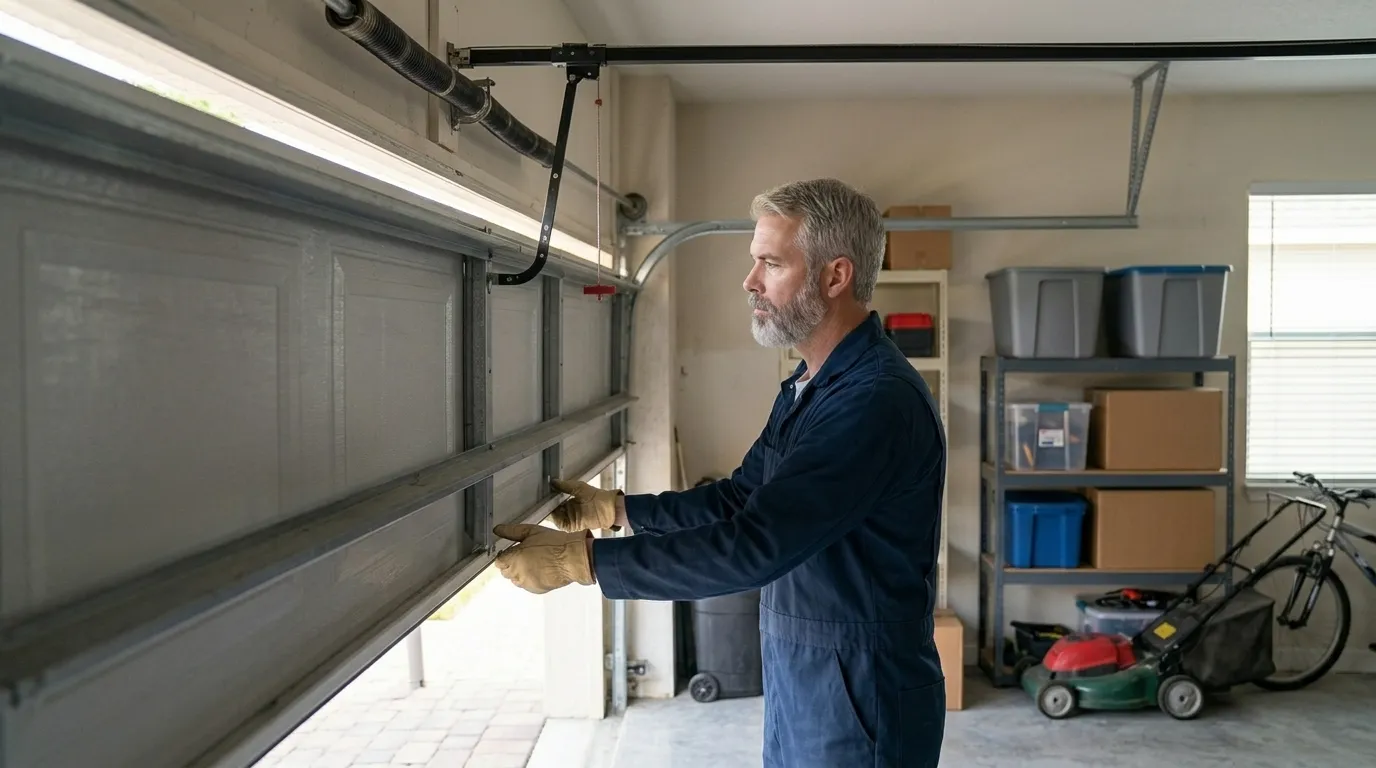
The climate band across this whole region is cold-moderate, which means winter cold snaps stiffen grease in older openers and can make marginal springs snap on the first hard pull of the season. It's not dramatic weather, but it's enough to expose hardware that was already near the end of its life. A well-maintained door from this era can keep running for years yet; the failures we see are almost always deferred maintenance catching up, not the age of the house by itself.