What the Housing Means for Your Door
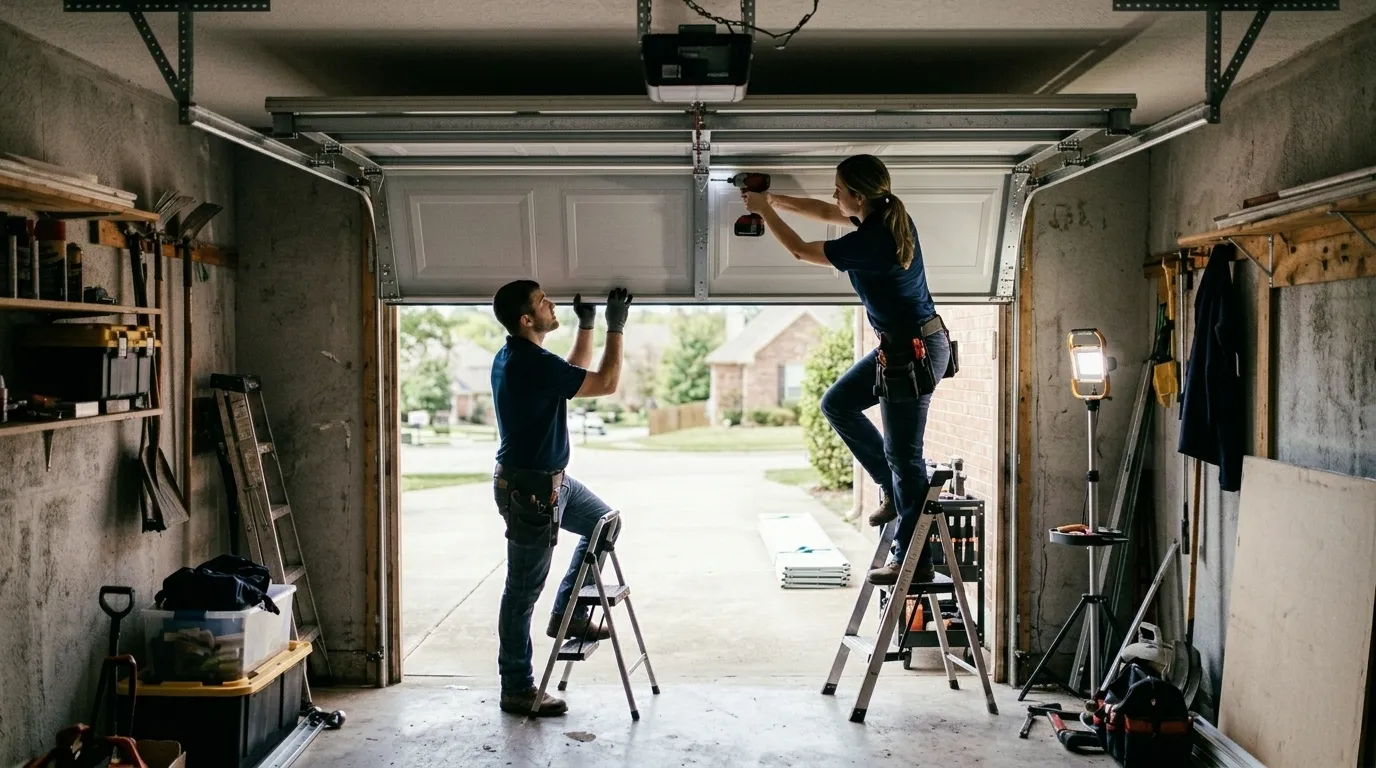
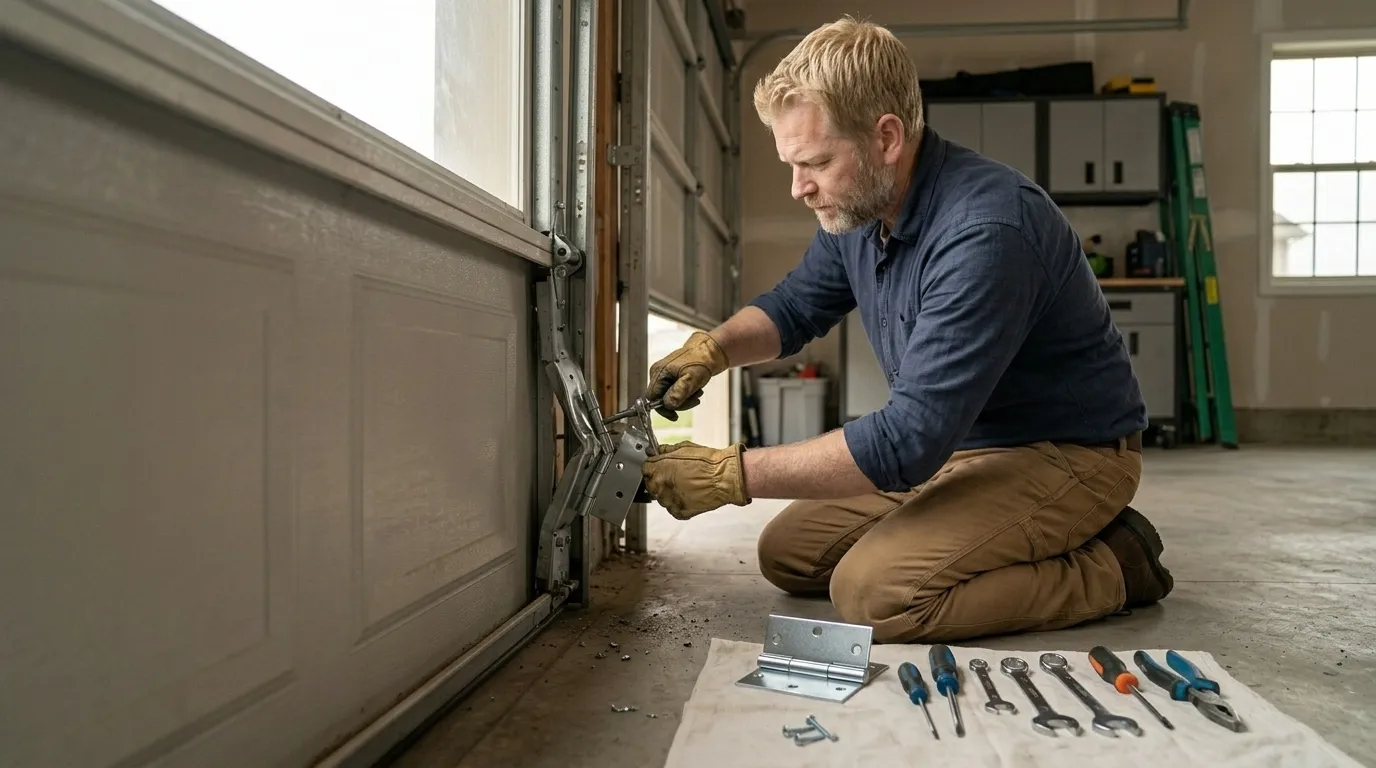
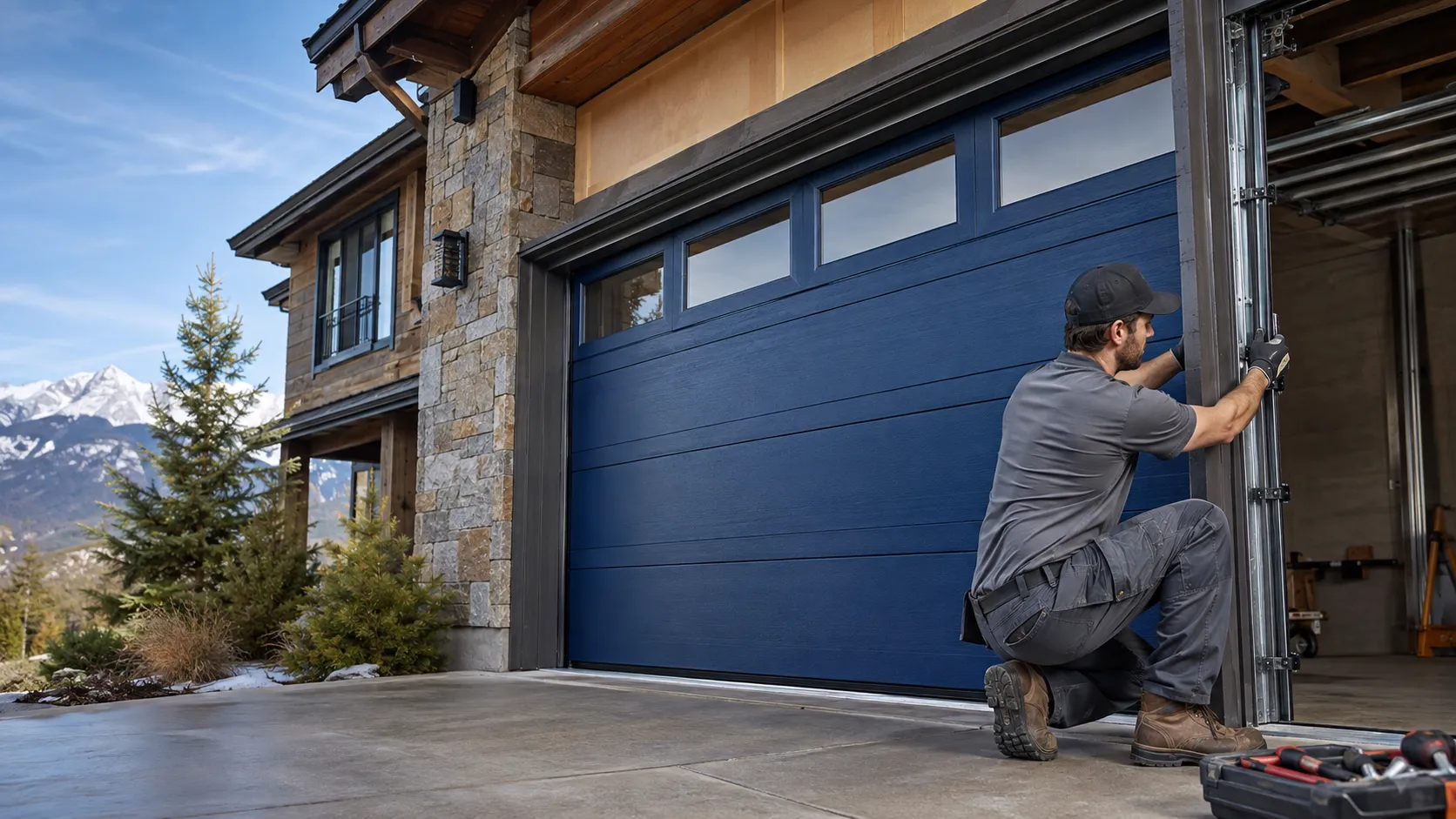
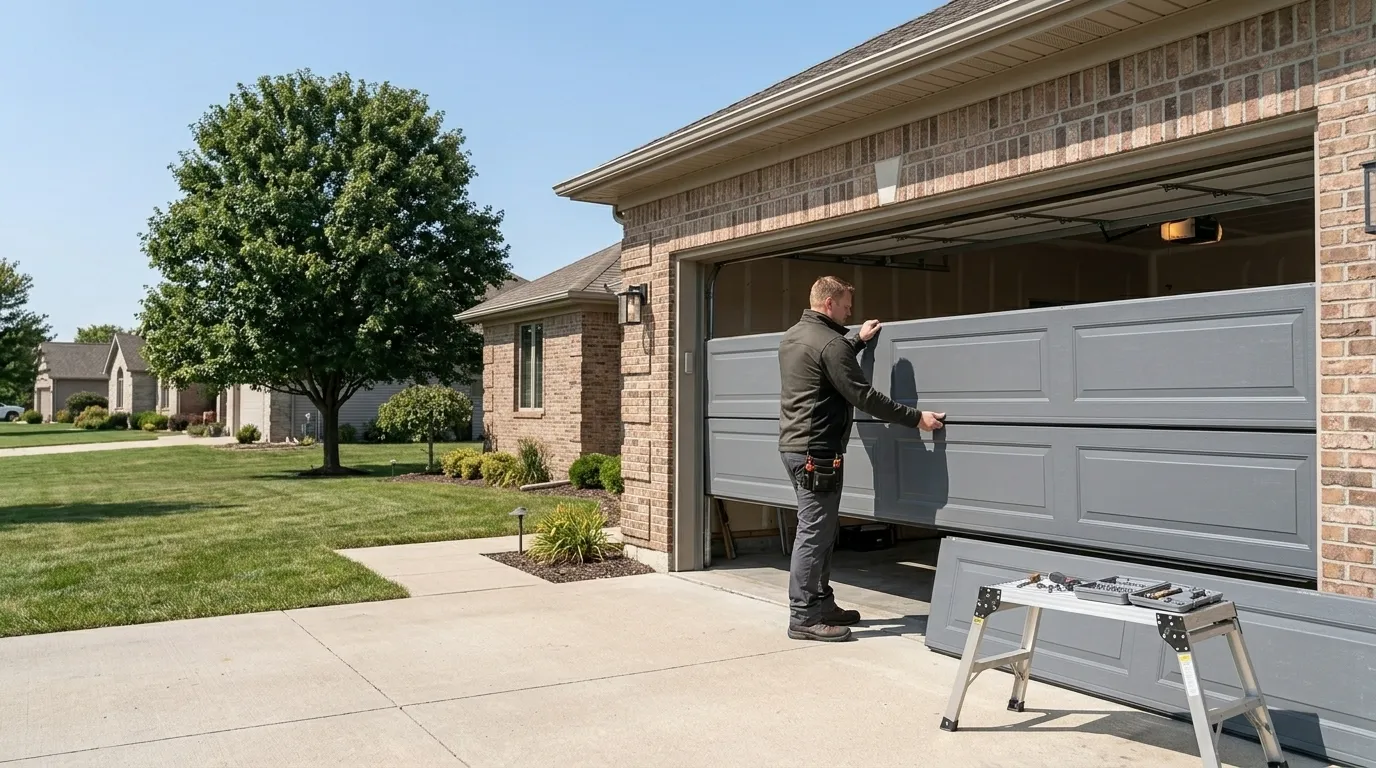
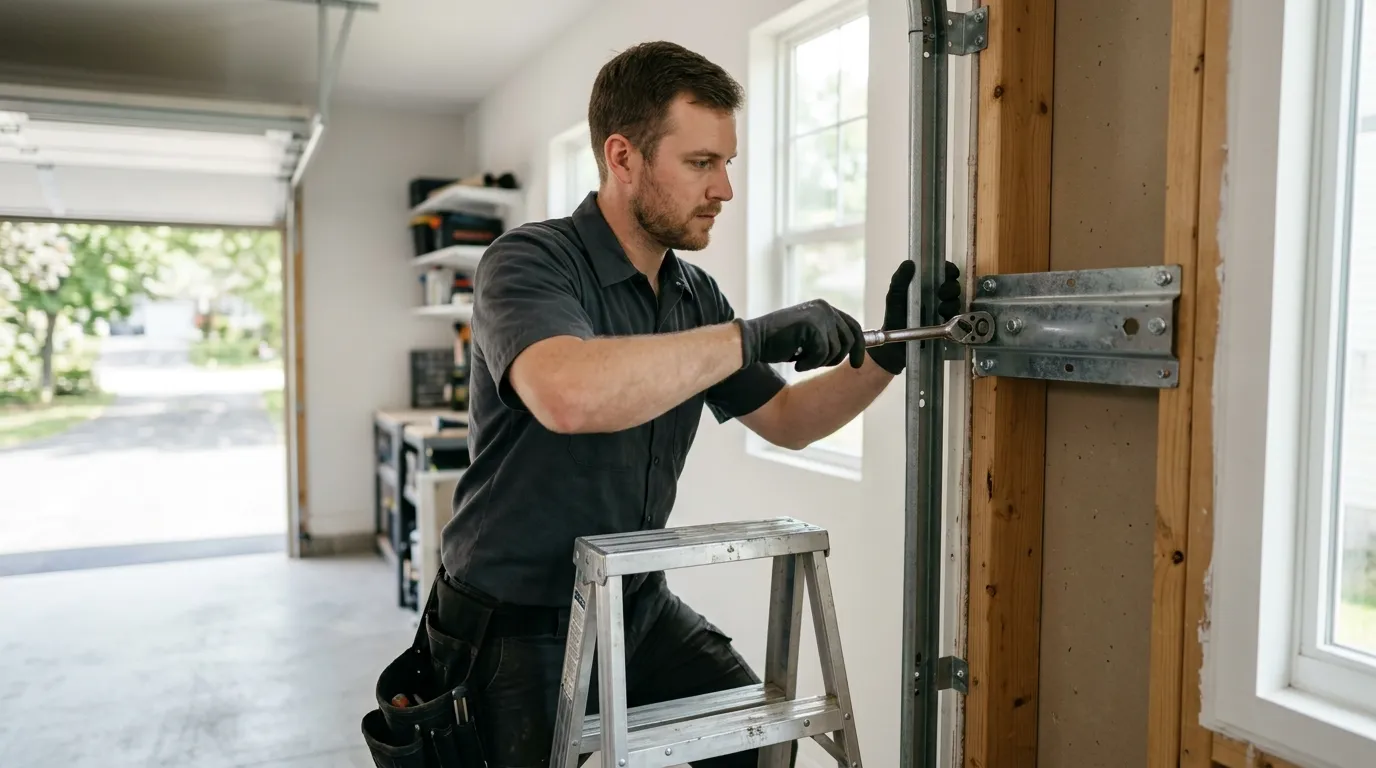
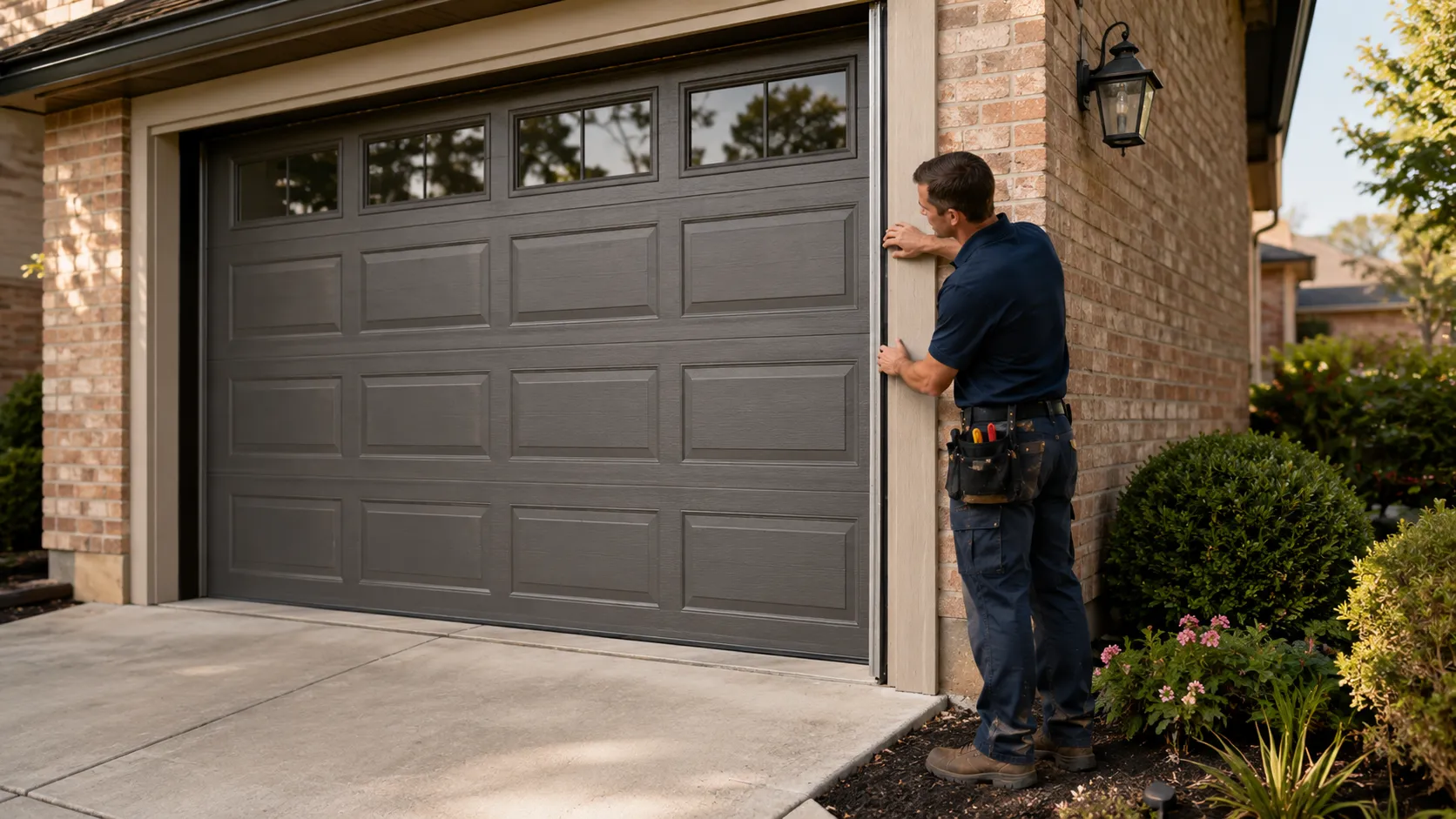
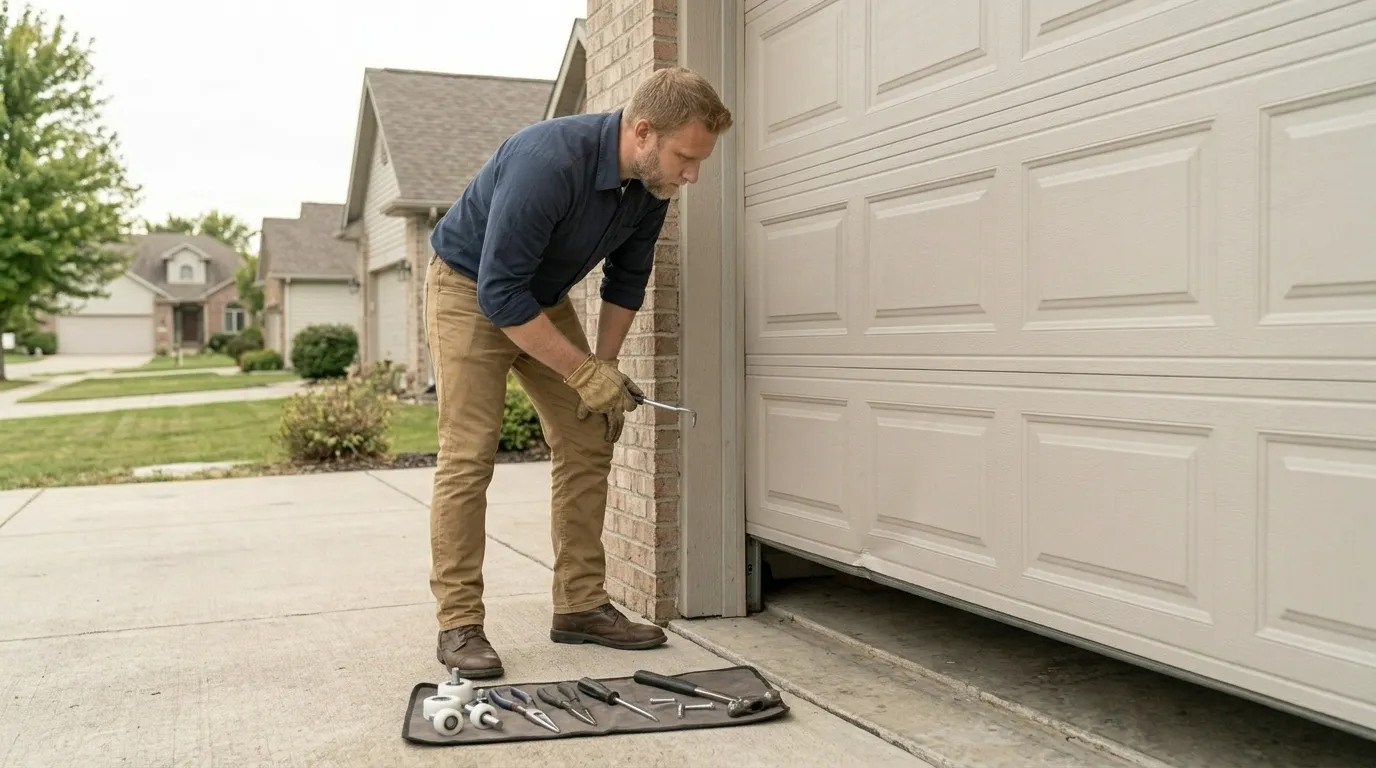
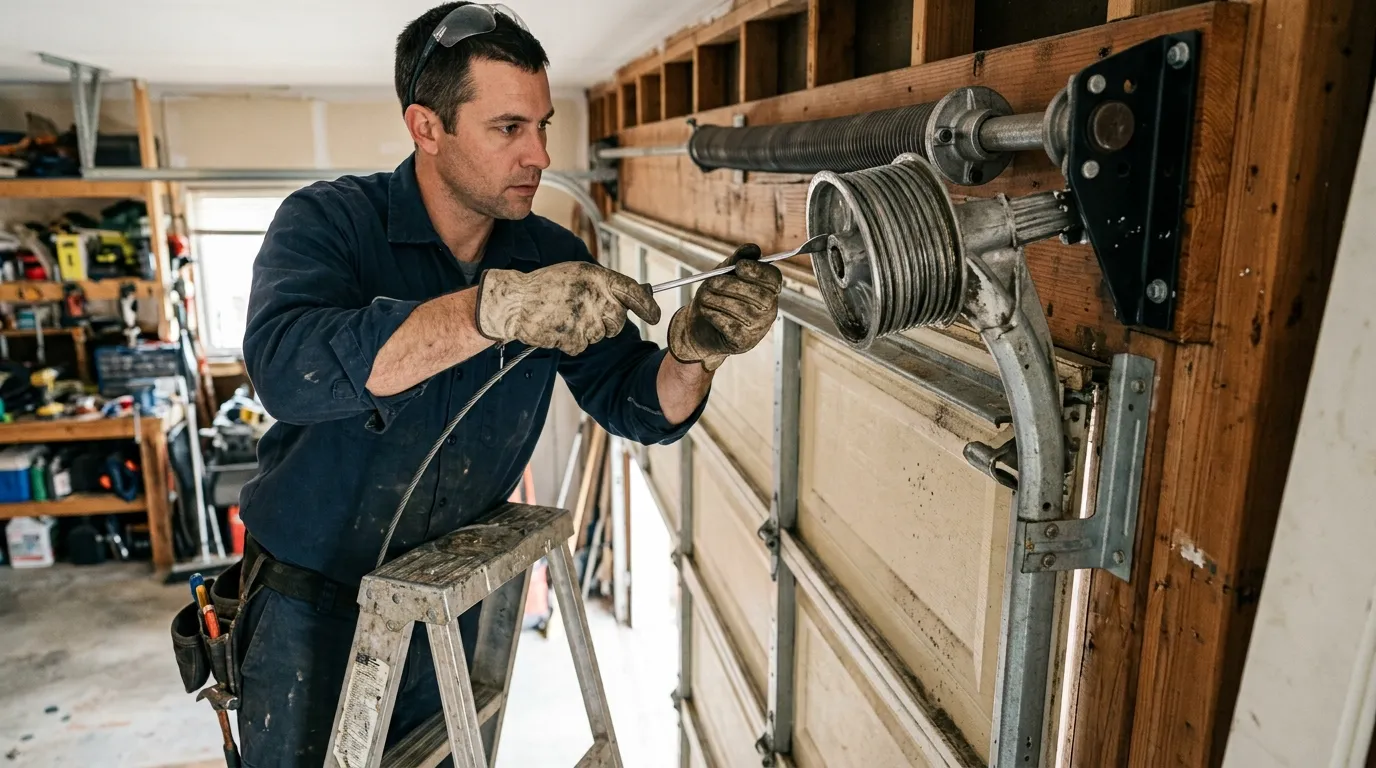
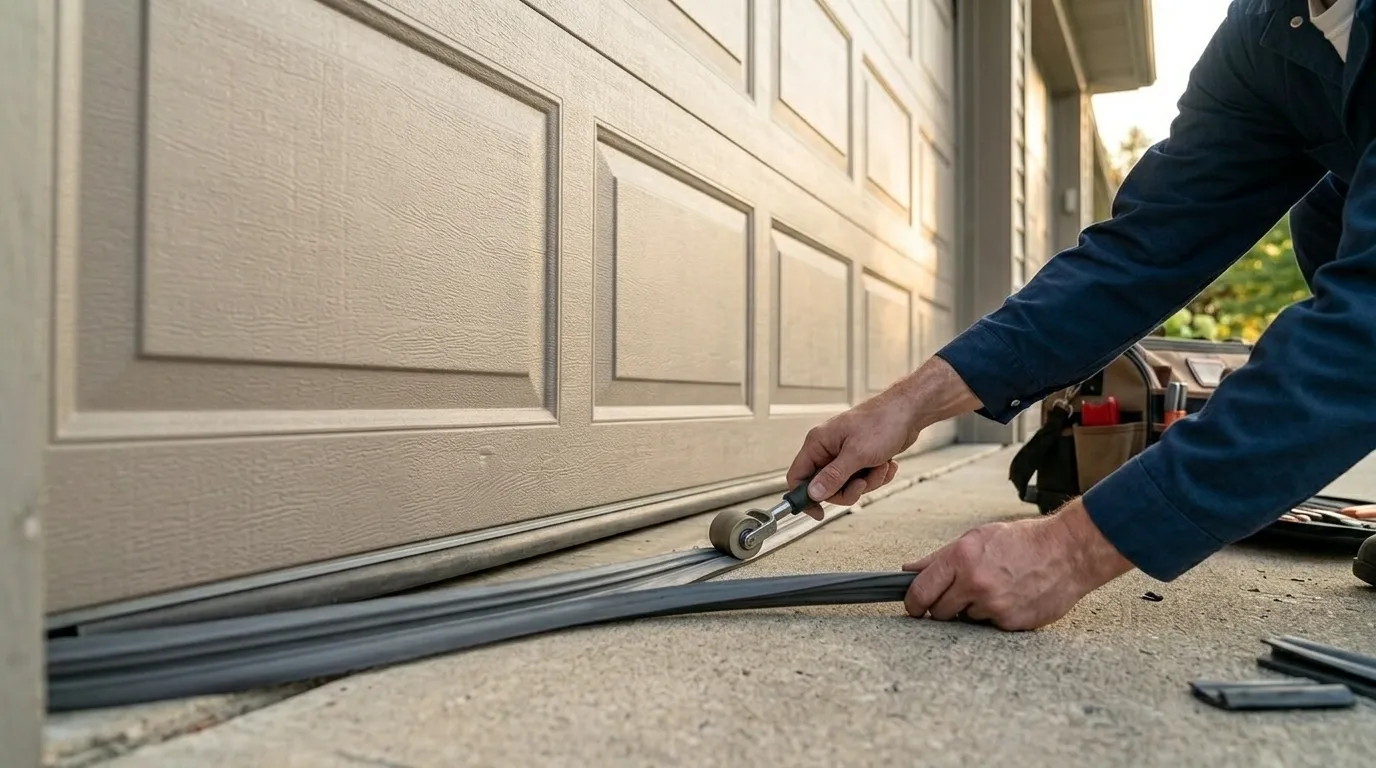
Cross Roads is younger than most of the towns we cover. The median home here went up around 2014, a full decade past the 2004 median for the wider service area, and the area as a whole is mostly 2000s stock. That gap matters. A door installed in 2014 is still on its first opener in a lot of cases, and it's a builder-grade steel door on a standard torsion spring set sized to a spec sheet, not to the door itself. We see the same failure pattern over and over in newer construction: the spring was sized for the cheapest door that would pass inspection, and once the homeowner adds insulation or a heavier panel later, the spring is undersized and burns out early. The other pattern is the opener. A 2014-era opener is old enough that the logic board is starting to fail but young enough that homeowners assume it's fine because "the house isn't old." We also see thin factory weatherstripping on these doors - fine when new, brittle and gapping by year ten. If your door was installed with the house, it's roughly a decade old now, which is exactly the age where torsion springs and openers start needing attention even though the door itself still looks new.
Where We Stop
Cross Roads is inside our regular coverage, about 11 miles from Prosper. We also run out to Aubrey, Oak Point, and Cross Roads' immediate neighbors at similar distances, and out to Weston at 10 miles. Beyond that the drive starts eating into the day - towns like Fairview, Pilot Point, Shady Shores, and Lake Dallas sit at 14 miles, and Tioga, Highland Village, Van Alstyne, Copper Canyon, and Murphy mark roughly where our range ends at 16 to 20 miles out. If you're calling from one of those farther towns, ask when you book - we'll tell you straight whether it's a normal stop or a special-trip situation.
The Houses Here
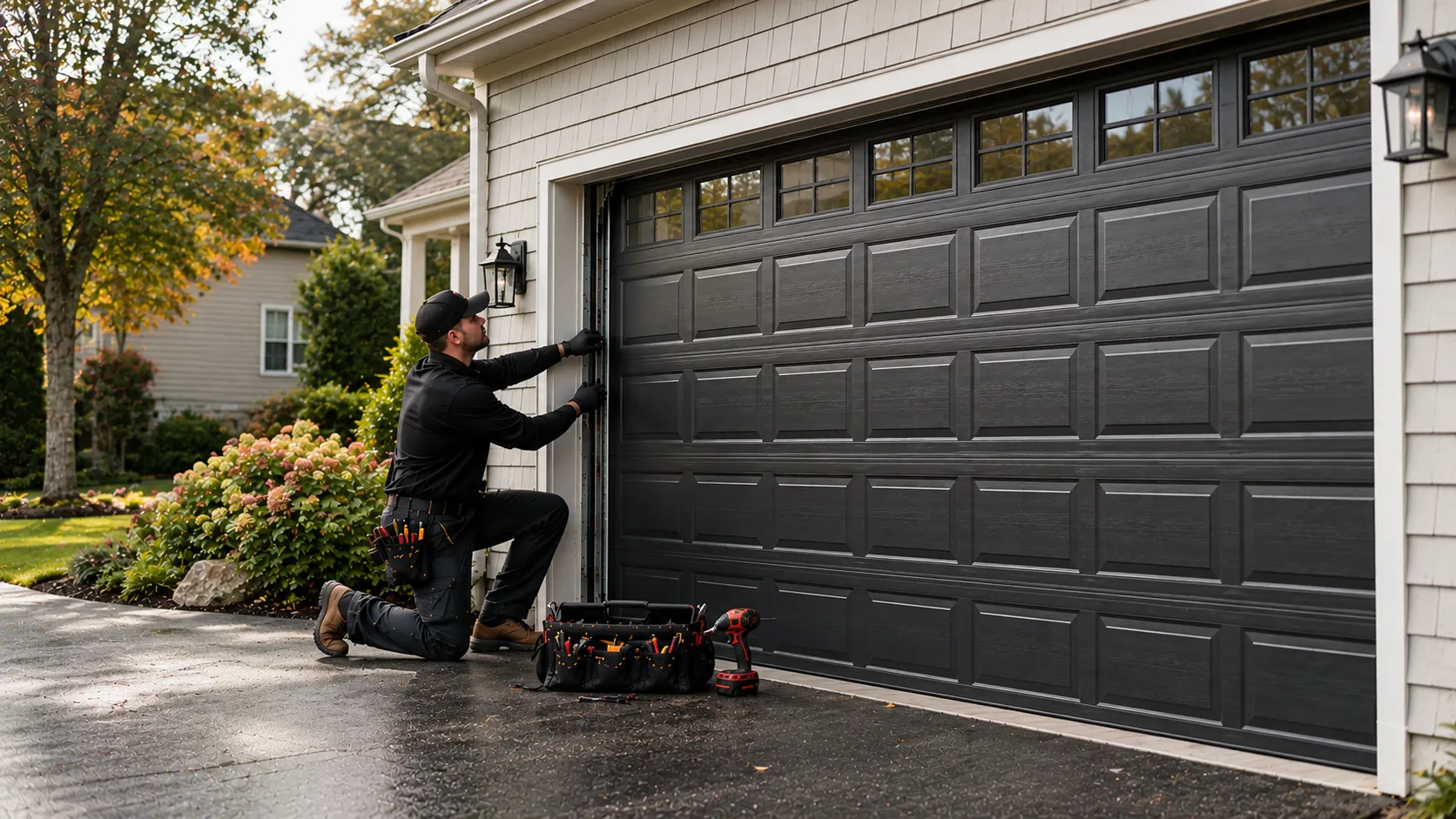
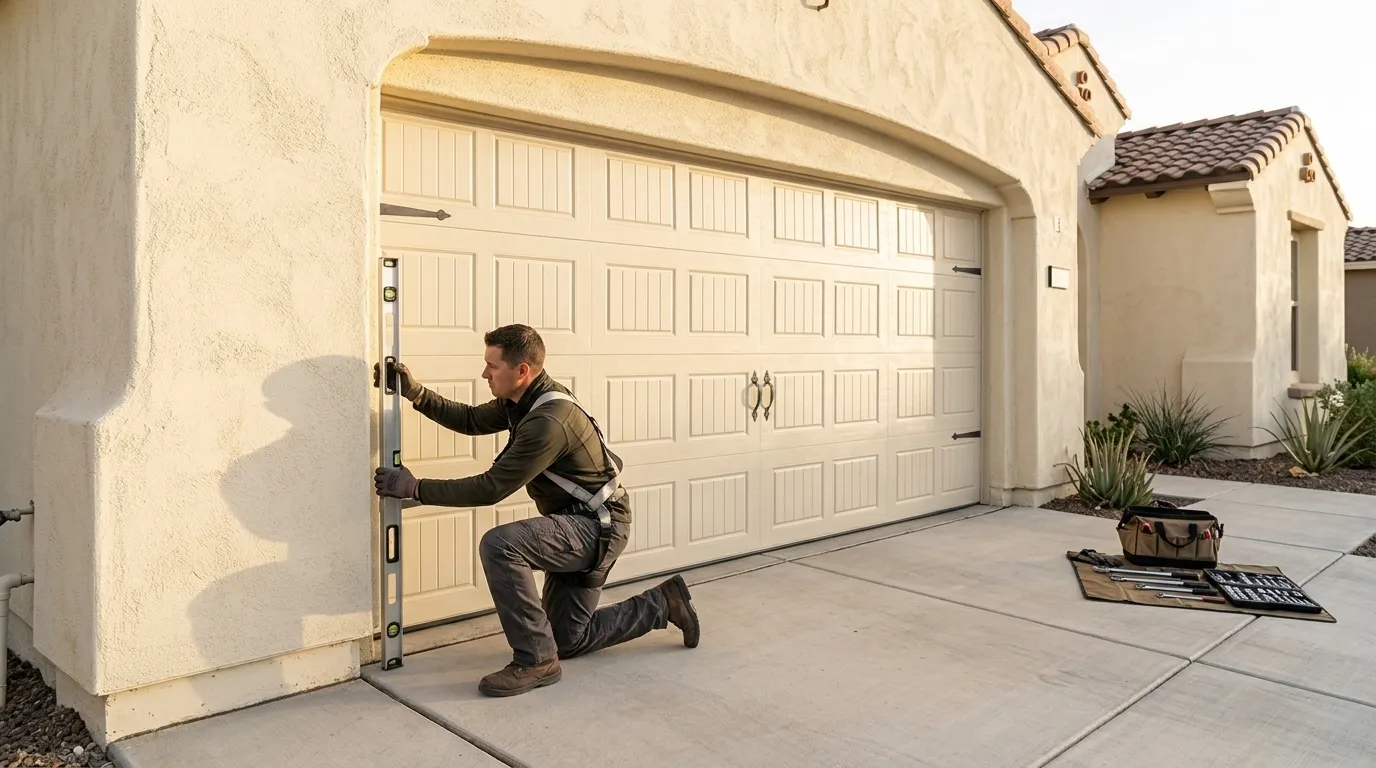
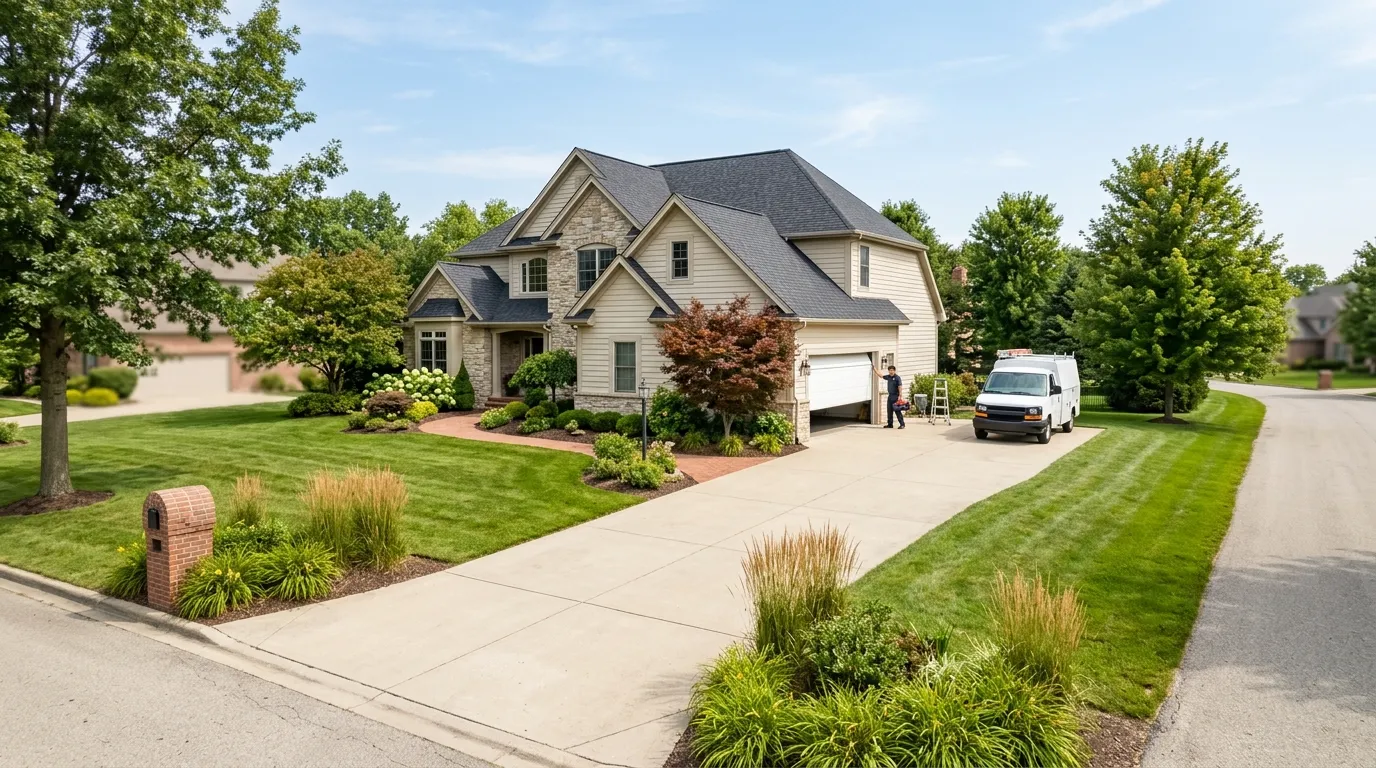
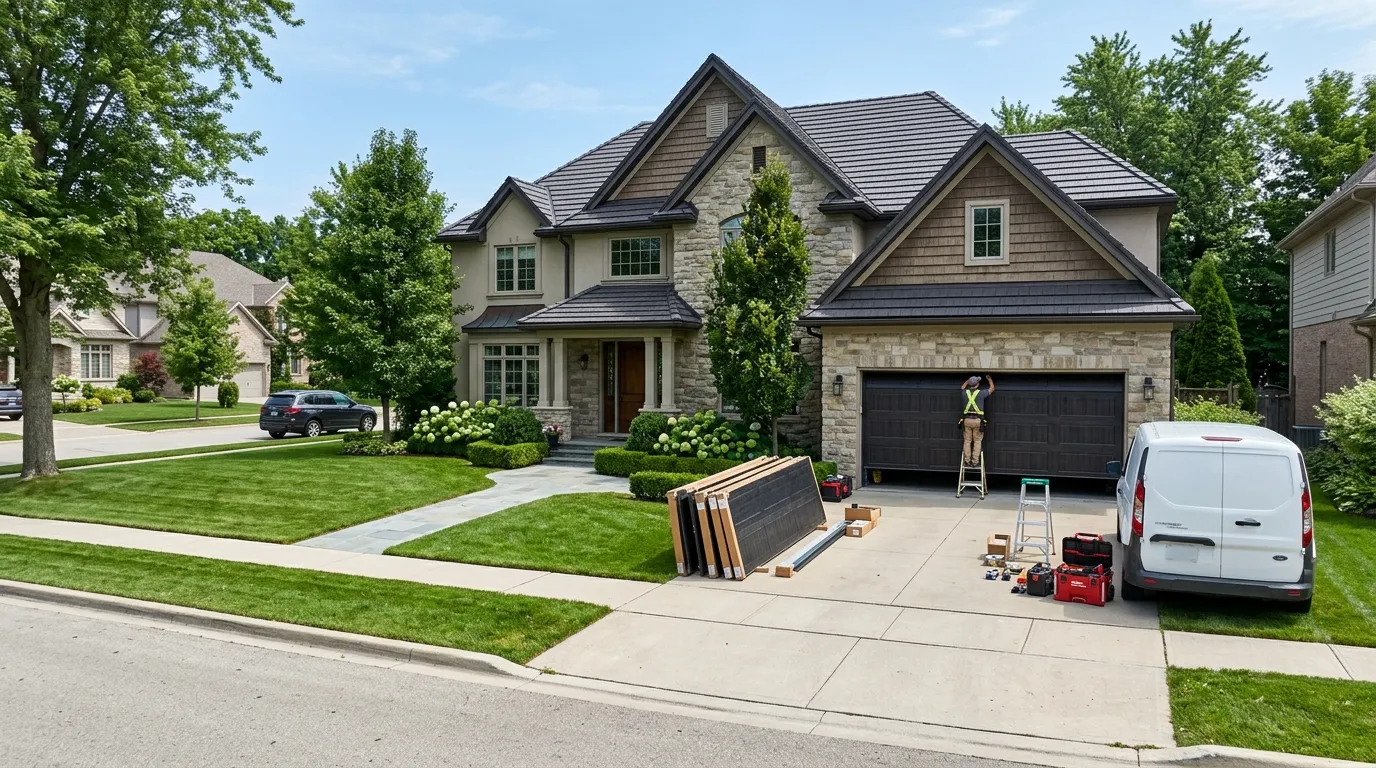
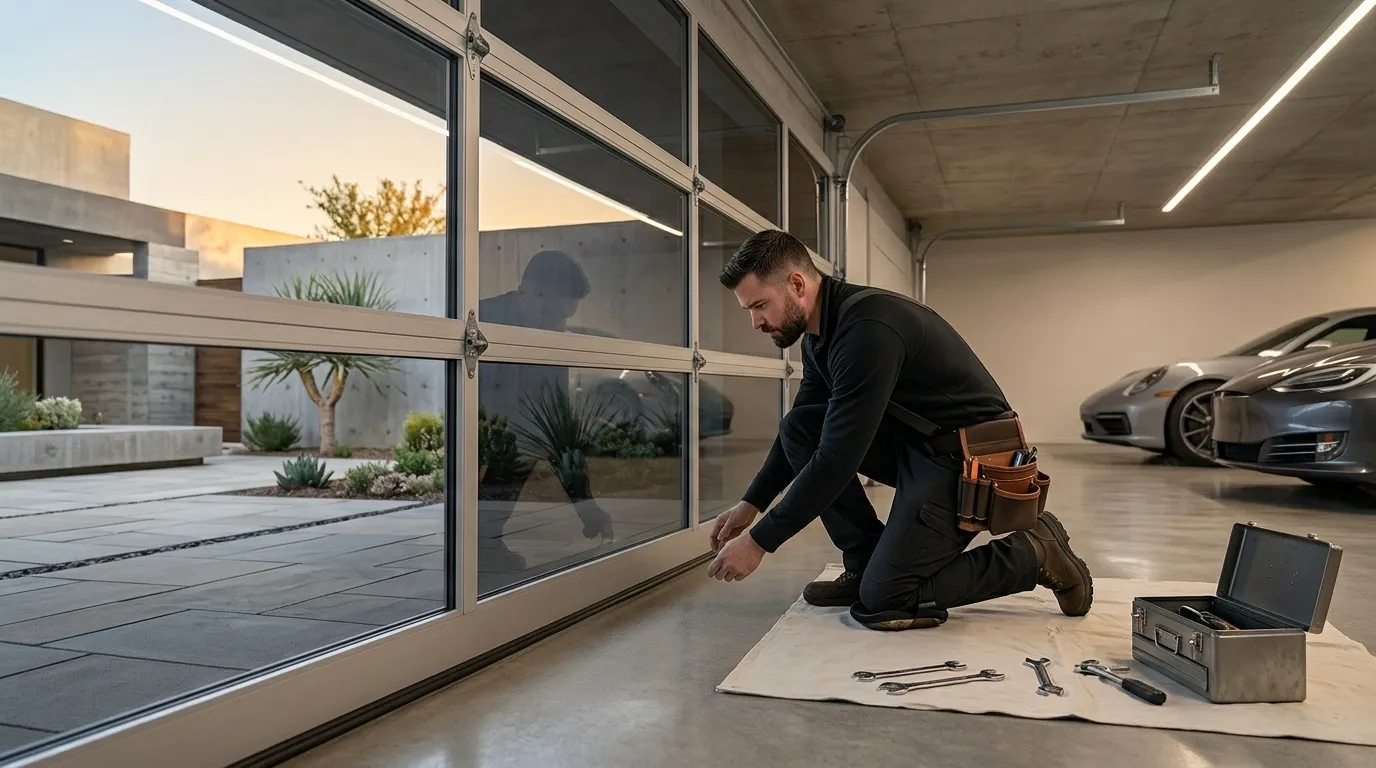
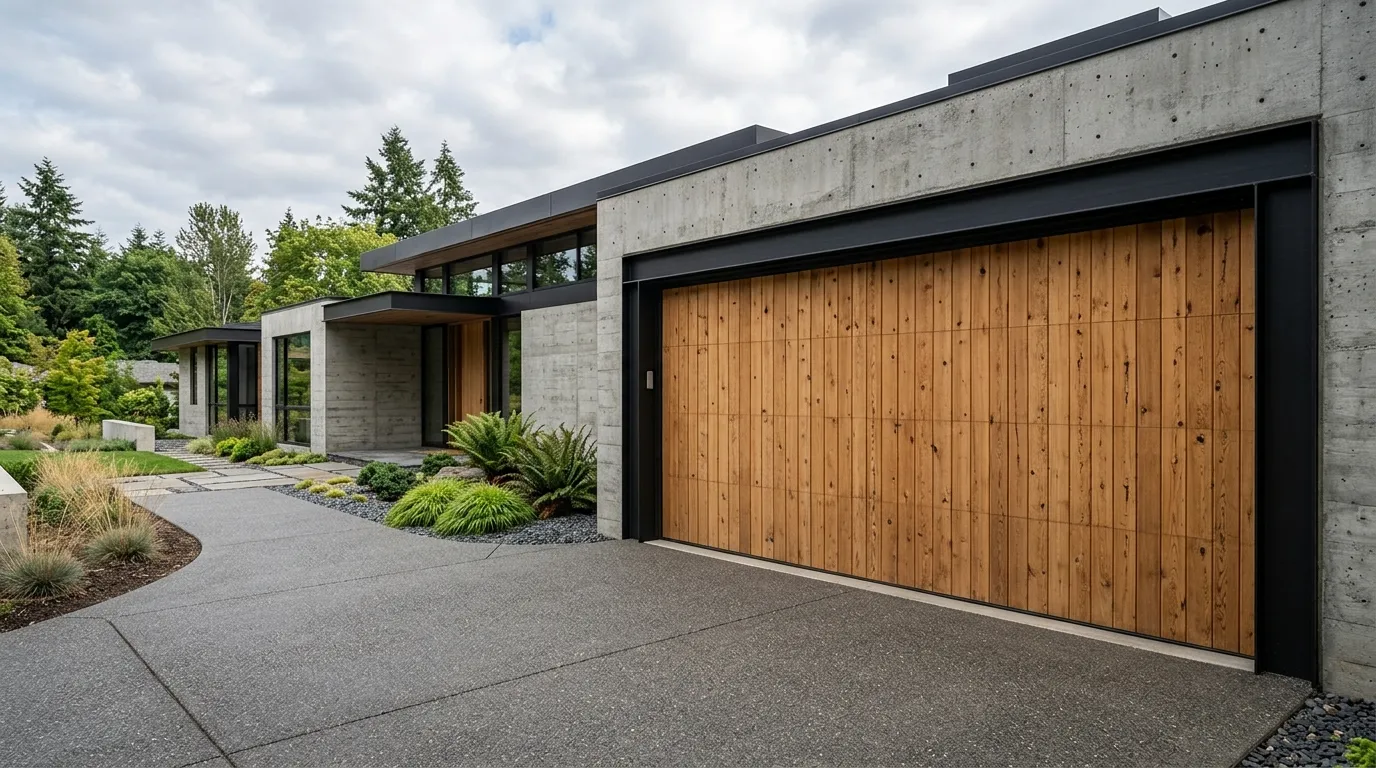
Cross Roads has about 754 households, smaller than most of the towns we serve, and median household income here runs around $115,000 - noticeably above the $110,357 median for the wider service area. That income level shows up in the doors: more custom carriage-style faces, more insulated steel and composite panels instead of the bare single-layer steel you see in older, lower-cost tracts. Two-car attached garages are the norm given the build era, usually with a single 16-foot door rather than two separate single doors, which means one failed spring set takes out the whole garage rather than half of it. Owner-occupied houses dominate this kind of newer subdivision, which also means most of these doors have had one owner and one maintenance history since the day they were installed - useful to know when we're diagnosing whether a problem is original-install or something that happened later.