The Cost of This Job
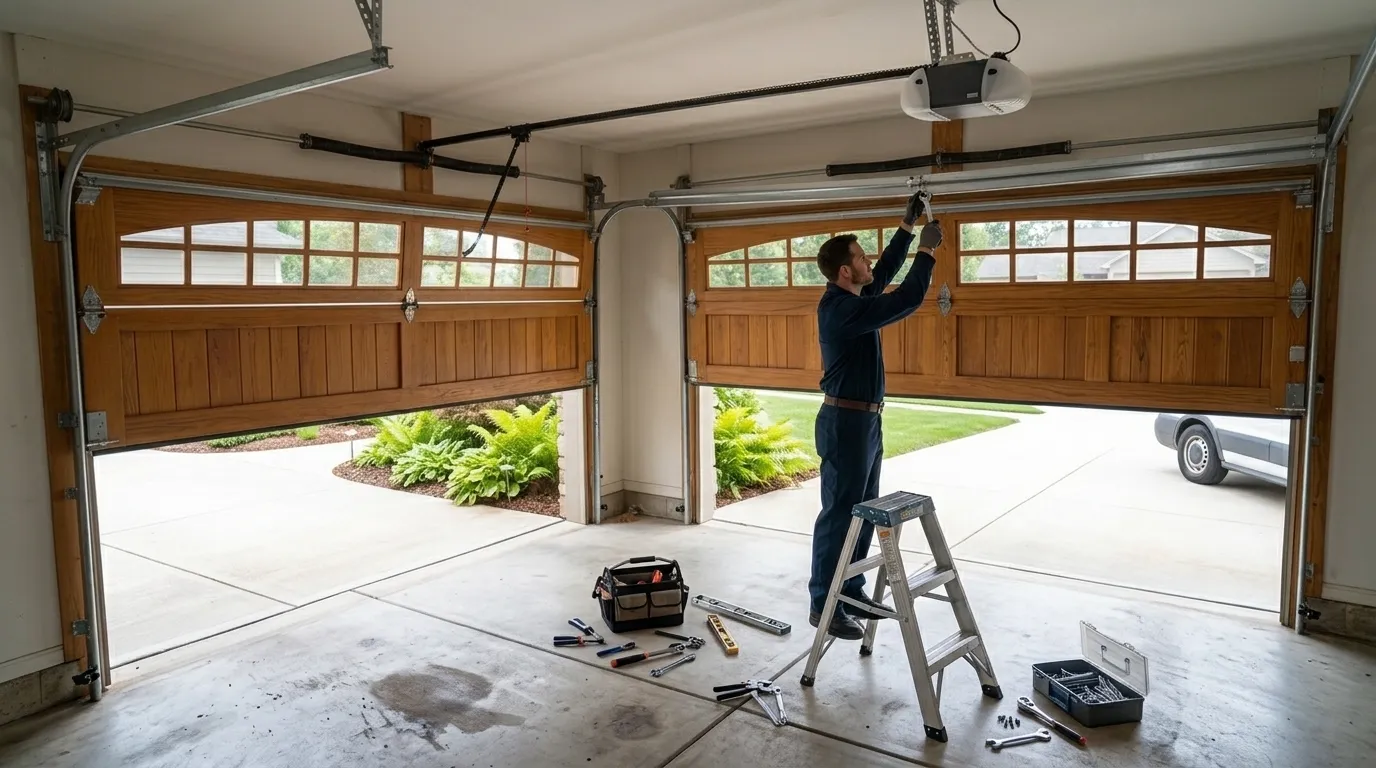
We're not going to throw a number at you here, because the honest answer is it depends on what's actually broken and what's on the door. A broken torsion spring on a double door is a different job than a burned-out opener circuit board, and a bent track from a car backing into it is different again. What we can tell you is what shapes the estimate in this area: most of the homes we work on were built between 1985 and 2015, with the median sitting around 2004, so springs, cables, and openers across town are clustering around the same age and wearing out in waves rather than one at a time. That's actually good for cost control - parts for 2000s-era builder-grade hardware are common, not special-order. Where cost climbs is when a homeowner waits through months of a grinding opener or a door that won't stay level, because a strained system starts taking out the track, the rollers, and sometimes the opener's gearing along with the spring. Given the household incomes in this service area, most owners we see choose to fix it right the first time rather than patch it twice. We'll tell you straight if a repair is or isn't worth it before we start.a
What You Are Seeing
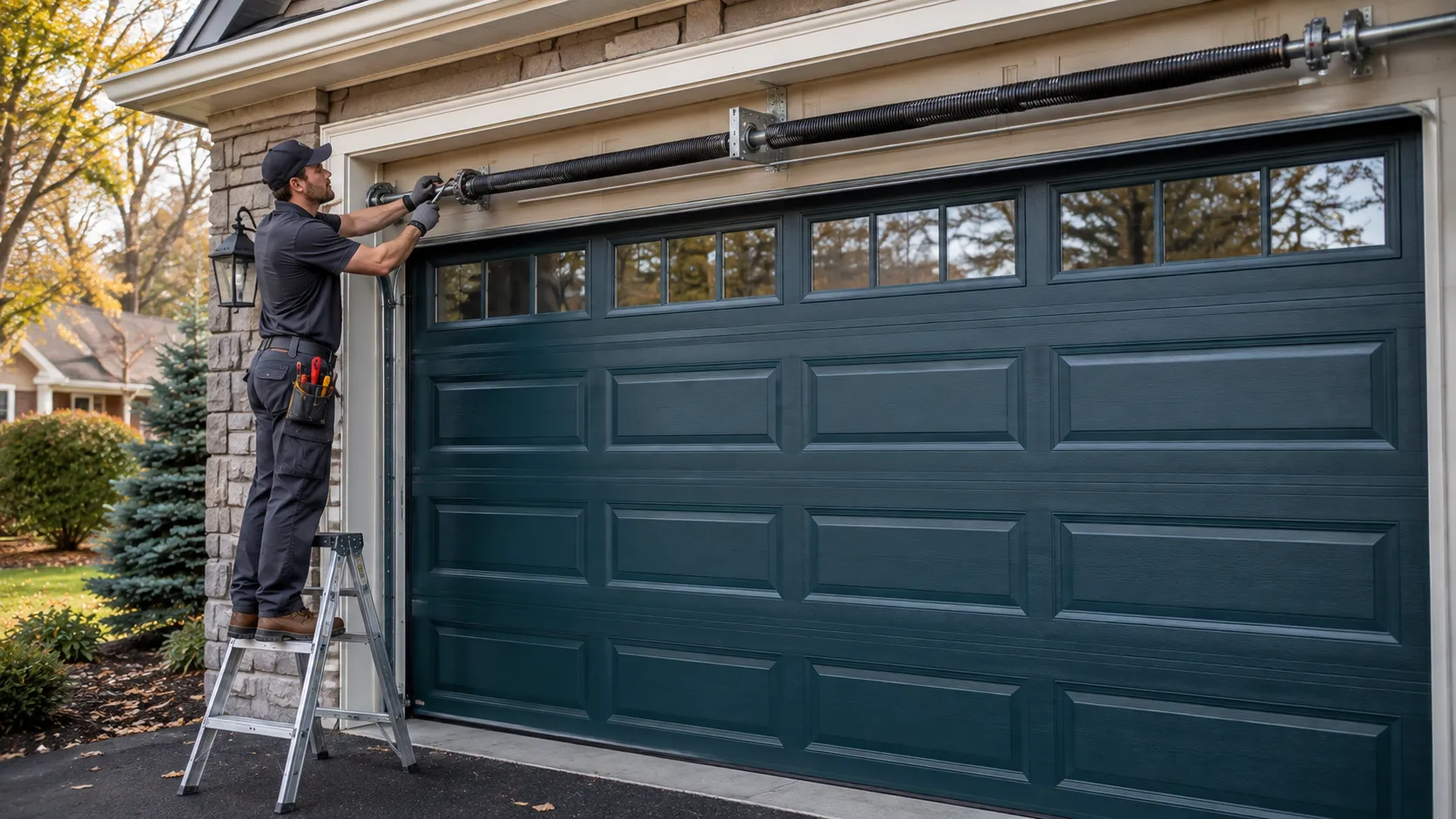
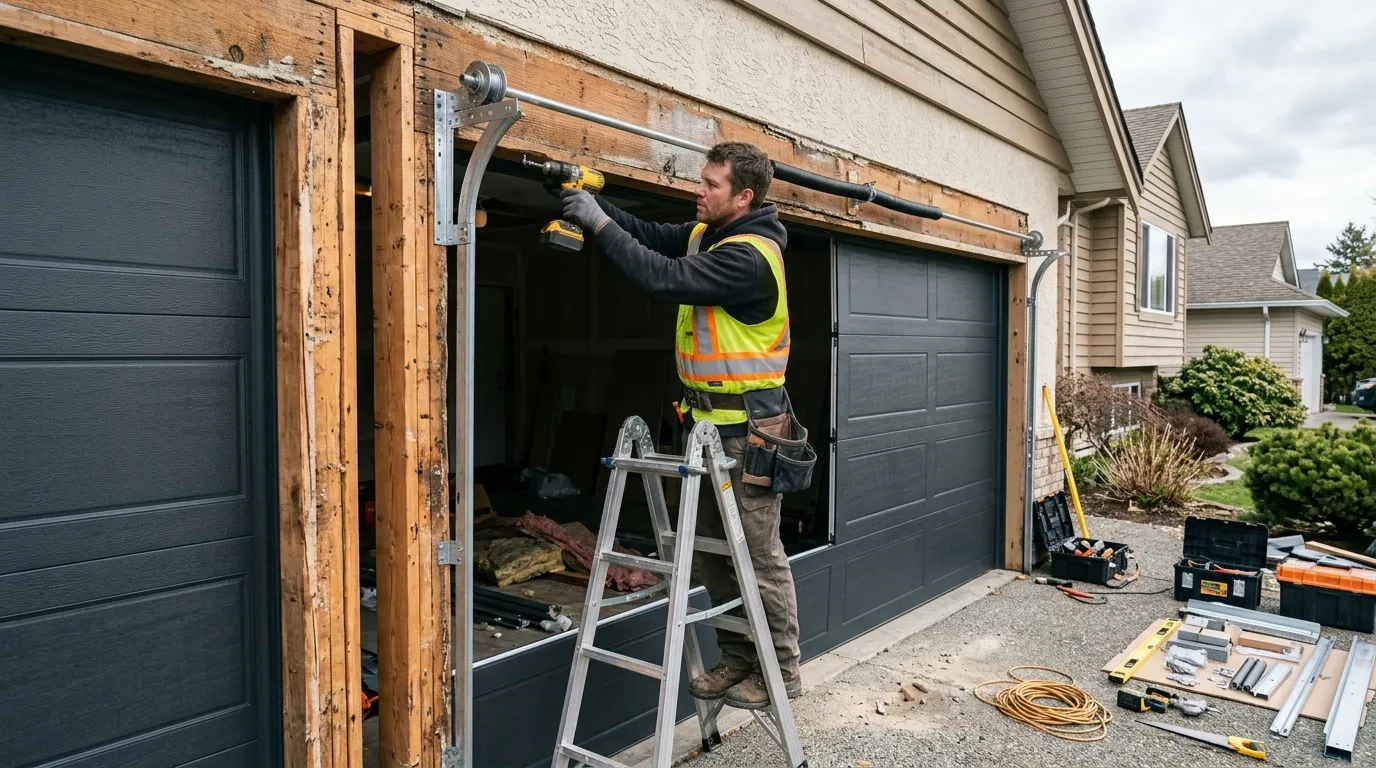
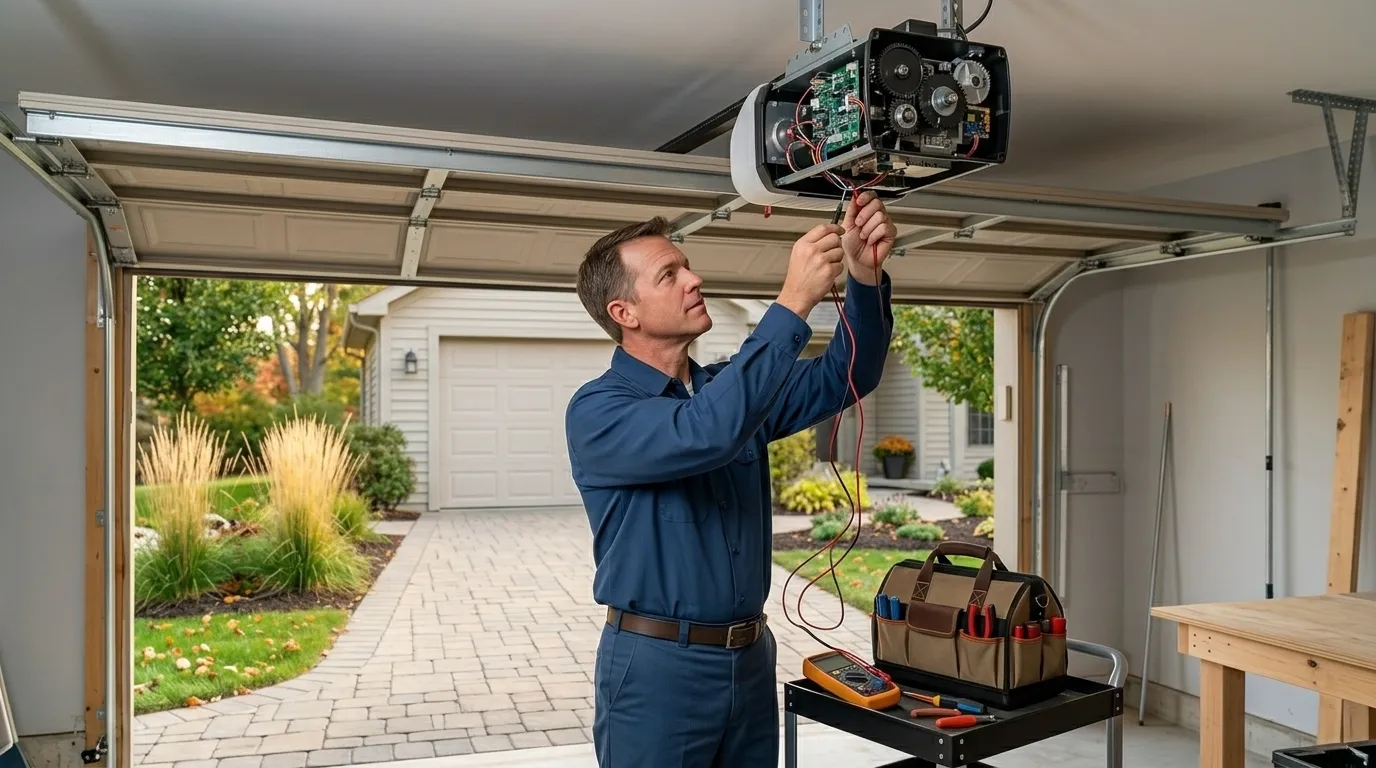
The most common call we get from this area is a door that's suddenly heavy - it used to lift with one hand and now it fights you, or the opener strains and stalls partway up. That's almost always a torsion spring losing tension, and given that median 2004 build year, a lot of Prosper garages are hitting that spring's natural end of life right now, all around the same time. Second most common: an opener that runs but the door doesn't move, or moves and reverses immediately. On the builder-grade openers common across this area's 2000s tract housing, that's often a stripped gear inside the unit, not the motor itself - cheaper to fix than most people expect, but not a part you can buy separately. Third: a door that shudders, bangs, or comes off track partway through its cycle. That's usually a broken cable or a roller that's finally worn through, and it tends to show up on doors that have been quietly getting louder for months before someone calls. If your door slams down the last foot instead of settling, that's a spring symptom too - don't keep opening it while you wait for a call back.
Why It Happens Here
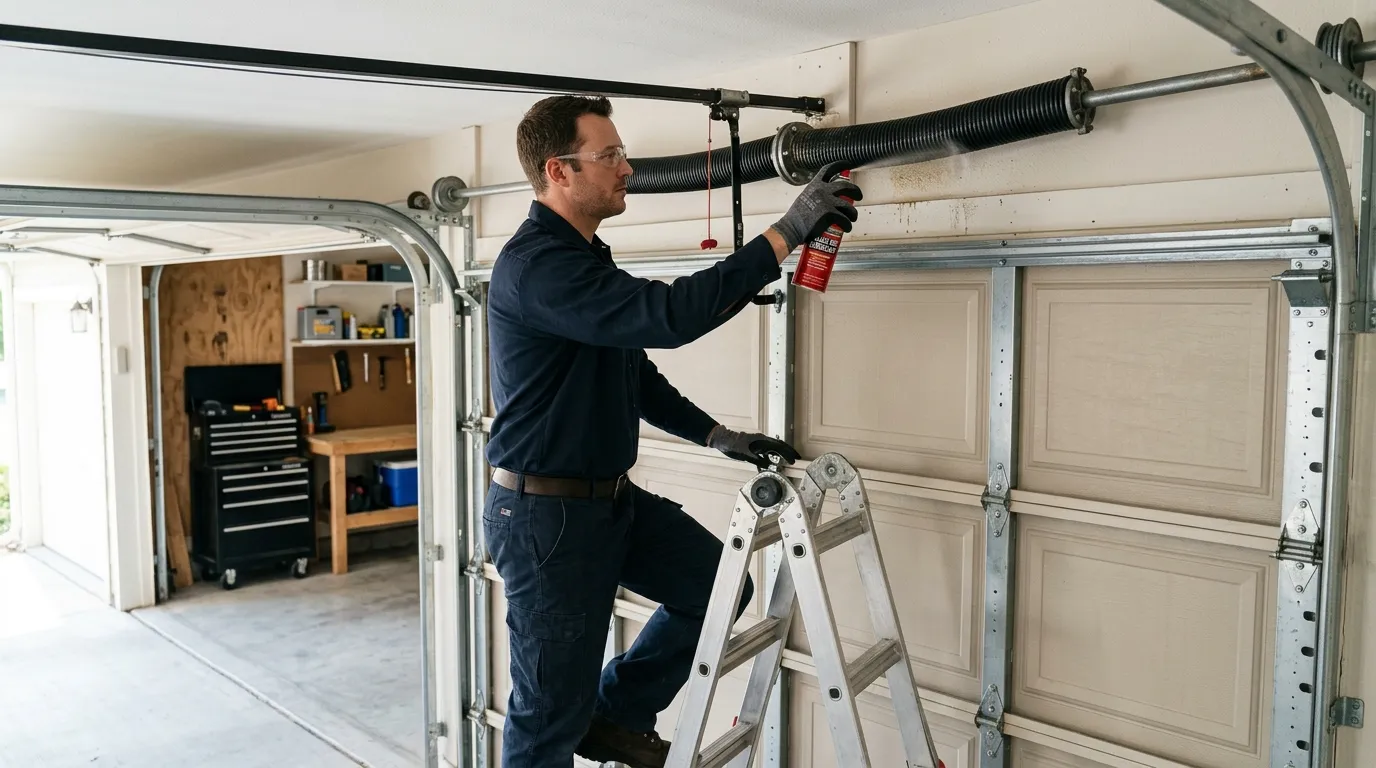
Prosper sits in a climate band that's classified cold-moderate - not the brutal winters of the north, not the year-round heat of deep south Texas, but real seasonal swing. That swing matters more to a garage door than people expect. Steel springs lose a little flexibility every time they go through a freeze and thaw cycle, and grease inside the opener's gearbox stiffens in cold spells and thins out in the heat, which is part of why openers that ran fine all summer start groaning by midwinter. Combine that climate pattern with the fact that most of this area's housing stock was built in one concentrated window, 1985 to 2015 with a 2004 median, and you get springs and openers aging out in the same rough timeframe across whole neighborhoods rather than randomly scattered. It's less about any one house being unlucky and more about a town where a lot of garages were built to the same builder spec in the same decade, running through the same seasonal stress every year since. That's a pattern, not a coincidence, and it's why the calls we get tend to spike the same way winter after winter.