What the Housing Means for Your Door
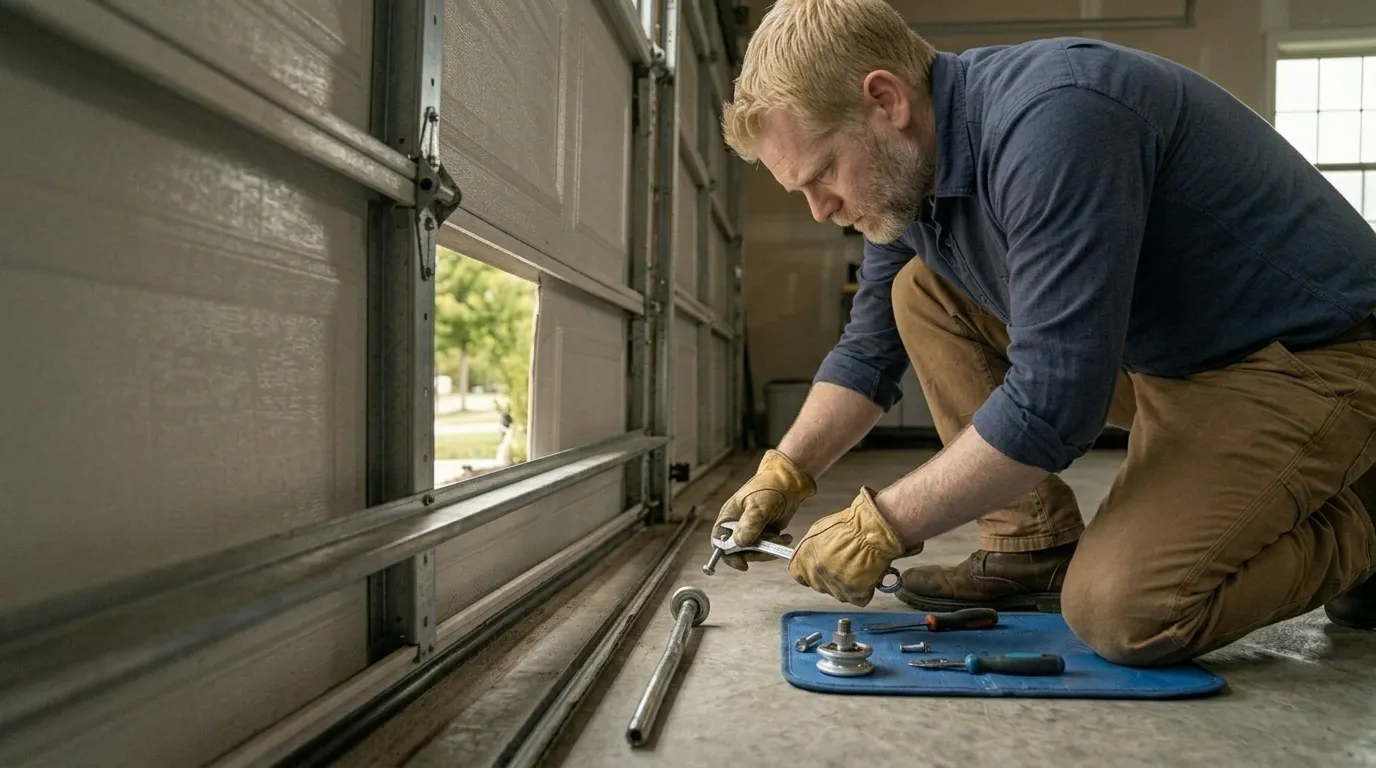
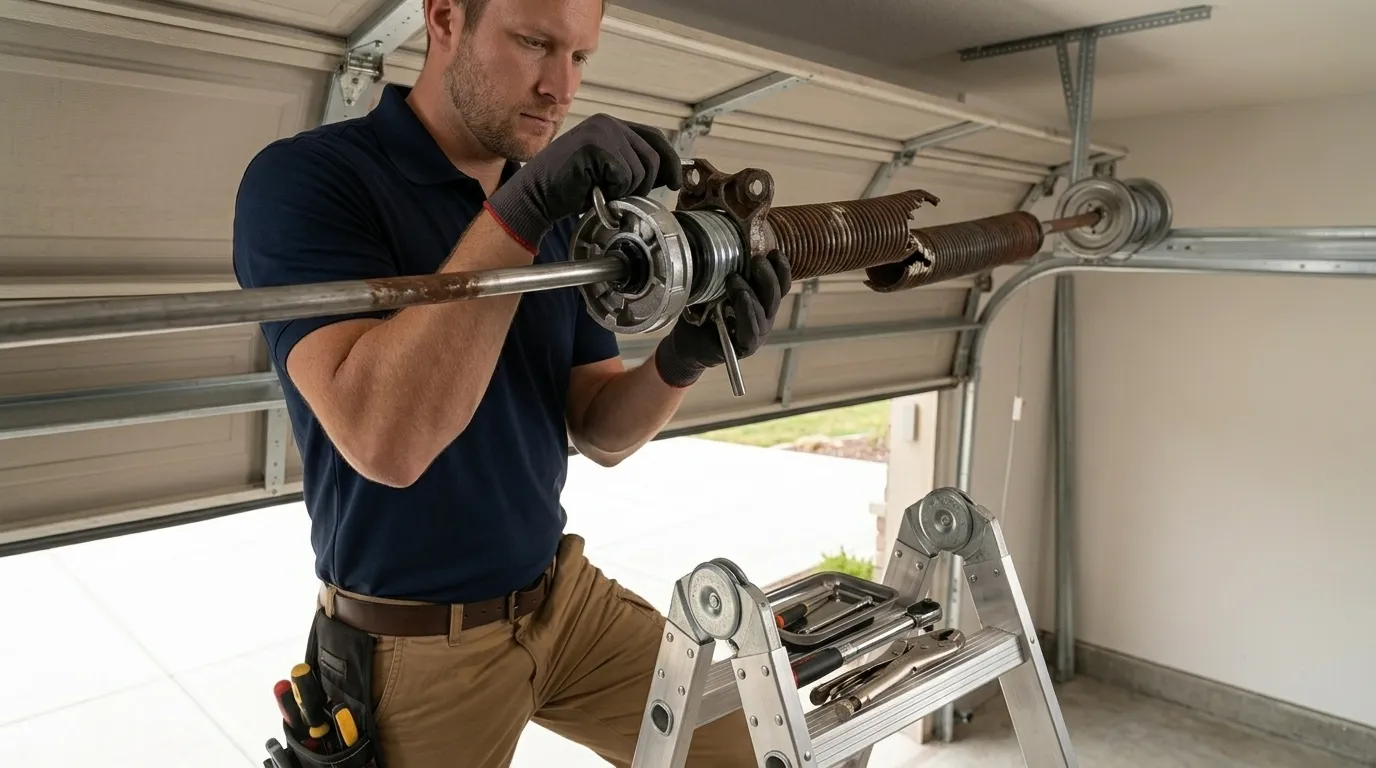
Lucas is younger than a lot of the towns we cover. The median home here went up around 2002, which puts most doors and openers on a different set of failure points than what we see in the older stock closer to Prosper. Builders in that window were already putting in steel torsion springs on center-mounted brackets rather than the side-mount hardware from the 1980s, and most openers from that era are chain or belt drive with a 1/3 or 1/2 horsepower motor that's now pushing 20 years old. That means the calls we get from Lucas tend to be worn drive gears, dead capacitors, and safety sensors that have drifted out of alignment rather than the seized bearings and rotted panel bottoms we see on older doors elsewhere. If your door is original to the house, the spring is likely original too, and steel springs of that vintage are due for replacement even if they haven't broken yet. We don't replace a spring just because it's old, but we will tell you honestly when one is close.
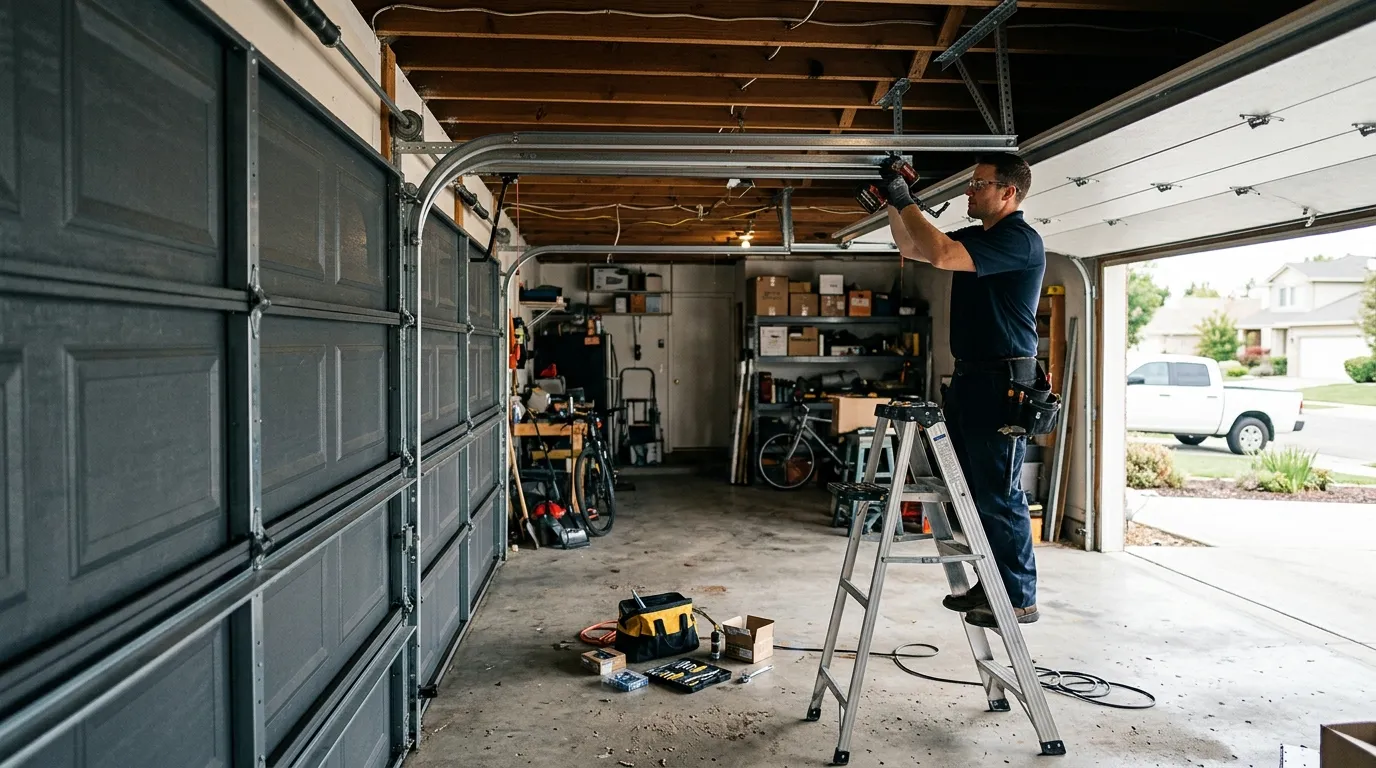
With roughly 2,724 households in the area and a median income well above the regional average, we also see more upgraded openers with battery backup and smart controls than in older neighborhoods - which changes the troubleshooting from purely mechanical to a mix of mechanical and electronic.
Where We Stop
We work out from Prosper across this part of Collin and Denton County, and Lucas fits inside that range alongside Fairview, Parker, Murphy, and the other towns we cover from the same shop. We don't run crews further out just because a call comes in from further away - the 16-mile trip to Lucas is close to the edge of what makes sense for a same-day appointment without stacking too many jobs on one route. If you're outside that radius, we'll tell you plainly rather than book a job we can't get to reliably.
The Houses Here
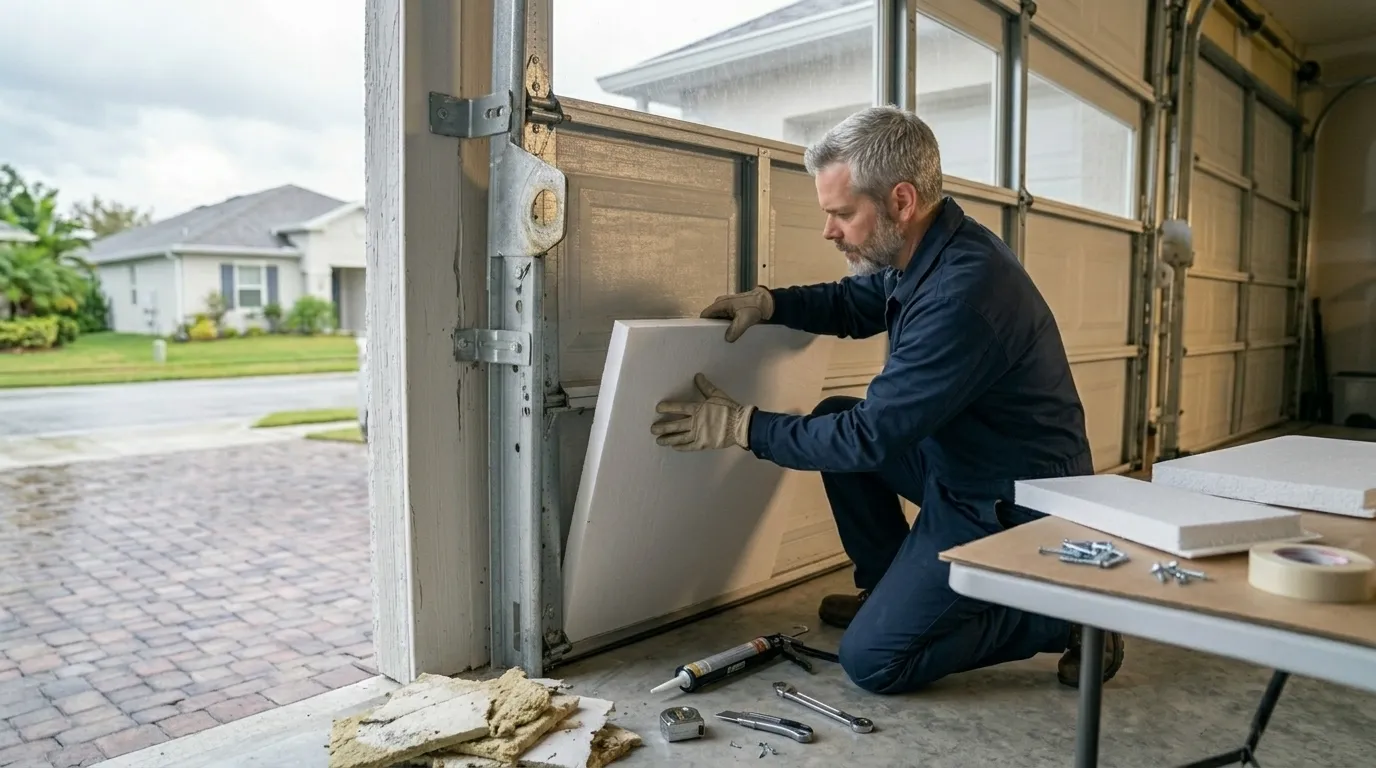
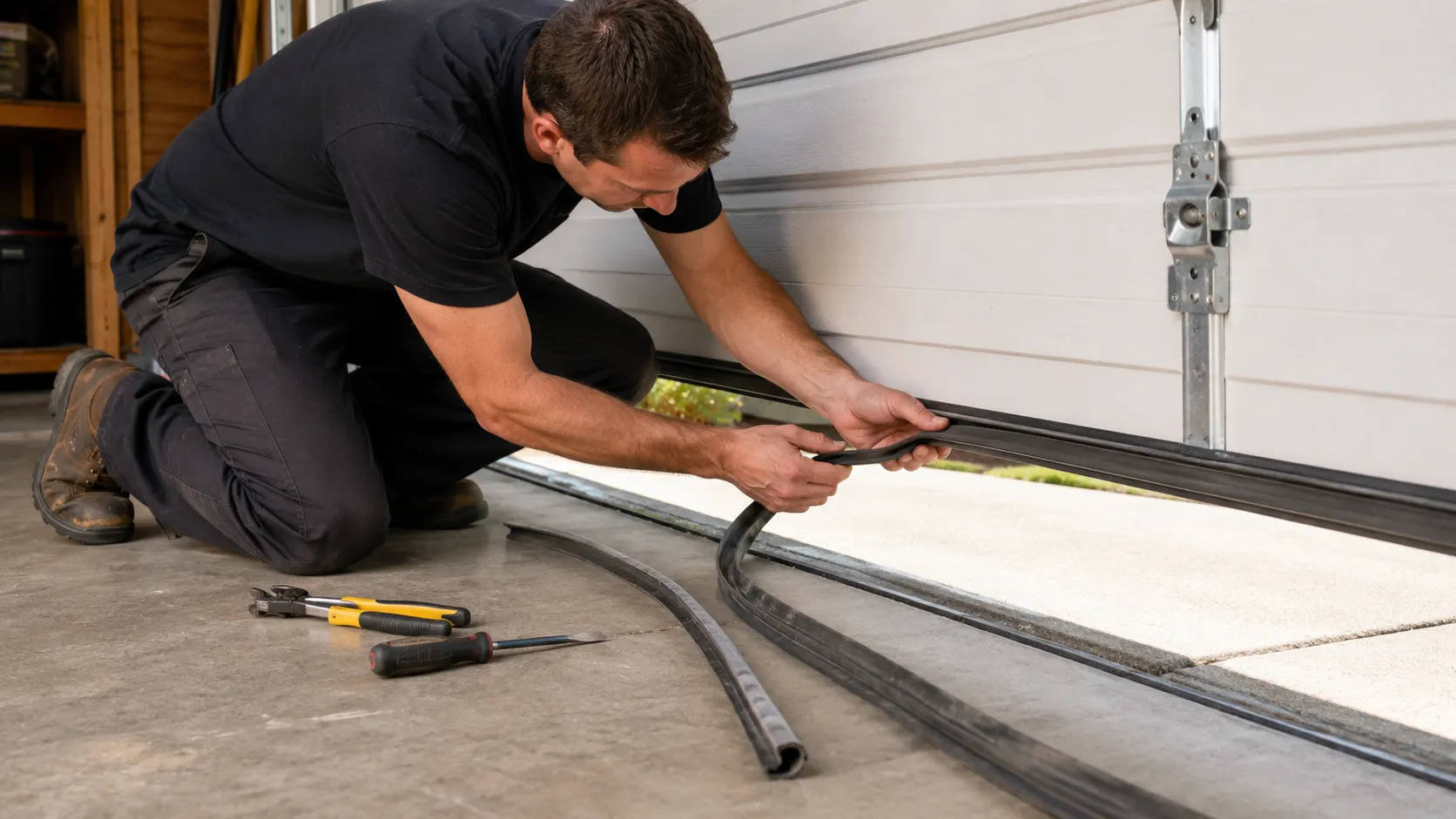
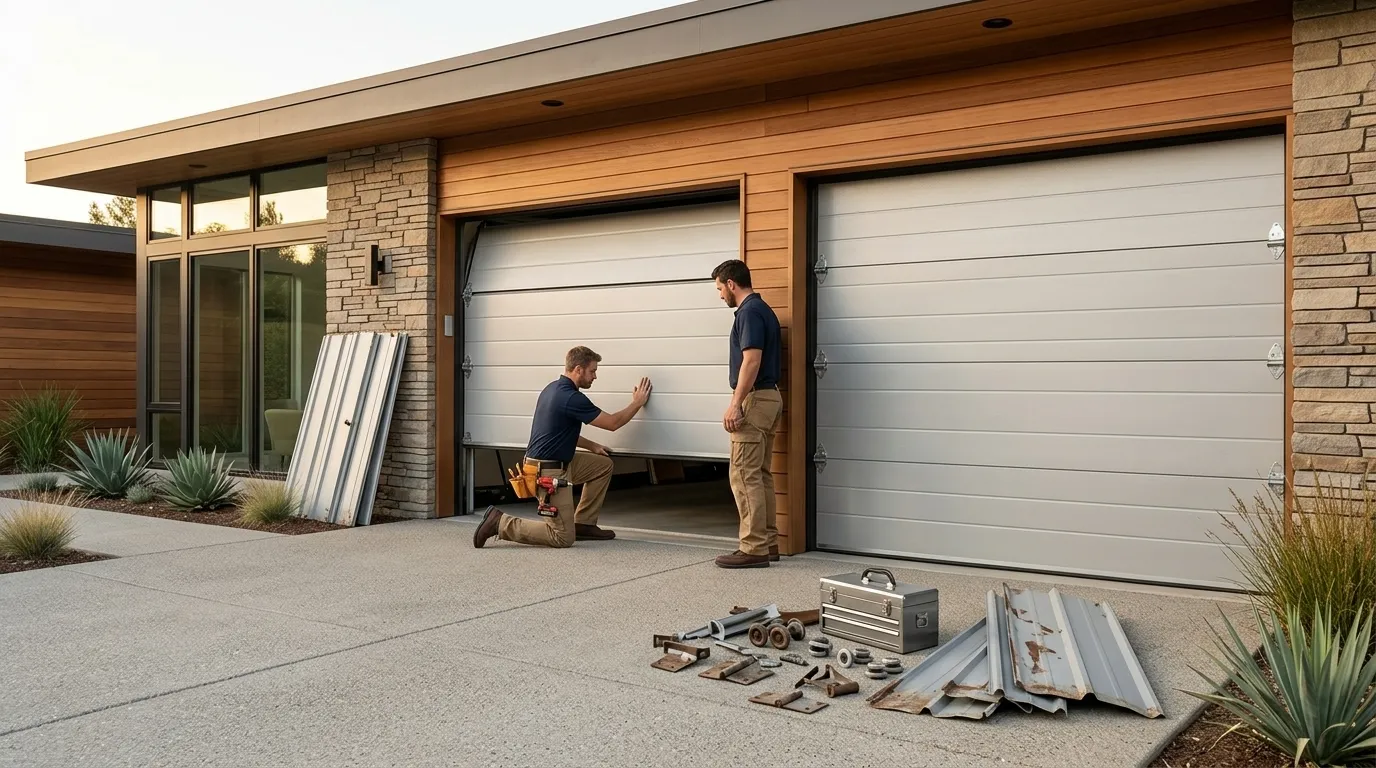
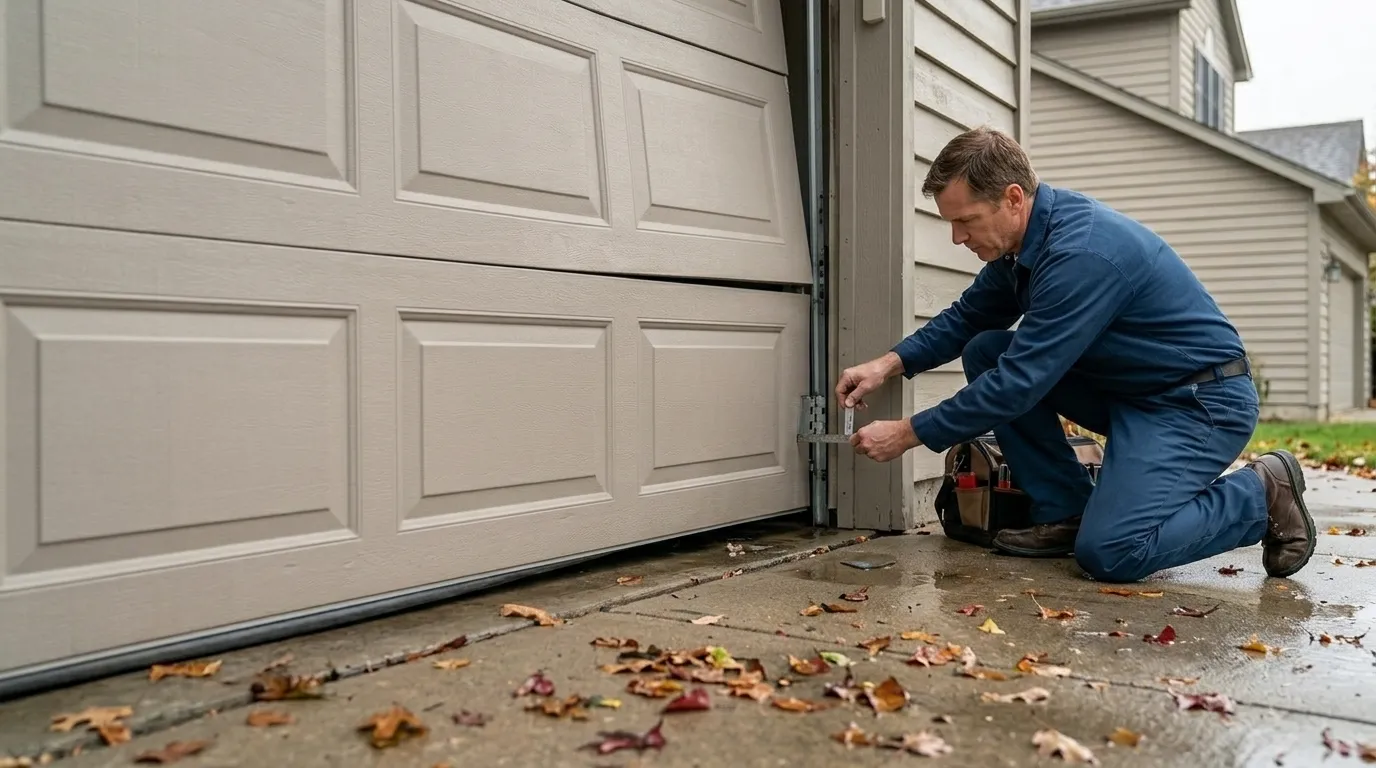
Because the median build year in Lucas lands around 2002, the doors we're replacing panels on are mostly steel sectional doors with foam-core insulation, not the older hollow-core or wood doors you'd find in a neighborhood built in the 1970s. Rot at the bottom panel is rare here; what fails first is usually the weatherstripping and the bottom seal, especially after a few Texas summers of UV exposure. Rollers on doors this age are often still the original nylon rollers, which are due for replacement around the 10-15 year mark regardless of how the door looks.
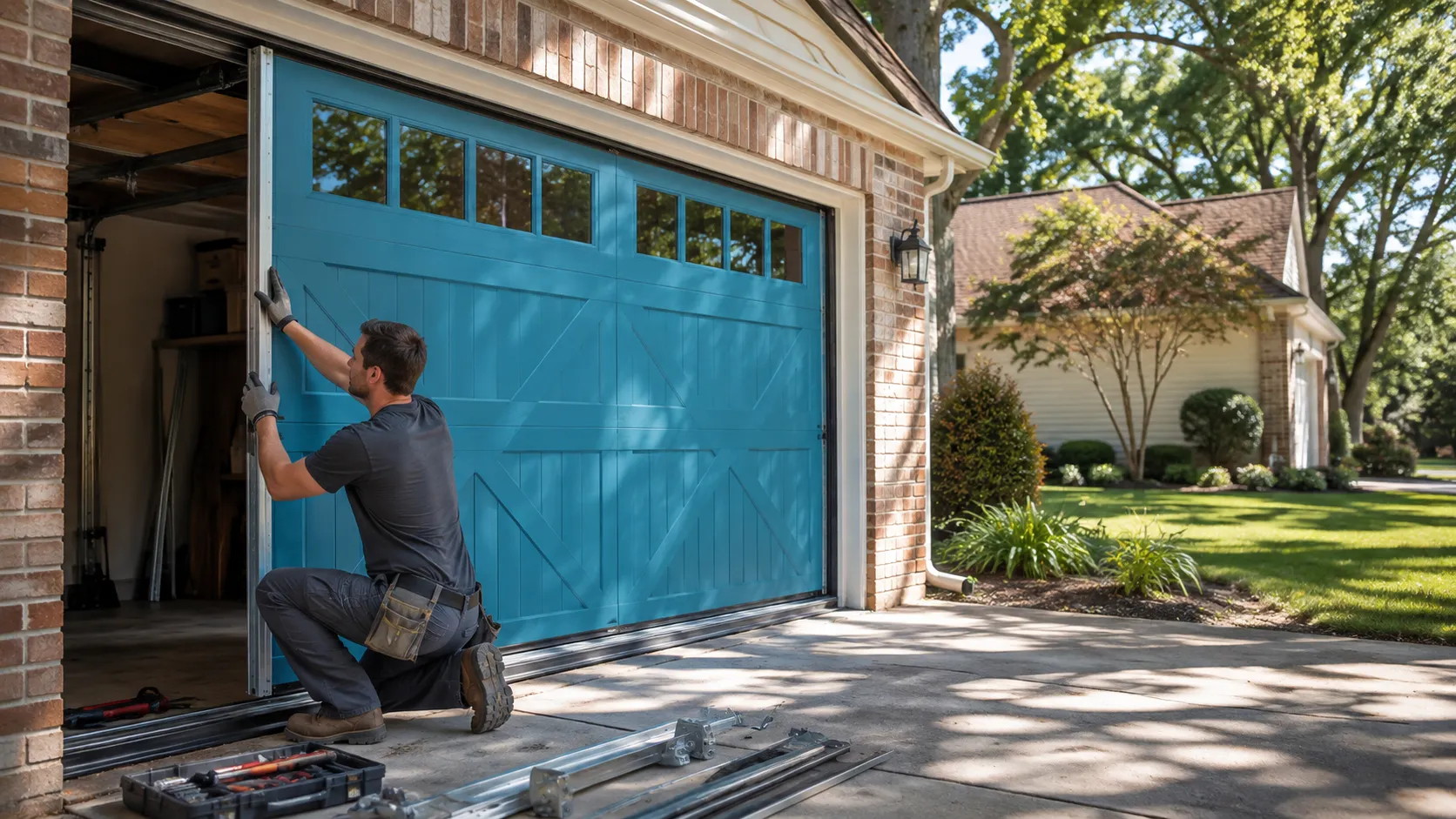
One thing we won't do is talk you into a full door replacement when a repair will hold. If the frame is square, the track is straight, and the springs are the only issue, replacing just the spring and rollers is usually the right call even on a 20-year-old door - full replacement only makes sense once the panels themselves are damaged or the door is no longer insulated to a standard you'd want.