The Cost of This Job
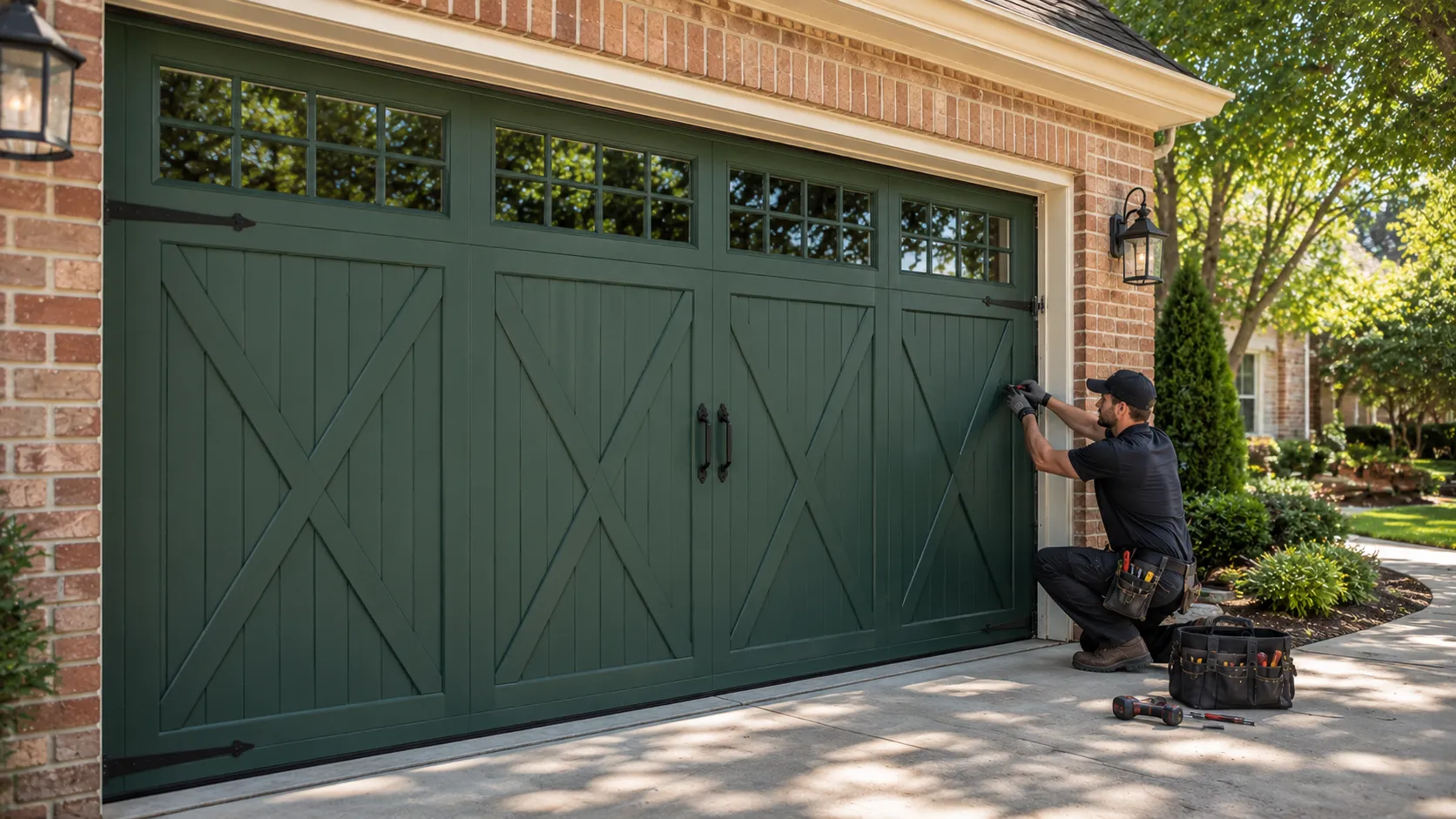
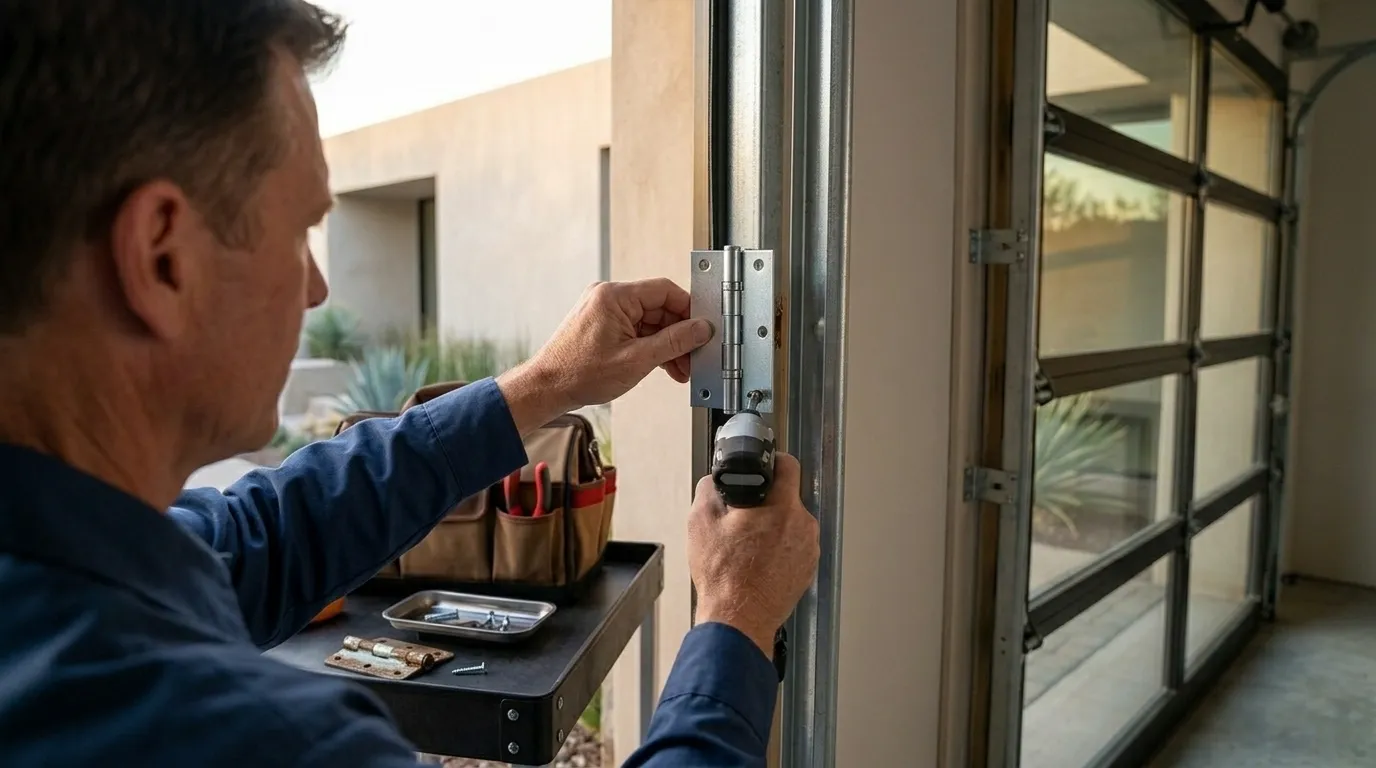
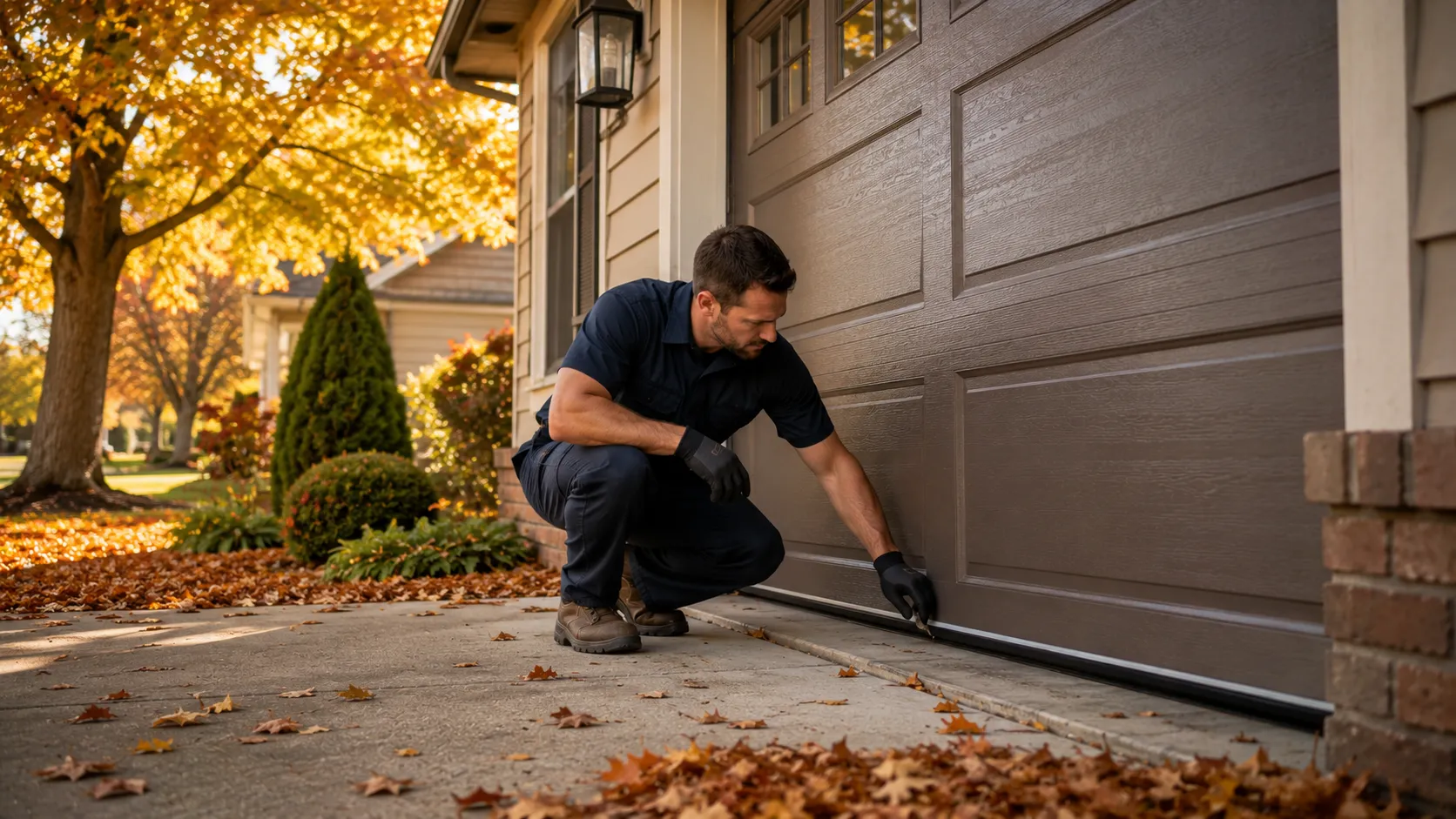
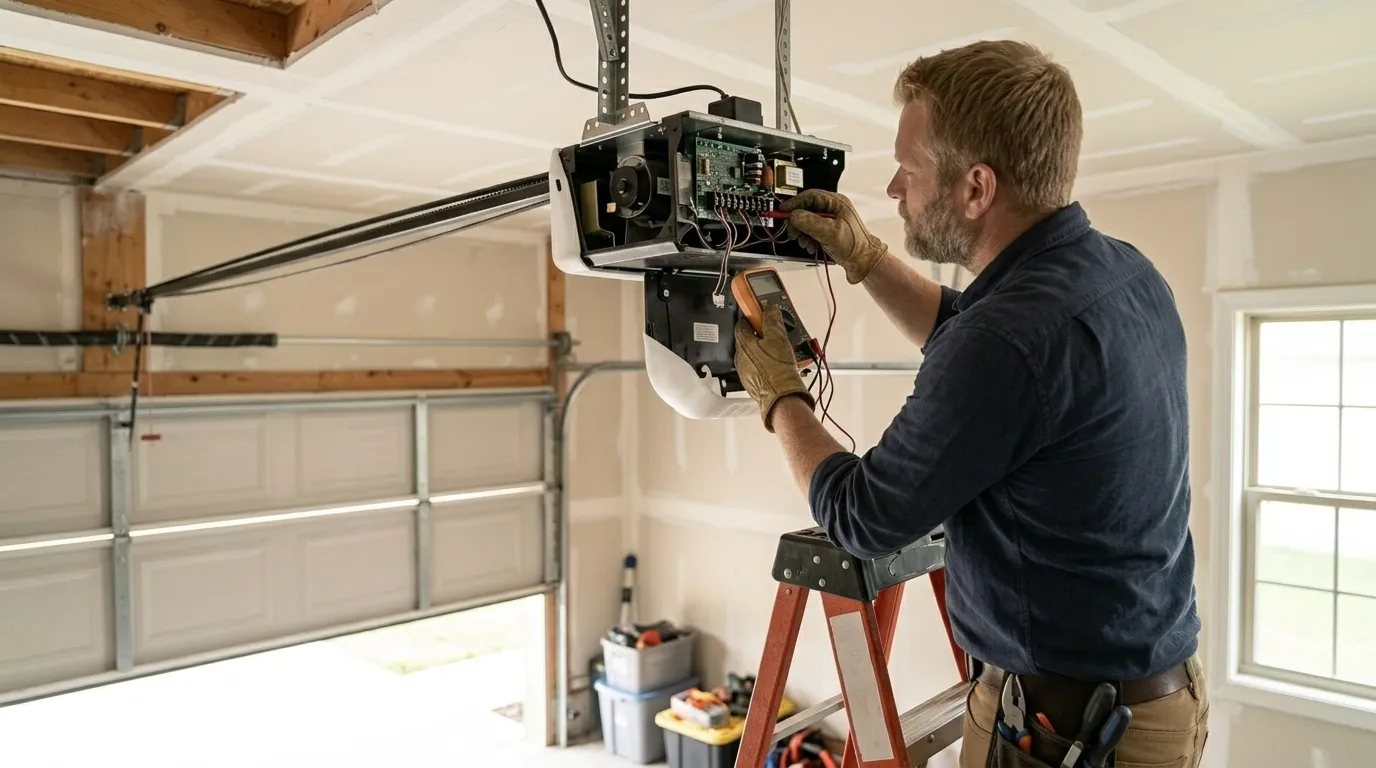
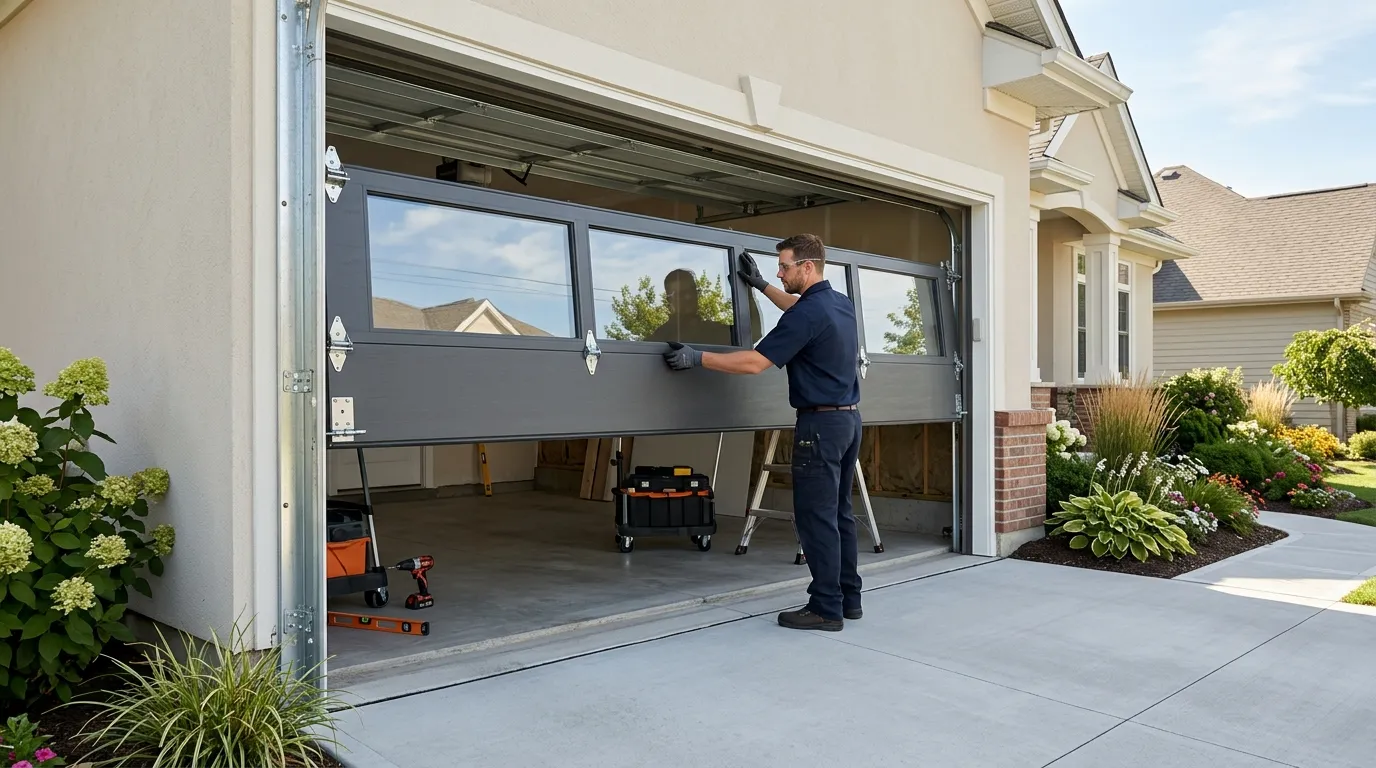
What a repair runs depends on what's actually broken, and on a door your age that's rarely just one thing. A torsion spring job is different money than an opener swap, and a door with a bent track or a cracked panel from a backed-into bump is different again. We don't quote a number sight unseen, because a homeowner in one of Prosper's 2000s-built neighborhoods might have a standard steel torsion setup, while a house a few streets over has an upgraded insulated door with a heavier spring system that costs more to replace.
Here's the honest part: if your door is original to a house built in the early 2000s, you're at the point where patching one part just buys a few months before the next part goes. Springs, rollers, and openers all wear on roughly the same clock, and once one fails on a door this age, the others usually aren't far behind. Sometimes the smarter money is a full spring and hardware replacement instead of a single-part fix, and we'll tell you that straight instead of running up a bill on parts that were going to fail anyway. For anything project-specific, give us a look before you decide.
What You Are Seeing
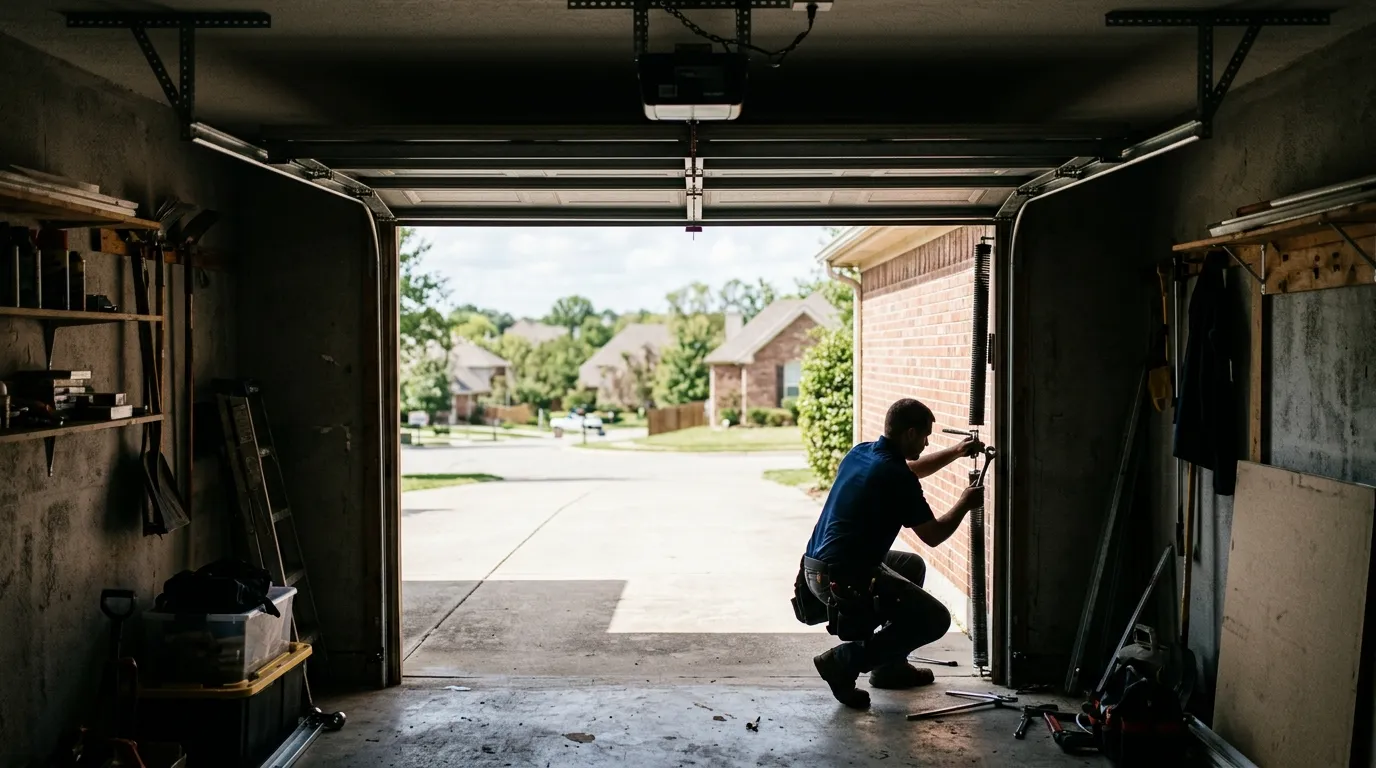
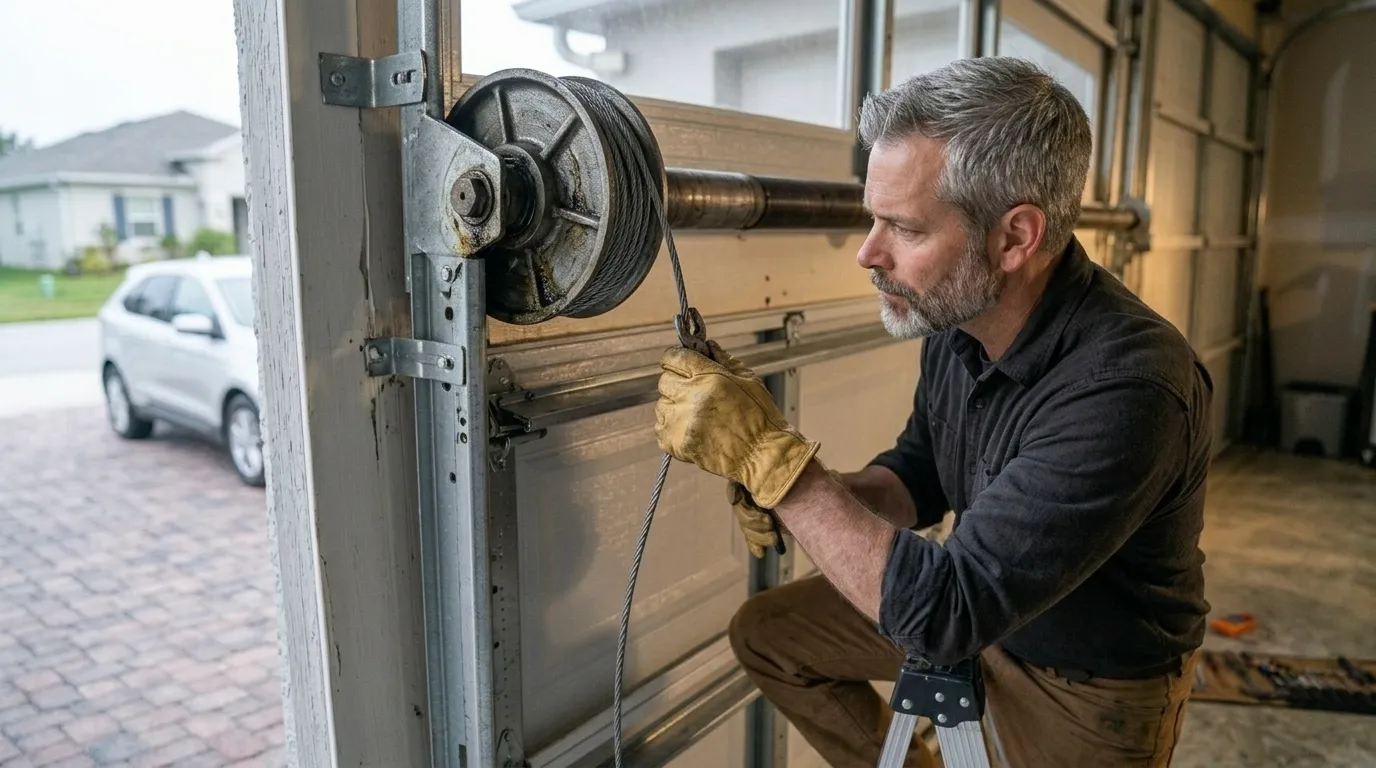
On a lot of Prosper doors, the first sign is a bang or a sudden loose feel when the door goes up or down - that's usually a torsion spring letting go, and on a house built in the early-to-mid 2000s, that spring has probably never been replaced. A door that reverses right after it starts closing points to the safety sensors or a worn limit setting on the opener, not the spring.
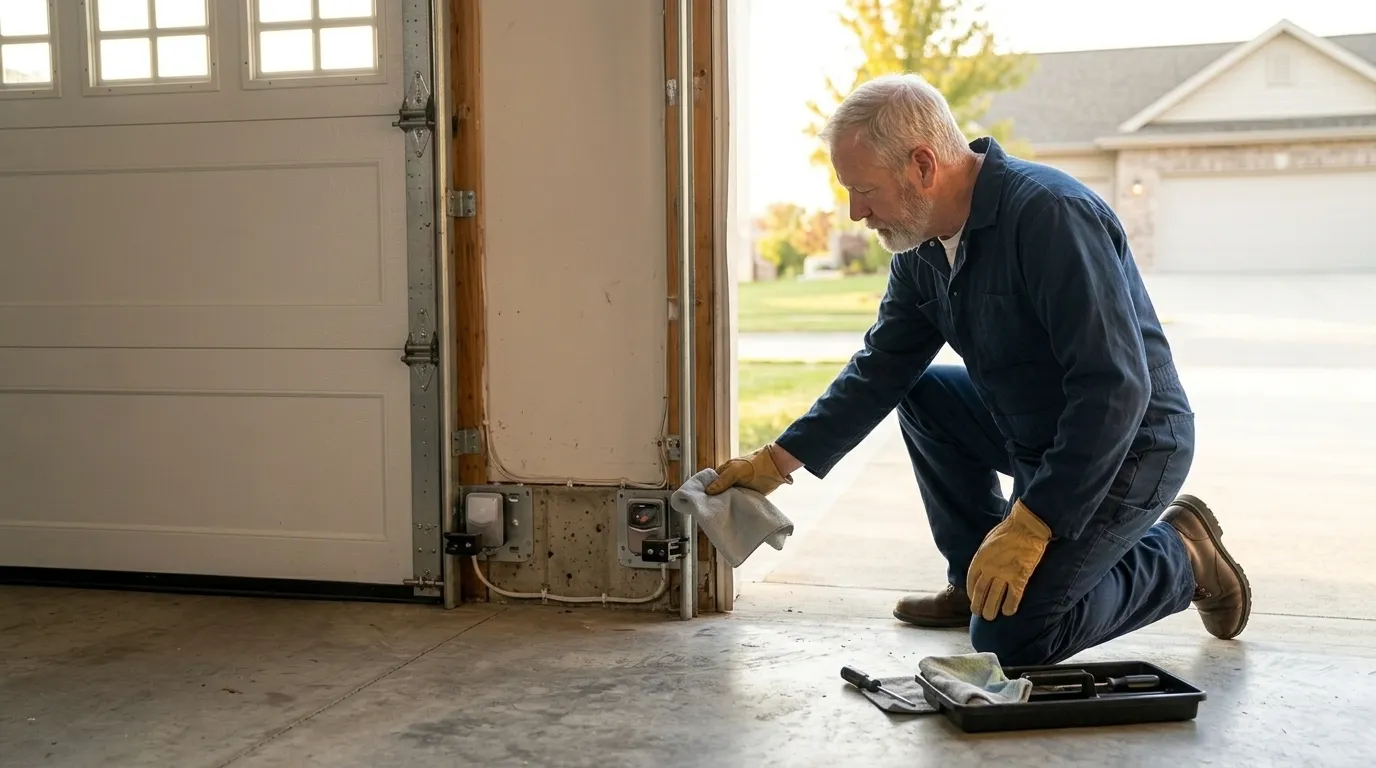
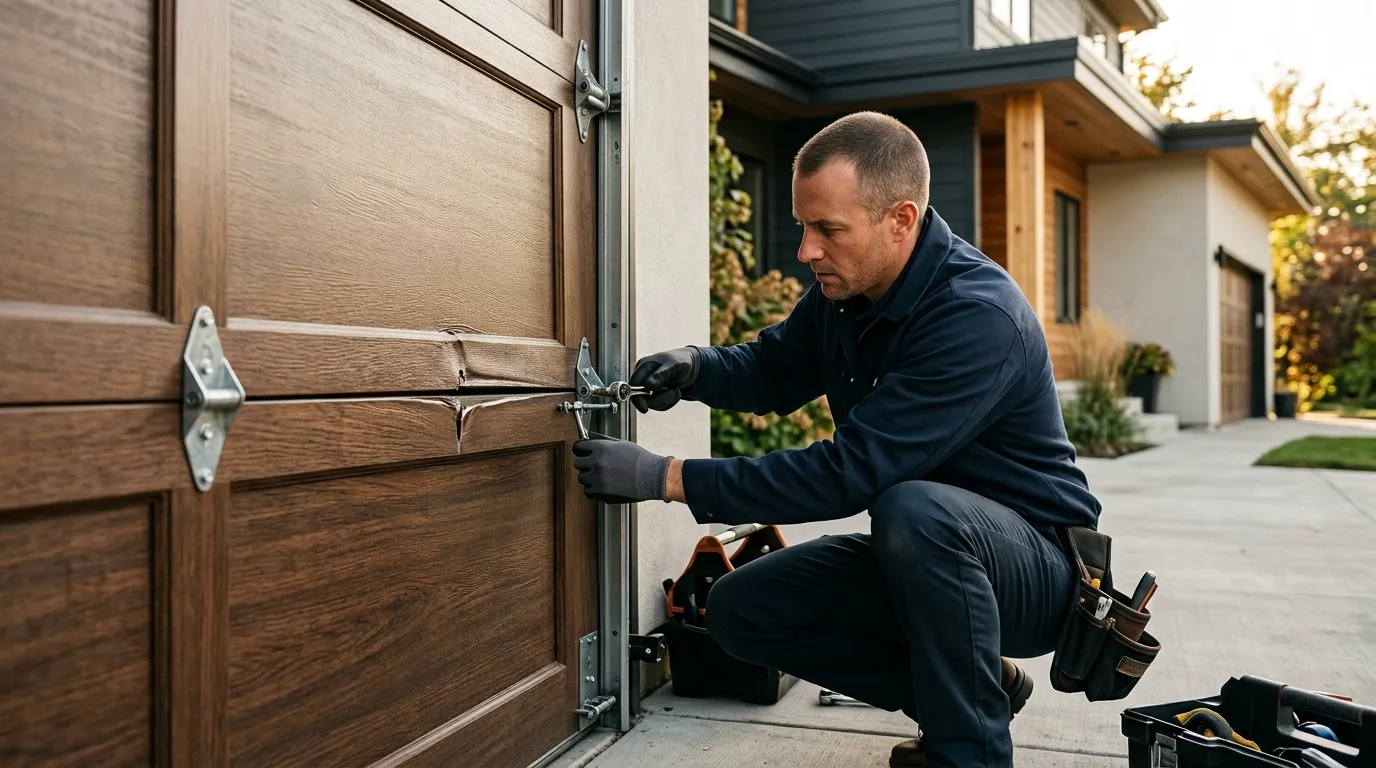
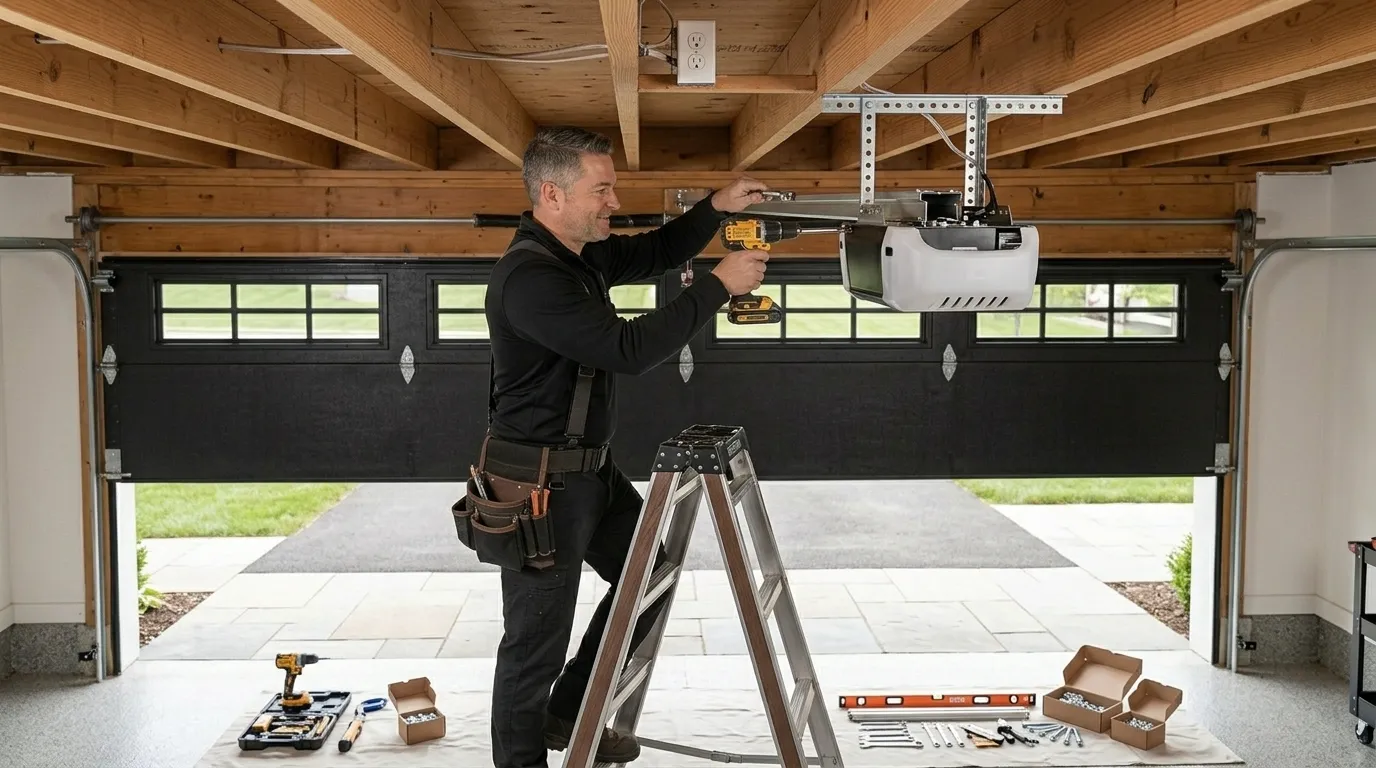
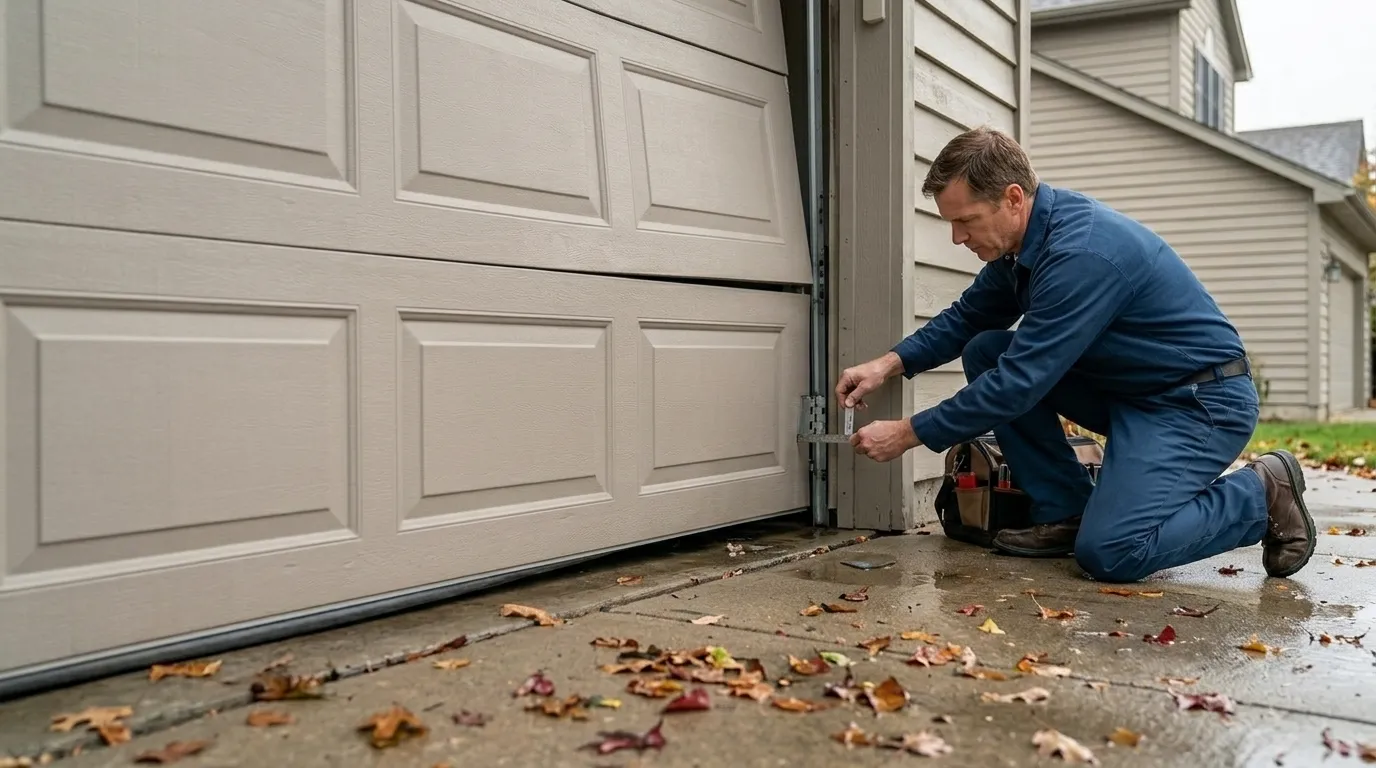
Grinding or squealing on the way up is almost always the rollers, especially the original nylon rollers that shipped standard on doors from that construction era - they wear out well before the springs do. A door that looks crooked, hanging lower on one side, means a cable has jumped its drum or a spring has broken on just one side of a double door, which puts uneven load on the opener and can bend the track if it runs that way for long. An opener that hums but doesn't move the door is a separate problem - usually a stripped gear inside the unit, common once these units pass the fifteen-year mark. None of these are cosmetic; each one gets worse the longer the door keeps running that way.
Why It Happens Here
Most houses across Prosper's named subdivisions went up between 1985 and 2015, with the bulk of that stock built in the 2000s. That matters for garage doors because it means a huge share of the doors, springs, and openers in this area are hitting the same age window at close to the same time - these parts have a working life, and a fifteen-to-twenty-year-old torsion spring or opener motor is simply due.
Prosper sits in a cold-moderate climate band, which isn't the brutal freeze-thaw of a true northern winter, but it's enough seasonal swing that steel springs and tracks expand and contract through the year. That cycling is part of why coil fatigue and rusted cable strands show up steady rather than all at once after some single event. Across the 44,072 households in the service area, 34,952 are owner-occupied houses, most with an attached garage and a door that's original to when the home was built. With median household income here around $110,357, we see more owners choose a full spring-and-hardware replacement over repeated patch jobs once a door hits this age, rather than waiting for a full failure.