What the Housing Means for Your Door
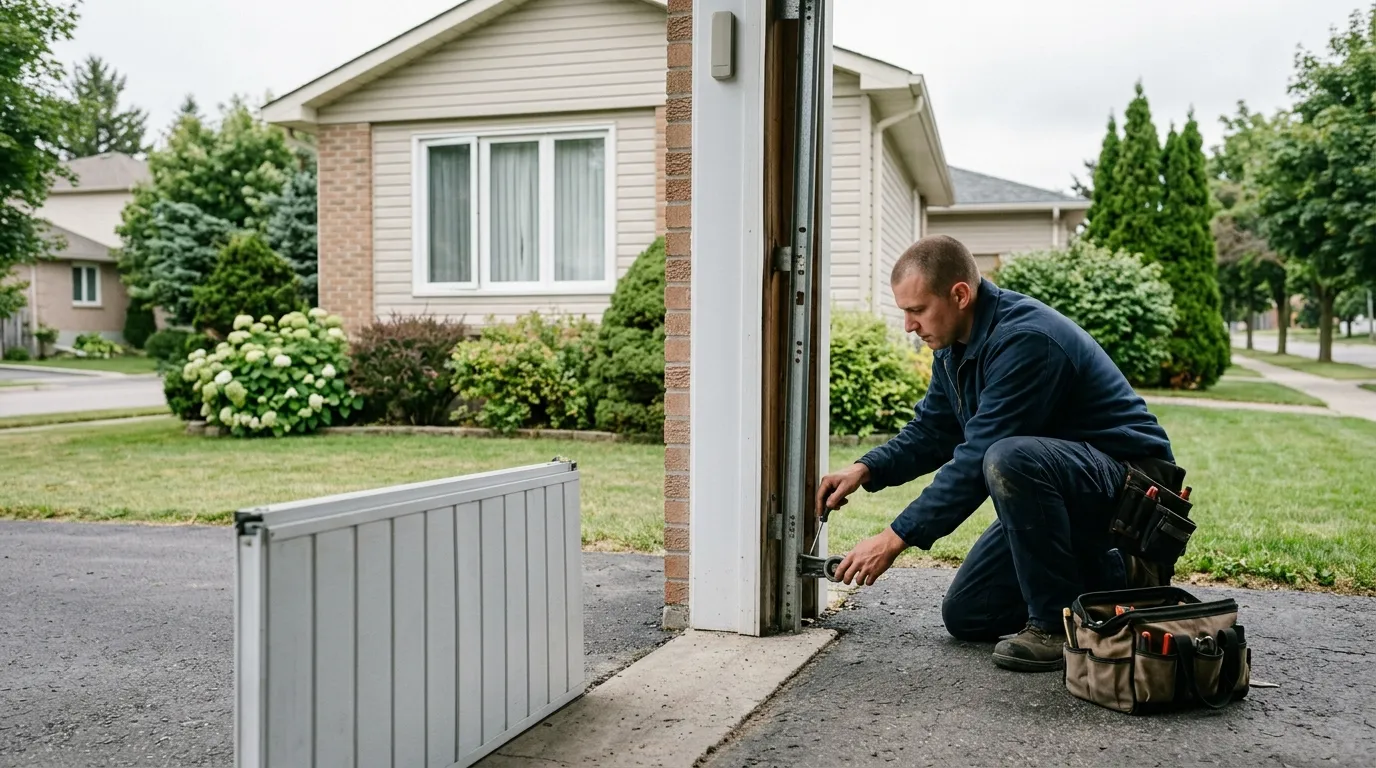
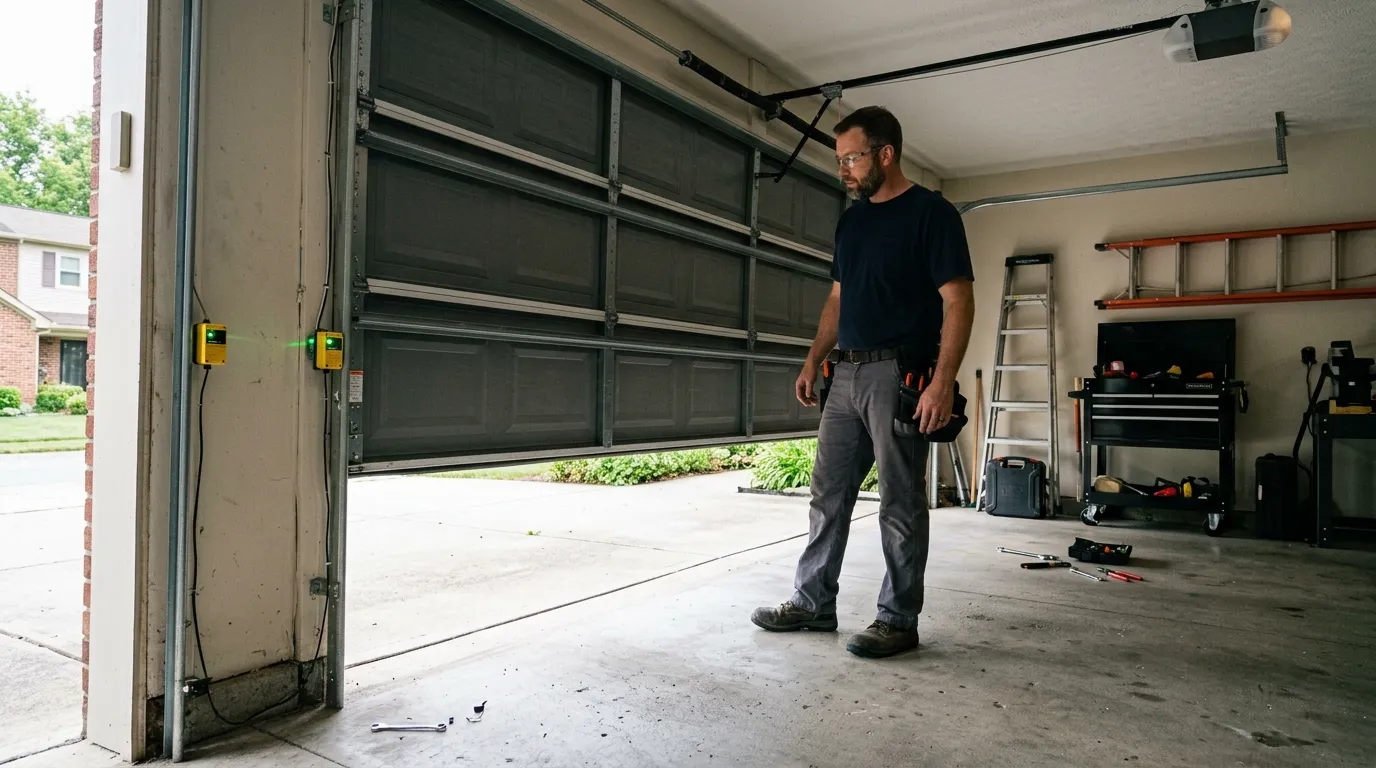
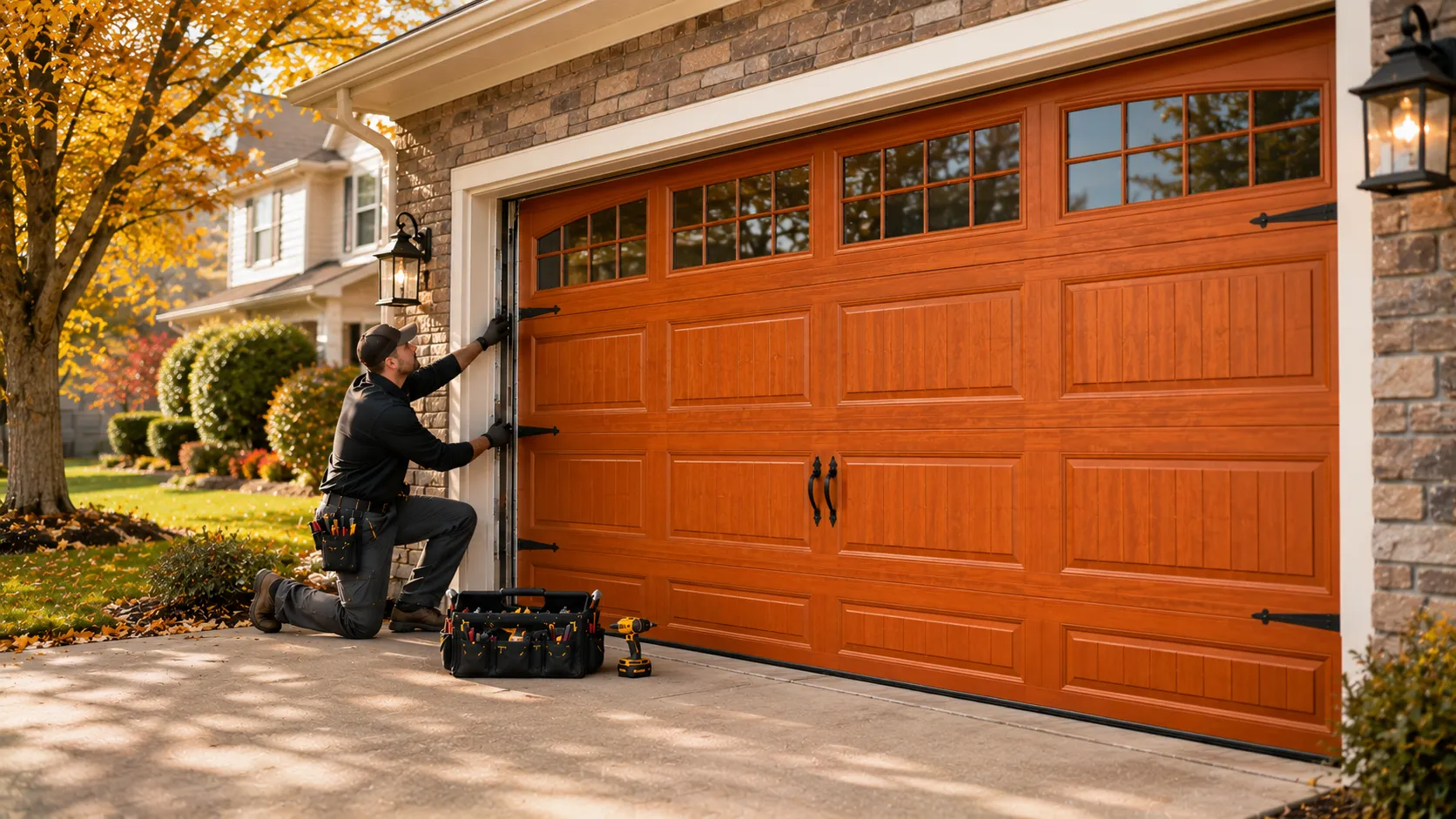
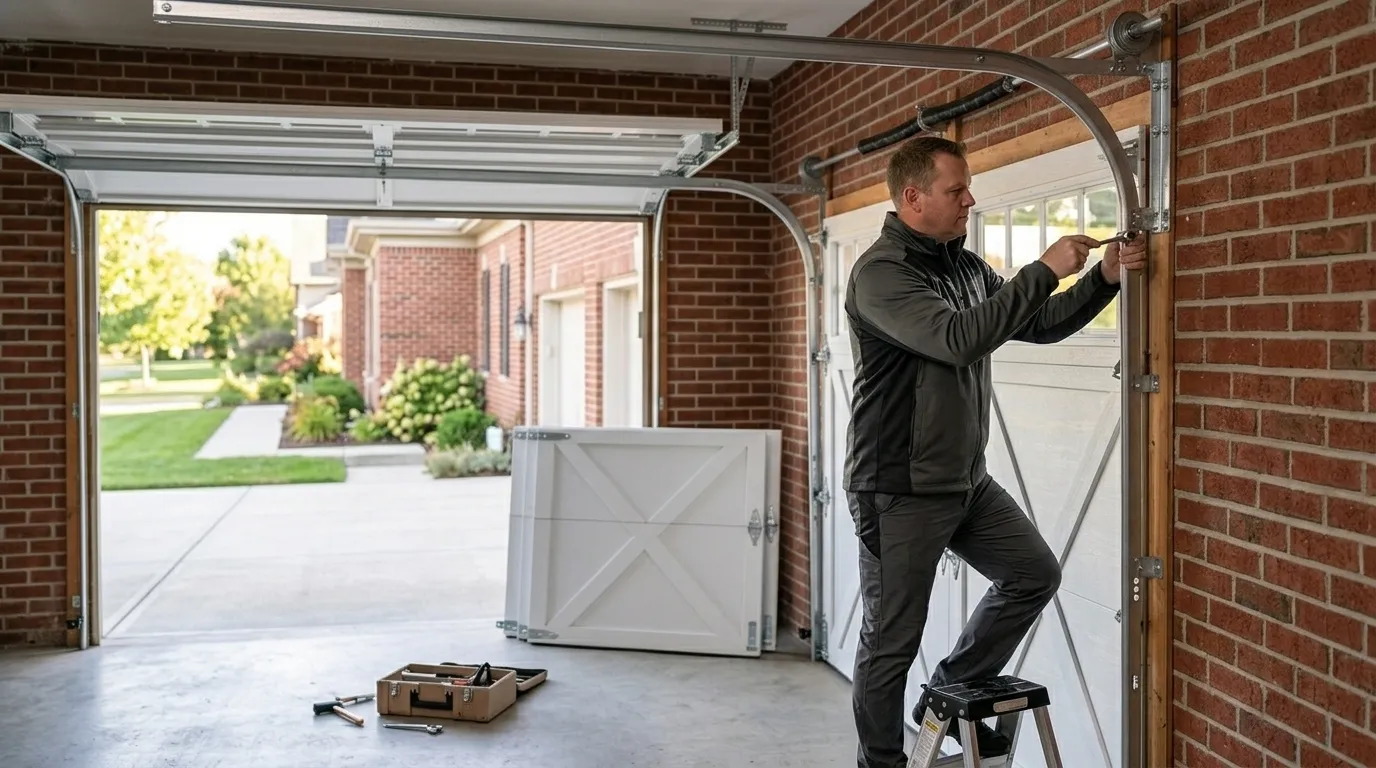
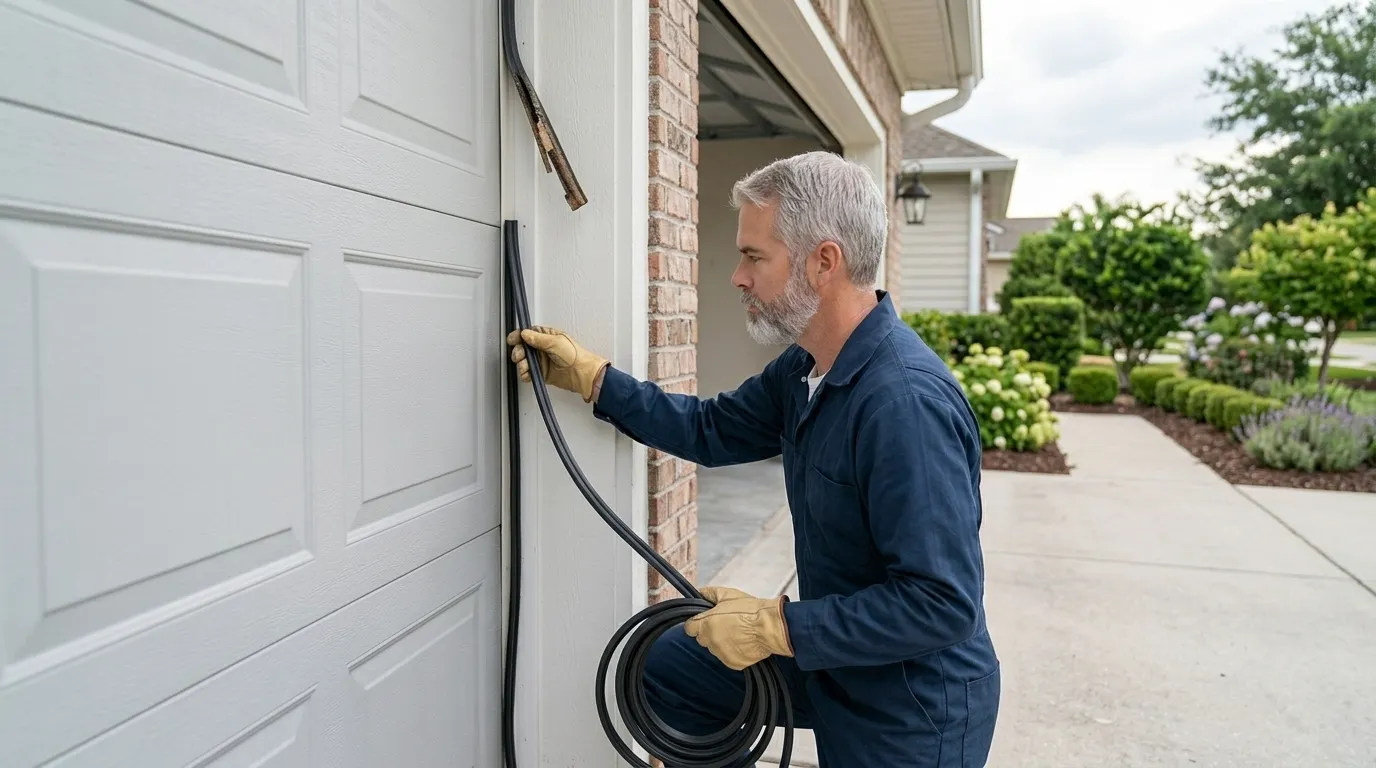
Lowry Crossing's houses run older than most of what we see across the rest of our coverage area. The median build year here is 1994, while the wider service territory skews to a 2004 median with most of the newer construction dated 1985 through 2015. That ten-year gap matters more than it sounds like it should. A door installed in the mid-90s is more likely to carry an older extension-spring setup instead of torsion, or a torsion system with hardware that's been superseded twice over by whatever the big box stores carry now. Openers from that era are chain-drive units with weaker safety reversal sensors than what's standard today, and a lot of them are still the original unit, never swapped. We see more panel warping here too - steel gauges from the 90s were thinner than what goes into a door now, and after enough Texas summers the bottom panel starts to show it. None of this means the doors are in bad shape. It means the failure points are different than what you'd find in a house built in 2008, and the fix usually starts with figuring out what generation of hardware you're actually working with before ordering a single part.
Where We Stop
Lowry Crossing sits in a cluster of small communities on this side of our coverage - Parker and Lucas are both about 16 miles out, Melissa is 15, Fairview 14. We serve all of them from the same base in Prosper, which is why the drive times run close together across this whole pocket. We don't work outside the towns we've mapped out for our own routing, and Lowry Crossing is inside that line. If you're just past the edge of it, ask when you call - the answer depends on the exact address, not the zip code.
The Houses Here
With roughly 642 households in Lowry Crossing, this isn't a subdivision with one builder and one door style repeated forty times. It's smaller and more mixed than that, which is part of why we don't quote a repair over the phone without seeing the door. Median household income here runs $110,357, in line with the broader service area, and what we notice on calls is that owners in this range tend to ask for the fix that makes sense long-term rather than the cheapest patch - a full spring set instead of one spring, a new opener instead of a rebuilt circuit board on a unit that's already 25 years old. The winters here aren't brutal, but the region sits in a moderate cold band, and steel components do stiffen up on the sharp-drop mornings. Combined with the age of a lot of this housing stock, that's usually when a marginal spring finally goes. If your door is groaning more than usual once the temperature drops, that's not nothing - it's the metal telling you it's tired.