What the Housing Means for Your Door
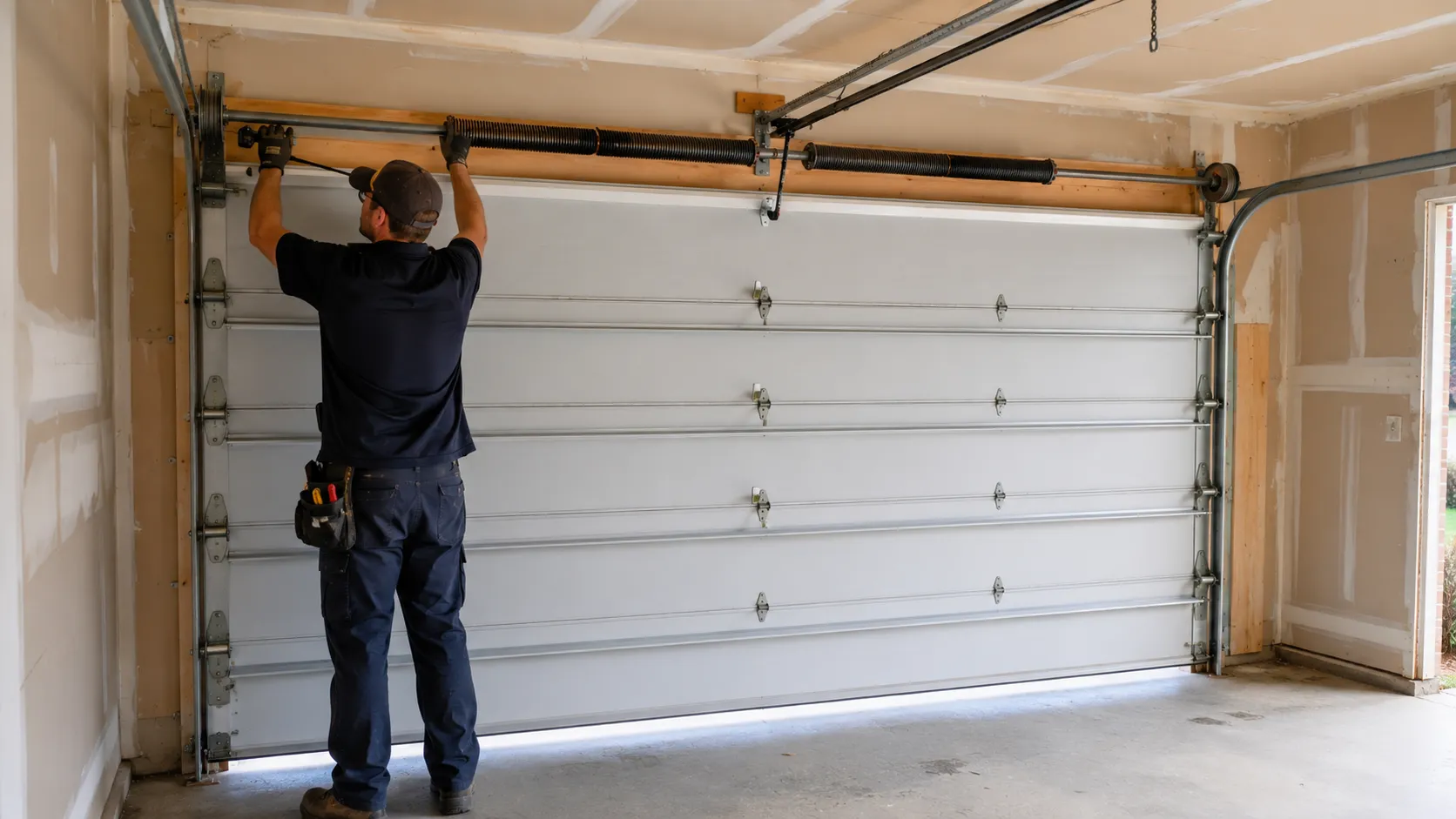
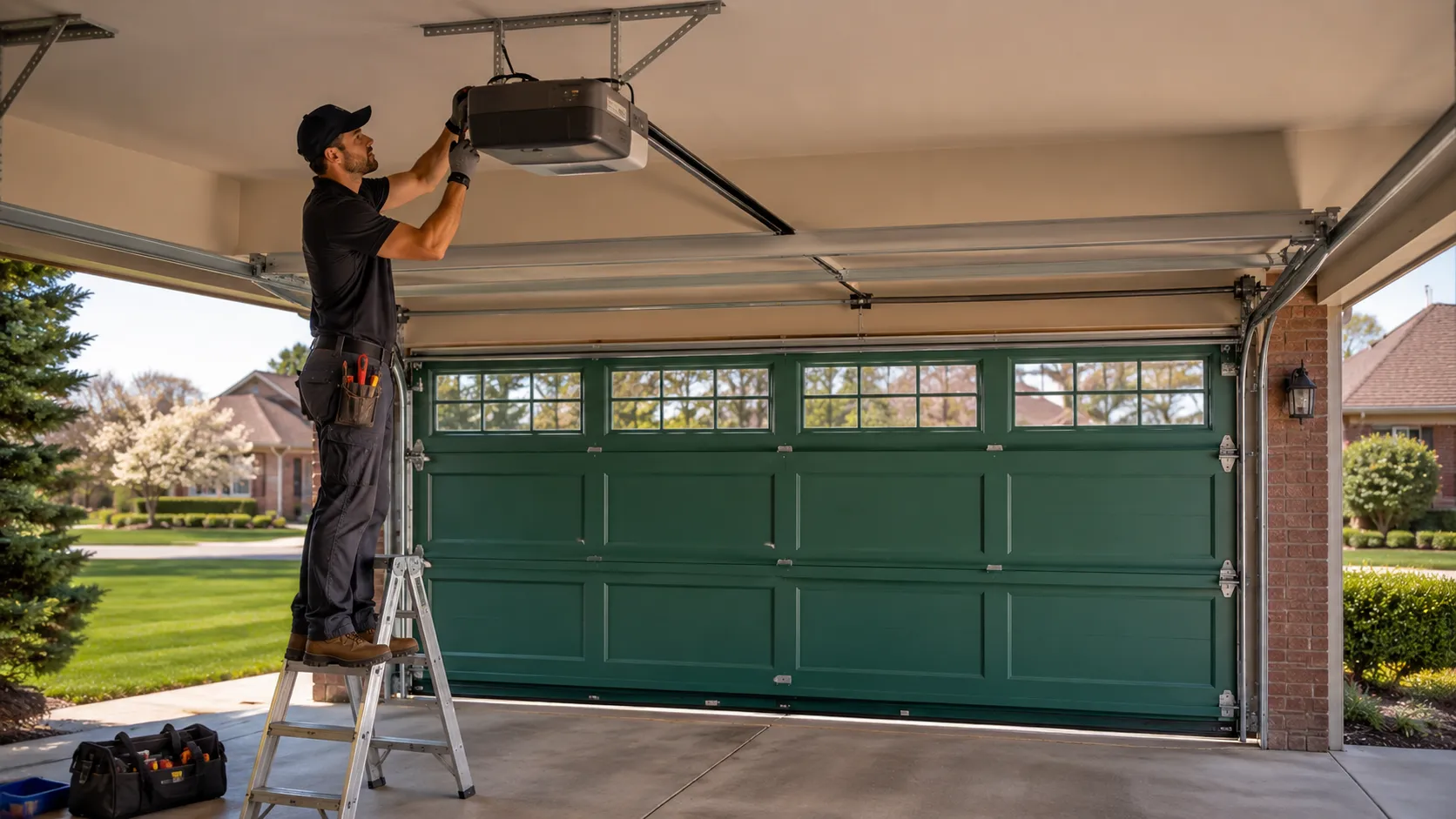
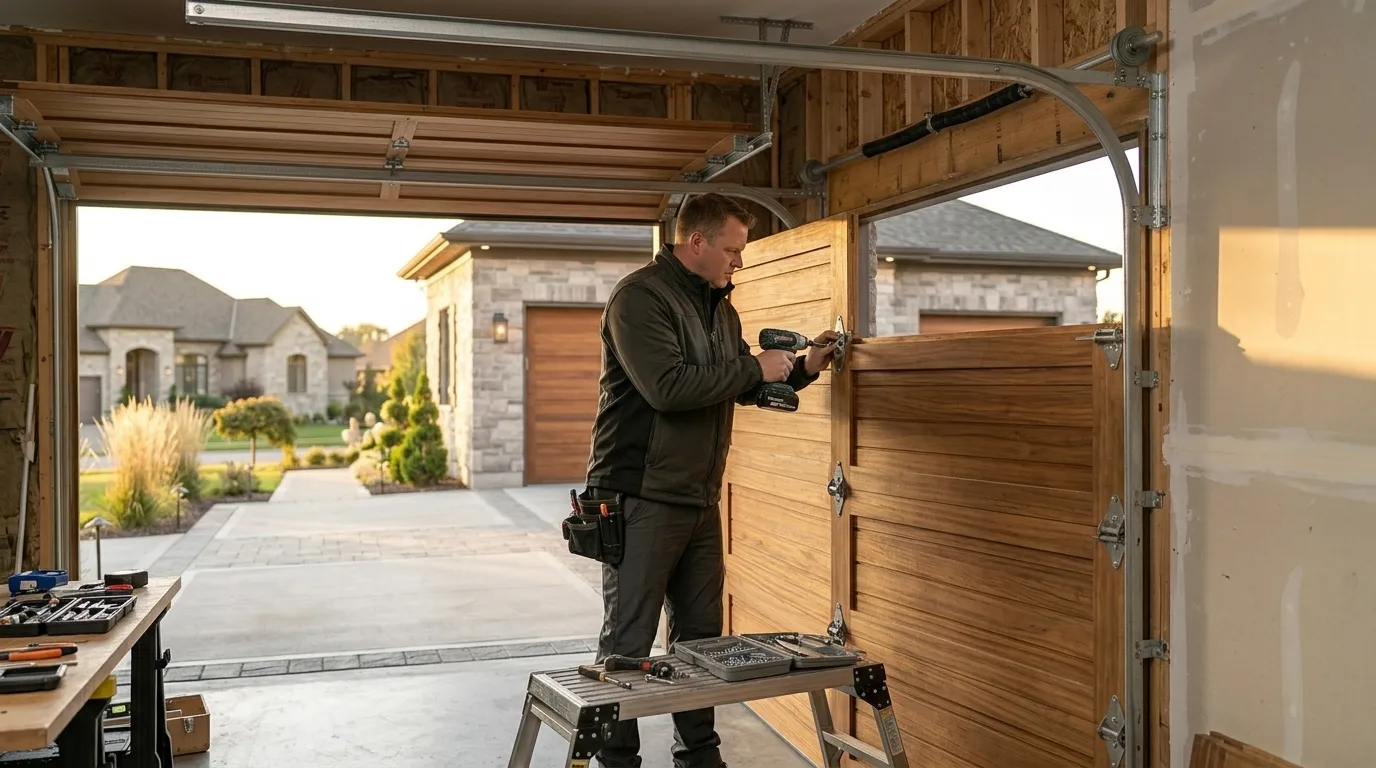
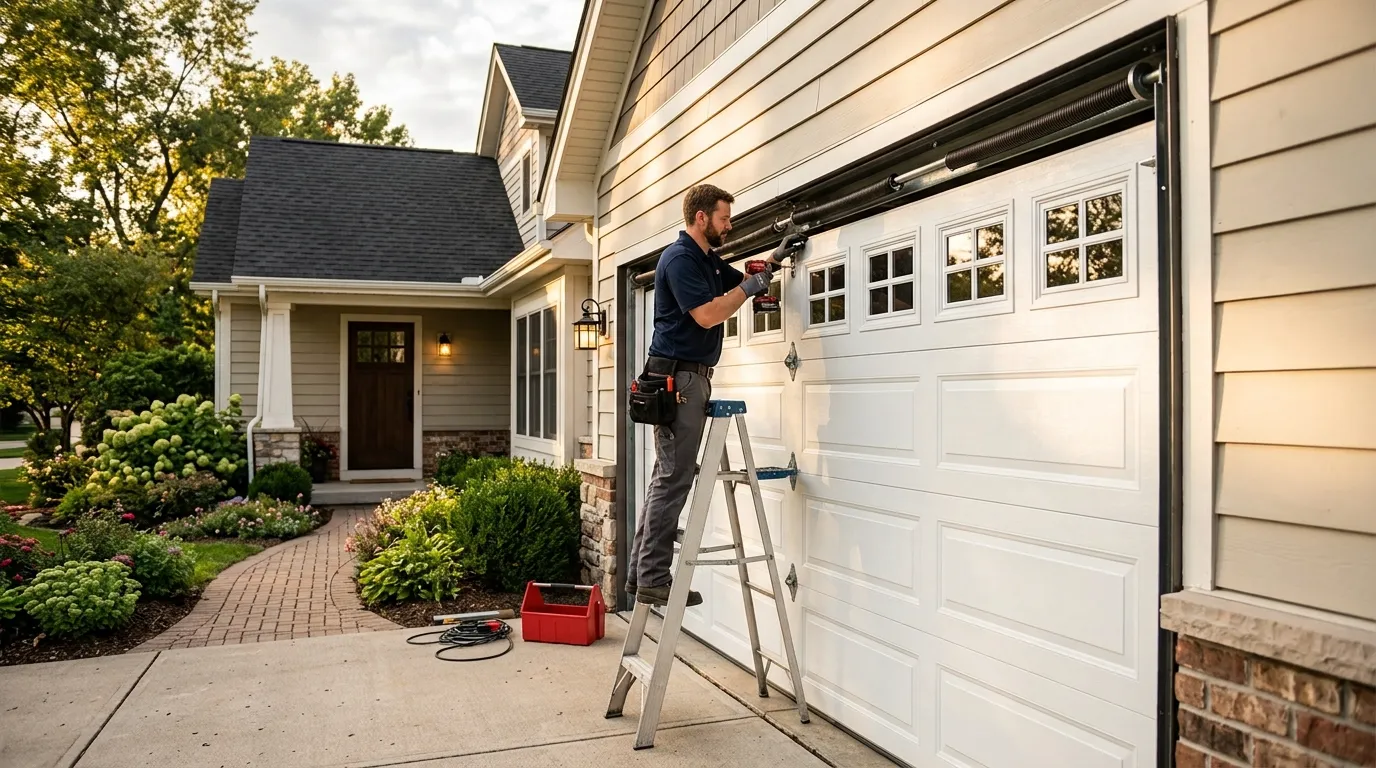
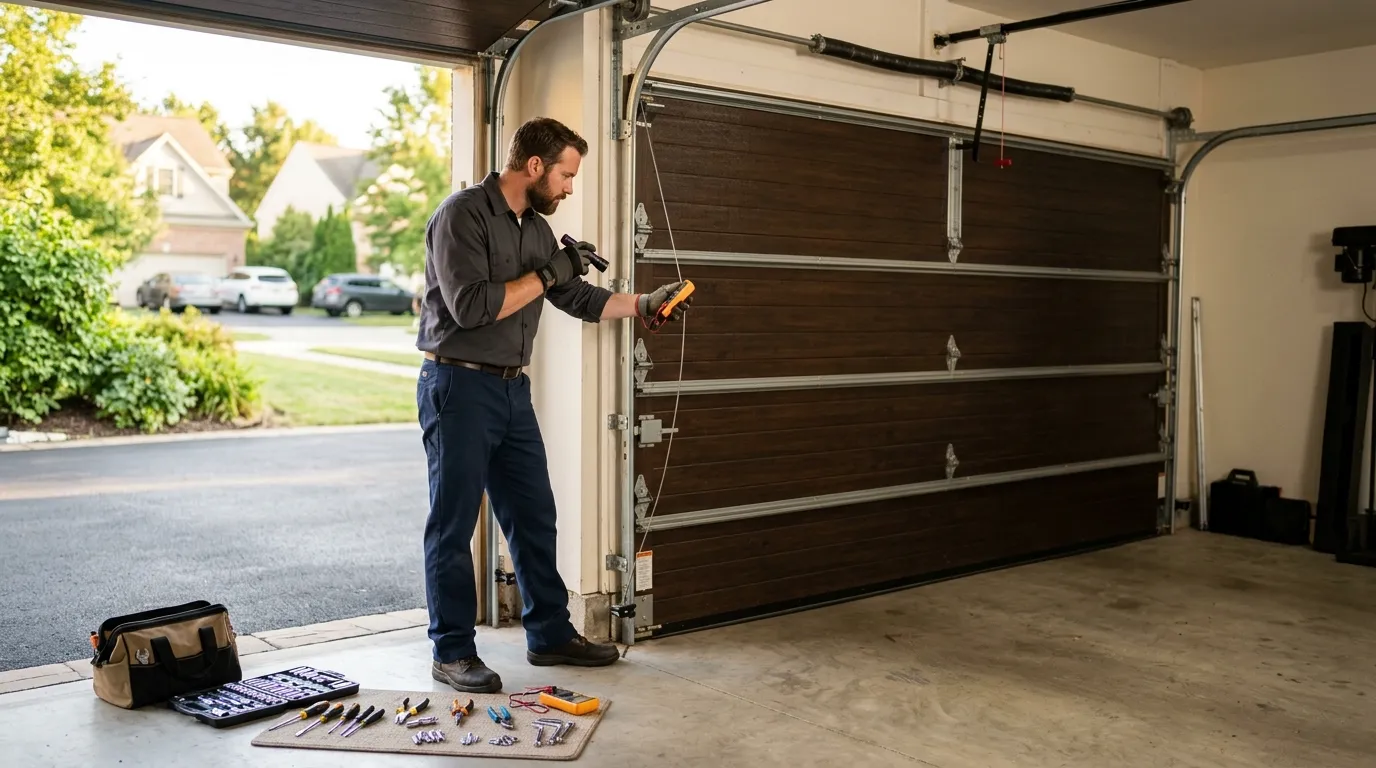
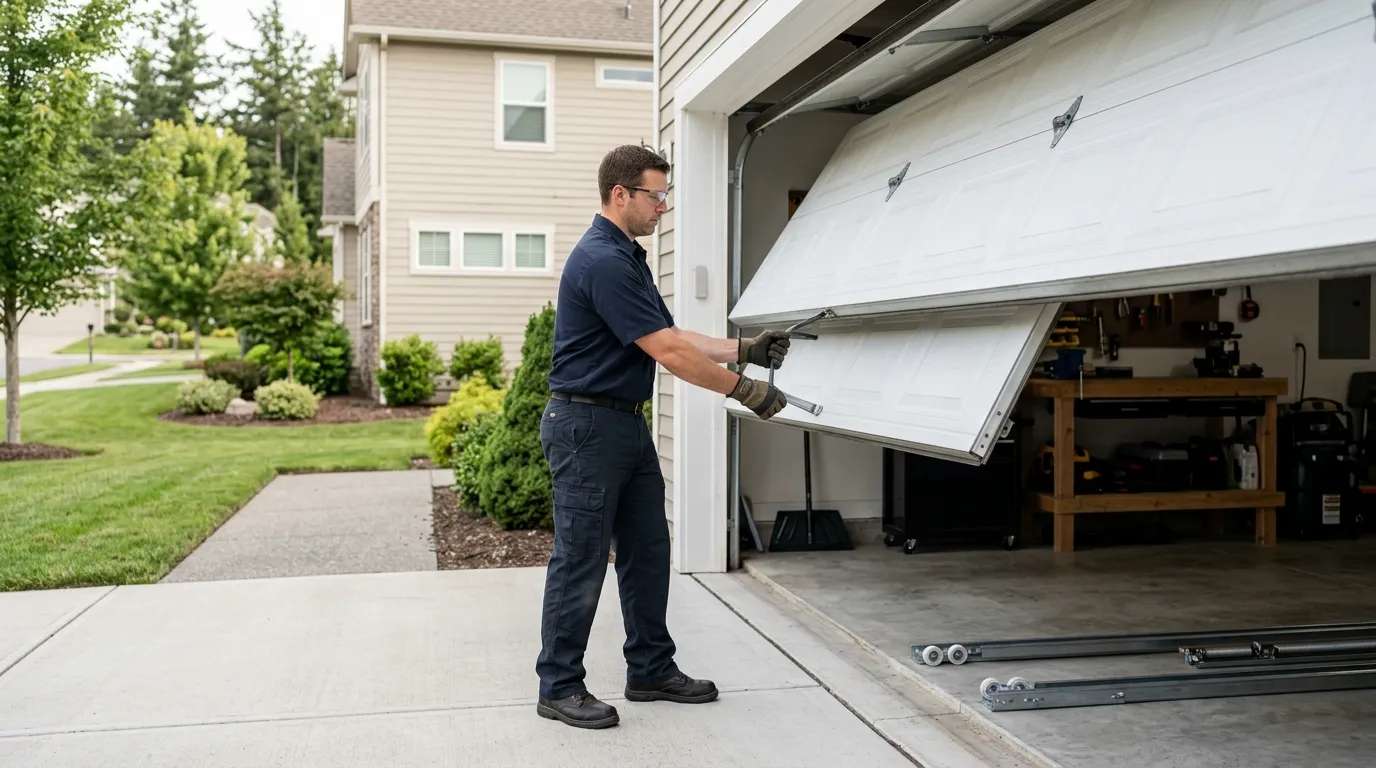
Highland Village's housing stock centers on 1993, which puts it a good decade ahead of the newer construction that dominates much of the wider area around 2004. That gap matters more than it sounds. A door installed in the early '90s is more likely to be running on an extension-spring system with a single torsion bar or, in some cases, still on the original galvanized track rather than the aluminum sections that came standard on later builds. The openers from that era are usually chain-drive units nearing or past the end of their practical life, and the safety sensors, if the door hasn't been touched since, may predate the eye-beam standard that became mandatory later in the '90s. We see doors from this build window fail differently than newer ones - it's usually a snapped extension spring, a stretched cable, or a cracked plastic idler pulley, not the bent track or misaligned photo-eye issues that show up on 2000s-era doors elsewhere in the area. Knowing the age of the stock before we get there changes what's on the truck. A repair on a 1993 door often means we're sourcing a different spring size or a bracket pattern that newer manufacturers stopped making standard years ago.
Where We Stop
We work Highland Village as part of our coverage from Prosper, along with the other communities in that stretch - Paloma Creek, Weston, Cross Roads, Aubrey, Oak Point, Gunter, Fairview, Pilot Point, Shady Shores, Lake Dallas, New Hope, Melissa, Hickory Creek, Lowry Crossing, Parker, Lucas, Tioga, Van Alstyne, Copper Canyon, and Murphy. We don't cover ground past that radius. If you're outside this list, it's worth asking before you book, because we'd rather tell you no up front than have you wait on a truck that's not coming.
The Houses Here
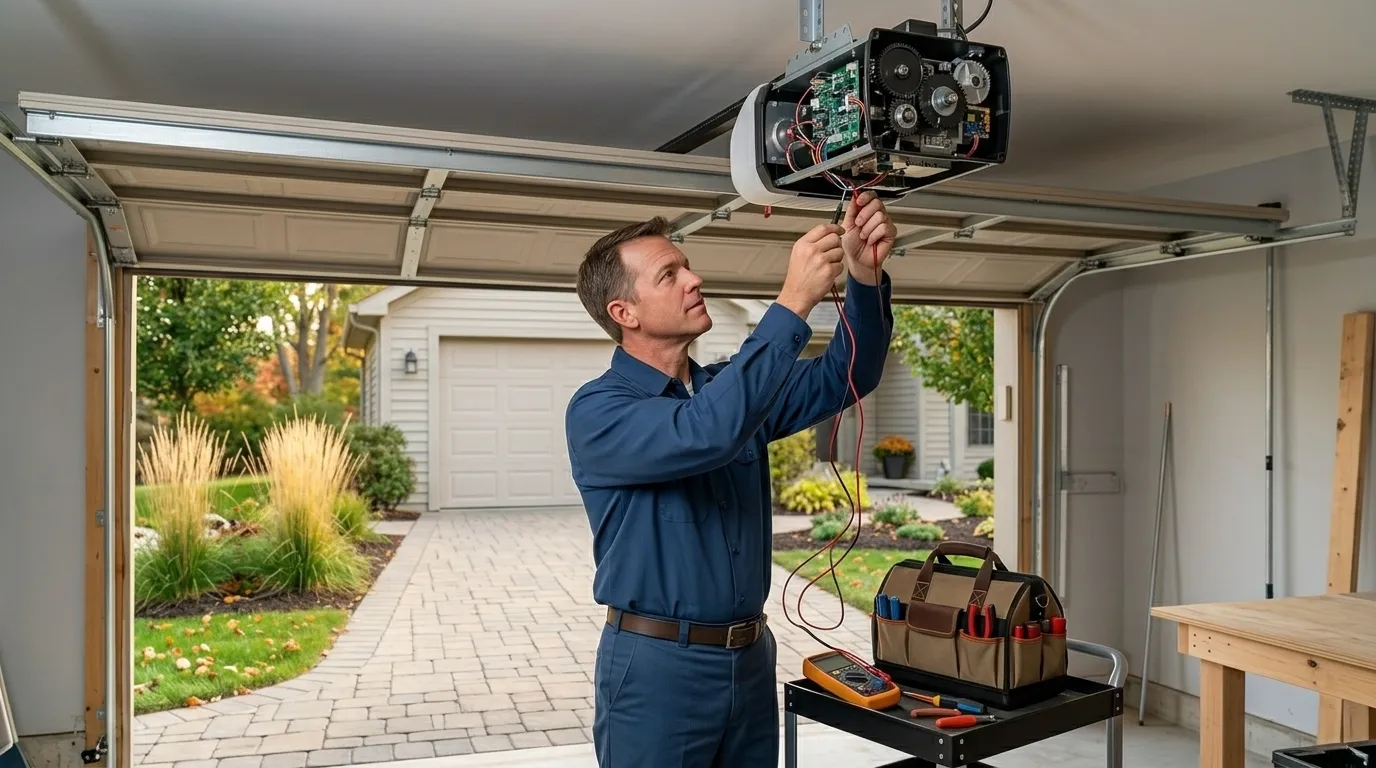
With roughly 5,380 households and a median income of $164,459, Highland Village skews toward owners who bought their house once and have kept it - which tracks with a build year sitting well ahead of the newer subdivisions nearby. That combination usually means the original door and opener are still in place, just aging out. We're upfront about one limit here: if your opener is a chain-drive unit from the original build, parts for the exact model are often discontinued, and rather than chase a part that takes weeks to source, we'll usually recommend a belt-drive replacement instead of a like-for-like repair. It costs more up front but it's the honest answer for a unit that old. The climate here runs cold-moderate, which isn't brutal on doors the way a harsher freeze-thaw cycle would be, but it's still enough that a spring under 30 years of tension and temperature swings is due, not overdue, for a look.