What the Housing Means for Your Door
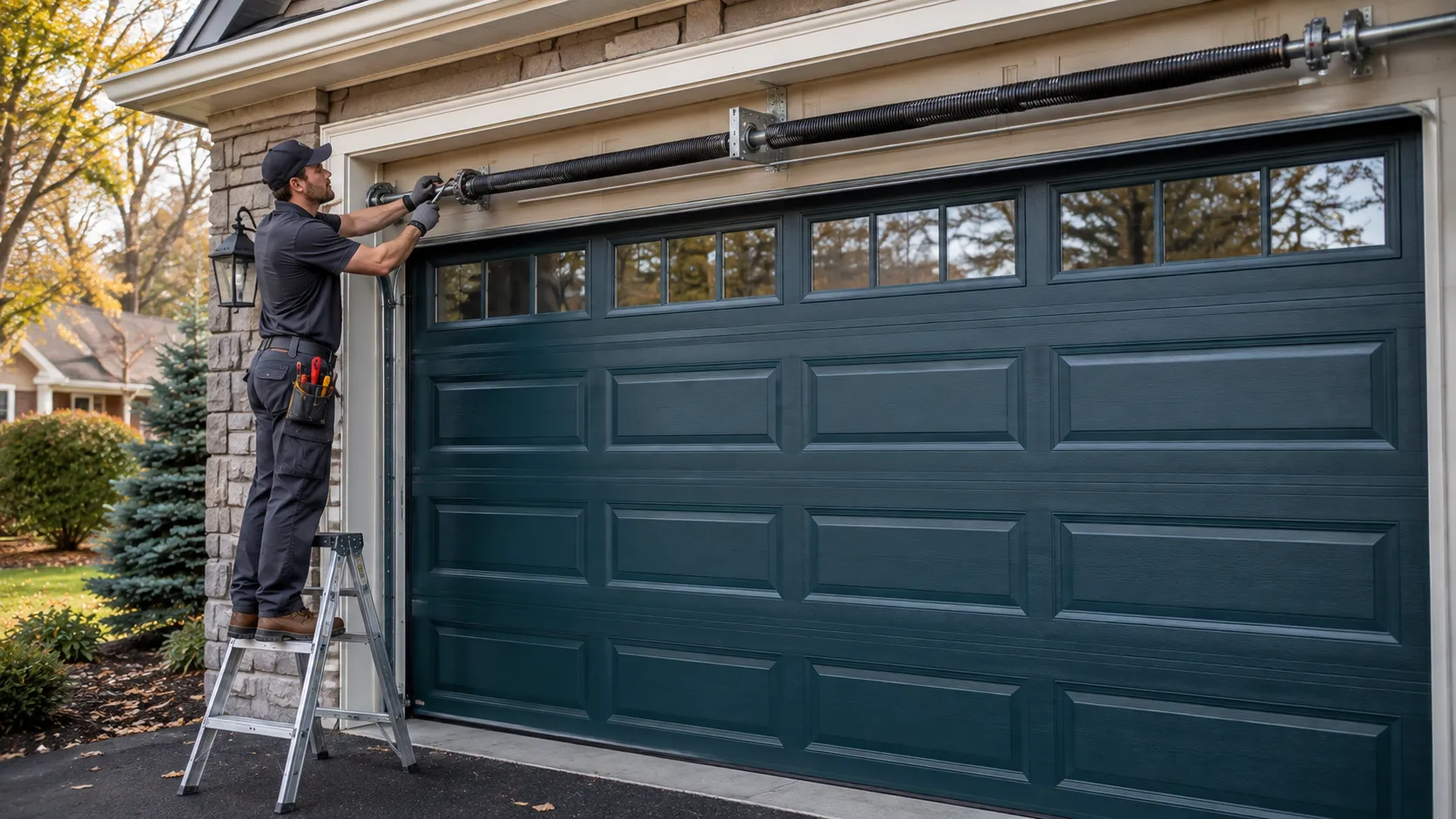
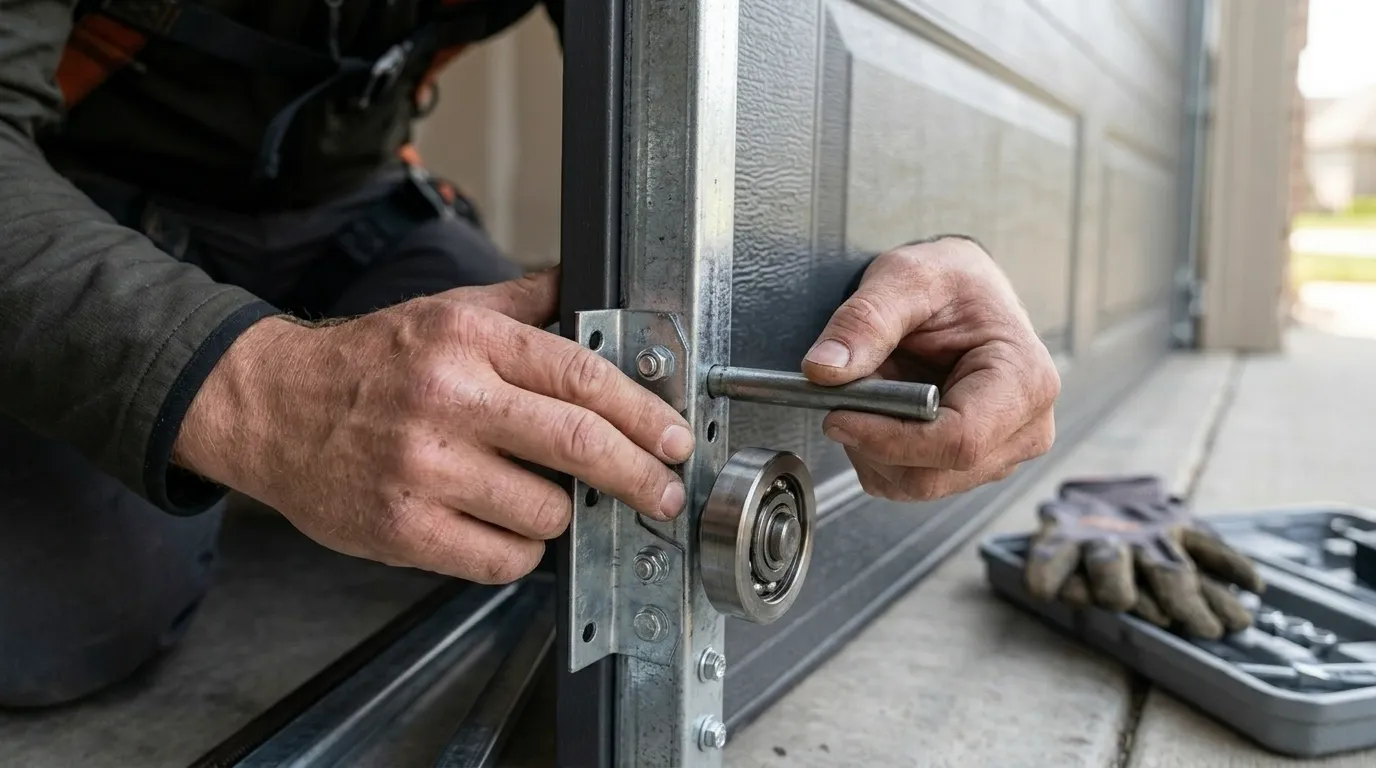
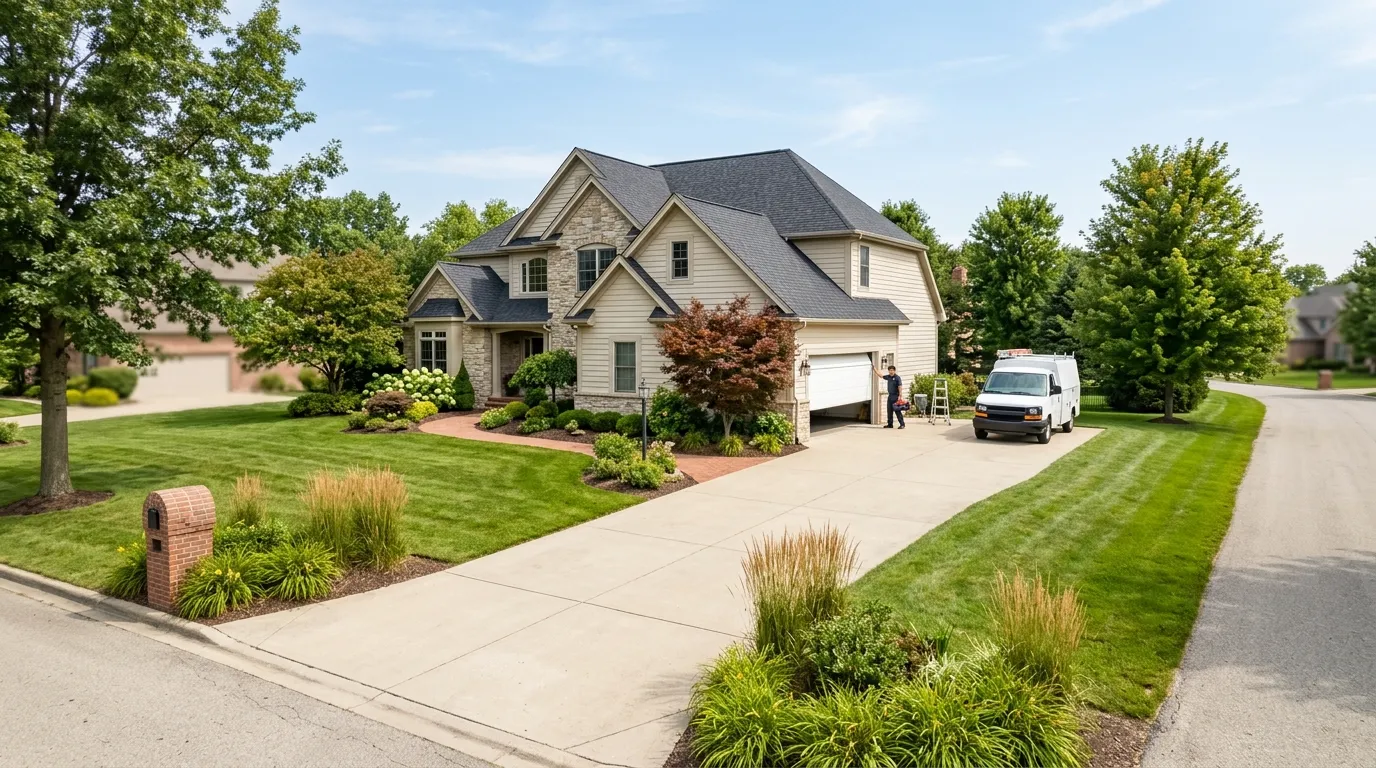
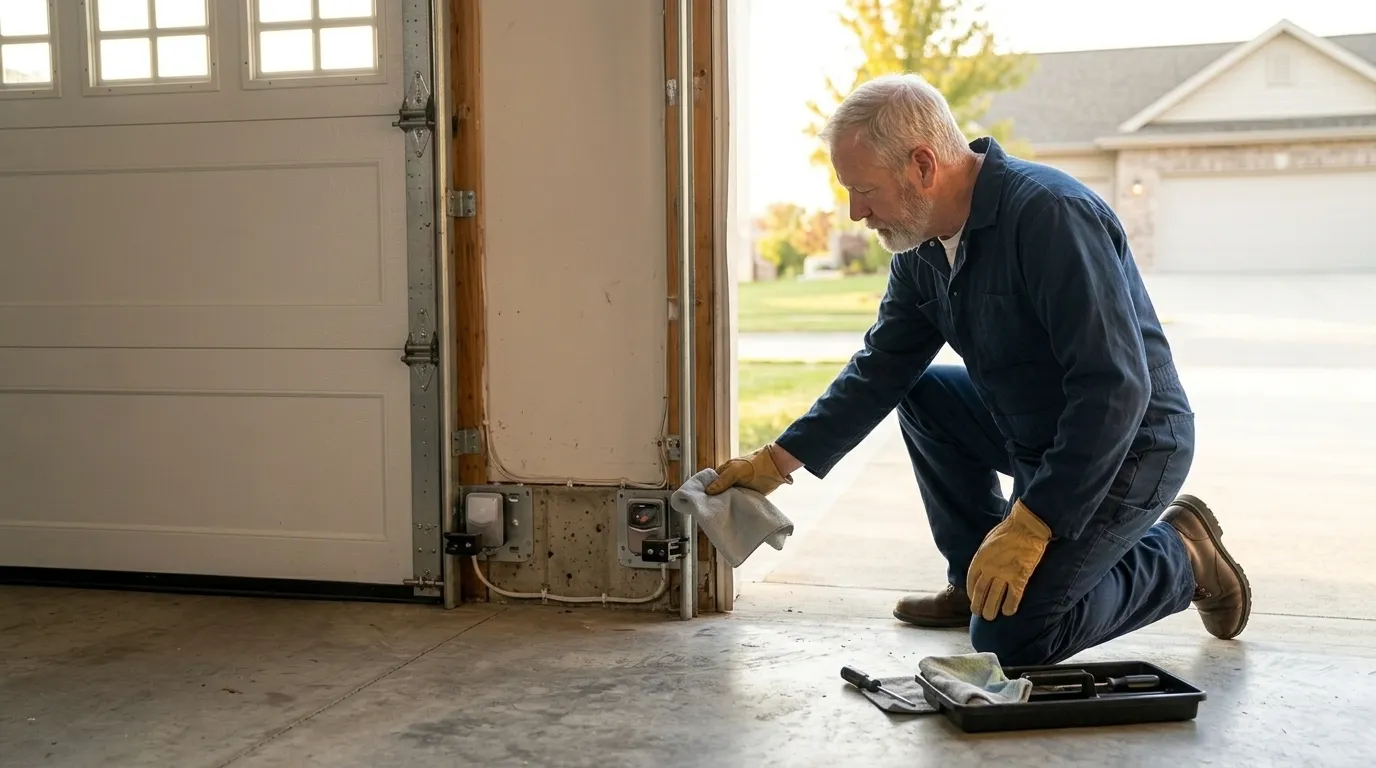
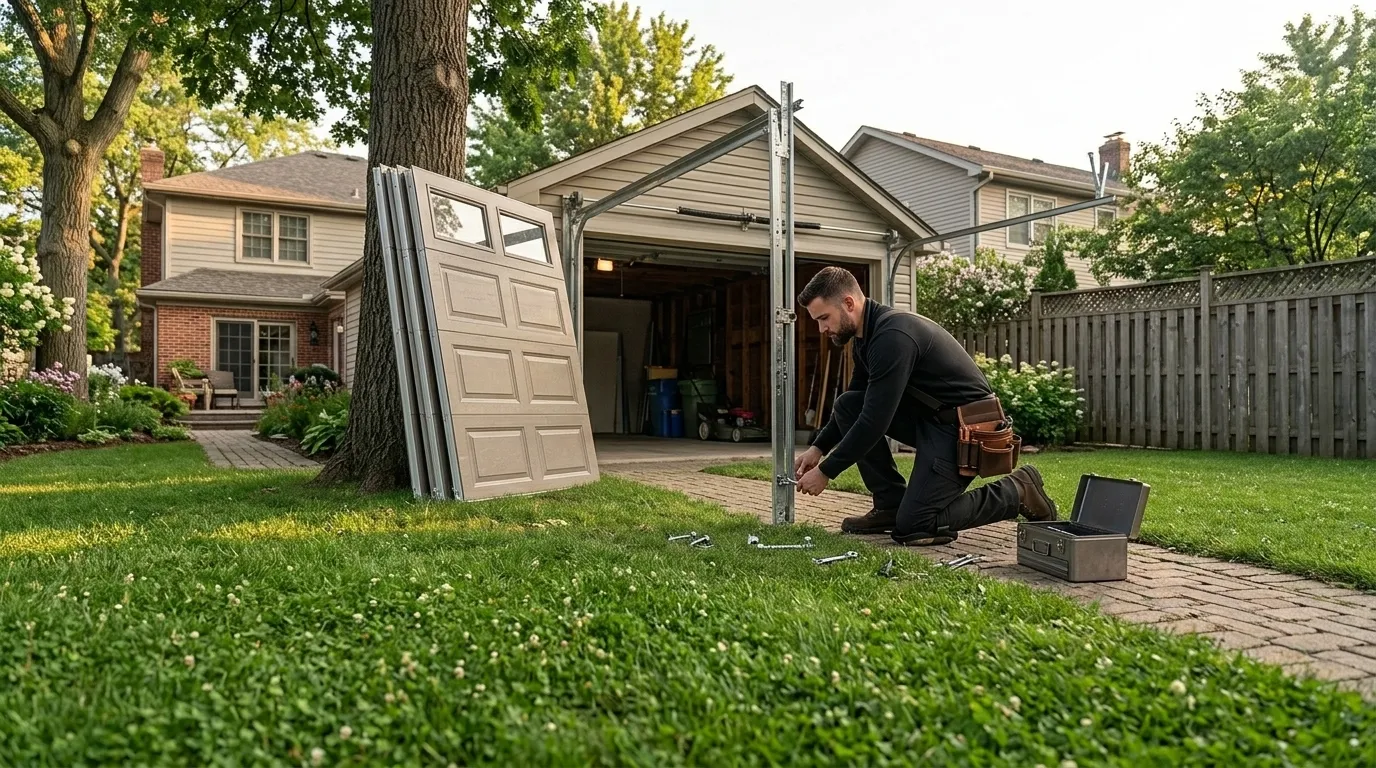
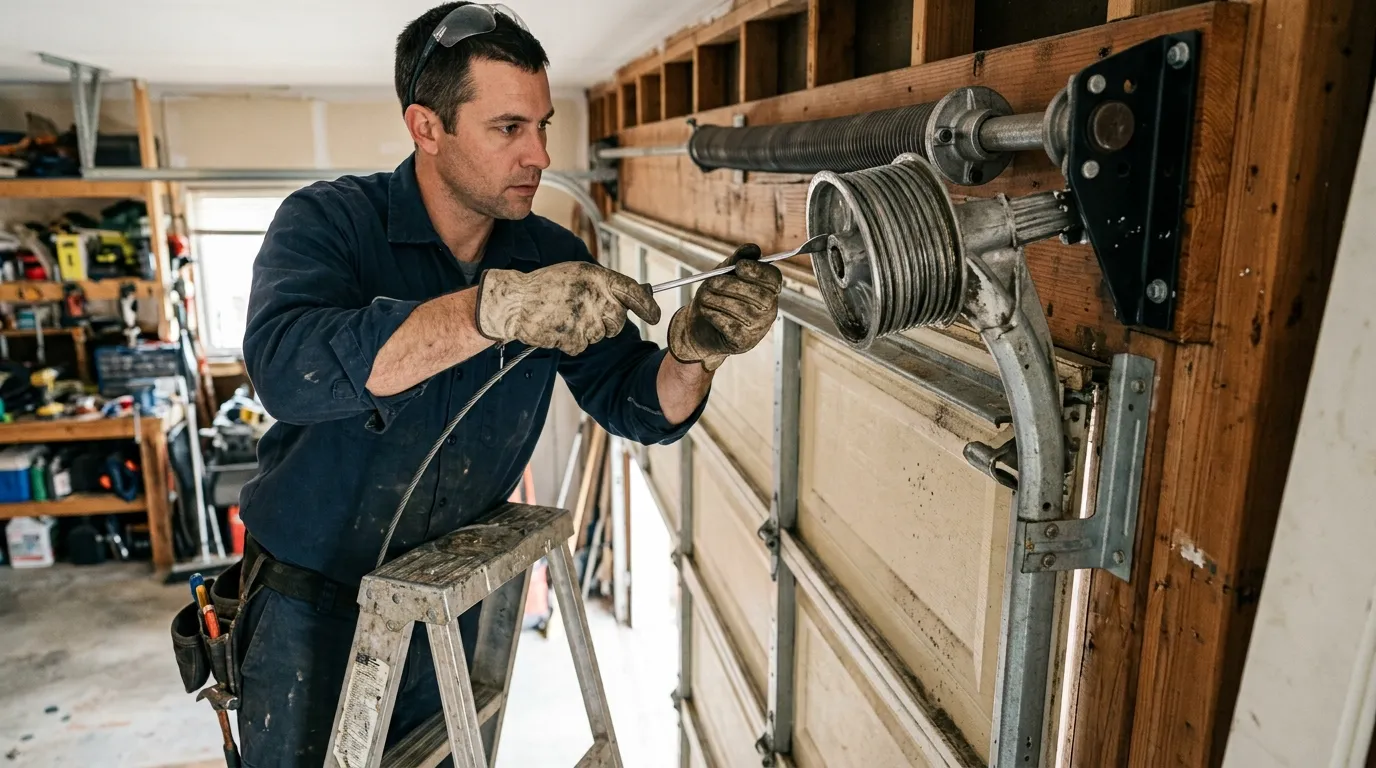
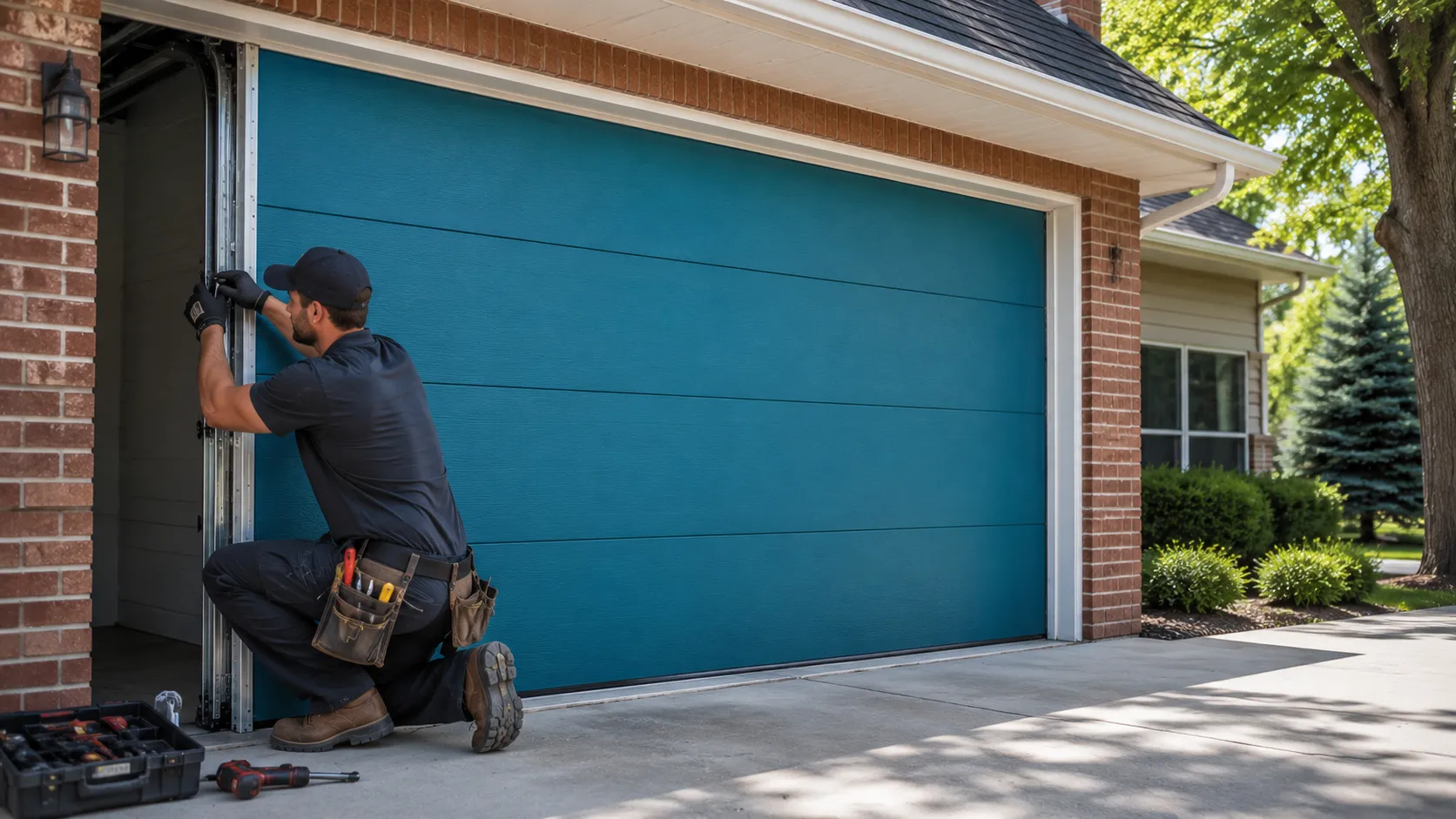
Parker isn't the same build era as the older parts of our coverage area. Most houses here went up around 2005, roughly a decade newer than the mixed 1985-2015 stock we see elsewhere. That matters because 2005-era doors are mostly steel sectional panels on standard-lift torsion springs with openers that still use chain or belt drive from that period - not the older extension-spring setups you find on 1980s houses, and not the smart, battery-backup openers going into new builds today. The failures we get called out for in Parker are predictable: springs rated for a 2000s-weight door reaching the end of their cycle count, nylon rollers that have gone brittle, and openers whose circuit boards are original to the house and finally quitting. We don't see much of the ancient galvanized hardware that shows up on older homes, and we don't see the newest wall-mount jackshaft units either. If your door is original to the house, it's about 20 years old, which is on the older side for a torsion spring but not yet at the point where the whole unit needs replacing. One honest note: if the opener logic board is dead and the model's been discontinued, we may recommend a full opener swap rather than hunting for a part that's not made anymore.
Where We Stop
We work Parker as part of a wider route out of Prosper that covers a mix of small towns and unincorporated pockets, some newer, some a lot older. Parker is one of the smaller stops on that route - around 1,553 households, which is a modest pocket compared to the bigger clusters of houses closer to Prosper itself. That size matters for scheduling: on a light day we can get to you quickly, but Parker isn't a neighborhood where we're already parked around the corner, so it's not the same as calling a shop headquartered five minutes from your driveway. We're not going to pretend otherwise. What we can tell you is that Parker is inside the area we actually service, not a stretch goal we're guessing at.
The Houses Here
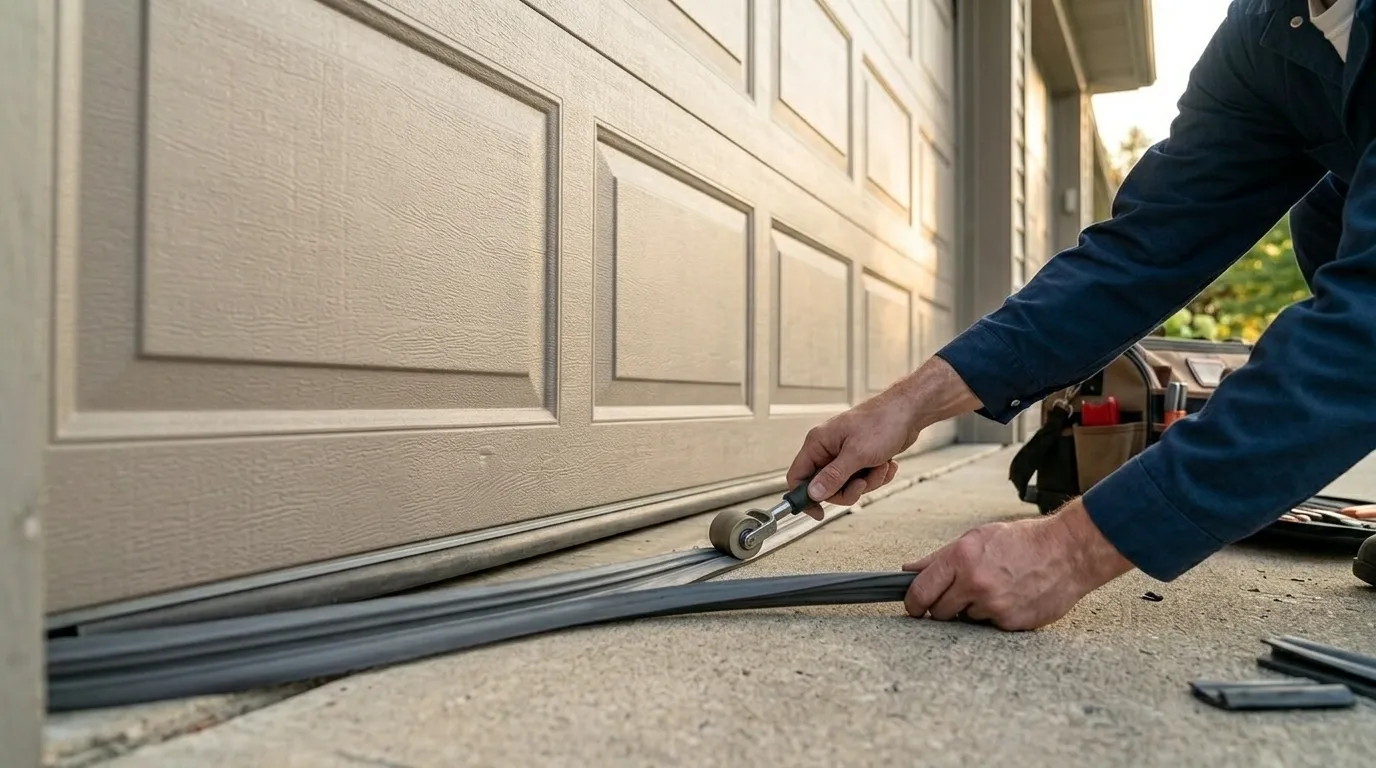
Median household income in Parker runs $216,179, well above the $110,357 median across our wider service area. In practice that shows up in the kind of calls we get: more homeowners who ask us to replace an aging opener with a quieter belt-drive unit rather than patch the old one, and more requests for insulated steel doors over the bare single-layer panels that were standard when these houses were built. It's a colder-winter, hot-summer climate band here, which is part of why insulation and weatherstripping come up more in Parker than in some of the older, smaller houses on our route - bigger garages, often with living space above or behind them, feel temperature swings more. We'll always tell you straight if a repair makes more sense than a replacement; a 2005 opener with a bad board is often cheaper to swap than to keep nursing along.