What the Housing Means for Your Door
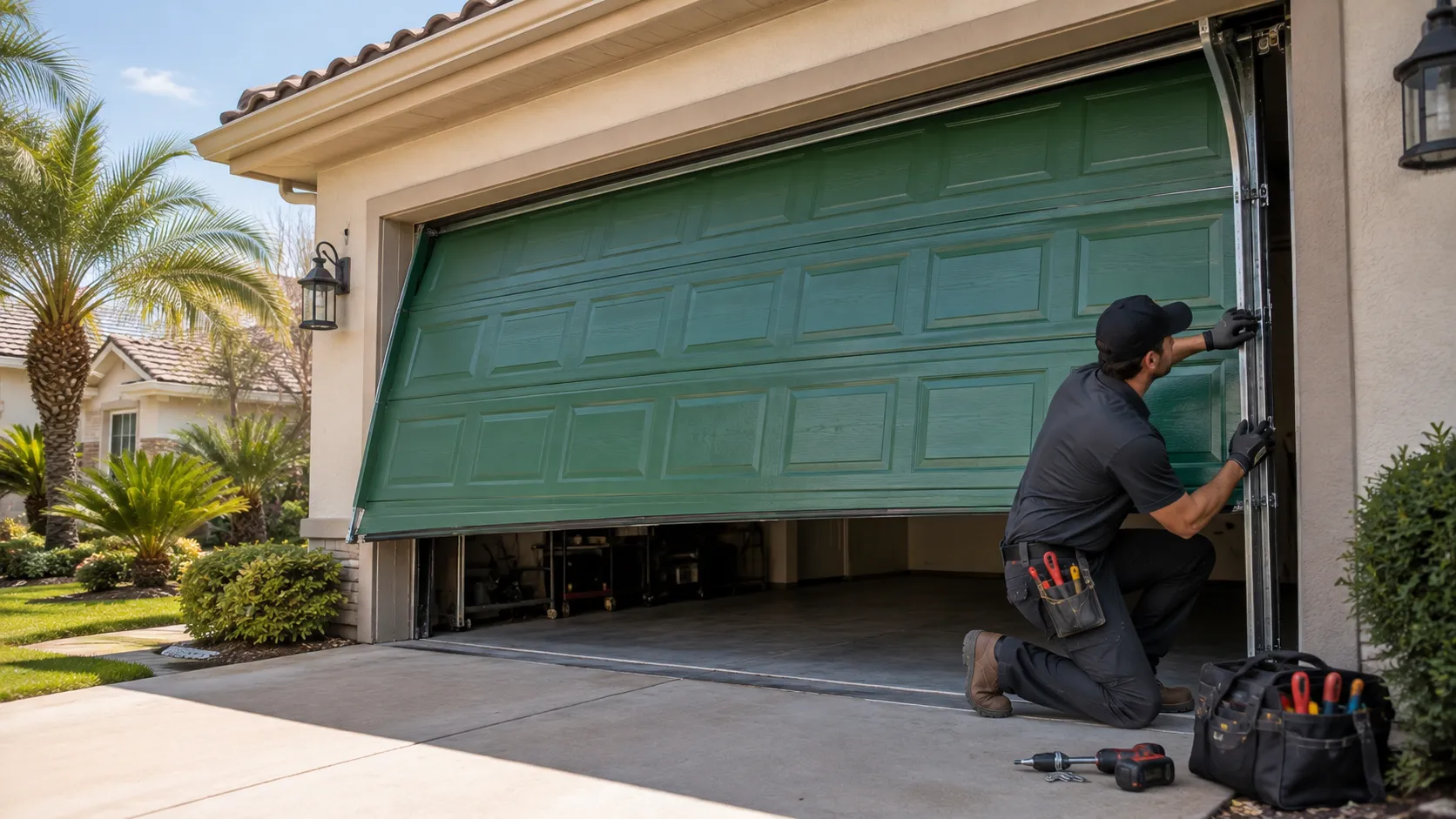
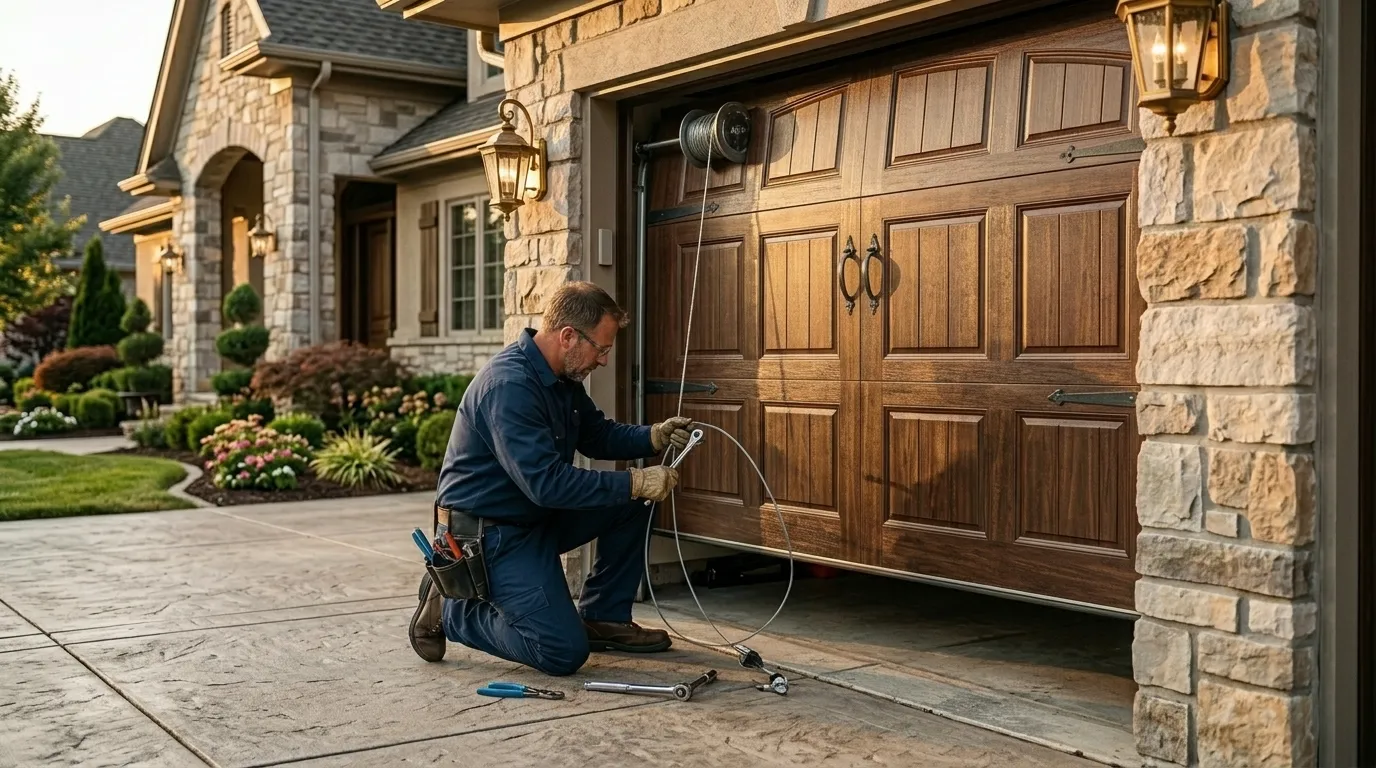
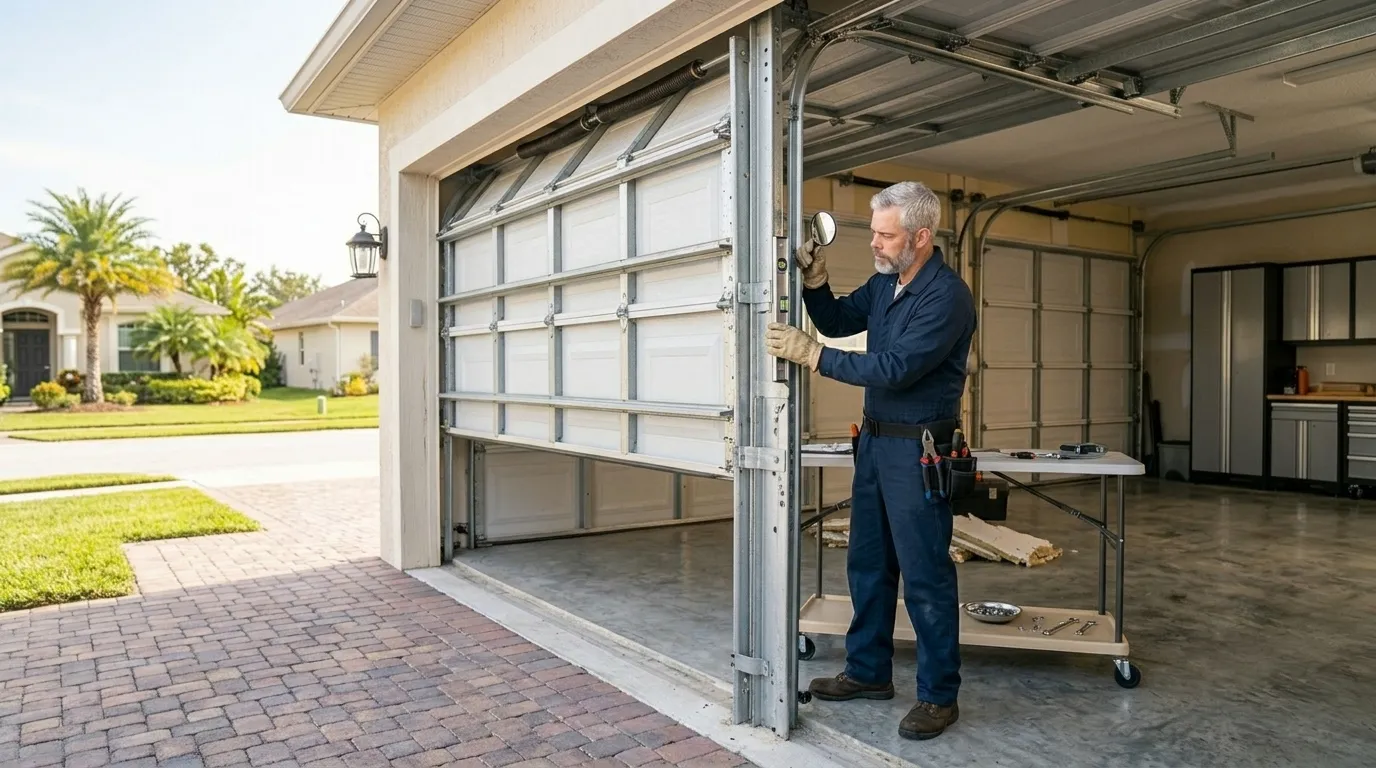
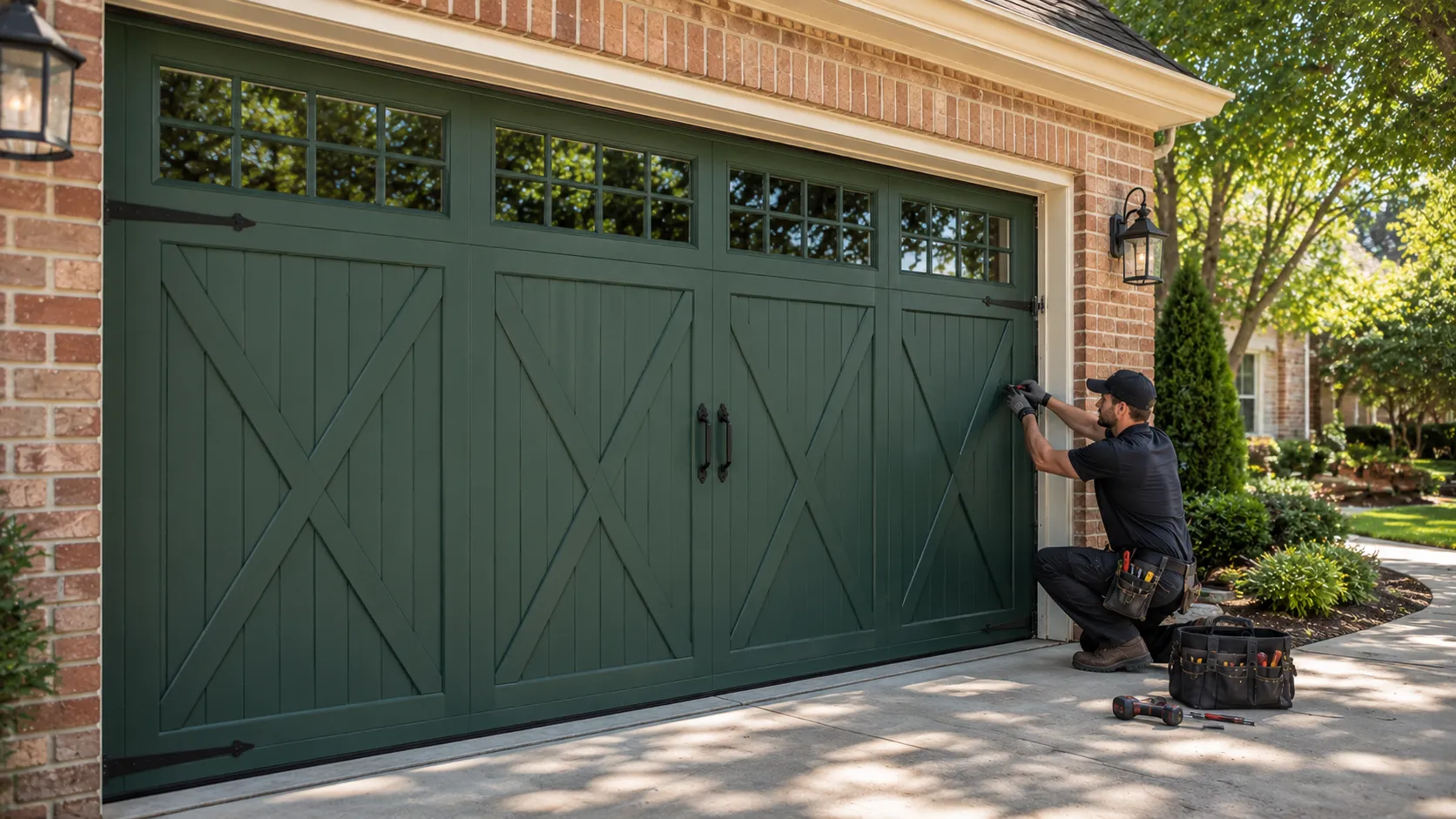
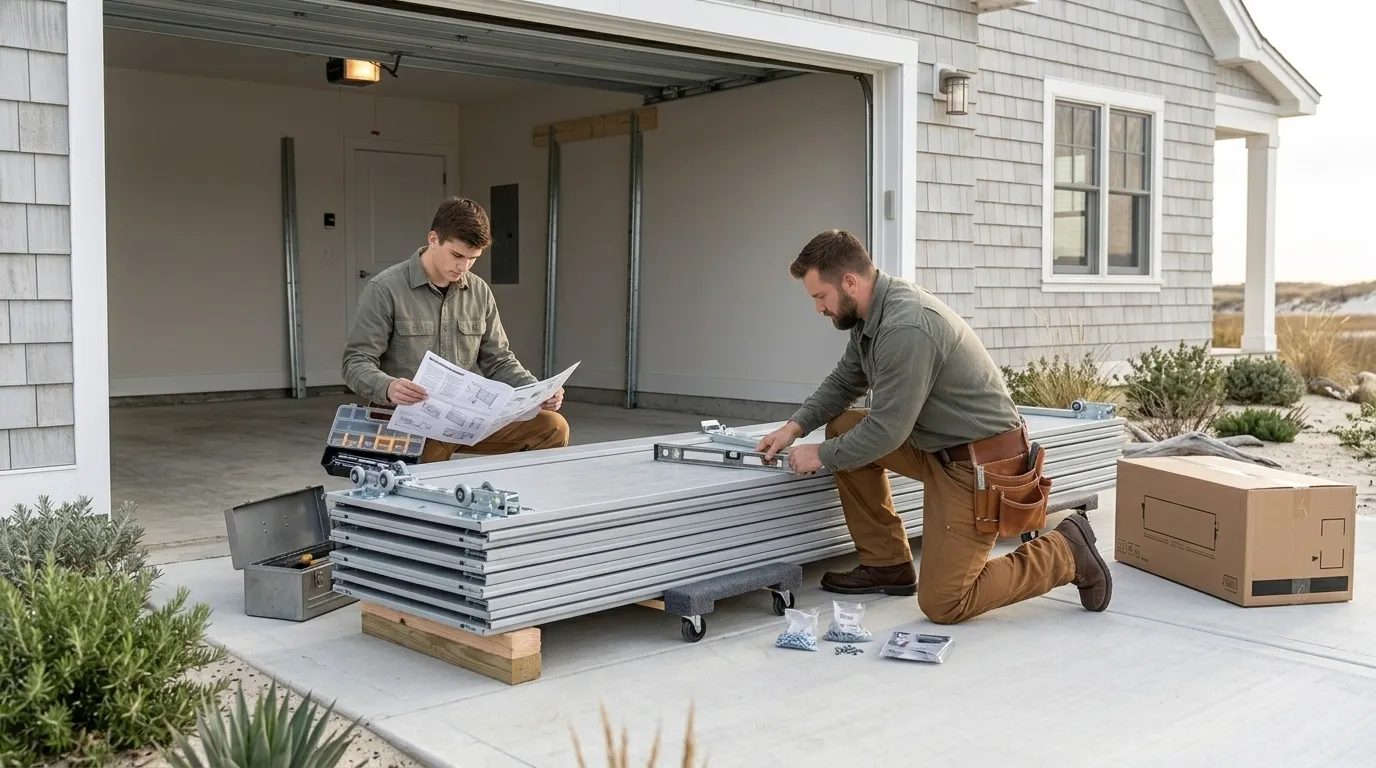
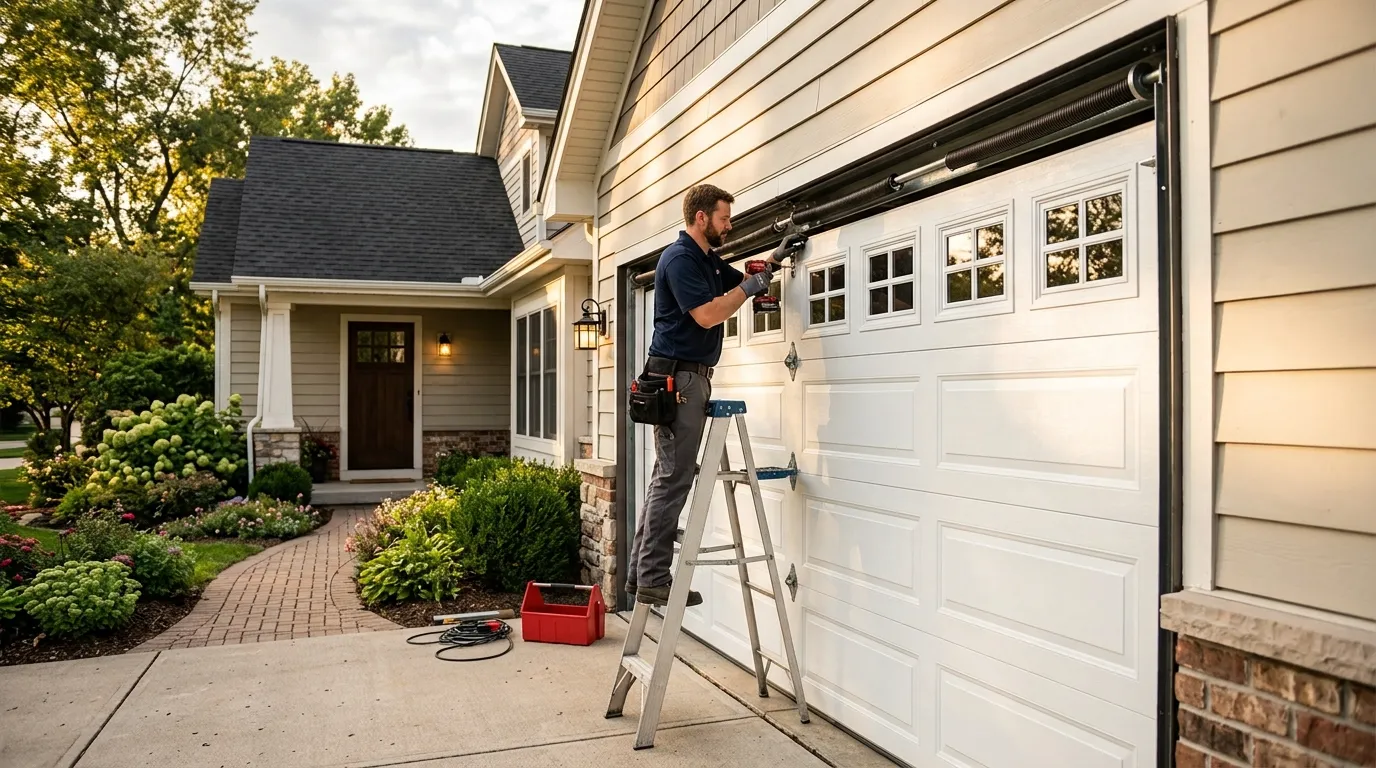
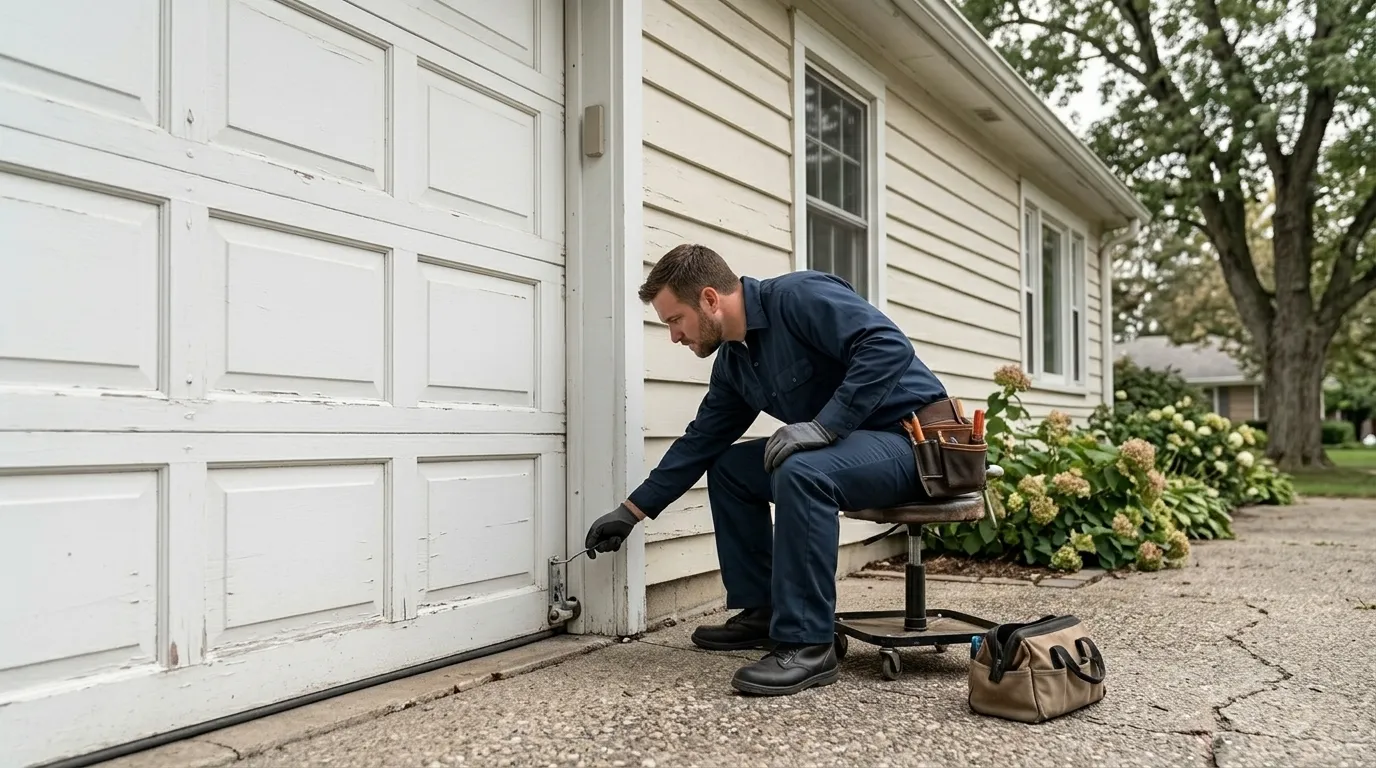
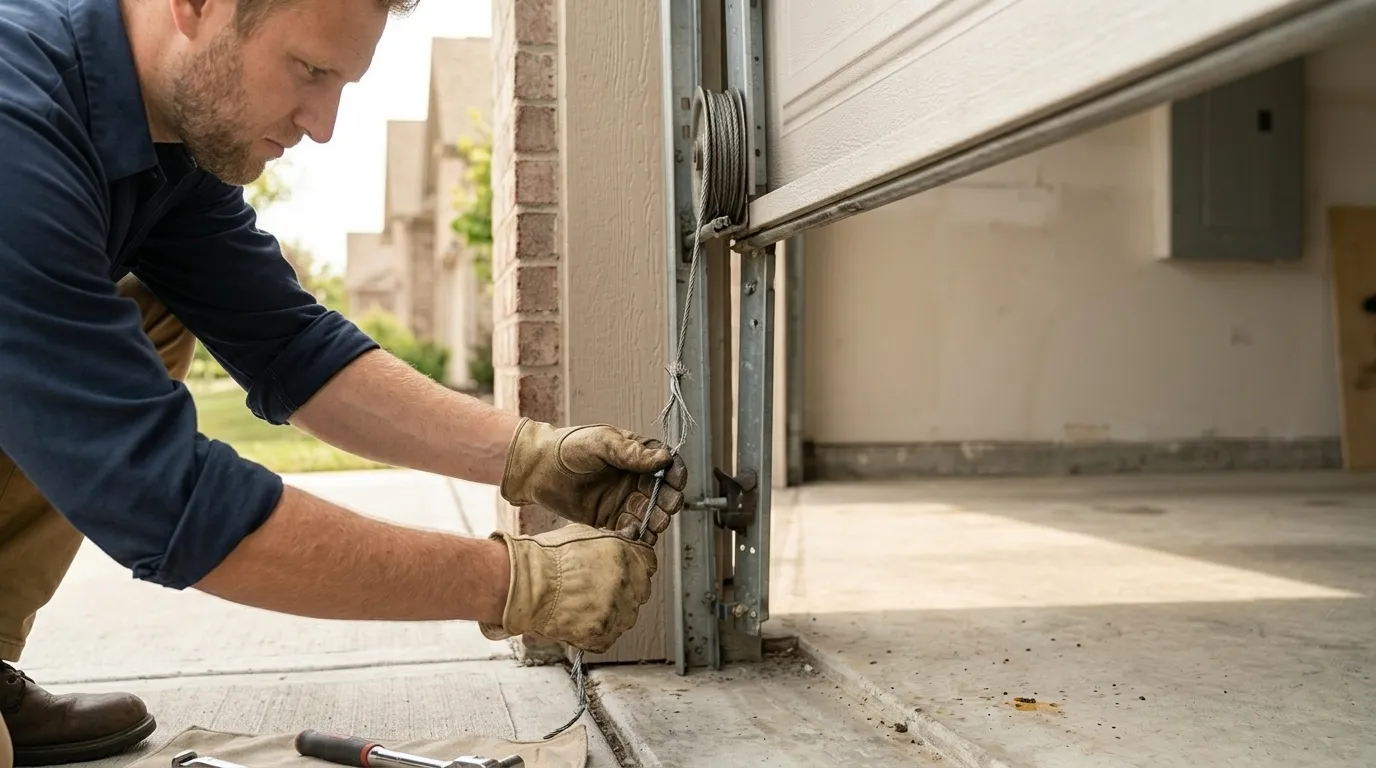
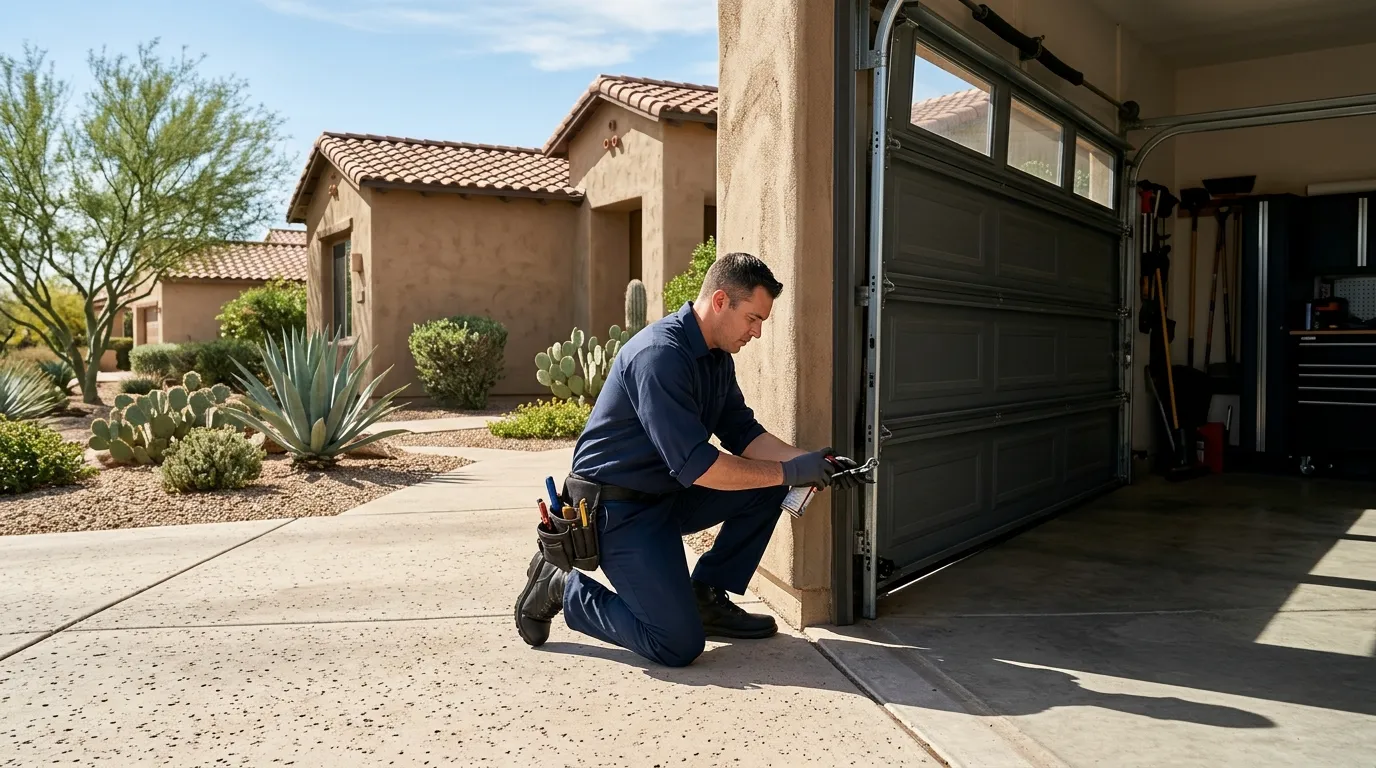
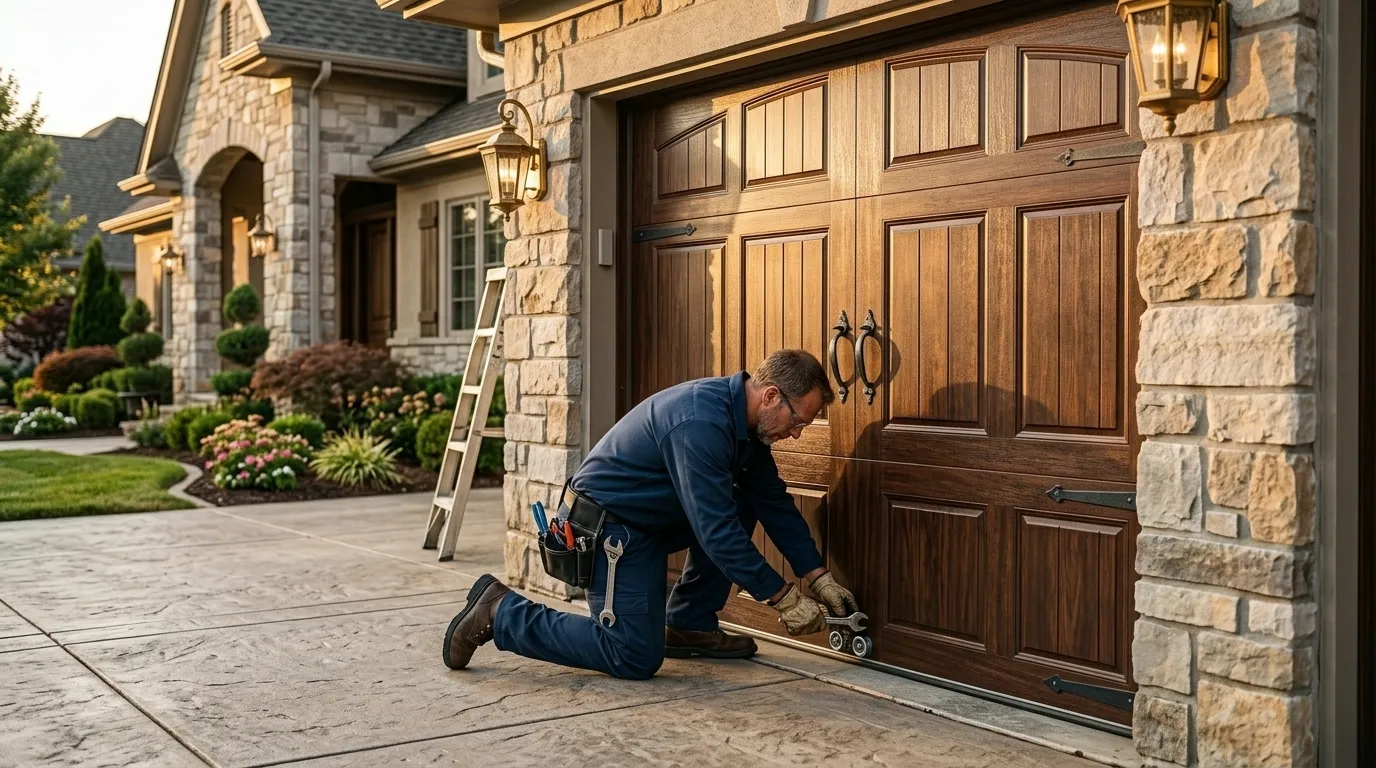
Pilot Point's median year built sits around 1989, which puts it a good decade and a half ahead of the newer construction closer to Prosper, where the broader service area's housing median lands closer to 2004. That gap matters more than it sounds like it should. A door and opener installed in 1989 is almost certainly not the same system you'd find in a house built in the 2000s - you're more likely to run into extension springs mounted along the horizontal track instead of a torsion spring over the header, older chain-drive openers with worn drive gears, and steel panels thin enough to dent from a stray basketball. None of that is a knock on the houses. It's just what the era gives you. When we get a call from this side of things, we're usually looking at worn rollers on original hardware, opener logic boards that have outlived their motors, or a torsion conversion somebody did halfway and never finished. If your door still has the original springs, that's the first thing worth having checked - not because it's about to fail today, but because 1989-era spring steel doesn't last forever, and cable rust hides well behind a coat of old paint.
Where We Stop
Pilot Point sits at the edge of where the routing still makes sense for us, about 14 miles out from Prosper. We also cover ground toward Aubrey, Cross Roads, Oak Point, and Lake Dallas, each around 11 to 14 miles out in their own direction, so Pilot Point isn't an outlier - it's one of several towns at a similar distance that we work into the same day's route. Past this ring, at towns like Tioga or Van Alstyne, the drive starts working against us for anything but a scheduled job. If you're not sure whether your street falls inside where we'll come, just ask when you call - we'd rather tell you plainly than have you wait on a truck that isn't coming.
The Houses Here
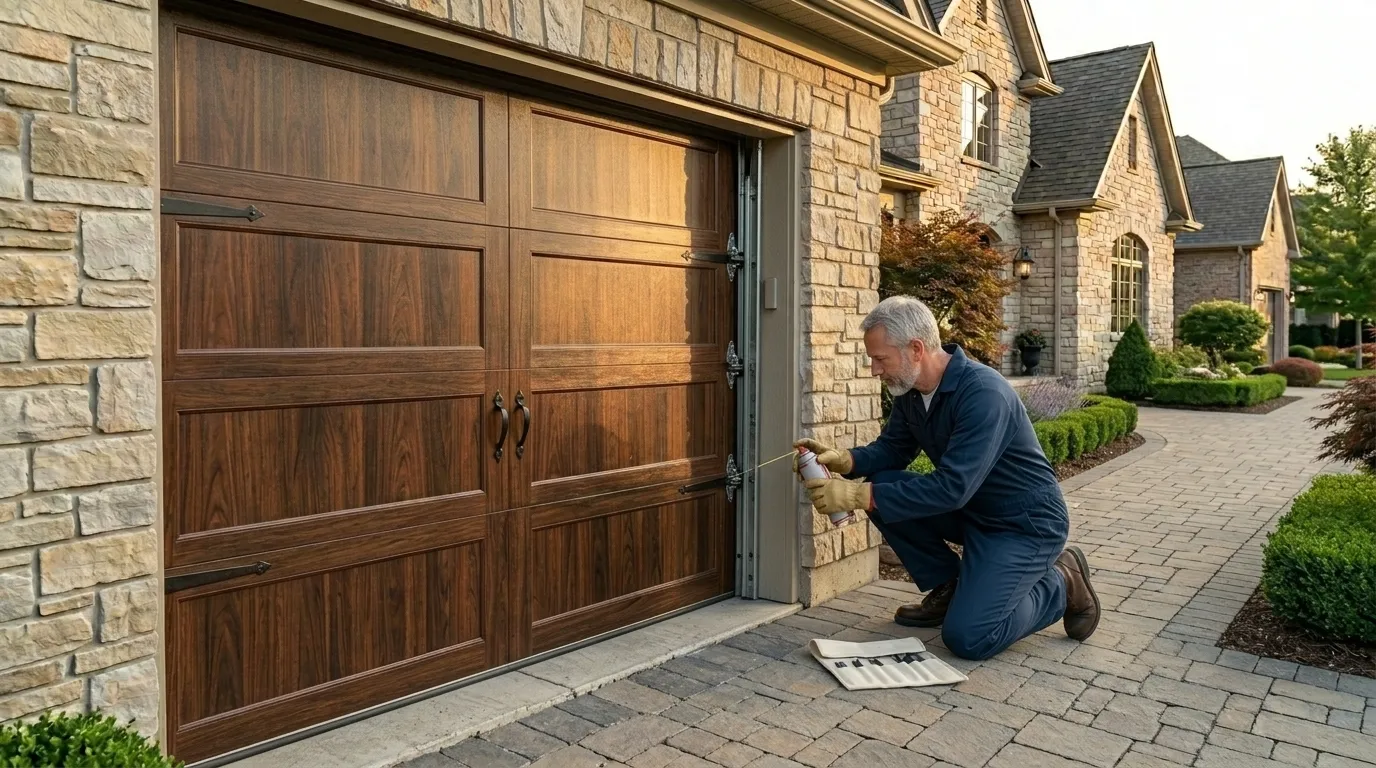
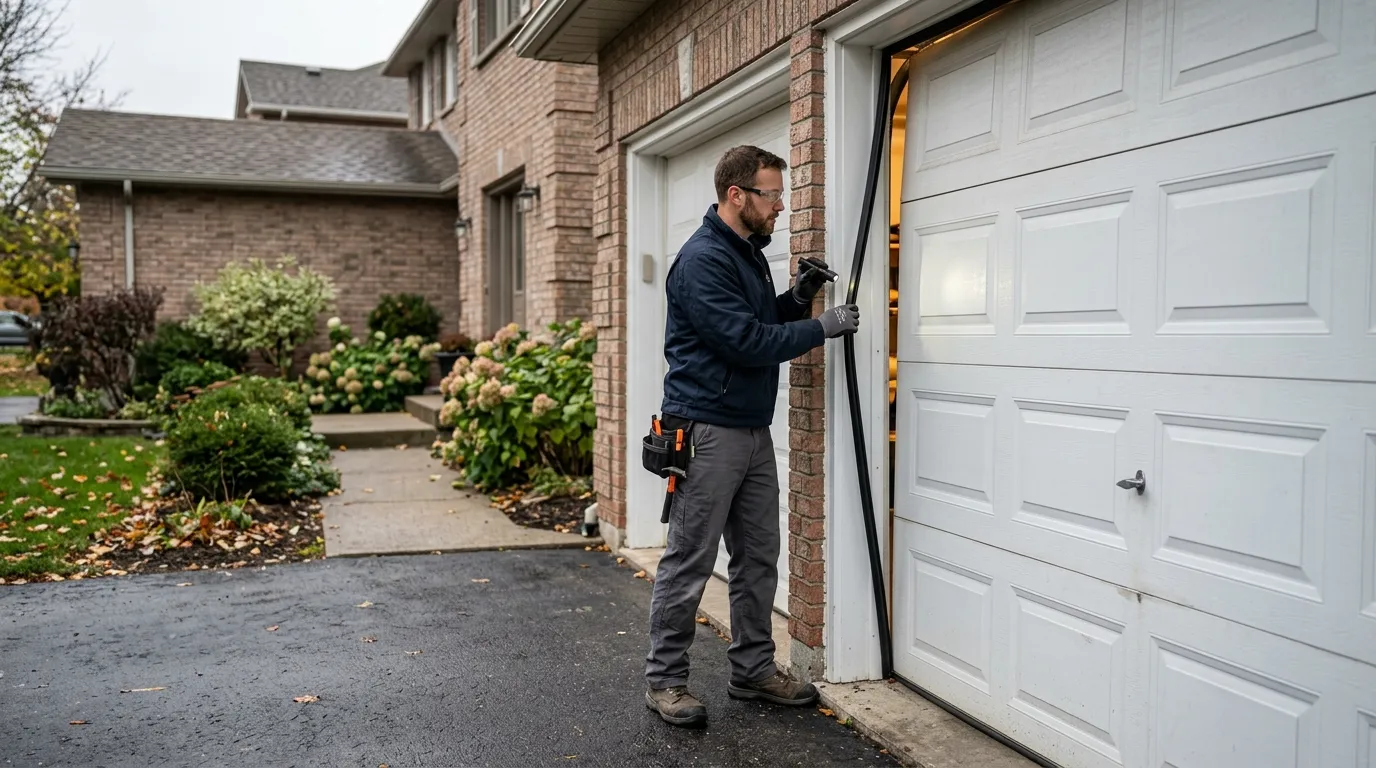
Pilot Point is a smaller town by household count - around 1,749 households - and median income here runs about $79,128, noticeably below the roughly $110,357 median across the wider service area. That's not a coincidence tied to the housing stock: older homes built around 1989 tend to carry older, simpler garage door setups, and repair over replacement usually makes more financial sense here than it would on a five-year-old opener with a smart hub built in. We're upfront about that trade-off. If a torsion spring conversion or a full opener swap is going to cost more than keeping the original hardware running another few years, we'll say so. The service area sits in a cold-moderate climate band, which means winter cold snaps stiffen old lubricant on rollers and tracks - a cheap fix if caught early, a stuck door if ignored. Across the broader area there are roughly 34,952 owner-occupied houses, and the pattern in Pilot Point's older stock tends to repeat: original hardware, original springs, and openers that have earned a look before they fail outright.