What the Housing Means for Your Door
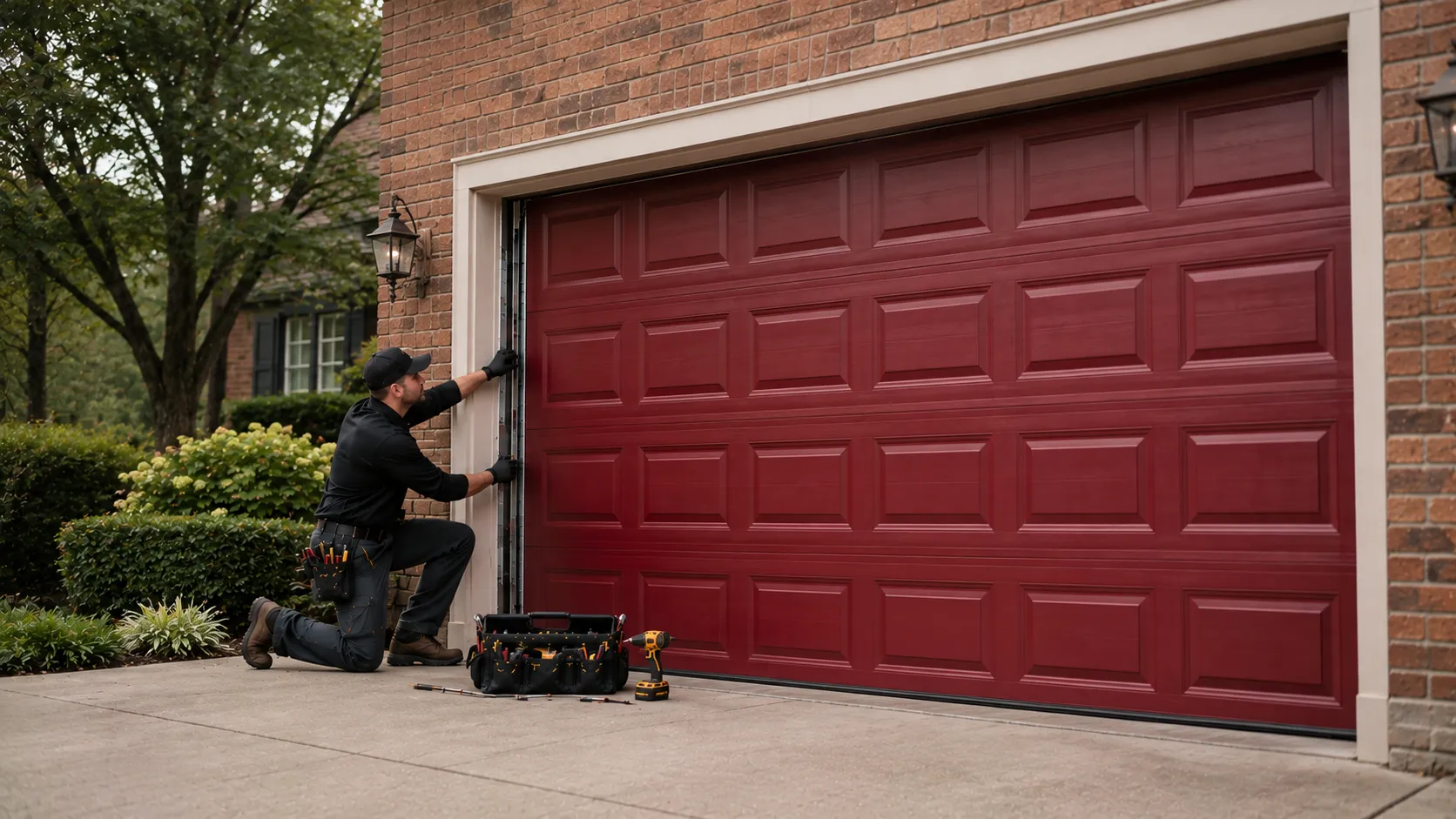
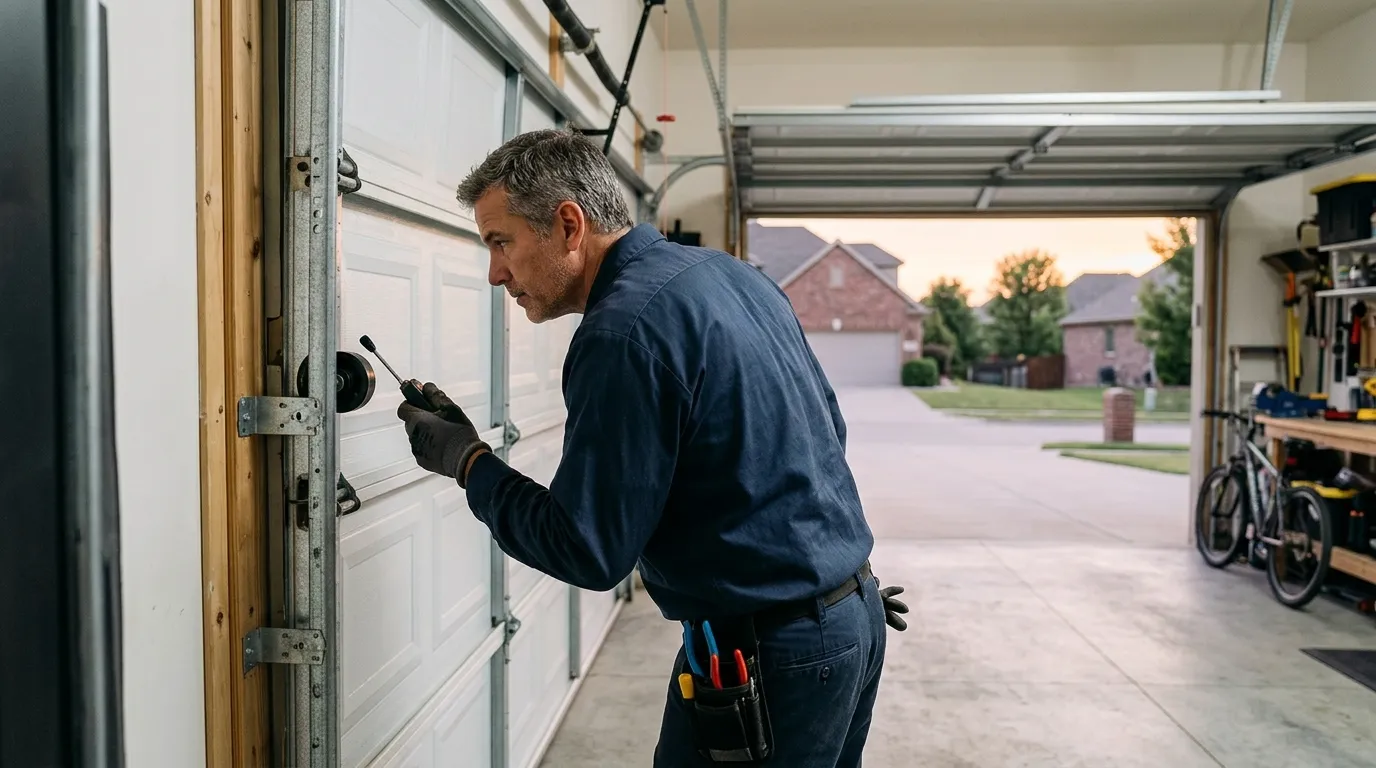
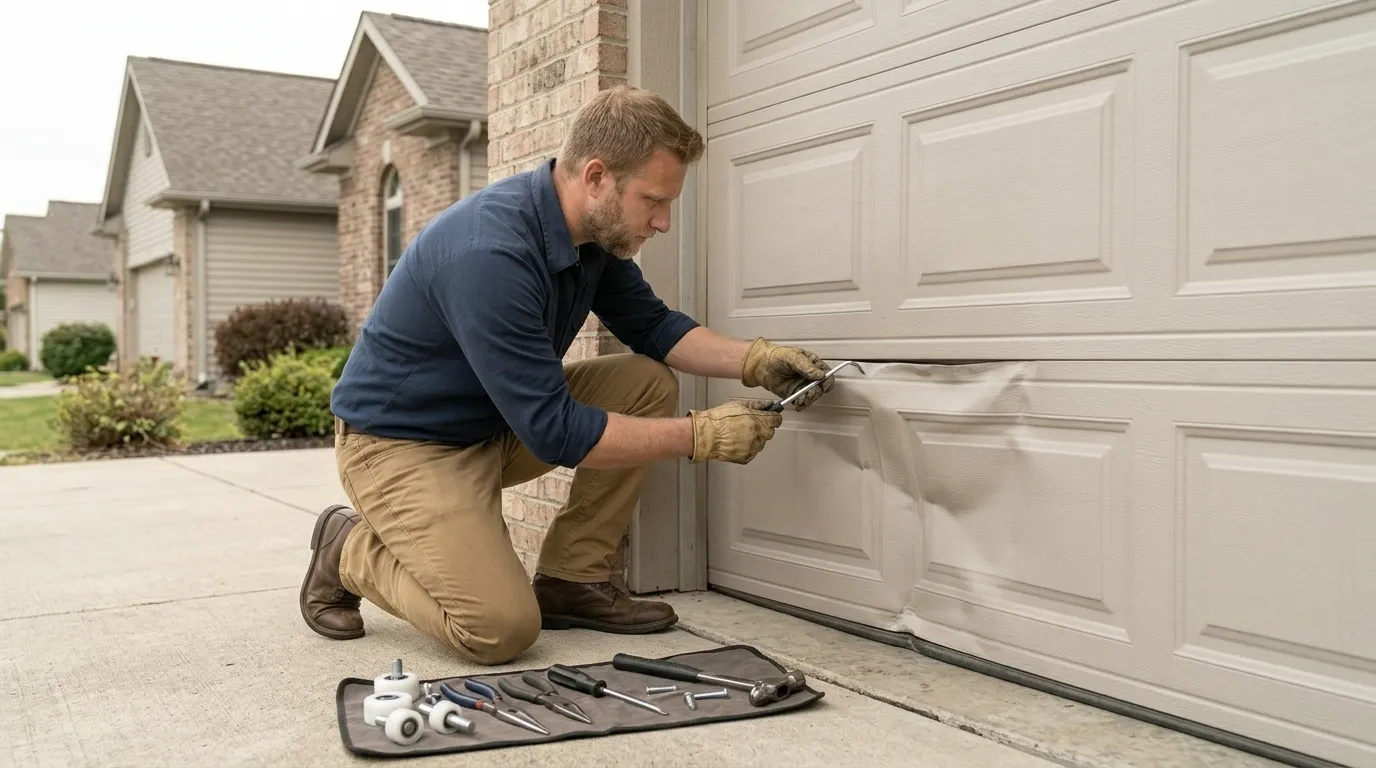
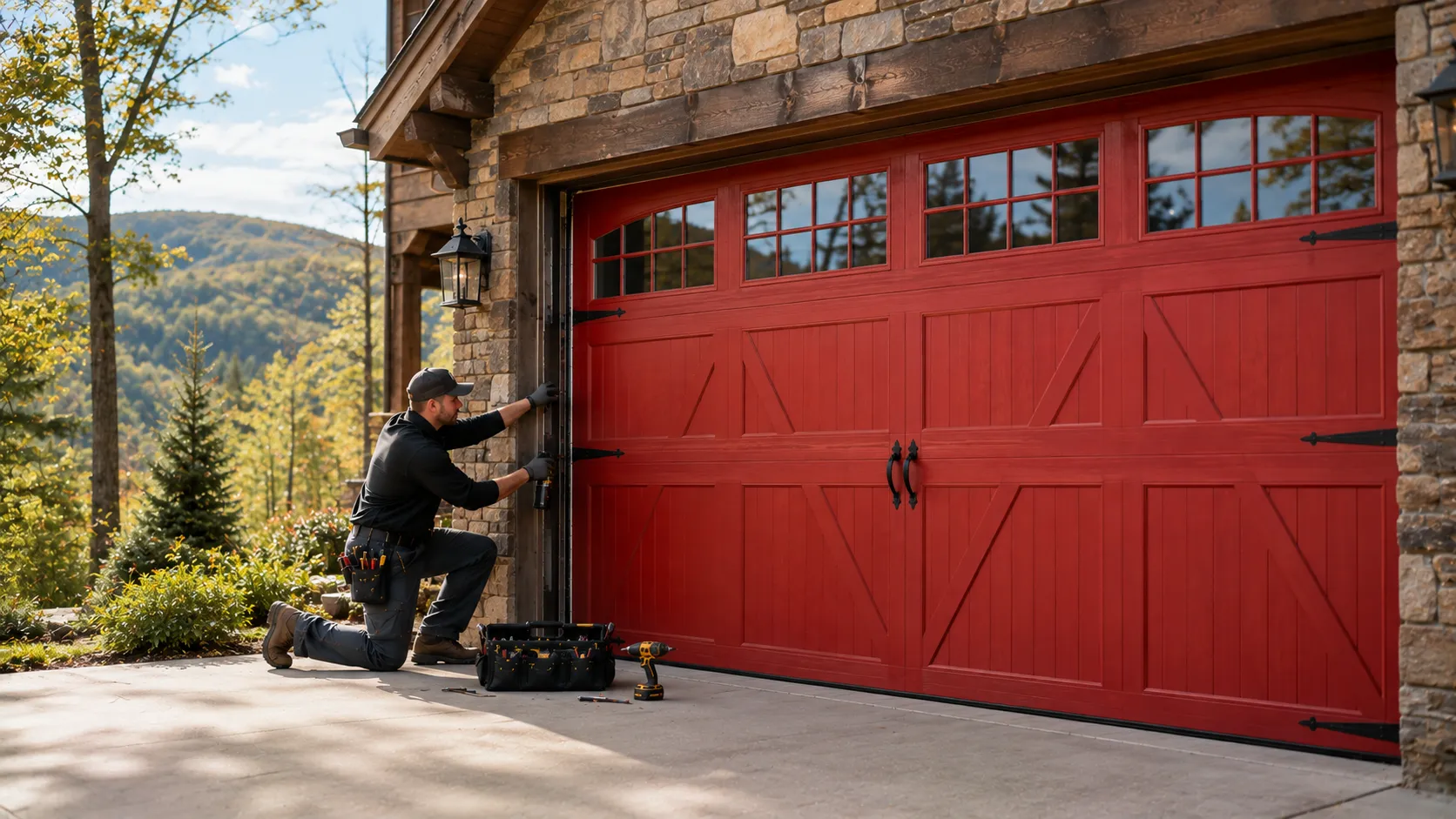
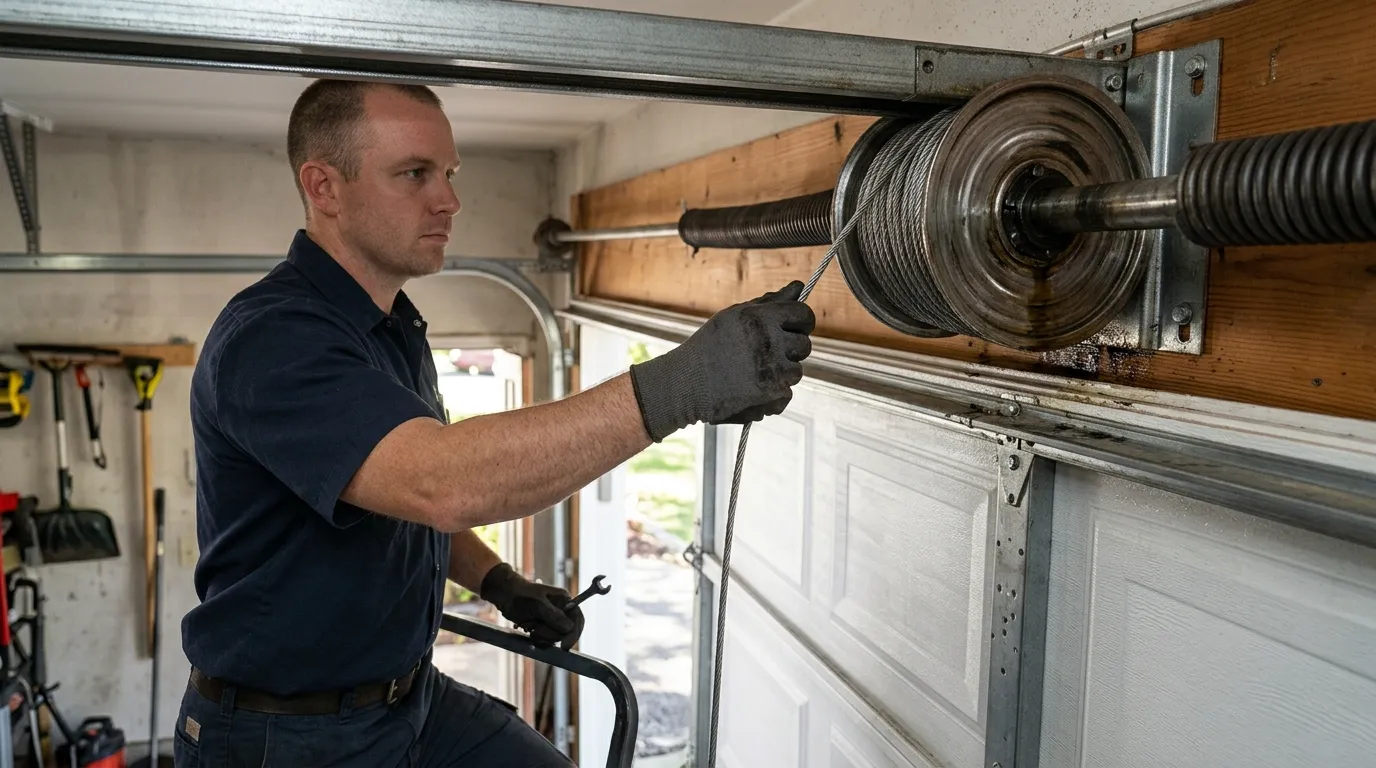
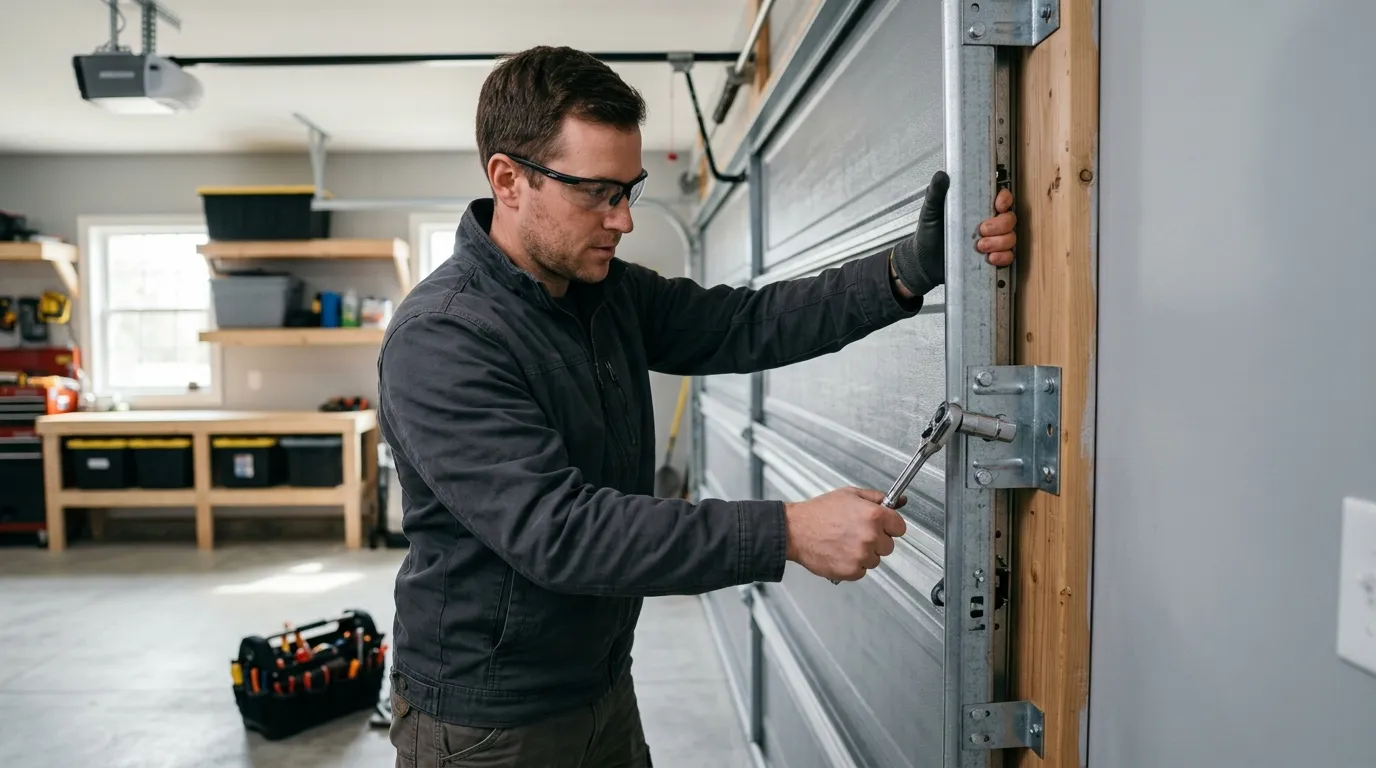
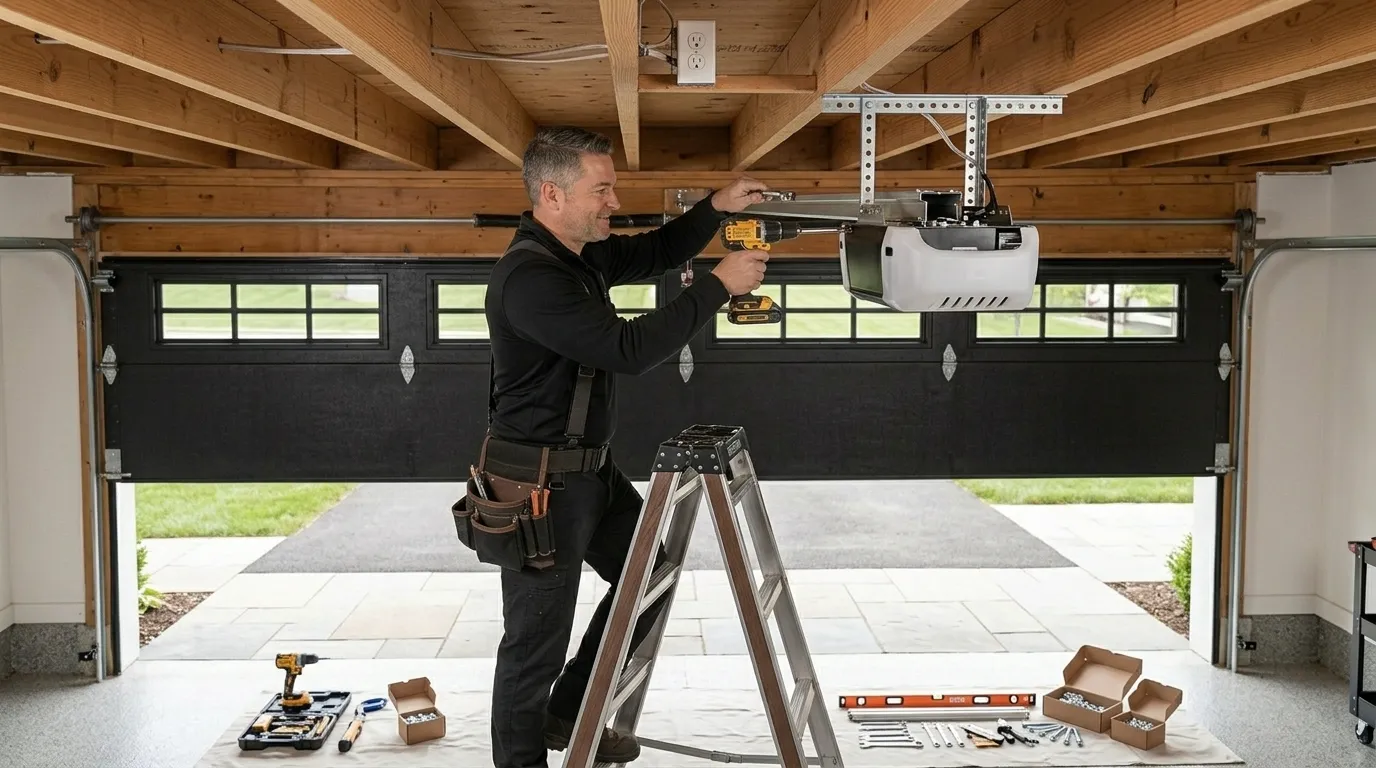
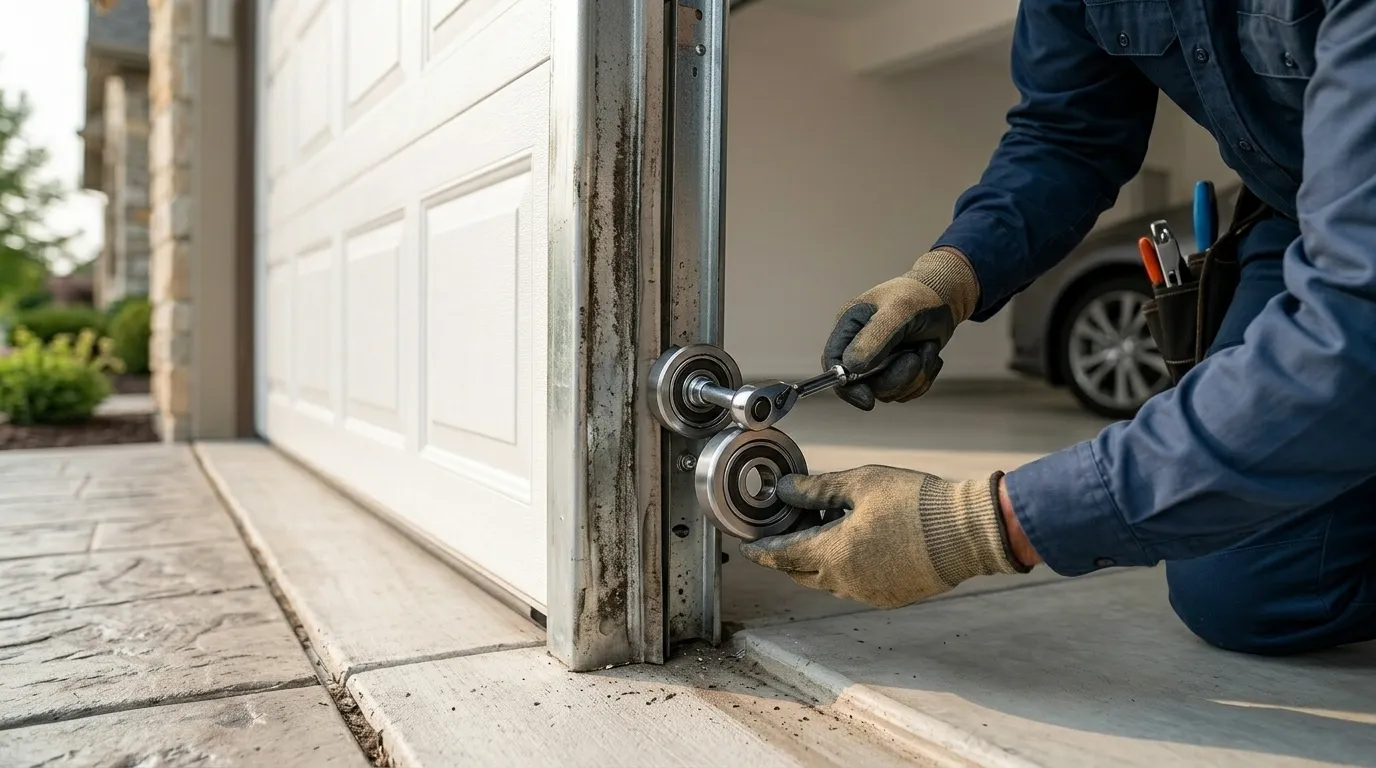
Shady Shores homes cluster around a median build year of 2000, a touch earlier than the 2004 median for the wider service area. That handful of years matters more than it sounds like it should. Doors and openers put in during that first wave are now pushing past the twenty-year mark, which is where garage door hardware starts to fail in predictable ways: worn nylon rollers, torsion springs that have cycled tens of thousands of times, and chain-drive openers with stripped gears or dying capacitors.
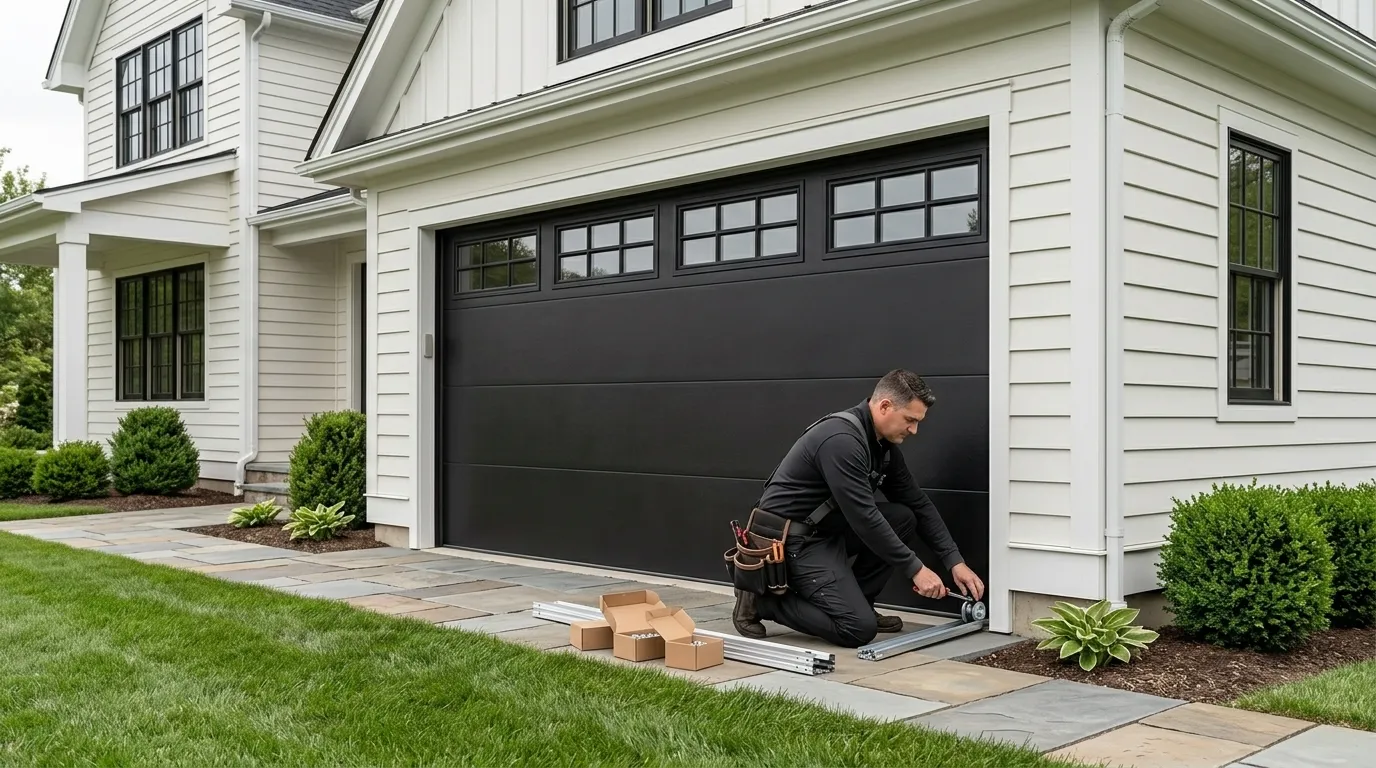
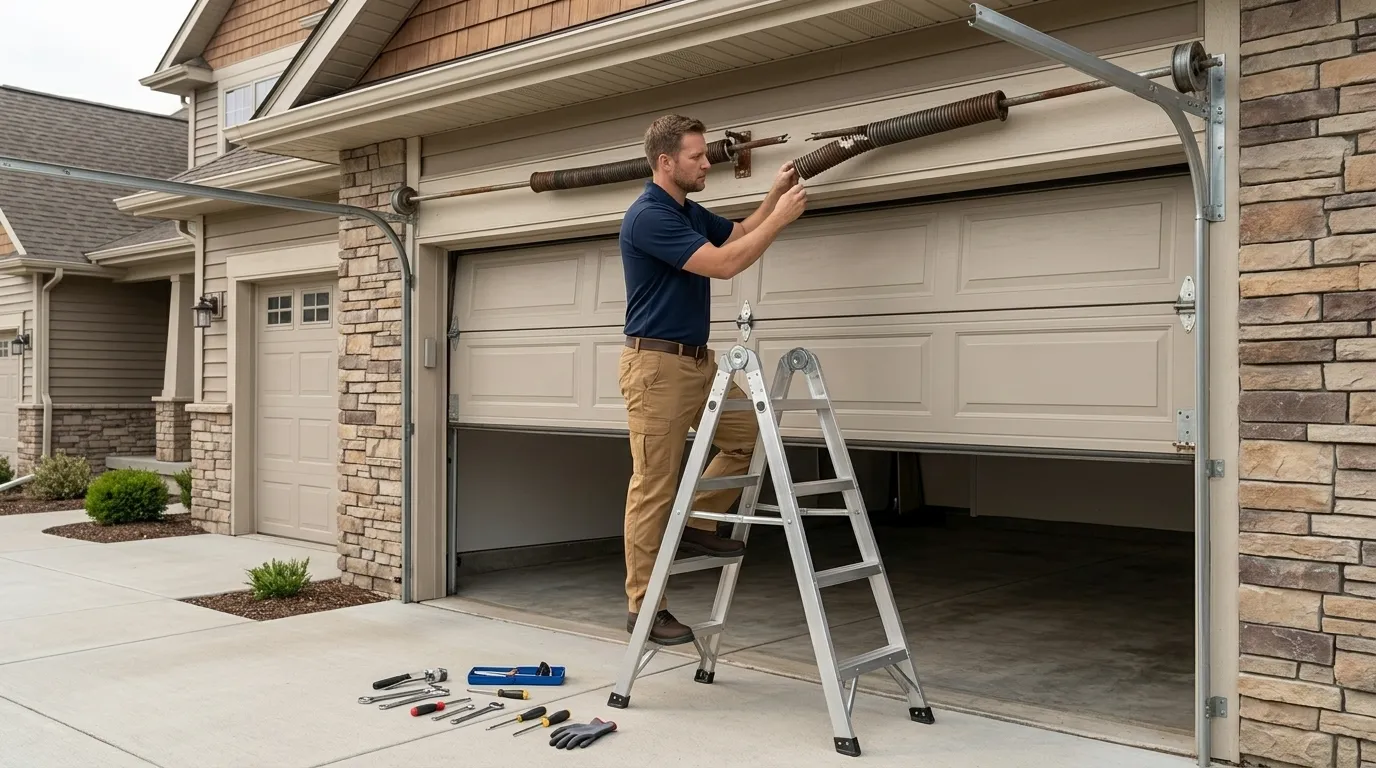
Most of this stock is builder-grade steel sectional doors on torsion spring systems, which is standard for houses built through the 1985-2015 boom across this whole corner of the county. What's specific to Shady Shores is that you're a few years ahead of the curve on wear.
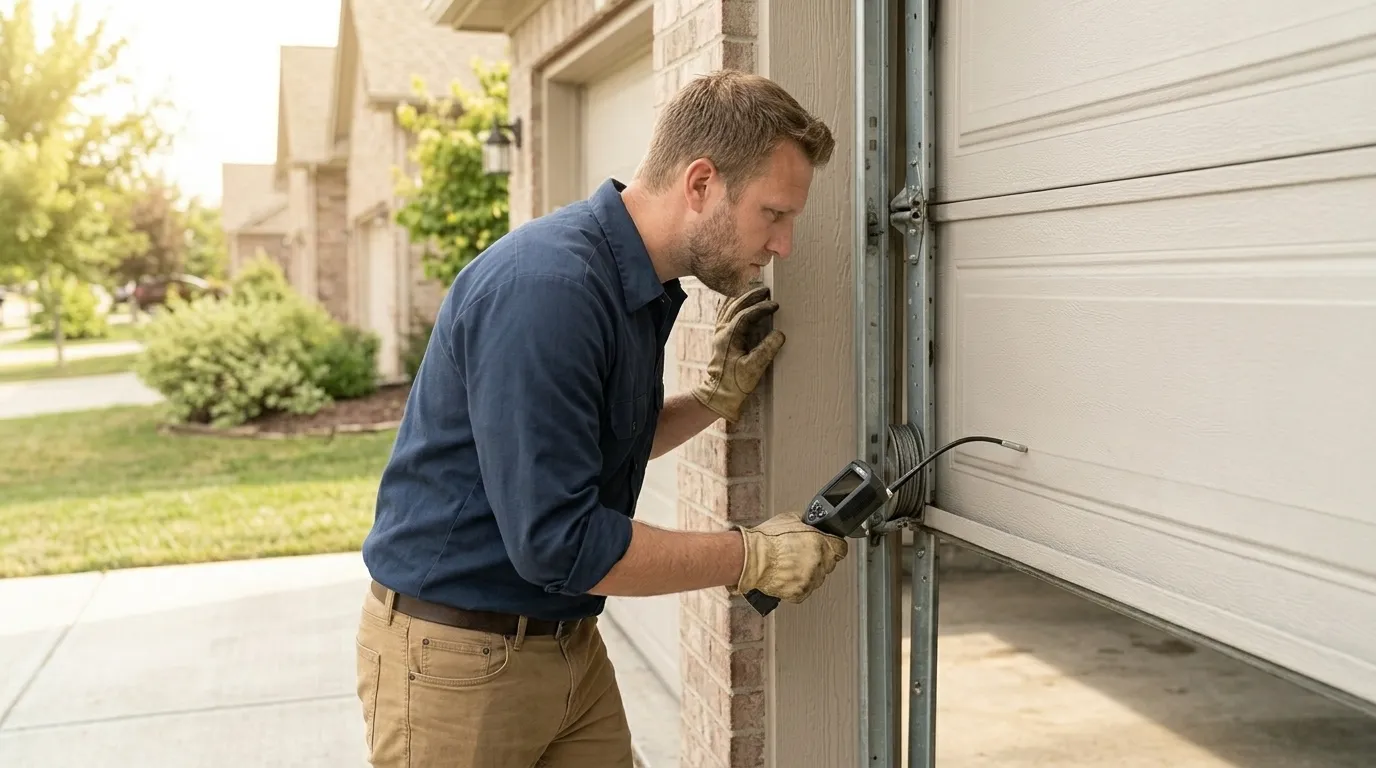
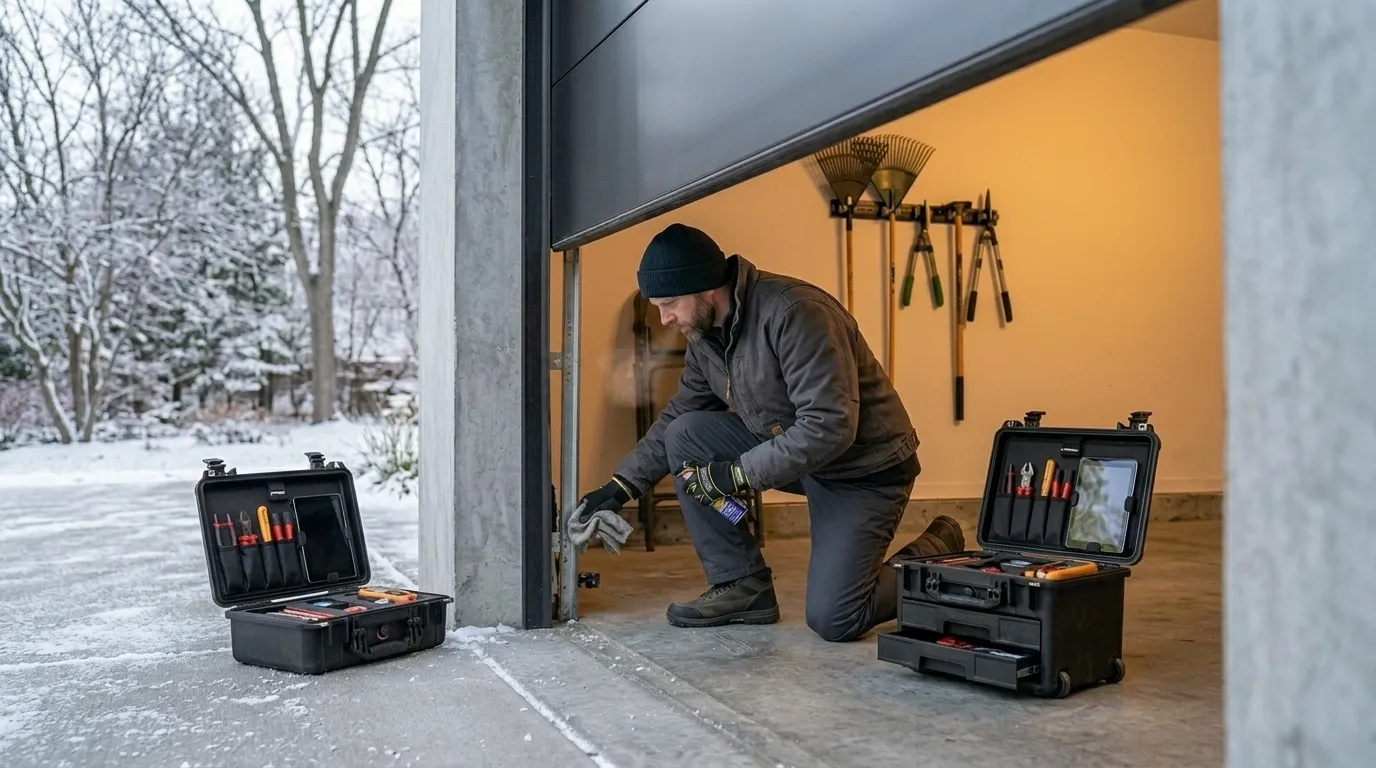
The area sits in a cold-moderate climate band, which means winter cold snaps stress old weatherstripping and can make an already-tired spring more likely to snap on a cold morning rather than a warm one. If your door has never had the springs replaced, that's usually the first thing worth checking, not the opener.
Where We Stop
Shady Shores sits in a cluster of small towns we cover out of Prosper, including Lake Dallas at about the same 14 miles, and Hickory Creek a bit further at 16. We also reach Pilot Point and Cross Roads on nearby legs of the same coverage area. If you're right at the edge of Shady Shores proper, it's still worth a call - we're not drawing a hard line at the city sign.
What we won't do is promise coverage further out than what's actually on our route. If you're calling from well outside this cluster, ask us directly whether the trip makes sense before you book a slot, because a long tow out for a five-minute adjustment isn't worth it for either of us.
The Houses Here
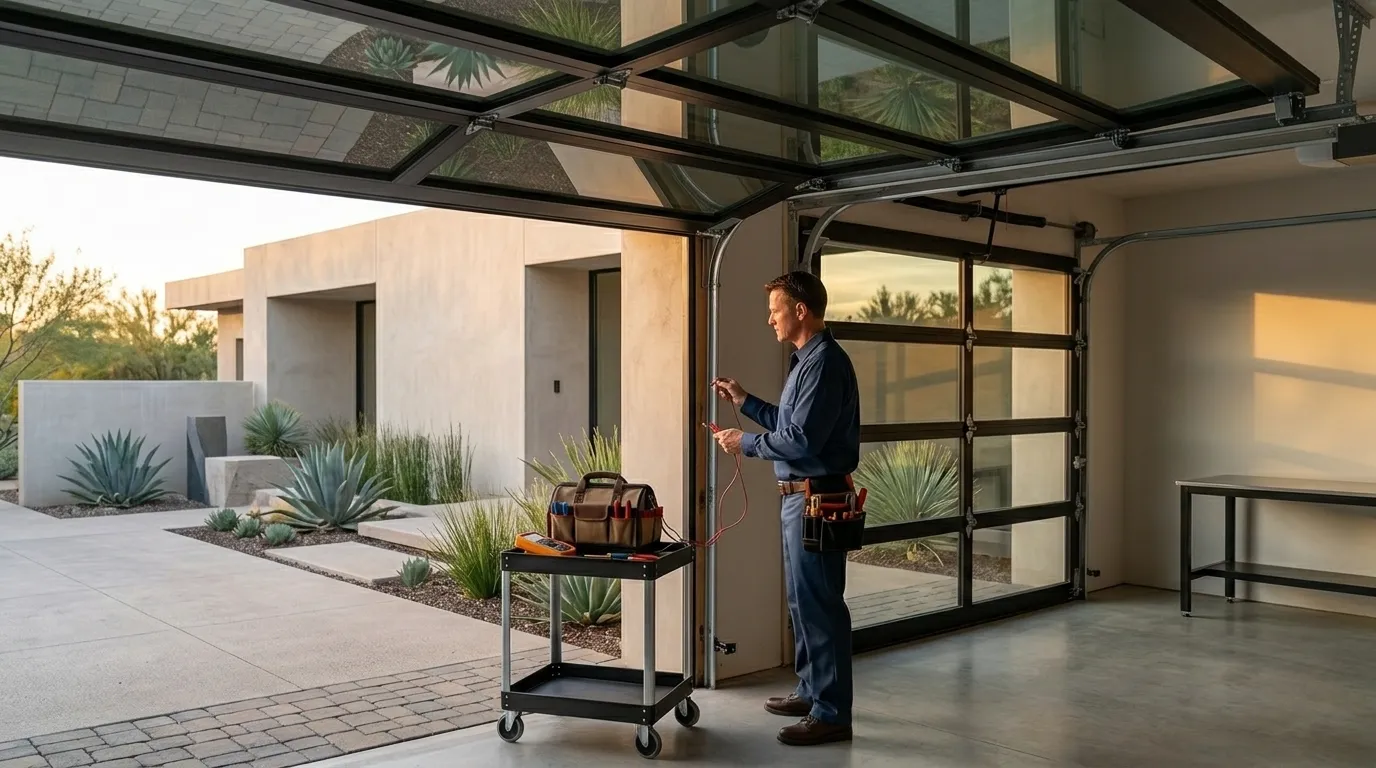
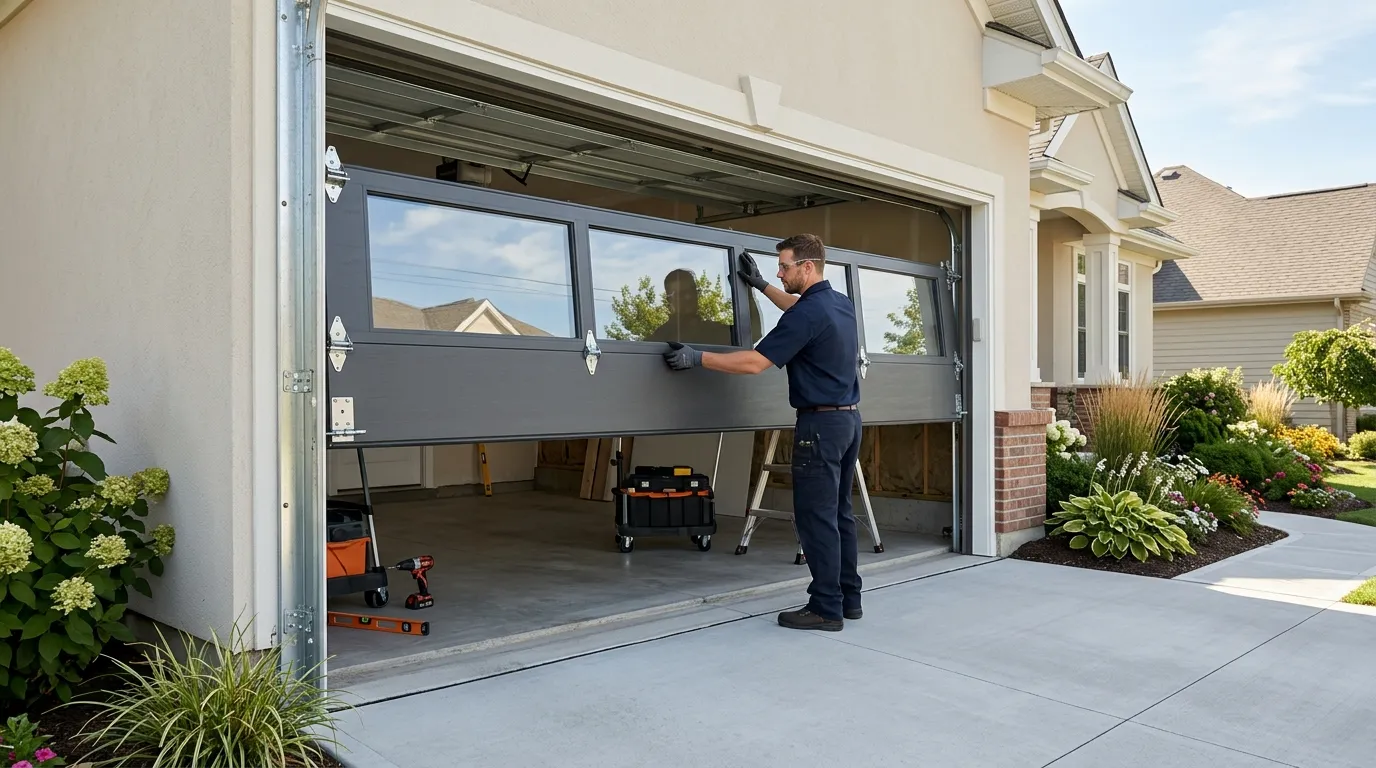
Shady Shores is a small town, around 1,002 households, and it runs noticeably higher-income than the surrounding service area - median household income here is about $158,333, well above the roughly $110,357 median across the broader coverage zone. That tends to show up in the doors themselves: more insulated steel doors, more upgraded openers with battery backup, and less tolerance for a door that just squeaks along instead of getting fixed properly.
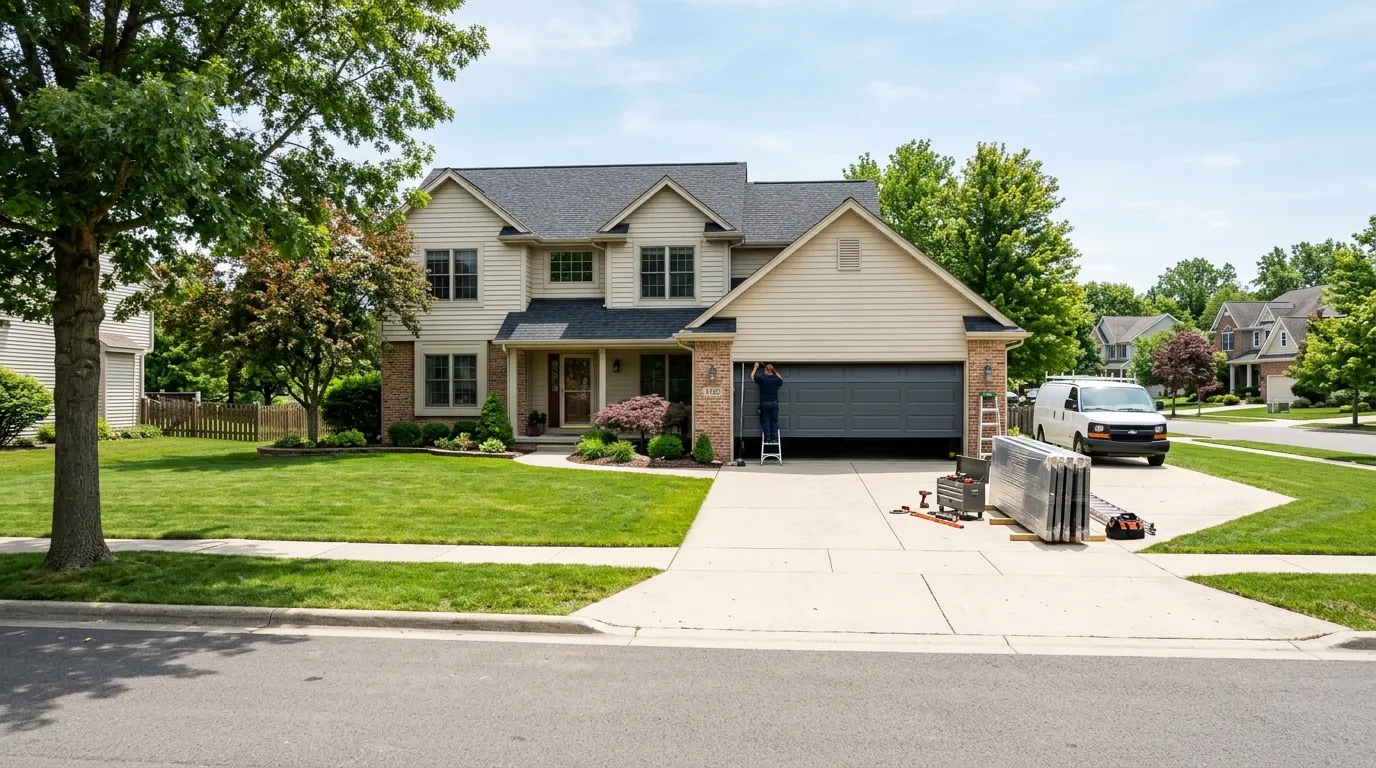
Built mostly around 2000, these are single-family houses with attached two- or three-car garages, standard torsion spring setups rather than the older extension-spring style you'd see in much older housing stock. The honest limitation here: if your opener is an original from that era and the circuit board has failed, we may not be able to get an exact replacement part quickly - some manufacturers discontinue boards for openers that old, and a full opener swap ends up being the faster, more reliable fix than chasing a part.