What the Housing Means for Your Door
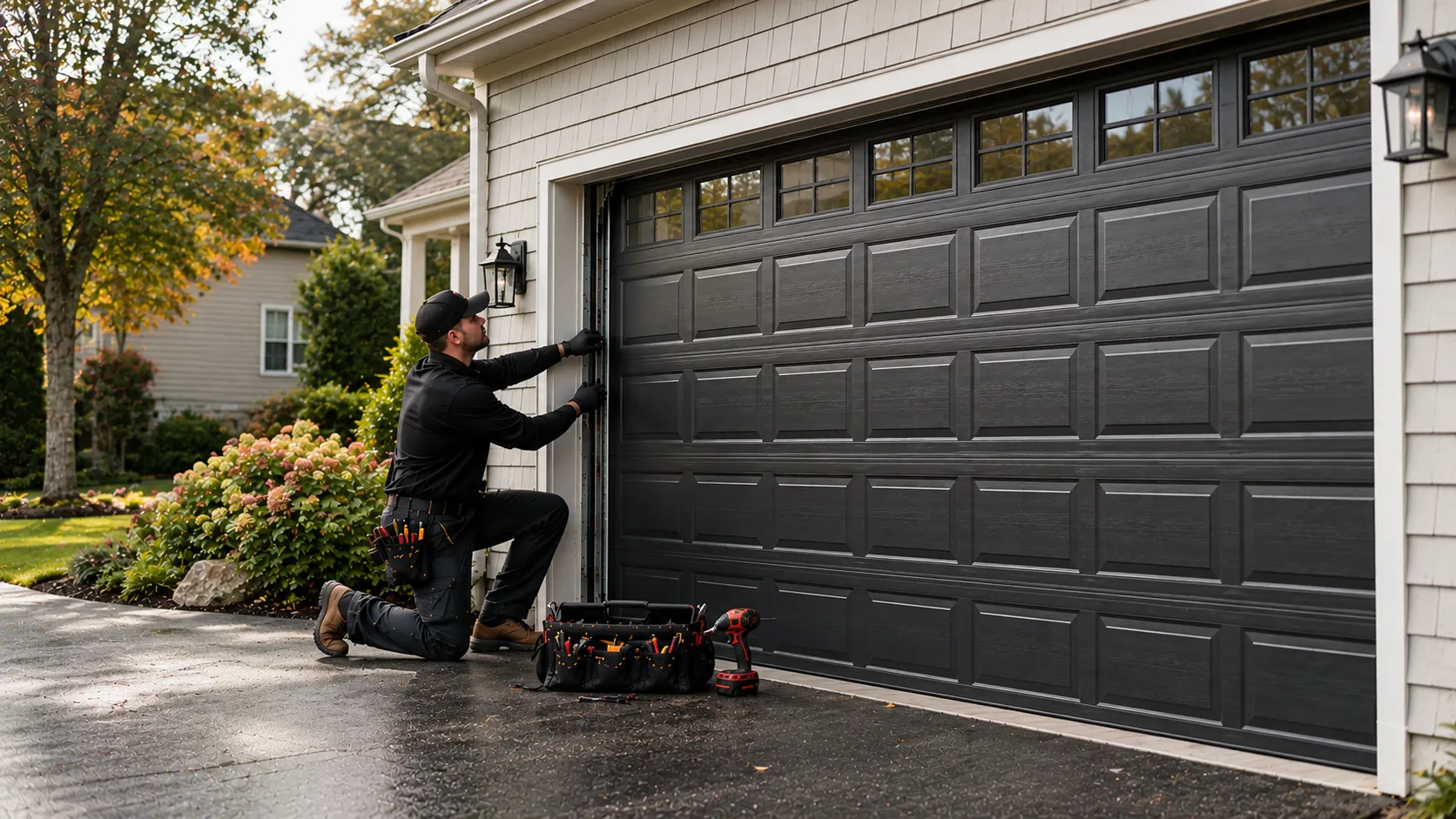
Weston's houses run older than most of what we see across the wider service area. The typical home here dates to around 1988, while the broader area's median build year is 2004 - a full sixteen years newer. That gap matters more than it sounds. A door installed in the late 1980s is likely on its second or third opener by now, but the original track and hinges often outlast the opener itself, and the spring system may still be the older extension-spring style rather than torsion, depending on when the garage was last touched.
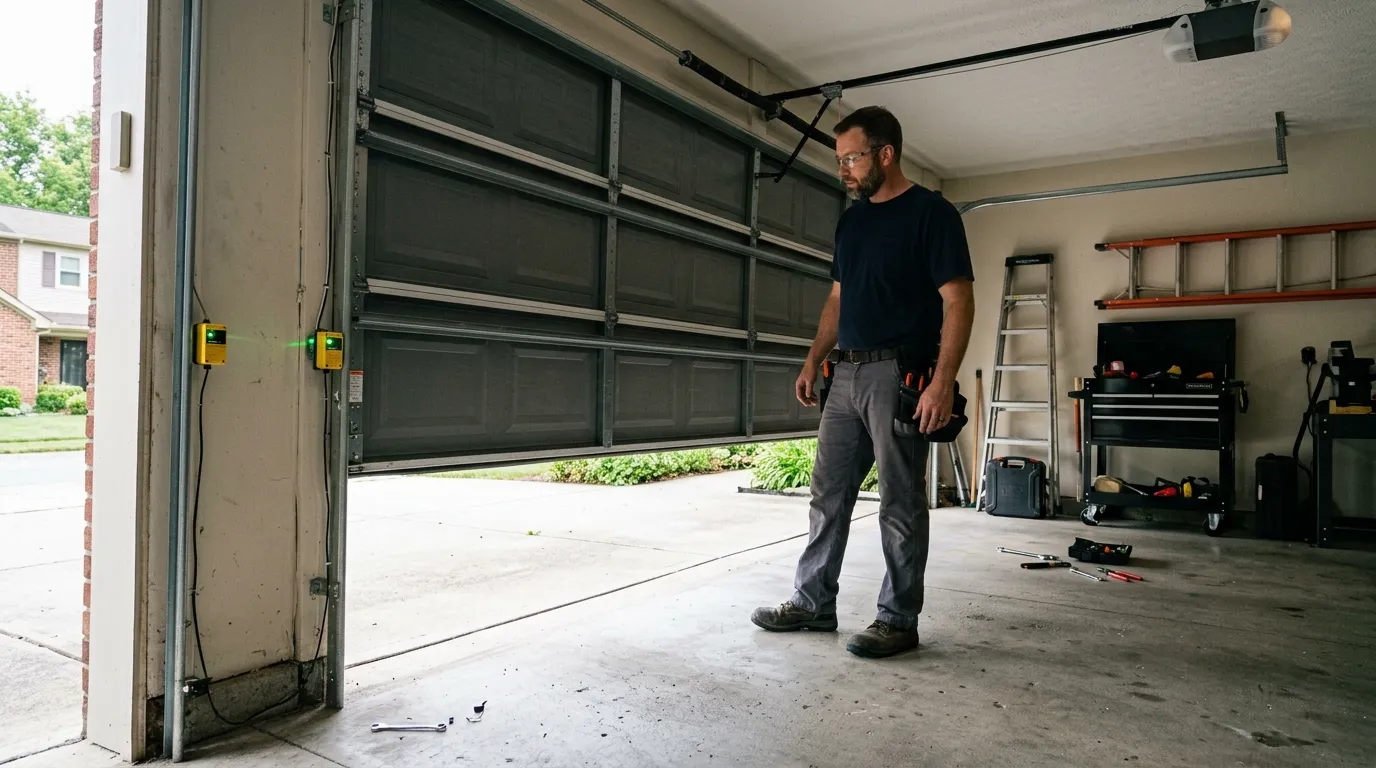
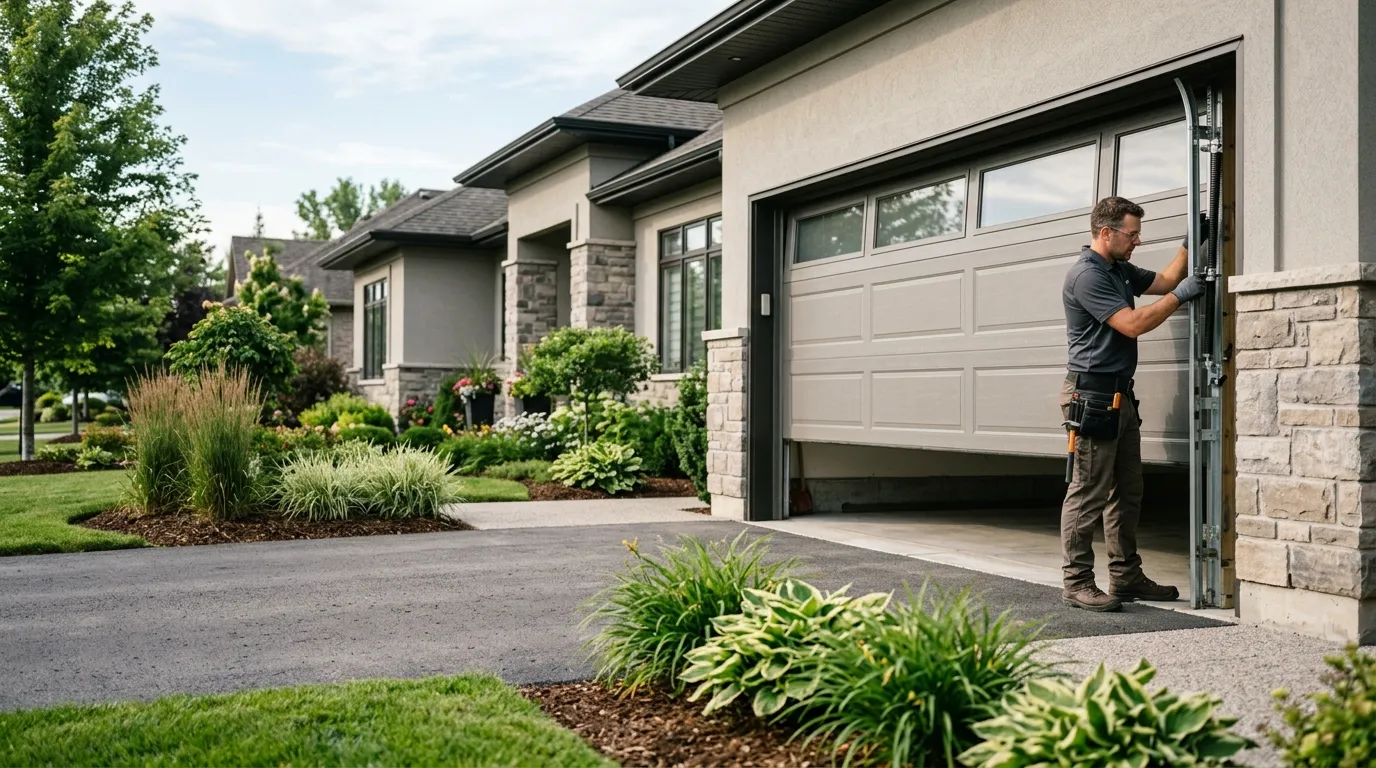
Older doors in Weston also tend to run heavier steel sections than the lighter, foam-filled panels common in newer builds elsewhere. That means more strain on rollers and cables over time, and it means a repair here is more often about matching old hardware than swapping in whatever's on the truck. We don't assume a 2004-era part will fit a 1988 track - we check before we quote.
If your door has never been touched since the house was built, the honest answer is sometimes replacement, not repair. Parts for that vintage aren't always stocked, and chasing down obsolete hardware can cost more than a new door section by the time labor's added in.
Where We Stop
Weston is one of the smaller areas we cover from Prosper - about 73 households, well under most of the other towns on our list. That's not a knock on the town, it's just a fact that shapes how we schedule: fewer calls per week means we're not driving past your street daily, so a same-day fix depends more on timing than in a denser area.
We cover Weston alongside nearby towns like Paloma Creek, Cross Roads, and Aubrey, all within a similar drive from Prosper. We don't work outside this general radius, and we won't quote a job somewhere we can't reasonably service and stand behind.
The Houses Here
With a median household income of $88,750, Weston runs lower than the roughly $110,357 median across the broader service area. That's a real difference when it comes to repair-versus-replace conversations - we try to be straight about which one actually makes financial sense rather than upselling a full door when a spring and a new set of rollers will do the job for years.
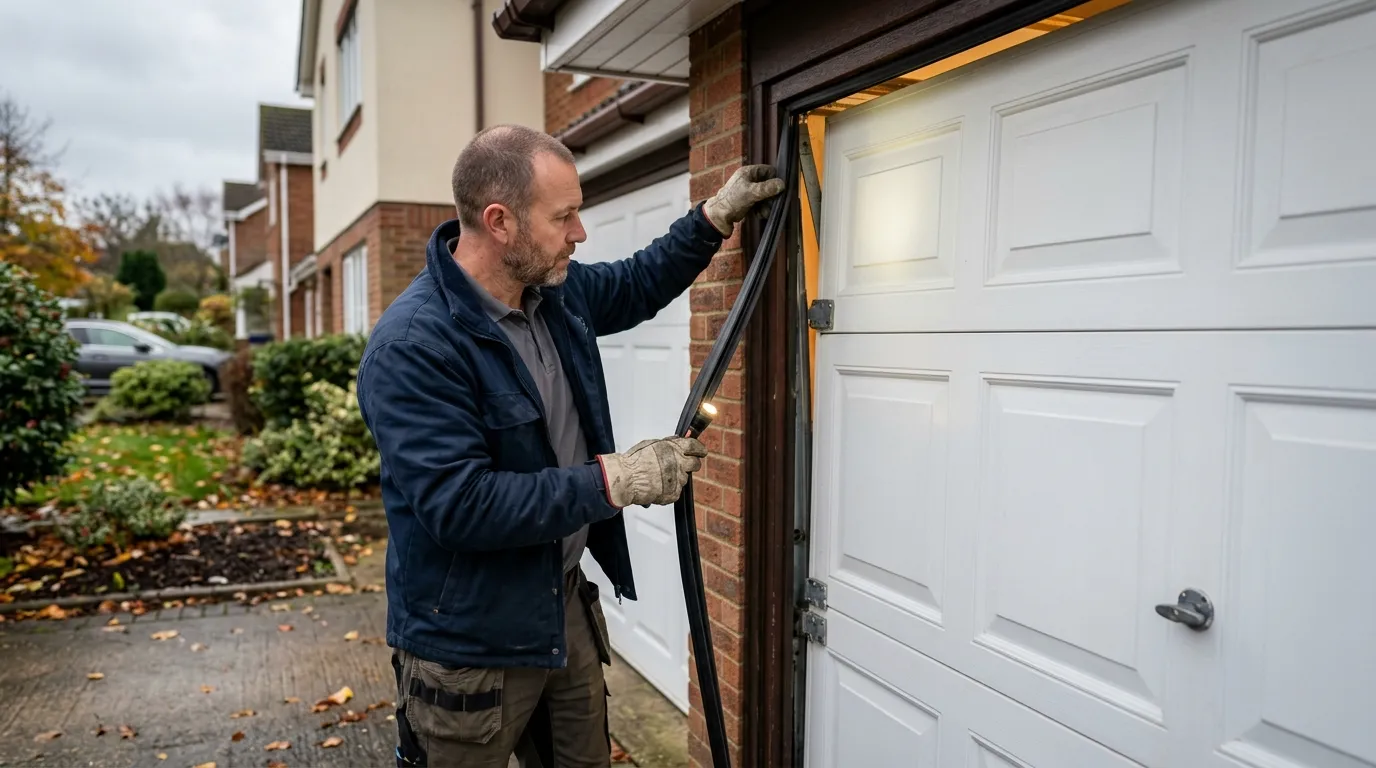
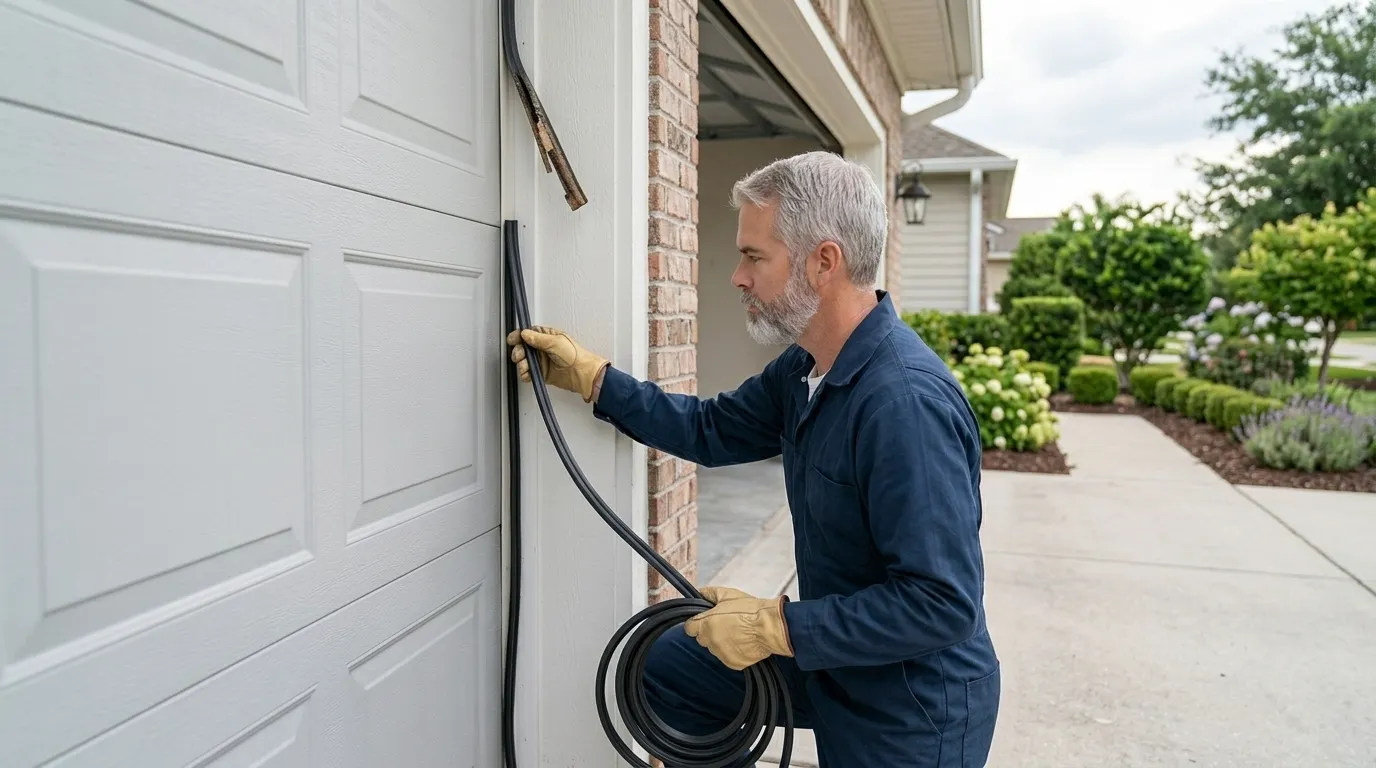
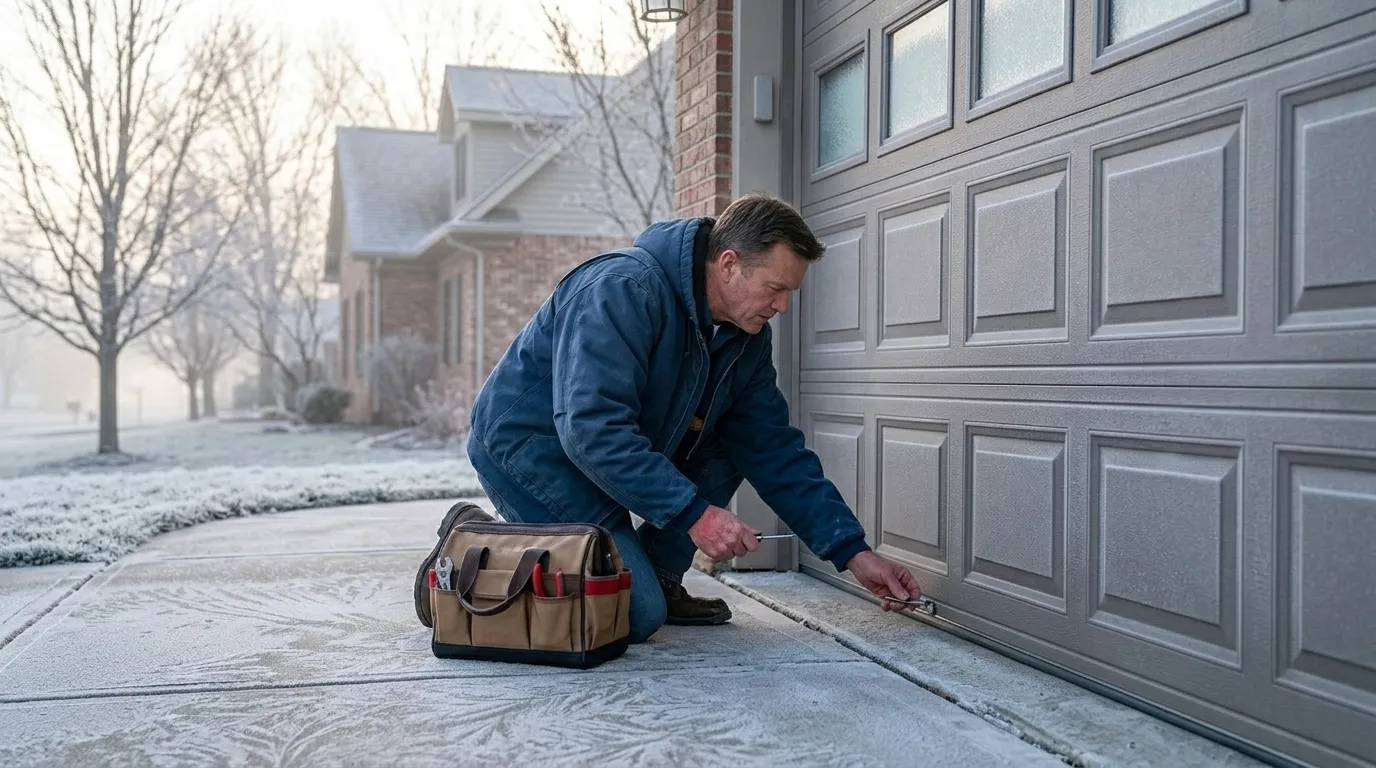
Combine the 1988 median build year with a climate band that's cold and moderate, and the common failure we see is stiff, cracked weatherseal and springs that have simply cycled out after three decades of winters. Metal fatigues on a schedule, and a door from the late 80s is well past the point where a spring should still be trusted on age alone, even if it hasn't failed yet.